
Remember me






An Australian farmer says he is scrambling to secure enough fuel to finish harvesting his crops, warning that ongoing shortages are now threatening supplies of everyday staple foods.
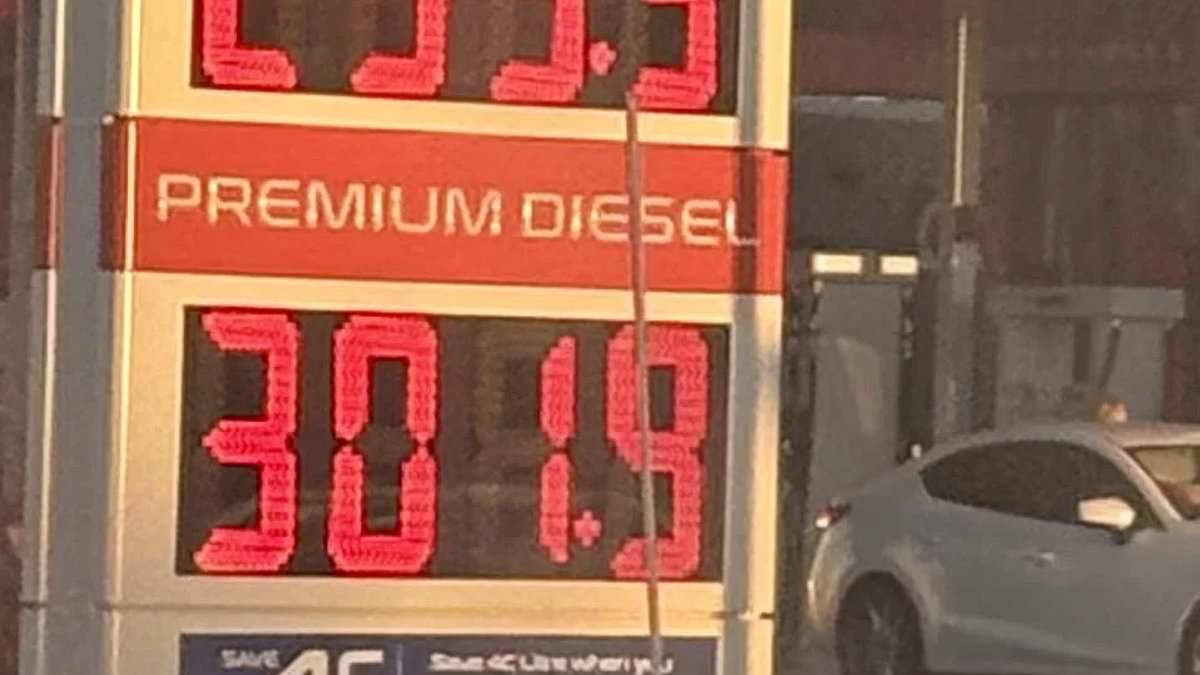
Fuel prices have surged in recent weeks after Iran moved to block the Strait of Hormuz, a chokepoint for about 20 per cent of global seaborne oil shipments, in retaliation for joint US-Israeli strikes.
More than 500 service stations across Australia have already run out of at least one type of fuel, with regional areas and diesel supplies particularly hard hit.
Energy Minister Chris Bowen has repeatedly insisted the shortages are being driven by a sudden spike in demand caused by panic buying, rather than a collapse in supply.
'We have as much fuel in Australia today as we had on the day Iran was attacked. We have had real issues, particularly in regional Australia, getting fuel to where demand has been very high,' Bowen said.
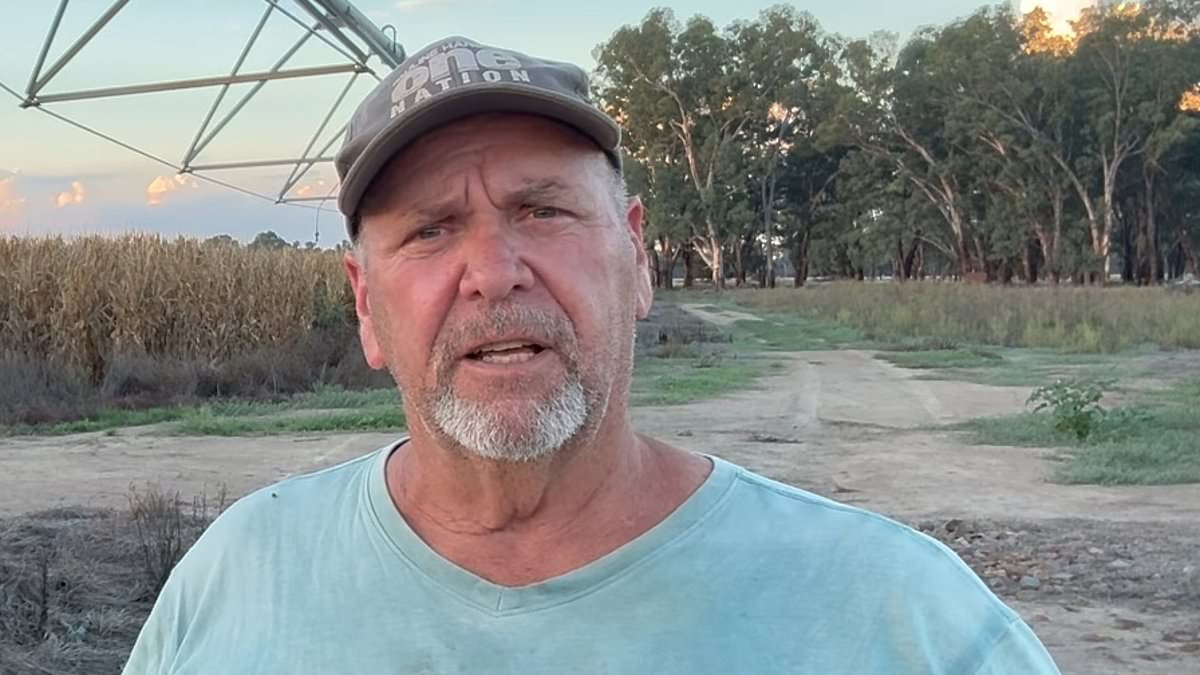
Maize grower and aspiring One Nation candidate Paul Funnell said the lack of fuel in regional areas is already hitting farmers hard.
Standing in front of his crop, he said: 'This maize crop behind me will produce around 2,000 tonnes.'
The grain, planted in October, is now ready to harvest, but he cannot complete the job without more diesel.

Farmer and local Riverina politician Paul Funnell said he is unable to transport his crops for food manufacturing due to the ongoing fuel shortage

Diesel and petrol prices have surged in the last month after Iran closed the Strait of Hormuz, the gateway for 20 per cent of global oil supplies, in response to joint US and Israeli strikes
He said it has already taken 90,000 litres of diesel to grow the crop, powering irrigation pumps, tractors, seeders and other machinery, and he now needs another 5,000 to 10,000 litres to finish harvesting.
'I ordered fuel this morning. They said, 'We don't know when you'll get it, and we don't know what it will cost'.'
'We shouldn't be in this position. The crop has to sit here now, luckily it can, for the moment. But this goes into your corn chips, your cornflour, your bread, your cereals.'
Funnell warned the pressure does not end once harvesting is complete, with fuel also needed to transport grain to mills and food manufacturers.
'Empty fuel tanks can't harvest product,' he said. 'Growers have already spent all their costs upfront. If they can't get the crop off, you can't get your food. It's not rocket science.'
He said his own crop represents only a tiny fraction of the hundreds of thousands of tonnes of maize required nationwide, but argued it highlights the scale of the challenge facing the sector.
'We are starving for fuel in this country, all because for five or six decades we've shut down our fuel refineries.
'You delivered, the Coalition with Labor, the crisis we're in today,' he said.

Energy Minister Chris Bowen has repeatedly insisted the shortages are being driven by a sudden spike in demand caused by panic buying, rather than a collapse in supply

Norco chief executive Michael Hampson has sounded the alarm, saying milk prices could jump by up to 50 cents a litre if global shipping disruptions drag on
'Regional Australia is bearing the brunt.'
Australia's refining sector has shrunk dramatically over the past 15 years, with several plants closing due to competition from large Asian refineries and the high cost of upgrades.
Port Stanvac closed in 2009, followed by Clyde in 2012, Kurnell and Bulwer Island in 2014, and BP's Kwinana and ExxonMobil's Altona refineries in 2021.
Only Ampol's Lytton refinery in Brisbane and Viva Energy's Geelong facility remain, supplying just a fraction of national fuel demand.
Funnell urged metropolitan Australians to understand the pressures farmers are facing.
'Please, metropolitan areas, listen and take note. This is what puts food on your shelves and on your table.'
His warning comes after the boss of one of Australia’s largest dairy companies said Australians could soon be paying significantly more for milk, and face broader food supply fears, if global shipping disruptions are not resolved within weeks.
Norco chief executive Michael Hampson said the economic fallout from the escalating crisis could eclipse the pandemic if key energy and trade routes remain blocked in the Middle East due to the ongoing war.

Truck drivers who transport food from farms to supermarket shelves are also coming under pressure as fuel costs continue to rise
The best-case timeline pointed to six-12 months of food supply disruptions, linked to the reopening of the Strait of Hormuz and stabilising petrochemical supply routes.
'If it isn't resolved promptly, as in the next week or two, the fallout for this event is going to make Covid look like a tea party,' Hampson told The Guardian.
'We won't be worried about running out of toilet paper – we'll be worried about not having food.'
Hampson warned Australians should expect milk prices to rise, saying increases of 30 to 50 cents a litre 'wouldn't be unreasonable' if supply chain pressures continue to build.
However, he stressed that outright milk shortages were unlikely at this stage.
He said the dairy industry faces growing risks from disruptions to global petrochemical supply, with milk packaging heavily dependent on oil-based resins that could become impossible to source if logistics networks do not stabilise.
'Then it doesn't matter how much it costs – because we won't have anything to put the milk in,' he said.
The warning comes as fuel costs surge across the sector, with Hampson revealing Norco's milk processing facilities have already been hit with an extra $1 million a month in fuel bills since the conflict began.
It was no longer a question of if, but when, higher costs will flow through to consumers, supply chain management and logistics expert Elizabeth Jackson said.
'Every kilojoule of food that comes from an Australian farm is moved by a diesel-powered vehicle,' Dr Jackson said.
'Even the most basic of foods - fresh fruit and vegetables that don't go through any sort of processing - right through to the most processed exported foods, are dependent upon transport systems.
'They are also dependent upon diesel for their manufacture in terms of mechanisation that goes into food production, like tractors.'
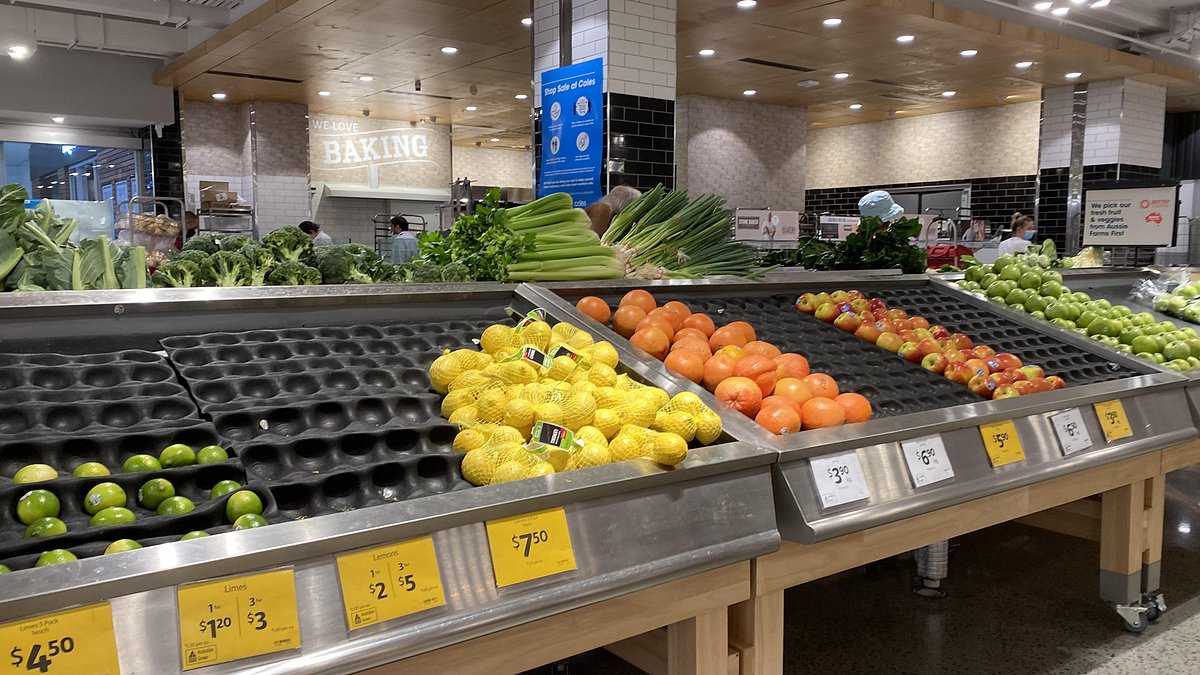
Price rises are likely to begin with fresh produce because of its constant need for transport.
Increases were possible within two to three weeks, with a 'slow burn' most likely rather than one sudden spike.
'The fresher the produce, the quicker we're going to see the prices increase,' Dr Jackson said.