
Remember me
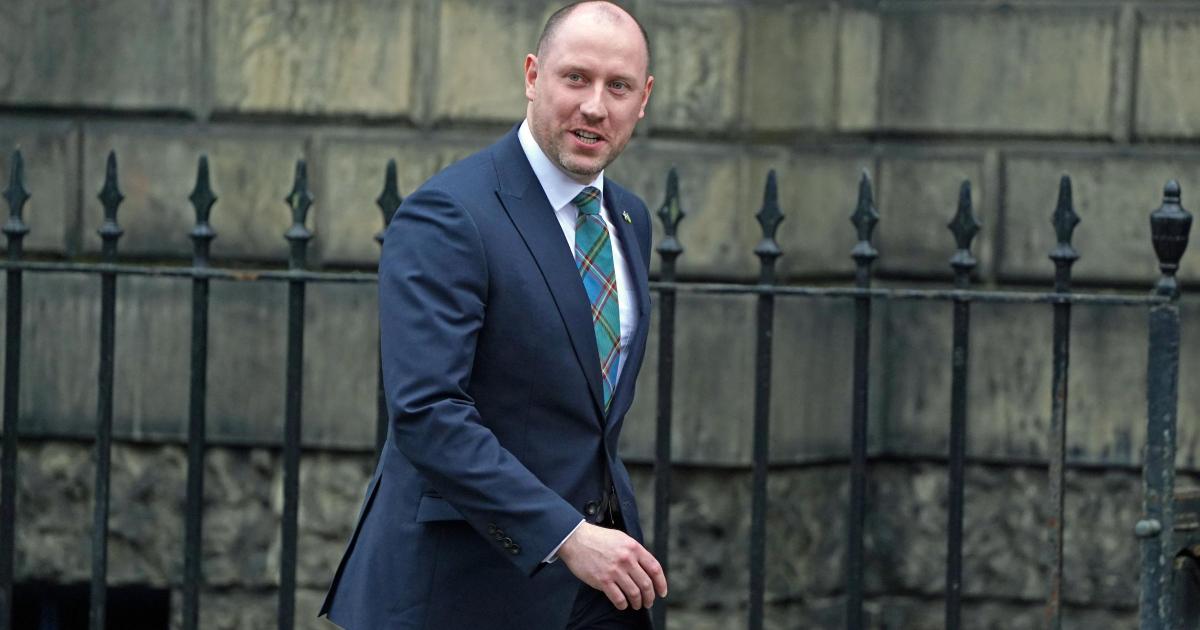
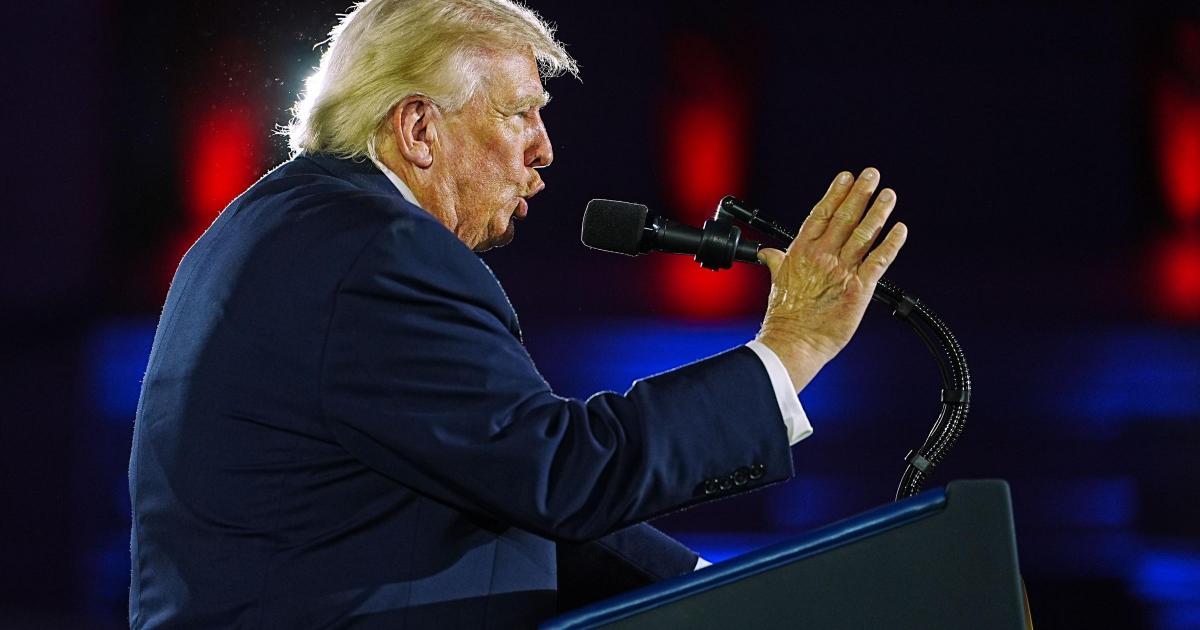
The First Minister has set his targets firmly on winning an overall majority in the May 7 election, believing such a result will lead to a second referendum on the future of the UK.
Speaking at the start of a “crucial election campaign for our country”, he said the SNP will run its “biggest and best campaign” over the next six weeks.
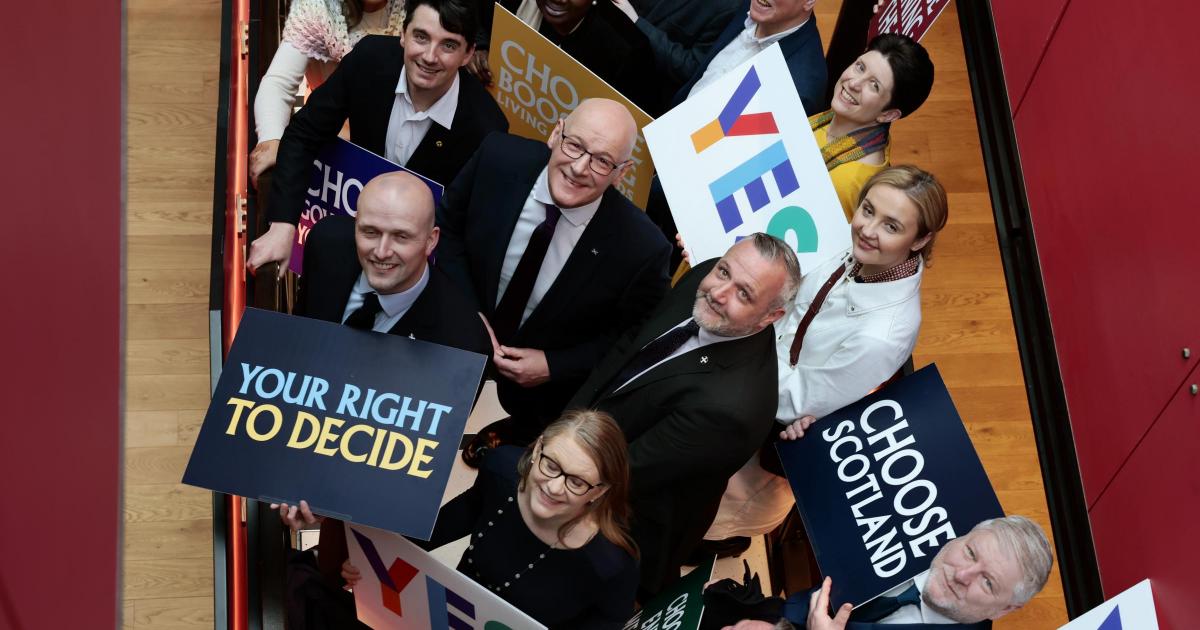
He said he will lead “our campaign from the front” and told supporters at the campaign launch in Glasgow that the SNP is “ready not just to fight this election, not just to win this election, but to win big”.
READ MORE: UK Government 'deliberately blocked £1.5bn wind farm factory ahead of election'
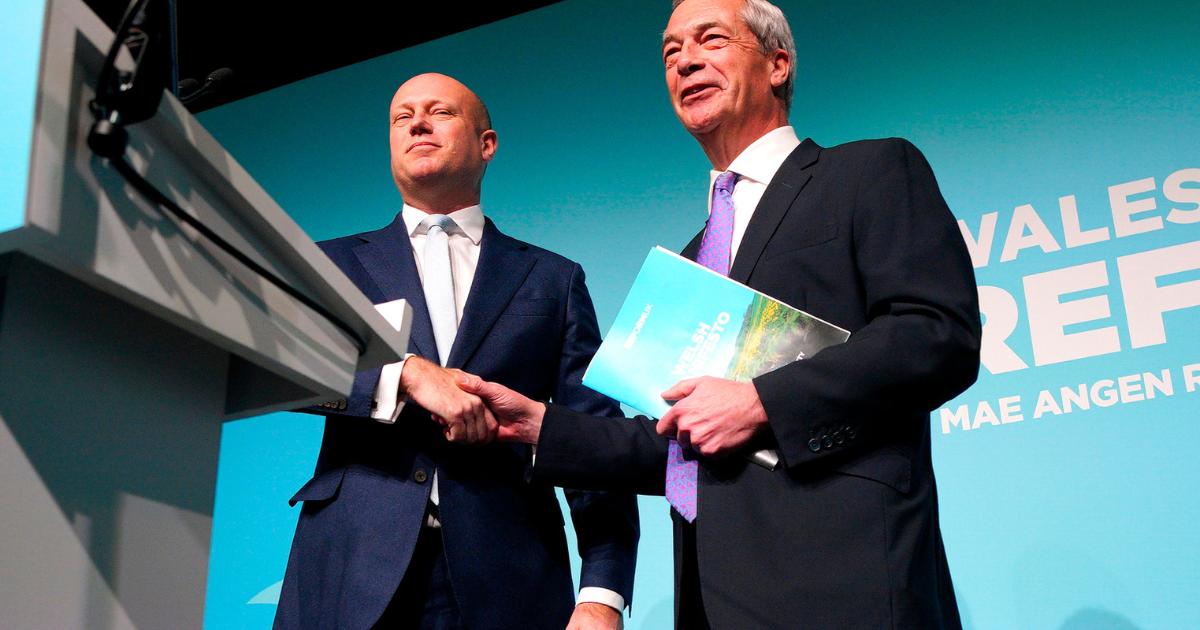
He said an SNP majority at Holyrood will not only achieve the goal of another referendum but will also lock Nigel Farage’s Reform UK out of power in Scotland.
Polls have suggested Reform – led in Scotland by Malcolm Offord – could come second in the vote, but recent numbers show support decling.
Swinney warned: “Depending on how the numbers stack up after the election, without an SNP majority there is always the potential for a grubby, backroom deal between Labour and Reform.”
While Labour and Reform at a Holyrood level have never mentioned the prospect of a deal between them, the First Minister pointed to Reform councillors supporting Labour in Fife Council and rejected accusations the prospect of a deal is a “scare story”.
But he said it is the prospect of using the election to force a referendum that could give Scotland the “greatest prize”.

An overall SNP majority – as happened in 2011 under Alex Salmond – will “send a message that the Westminster establishment cannot sweep under the carpet”, Swinney said.
Successive prime ministers have rejected repeated calls for another independence referendum, but the First Minister believes 2011 set a precedent for forcing another vote on the country’s constitutional future.
When asked what happens if Westminster once again says no, he said: “That’s the fundamental point, we need to win a clear mandate.
“Only then can we really apply pressure on Westminster to allow Scotland to decide its own future. Westminster cannot be allowed to stand in the way of the democratic right of the people of Scotland to choose their own path.
“That right to self-determination has been accepted by politicians in the past – it was accepted in 2011, and it should be accepted again in 2026 if we win a majority.”
We spoke to Holyrood candidates and members of the party following the speech, asking them how they feel now that the six-week clock has started ticking and the blind spot in the party’s independence strategy.
“For me, the way to take that onto the doors is to turn the question around,” candidate for Edinburgh North Western Lyn Jardine told me afterwards.
“We should be asking Westminster why they think they have the right to say no to us. “Around the world, it’s a well-established principle that a country has the right to decide its own future. So, the challenge back to them is you explain why you think Scotland doesn’t have that right.”
She added: “I thought the First Minister’s speech today was fantastic – energetic and full of hope for Scotland’s future. The central message about the kind of country we could be really landed.”
Relatively new member Ava Birkett said the energy in the room “was really high”, compared to how members felt following the resignations of Nicola Sturgeon and then Humza Yousaf.
“I only joined the party last year during the Hamilton by-election, when we were still very much in recovery mode,” she shared, reflecting: “Today felt different – people seemed genuinely engaged, and it looks like we’re going to be out on the doors and focused on winning this election.
“I’m very happy with John Swinney. He’s really stabilised the party over the last few years, and he’s an excellent candidate. I think he’ll be a great future prime minister of Scotland.”

Also reflecting on where the party is compared to the mood of the 2024 General Election campaign, Alan Rubin Castejon said: “I started out campaigning in 2023 and when I think about then, there was a lot of that lost trust that the First Minister was speaking about and what Mairi McAllan was talking about.
“I think as time has gone on, especially through this campaign, it feels like there's a lot of energy and there's a lot of good momentum on the doors which we know used to be Labour. They are coming back to us and we're regaining that trust."
He added: “It's really positive to see that we're in the right direction and that we're offering fresh policies and a fresh vision for a progressive Scotland. It’s about integrity as well and standing by a record which is once again something that all the other parties lack.”
READ MORE: Nigel Farage relentlessly mocked as 'hypocritical' attack on John Swinney backfires
Another who has been a campaign organiser for more than a decade shared that branches are encouraging a wide range of communities to get involved, adding that on the doors: “We're getting good responses and we are very much optimistic for the future.”
South Scotland regional candidate Ross Clark, a current councillor on South Lanarkshire Council, shared that the key challenge for the party is reaching as many people as possible.
"It’s about getting on the doors, having those conversations and building that personal connection," he said. "That’s what really matters in an election, and we’re determined to get out there and speak to as many people as we can.”