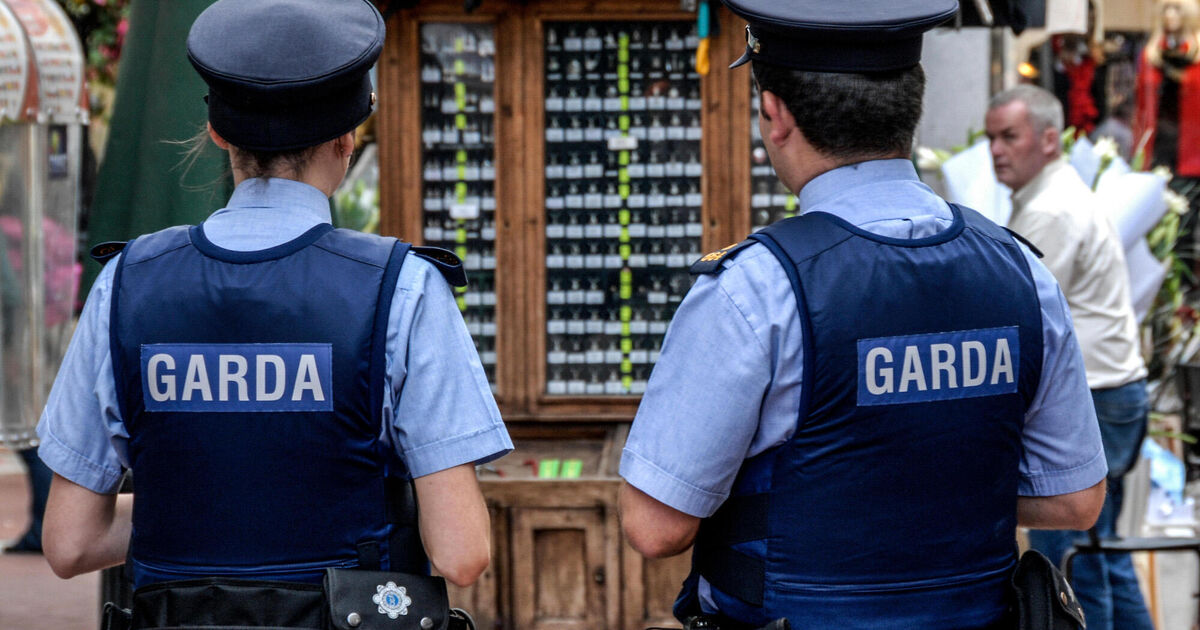
Gardaí’s home addresses are being shared online alongside “vile and vexatious” allegations about them and threats of violence.
People have approached gardaí’s teenage children working in chippers and shops over online rumours about their parents.
The spreading of hate and misinformation about gardaí online is now one of the most difficult problems facing gardaí and is feeding into the recruitment problem, Ronan Clogher, General Secretary of the Association of Garda Sergeants and Inspectors, said.
“It is a serious, serious problem,” Mr Clogher said, speaking at AGSI’s 48th Annual Delegate Conference in Westport, Co. Mayo.
“The [Garda] Commissioner needs to create a policy to deal with this, to put in safeguards, that when this happens there is a support network in place for members of An Garda Síochána.”
Garda Commissioner Justin Kelly will attend the AGSI conference today. It is expected that he will be asked about improving social media protections for gardaí.
At least 10 garda sergeants and inspectors have been targeted by online abuse in the last five to six months, Mr Clogher said.
Giving a recent anonymous example of online abuse, Mr Clogher said: “Different rumours were put up about the person.
People started calling to their house. They started calling to the shops and the chippers that their children worked in.
“They started spreading vile accusations around small country towns about them.
“And these are members [gardaí] just carrying out their duty.
“The Garda Commissioner has a health and safety duty to safeguard his members.”
Gardai are now “facing character assassination on social media with these vile and vexatious slurs and allegations” just for carrying out their duty, Mr Clogher said.
Some are being recorded as crimes of harassment, some are not being reported as they “feel there’s nothing they can do,” he said.
Abuse is also sometimes directed from abroad, he said.
Having a dedicated State policy in place may mean that false or abusive material could be removed more quickly, Mr Clogher said.
“We want the government to call on the social media companies to cooperate.
“We have requested numerous times via garda management and the garda authorities for clips of our membership to be taken down and that has not happened.
“And we also have the gardaí becoming victims of doxxing where agitators are publishing their names and addresses online and encouraging people to spread false and vexatious rumours.
“We’re moving into a dangerous space if members feel they cannot conduct their duties because of allegations and vile rumours on social media.”
Clips of gardaí, often edited to misrepresent the truth, are being shared on social media and are not being removed in a timely manner, Niamh Connaughton, AGSI Executive member for the Dublin Region, said.
“We're seeing an increase in incidents where there is a violent, fictitious spreading of false information about our members.
“There's phones in their faces when they're exercising their duties. And it's creating a lot of stress for members when this is shared online and on social media platforms.
“We are calling on the Commissioner to introduce a policy where safeguarding and protections are put in place for our members.
“There is no policy at the minute.
“It's causing huge stress. It's impacting their personal life, their family are being dragged into it. And it's affecting their professional life as well. Their character is being called into question. And once it's out there, it's out there.”
Justice Minister Jim O’Callaghan acknowledged that online abuse was a very significant challenge for gardaí.
Social media companies “have a very significant responsibility” in this sphere, he said.
While the publication of a garda’s address is not currently a criminal offence, that may be something to examine, he said.