
Remember me





The Government has been urged to “think outside the box” in terms of finding solutions to the ongoing and worsening fuel crisis, with temporary measures taken to ease fuel prices "already swallowed up".
Irish Road Haulage Association (IRHA) president Ger Hyland said that while an end to the current Middle East situation is the most necessary action to relieve the growing crisis, the Government will need to consider extreme measures such as a potential cap on fuel prices to see the nation through the worst.
Mr Hyland said that any benefits from the Government’s easing of excise duty on petrol and diesel have already been “swallowed up” by subsequent hikes in the price of oil, leaving the country’s motorists back “where they were a week ago” as things stand.
However, he insisted that relations with the Government, from a negotiating point of view, remain good.
“We negotiated with Government, and while we were hoping for more (in terms of excise cuts) and didn’t get it, the door remains open, and we would hope to get back in to speak again this week," he said.
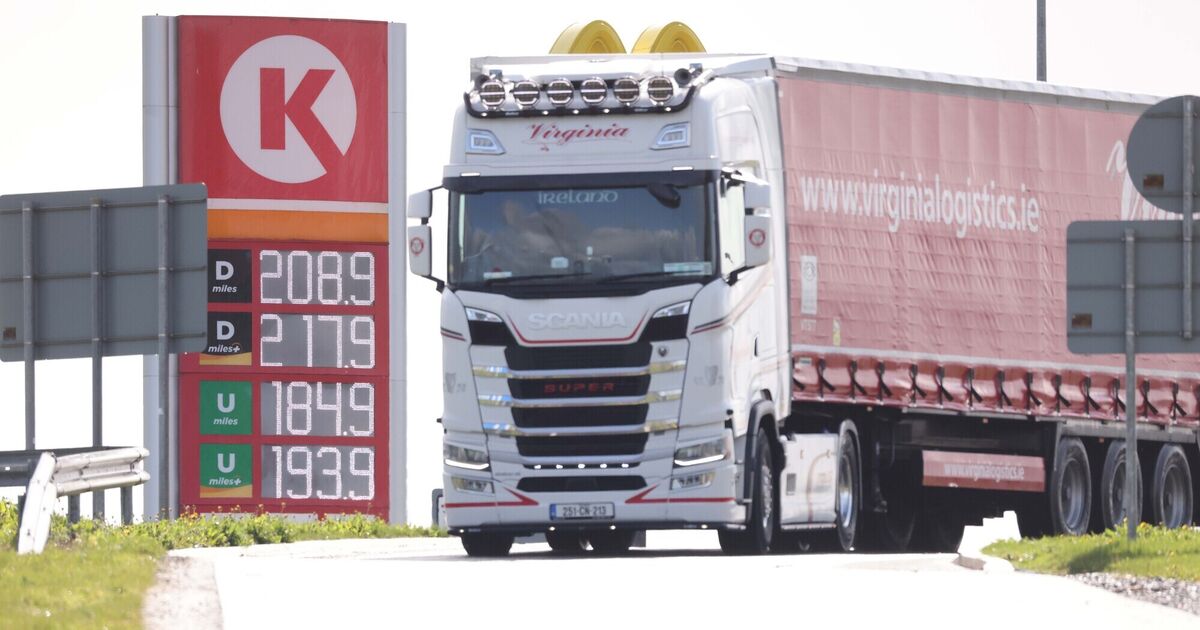
While the cuts by the State had brought prices down somewhat at forecourts across the country, where the cost of diesel had risen as high as €2.30 per litre, about 60c higher than the national average as recently as January, multiple sources from within the motoring industry have said they expect a further hike in prices.
It could possibly be up as much as 15c per litre by Tuesday, leaving the Government’s cuts floundering in the wake of rapid inflation.
More than 50% of the cost of petrol and diesel in Ireland results from excise costs and levies such as Vat and the carbon tax.
The Department of Transport deferred to the Department of Finance on foot of queries from the Irish Examiner as to whether or not last week’s excise cuts had achieved satisfactory results as far as the Government was concerned.
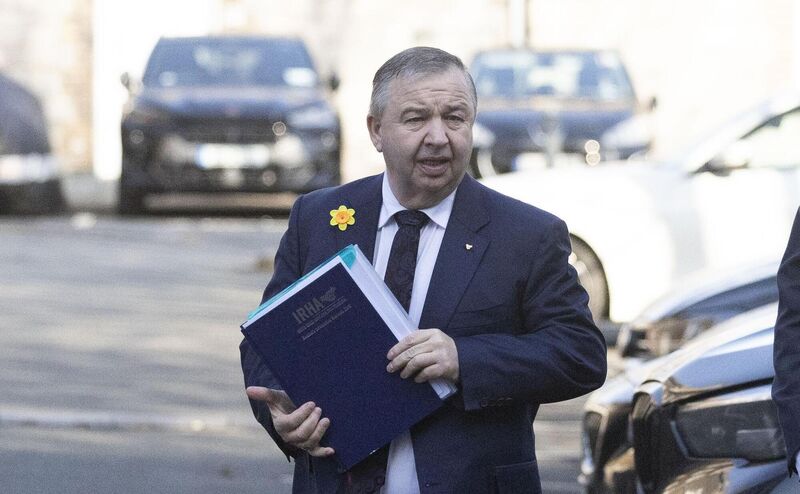 IRHA president Ger Hyland said that while an end to the current Middle East situation is the most necessary action to relieve the growing crisis, the Government will need to consider extreme measures such as a potential cap on fuel prices to see the nation through the worst. File picture: Sam Boal/Collins
A request for comment from the Department of Finance had not been responded to at the time of publication.
Tánaiste Simon Harris on Monday defended the Government’s actions, saying that no administration could or should be expected to cover all the costs of such a crisis.
That argument is not finding much sympathy among hauliers, however.
Mr Hyland acknowledged that his organisation had already informed the Government that meetings between the two sides would become a weekly occurrence as long as the Middle East conflict continues.
“That was our discussion with Government, and they were amenable to it,” he said, noting that the Government “is under huge pressure today from every industry and organisation”.
“It is time now to put on the jersey, suspend the carbon tax, and do whatever needs to be done to support our industry, especially as we are what keep this country rolling,” he said.
“Whether that means the Government puts a cap on the price of fuel until this crisis is over, maybe that’s a consideration. We need to be thinking outside the box here.”
Kevin McPartlan of fuel industry body Fuels for Ireland said he thought the Government’s actions to date had been “reasonable for now”, but added that the moves had been “less fair” to users of home heating oil or those using agricultural diesel for their work, for whom the cuts had been “almost negligible”.
Mr McPartlan said adjustments to Vat may be an option for the Government to ease the crisis further.
“If you’re living on the gas grid in Dublin, you’re paying 9% Vat to heat your home, but if you’re not on the grid and using heating oil, Vat is 13.5%. They’ll say you need EU permission to adjust Vat, but the Spanish managed it last week,” he said.
“We’re paying very high rates for fuel now, which means the Government is collecting more than ever before. They were throwing around words like profiteering and price gouging (regarding fuel retailers), but the only one making lots of money at the moment is the Government,” he said.