Inside Lebanon where Israel is at war with Hezbollah
“Bury me along with your two eyes, my love,” sobbed one of the women crowded around the pale body of 11-year-old Jawad, her face wet with tears.
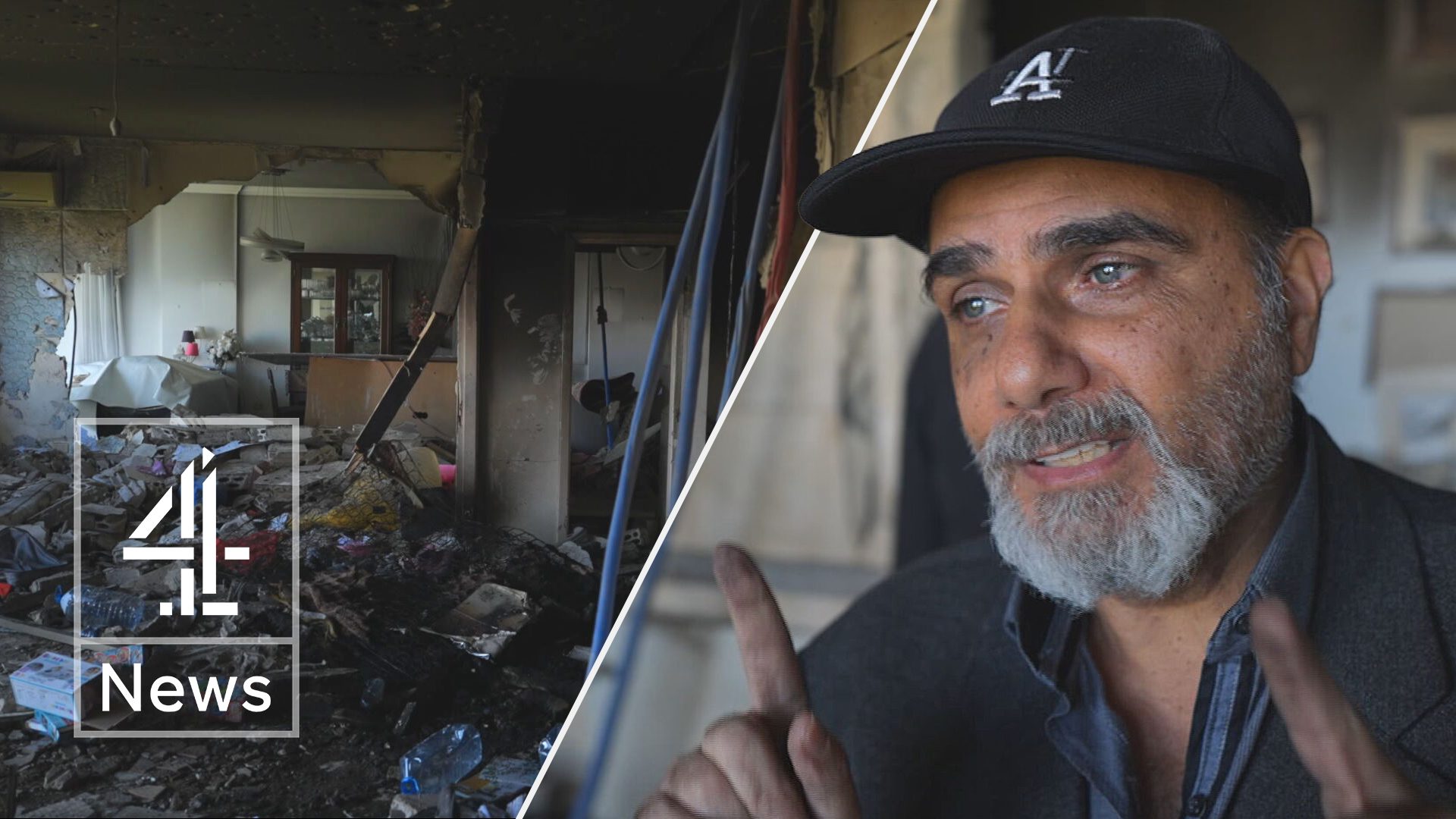
The young boy had been playing football in the courtyard of his large family home in the small Lebanese town of Saksakiyeh when an Israeli missile struck. Also killed was his nine-year-old cousin, Sajed, and the boys’ uncle.
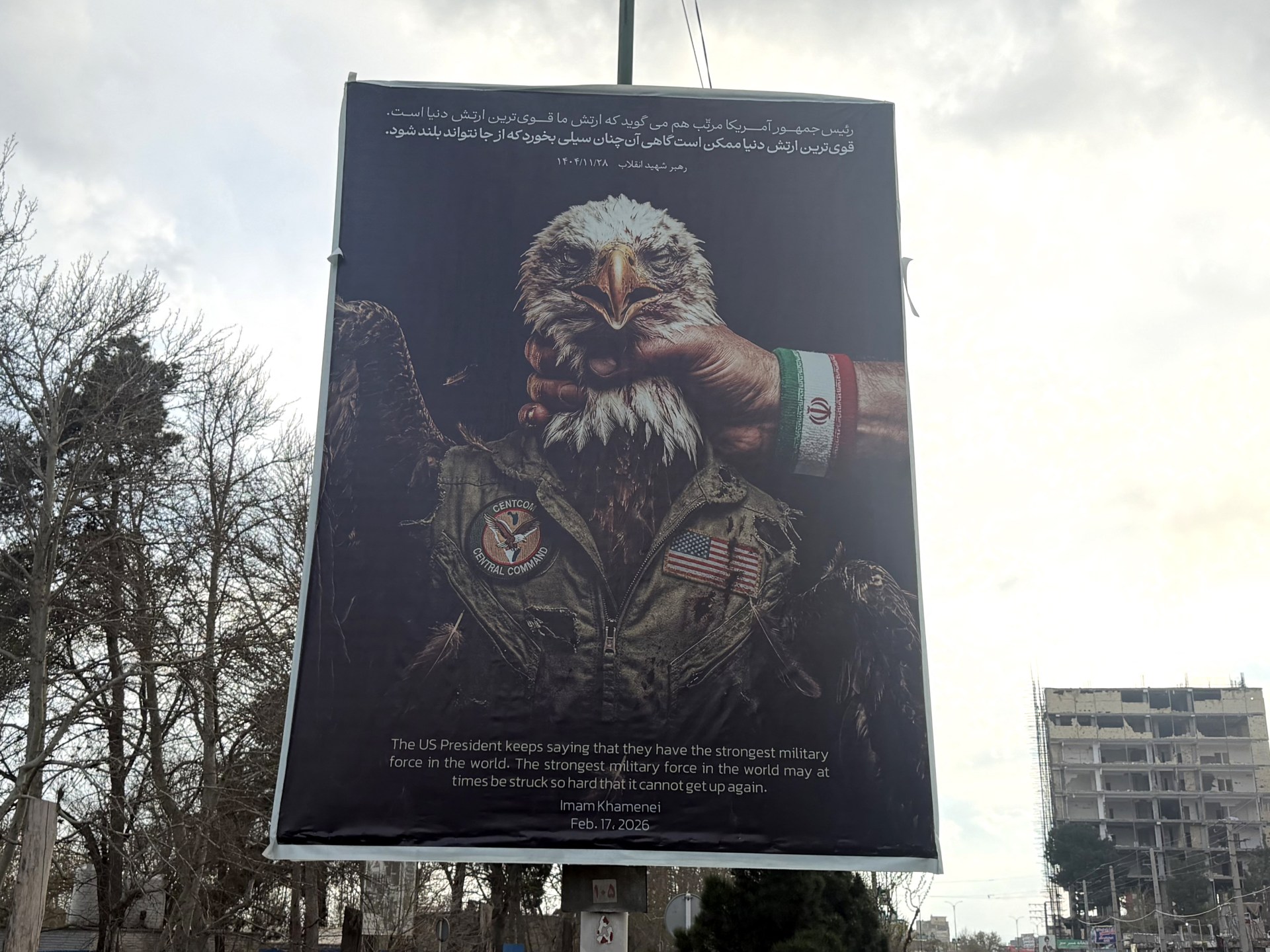
Posters of Hezbollah’s martyred fighters and Iran’s Supreme Leader line the town square, and ideological support for the group is clear – with chants of “death to America, death to Israel” at the funeral – but the family and local residents say there was no military target for Israel to strike.
You’re reading the latest edition of FourGround, a bespoke newsletter brought to you by Channel 4 News’ experienced journalists reporting on the ground from locations across the world.
“There were just children playing football,” Sajed’s father says mournfully amidst the rubble of the home. More than 120 children have been killed by Israel in Lebanon since the war with Hezbollah began. It never really stopped.
This round of fighting started when Hezbollah launched a series of rockets at Israel, following the killing of their ally and sponsor, Iran’s former Supreme Leader Ali Khamenei.
It was a decision met with dismay and outrage by many in Lebanon, who had already witnessed another devastating two-month campaign of Israeli aerial bombardment in the autumn of 2024.
Forced to flee
Hezbollah draws its support from the country’s Shia Muslim population, but even many within the community initially opposed Hezbollah’s actions, knowing it would lead to another massive wave of destruction and displacement.
Now, whilst many Sunni Muslims and Christians remain critical of Hezbollah, Shia public opinion seems to have largely reverted back to standing behind the armed group, no matter the cost.
Around 20% of the country’s population have now been forced to flee their homes by Israeli evacuation orders, the vast majority of them Shias from southern Lebanon, or Beirut’s southern suburbs.
Many are in rented accommodation or public shelters, but there are also large numbers living in tents on the streets of cities further north.
Abbas, a vegetable seller from a village close to the border with Israel, has parked his family’s orange van, pictured above, along Beirut’s glitzy seaside promenade. His three children and wife sleep in the back, whilst he sleeps on the pavement by the side.
But he’s unwavering in his support for “the resistance”, as Hezbollah is commonly referred to here. “It’s a sacrifice for the Sayed,” he says, referring to the group’s former leader, Hassan Nasrallah, assassinated by Israel in 2024.
Hezbollah is much more than an armed group, it’s often referred to as a “state within a state.” It provides social services, has its own TV channel and members of its political party are cabinet ministers within the Lebanese government.
One Hezbollah MP I spoke with, Ibrahim al Moussawi, a thin, sharp former spokesman for the group, rejected the allegation that Hezbollah was sacrificing Lebanon’s interests for the Iranian regime’s, by entering the war.
He cited the hundreds of people killed in Israeli strikes, that continued in the south of the country even after a ceasefire had been agreed in 2024, as the primary justification for resuming hostilities. Israel says those strikes aimed at preventing Hezbollah re-arming south of the Litani River, as the ceasefire decreed.
Occupation
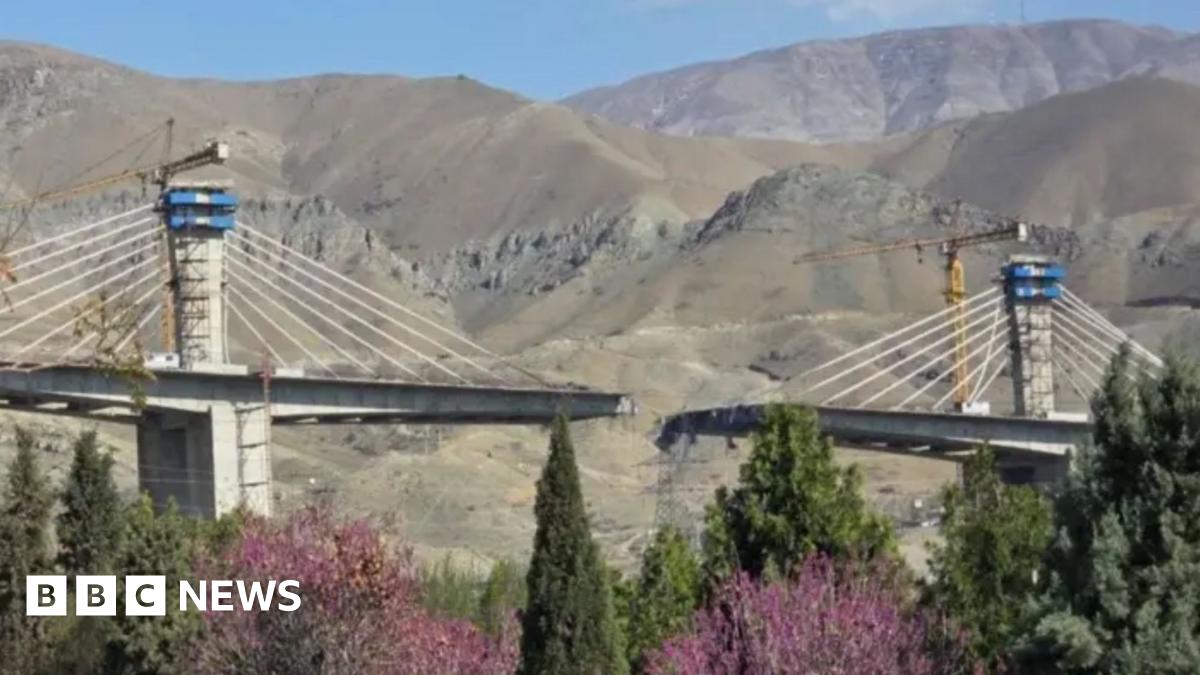
Now Israel has ordered the entire region, which makes up around 10% of the country, to evacuate – and its air force has been bombing bridges connecting it to the rest of Lebanon.
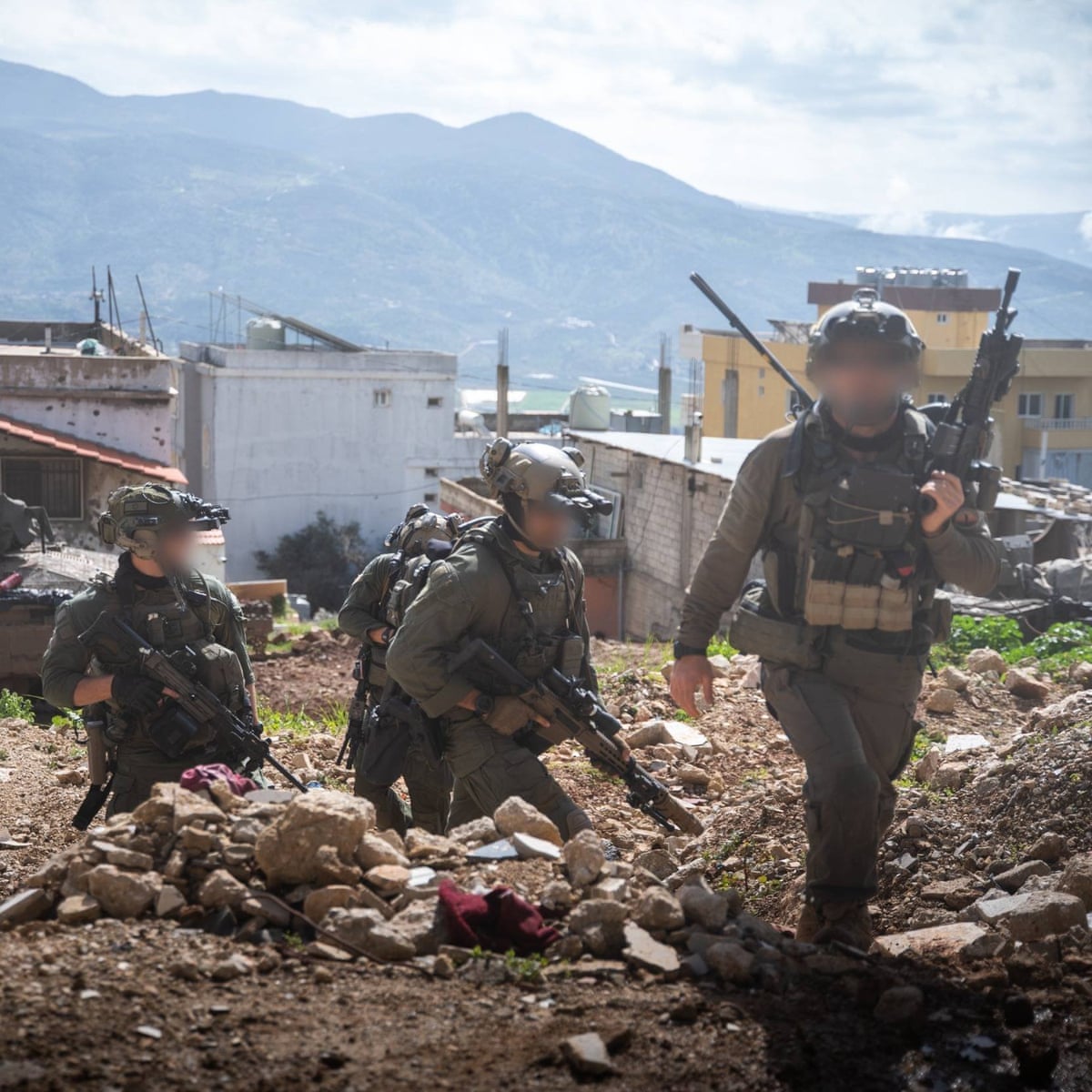
For close to two decades in the 1980s and ‘90s, Israel occupied parts of southern Lebanon. The country’s defence minister has said they plan again to create a “security zone” there, with residents unable to return until Hezbollah is deemed to no longer pose a threat. It was, however, Israel’s occupation that really allowed Hezbollah to flourish in the first place.
Israel looks set on constructing another version of its “yellow line” in Gaza, where it continues to directly occupy more than half of the territory, all bar a handful of residents forced out.
The Israeli army is repeating other patterns from Gaza too – deliberately and repeatedly targeting paramedics and journalists in strikes, emboldened by the lack of concerted international action against it, despite the allegations of war crimes.
Some in Lebanon, however, view Hezbollah as the primary threat. In one Christian village, close to the border with Israel, the local mayor told me the local men gather each night to ensure the group don’t use their land to fire rockets at Israel – inviting Israel’s wrath upon their homes.
That’s still not enough to guarantee security, with the village priest killed in a “double-tap” Israeli strike earlier this month.
War deepening the divides
The anger we encountered in our conversations in the village, however, focused on Hezbollah. “Israel is fighting terrorists, remember that,” one heavily-built local man told me.
Lebanon is a country with many different faiths and this war is deepening the divides.
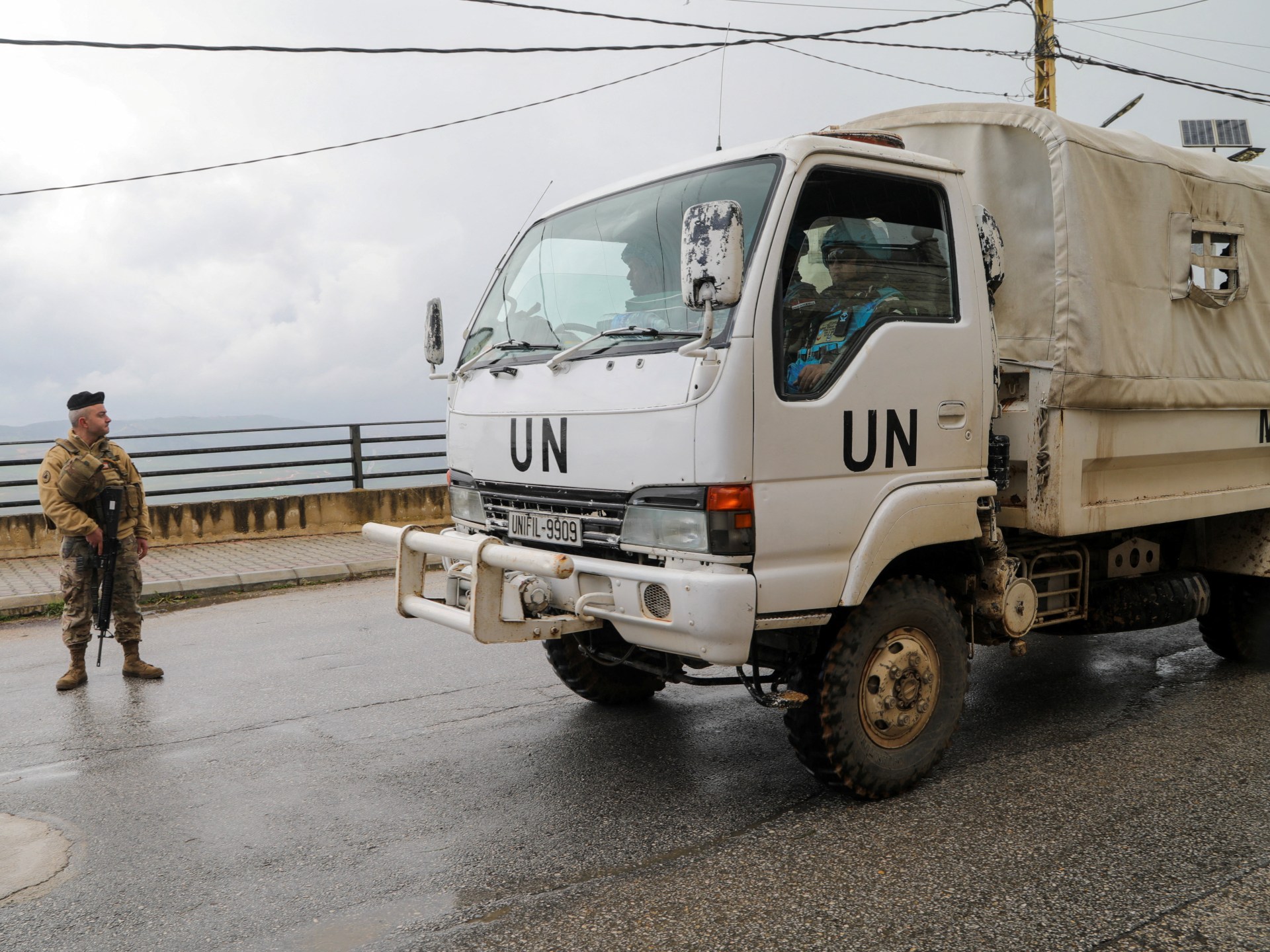
Perhaps Israel hopes the force of its attacks will turn non-Shias, and even many Shias, against Hezbollah. Lebanon’s government has already outlawed the group’s military activity, but it is far too weak to actually disarm it. Nor can the government do anything to stop Israel’s assault.
Two residents of the southern city of Tyre told me, in private, many more Shias are still resentful of Hezbollah’s decision to enter the war, though they fear saying so publicly.
Most I spoke to said, after initial doubts, the scale of Israel’s attacks, and the way Hezbollah fighters are fiercely resisting on the ground, led them to support the war.
There’s a deeply-held belief that Israel wants to occupy southern Lebanon, irrespective of Hezbollah’s actions, driven by experience of the earlier occupation and its abuses.
Certainly, powerful far-right, settler politicians in Israel see land in Lebanon as part of a historic “Greater Israel”, but a desire to brutally quash any possible threat – unrestrained by international law, caring little how many civilians are killed, how many families are forced from their homes – seems Israel’s primary motive.
Israel can blame Hezbollah for starting this war, Hezbollah can blame Israel for not ending the last one. What’s most important now is that there is immense suffering in Lebanon and there seems little international focus on bringing it to an end.
Thanks for reading the latest edition of our FourGround newsletter. Subscribe below to keep up to date with Channel 4 News on Substack.


Comments (0)