Global inflation pressures persist as energy costs rise
Central Bank of Kenya: PHOTO/@CBKKenya/X
Global inflation pressures continued to rise in recent weeks as energy costs increased amid geopolitical tensions and supply disruptions in key oil transport routes.
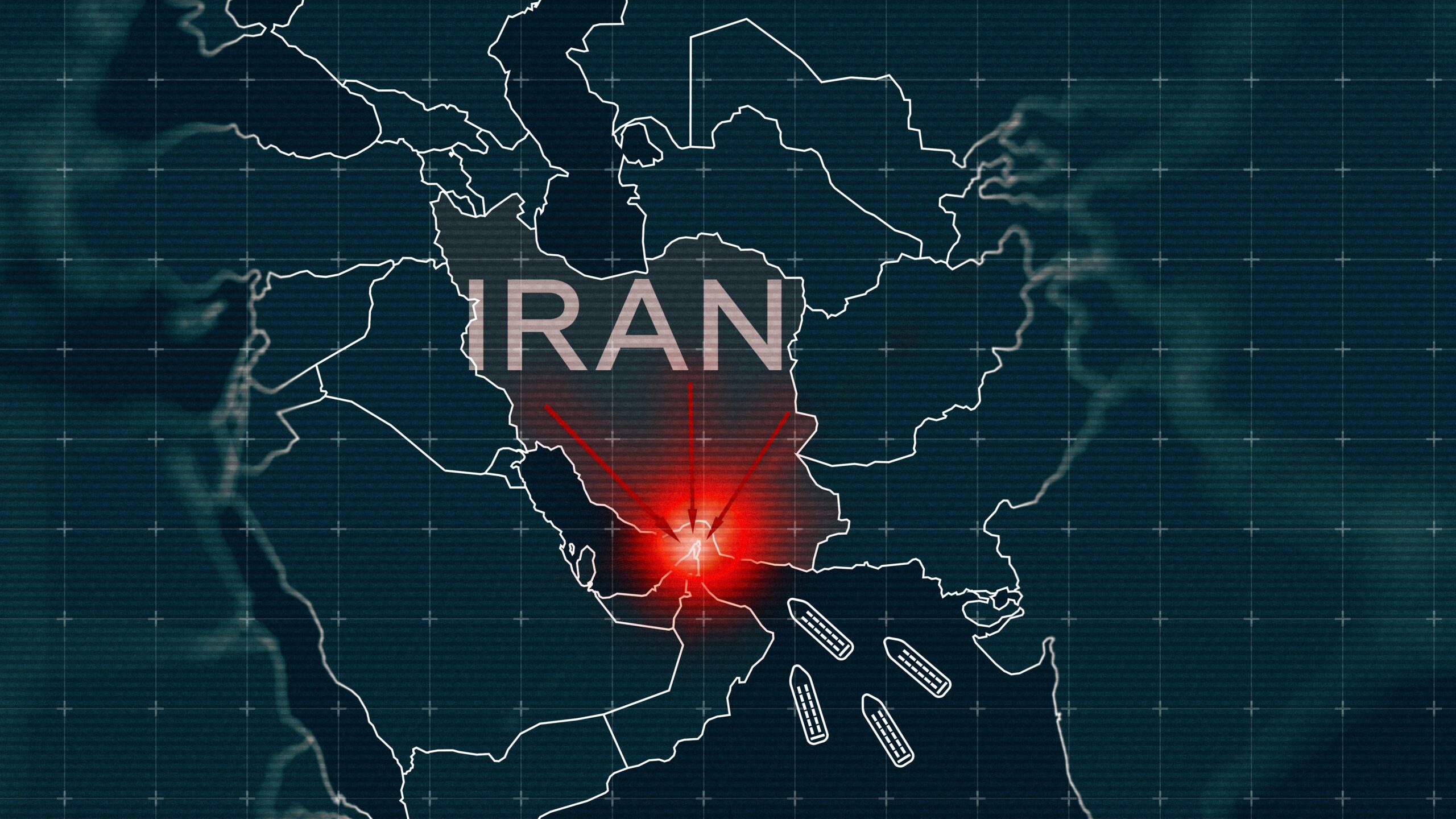
The ongoing closure of the Strait of Hormuz, a major global oil transit route that carries about one-fifth of the world’s oil supply, has heightened concerns in international markets and pushed energy prices upward.
Rising oil prices have continued to influence inflation trends in several economies, with analysts warning that prolonged disruptions in energy supply routes could push global inflation higher.
“Inflation concerns persisted during the week amid ongoing geopolitical risks and rising energy prices. In the euro area, headline inflation increased to 2.5 percent in March 2026, up from 1.9 percent in February, driven by higher energy costs,” part of the CBK bulletin reads.
Europe records inflation increase
You Might Also LikeIn the euro area, headline inflation increased to 2.5 per cent in March 2026 from 1.9 per cent in February, largely driven by rising energy costs.
Energy component inflation turned positive at 4.9 per cent after earlier declines, contributing to the overall increase in inflation and pushing it above the European Central Bank’s 2 per cent target.
Core inflation, which excludes volatile energy and food prices, eased slightly to 2.3 per cent. Analysts indicate that sustained increases in energy prices could contribute to higher global inflation levels.
CBK X post. PHOTO/A screengrab by PD Digital@CBKKenya/X
Oil markets also reflected the impact of supply concerns linked to the Hormuz disruption. Murban crude traded at about Ksh11,550 per barrel on April 1, 2026, compared with about Ksh12,640 per barrel recorded on March 26.
Despite fluctuations, prices remained relatively high amid continued concerns over global oil supply.
Kenya markets show resilience
In Kenya, the Central Bank of Kenya (CBK) Weekly Bulletin for the week ending April 2, 2026, indicated stable economic conditions despite global developments.
Headline inflation increased slightly to 4.4 per cent in March 2026 from 4.3 per cent in February. Core inflation remained stable at about 2.1 per cent, while non-core inflation, which includes food and energy prices, recorded some volatility.
The Kenyan shilling remained relatively stable during the week, trading at about Ksh129.99 against the US dollar as of April 2. Foreign exchange reserves stood at about Ksh1.77 trillion as of April 1, equivalent to about 5.8 months of import cover.
The Kenya Shilling Overnight Interbank Average Rate (KESONIA) averaged about 8.74 per cent during the period.
NSE activity and bond trading
Activity at the Nairobi Securities Exchange recorded moderate gains during the week.
The NASI increased by 1.45 per cent, while the NSE 25 index rose by 2.52 per cent and the NSE 20 gained 0.96 per cent. Market capitalisation increased by 2.21 per cent during the week, while the total number of shares traded rose by 0.15 per cent.
Equity turnover, however, declined by 15.92 per cent. Bond turnover in the domestic secondary market increased by 11.87 per cent during the period.
Yields on Kenya’s Eurobonds also increased by an average of 48.69 basis points, reflecting broader movements in emerging markets.








Comments (0)