
Remember me

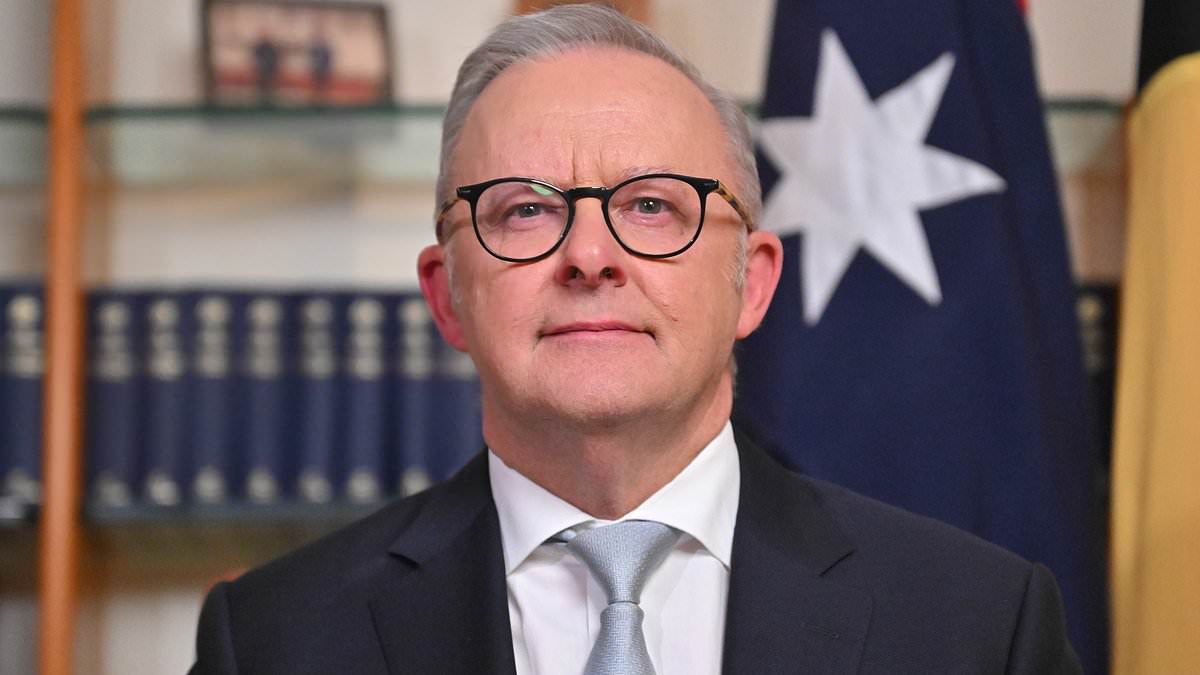


Anthony Albanese hasn't suddenly become a great prime minister because of the fuel crisis.
But it has forced him to act like a leader under pressure, and on the evidence so far, he's handled it better than many might have expected.
The government's first major intervention came after the March 30 national cabinet meeting, when it announced a three-month halving of the fuel excise from 52.6 cents a litre to 26.3 cents, alongside a three-month reduction of the heavy vehicle road user charge to zero.
Albo has spent too much of his prime ministership looking smaller than the office, saved only by an unpopular and divided opposition.
Early on, the risk for Albo during the current fuel crisis was that the public would conclude he was merely reacting to events, which is never a good look for a leader who already carries more than a hint of passivity about him.
But after a shaky start, the PM has done all the right things to substantively manage this situation. Earlier in March, Labor had already relaxed fuel quality standards for two months, a move that added 100 million litres a month to domestic supply.
Yes, the opposition pushed for an excise cut first, but it couldn't help tying the cut to slicing funding out of ideologically contested green initiatives, such as scrapping the Fringe Benefits Tax exemption for electric vehicles, cutting green hydrogen projects and freezing the home battery scheme.
Albo was never going to do any of that, but he didn't let that context prevent him from instituting an excise cut simply because the Opposition suggested it first.

Anthony Albanese didn’t become a great leader overnight - but the fuel crisis forced his hand, and the Prime Minister has stepped up under pressure, rolling out tax cuts and supply measures to steady the nation, writes PVO
Treasurer Jim Chalmers had said only days earlier that Labor wasn't considering such a move, but Albo tossed him to the curb, which was the right thing to do.
The PM halved the fuel excise, then pushed the states and territories to give up the GST windfall that higher prices would otherwise have handed them.
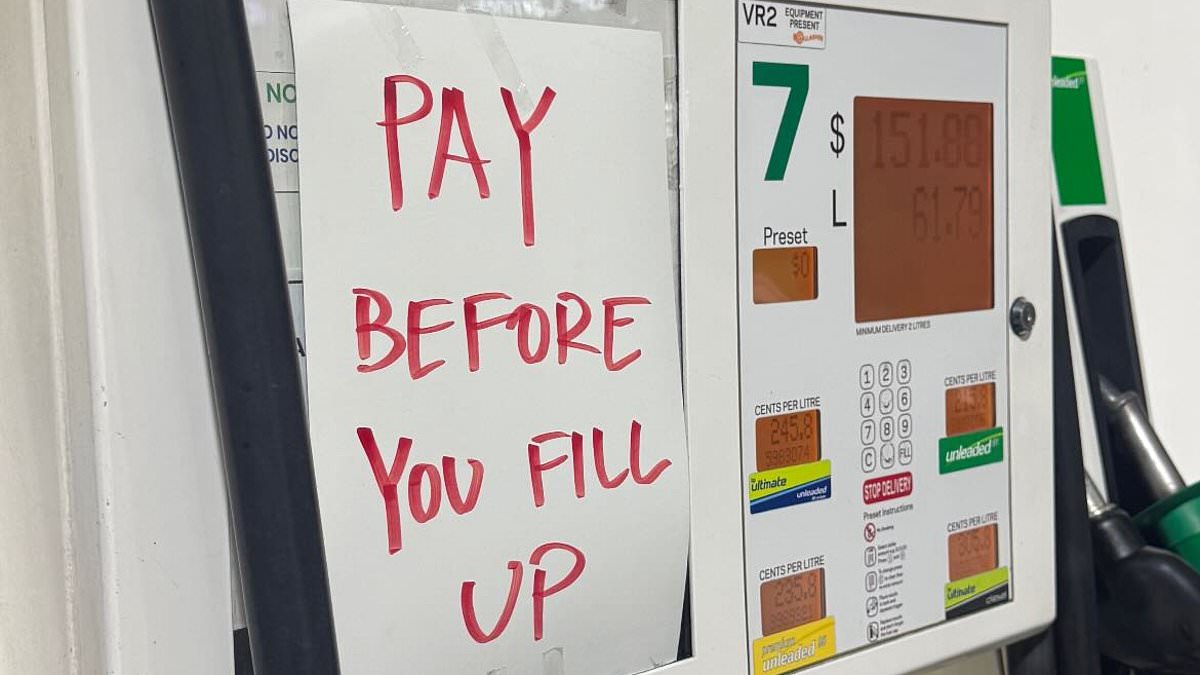
That took the total reduction to 32 cents a litre - meaningful for ordinary motorists.
The extra GST agreement with the states and territories was worth about 5.7 cents a litre on top of the 26.3-cent excise reduction, cutting almost $23 from the cost of filling an average tank.
Just as importantly, the government has not treated the excise cut as though announcing it was enough.
The ACCC was put on notice to make sure retailers passed it on. There is no point boasting about relief if the market pockets the benefit.
By leaning on the regulator and making clear that fuel companies would be watched closely, the government showed it understood that policy design and policy delivery are not the same thing.
Across the Tasman, prices have become much more prohibitive for ordinary motorists, with fewer direct measures to cushion the blow.

As fuel prices bite, Anthony Albanese has moved to halve excise and secure supply
Australians are not exactly cheering at the bowser, and no sensible commentator would pretend this crisis has been pain-free.
But there is a reason the mood here has shifted from panic to frustration, while in New Zealand the problem looks even more punishing for households.
The more impressive part of Albo's handling of this crisis so far has been on the supply side.
Making sure we don't run out of fuel is more important than keeping prices down. Australia's vulnerability is structural. We import most of our refined fuel — around 90 per cent - and we have spent years leaving ourselves exposed to exactly this sort of external shock.
At the height of the squeeze, the government pointed out that Australia had reserves covering 39 days of petrol, 29 days of diesel and 30 days of jet fuel, underlining just how thin the margin for error had become.
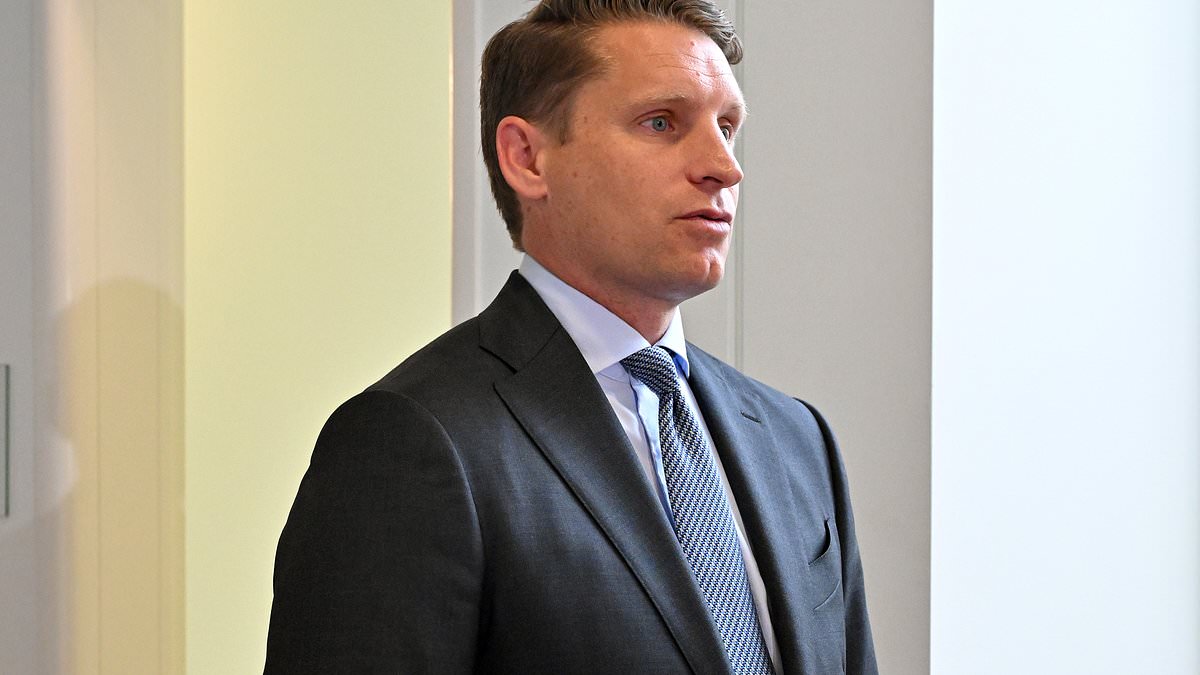
Albo didn't create this weakness. In fact, our fuel reserves are as low as they are because, when he was Energy Minister, Angus Taylor lowered the savings threshold.
The government's effort to secure supply from Singapore and get broader assurances from regional partners is the difference between flailing and governing. Energy Minister Chris Bowen has been able to point to contracted volumes coming in through April and into May.
Meanwhile, the opposition leader has been reduced to glib photo ops, pumping petrol with colleagues gathered around the bowser, looking on as though they are worried he might be putting petrol into his diesel engine.
Which PR flack decided that was a good stunt? The optics fail was compounded by the fact the government had already moved on excise, state GST and supply guarantees.
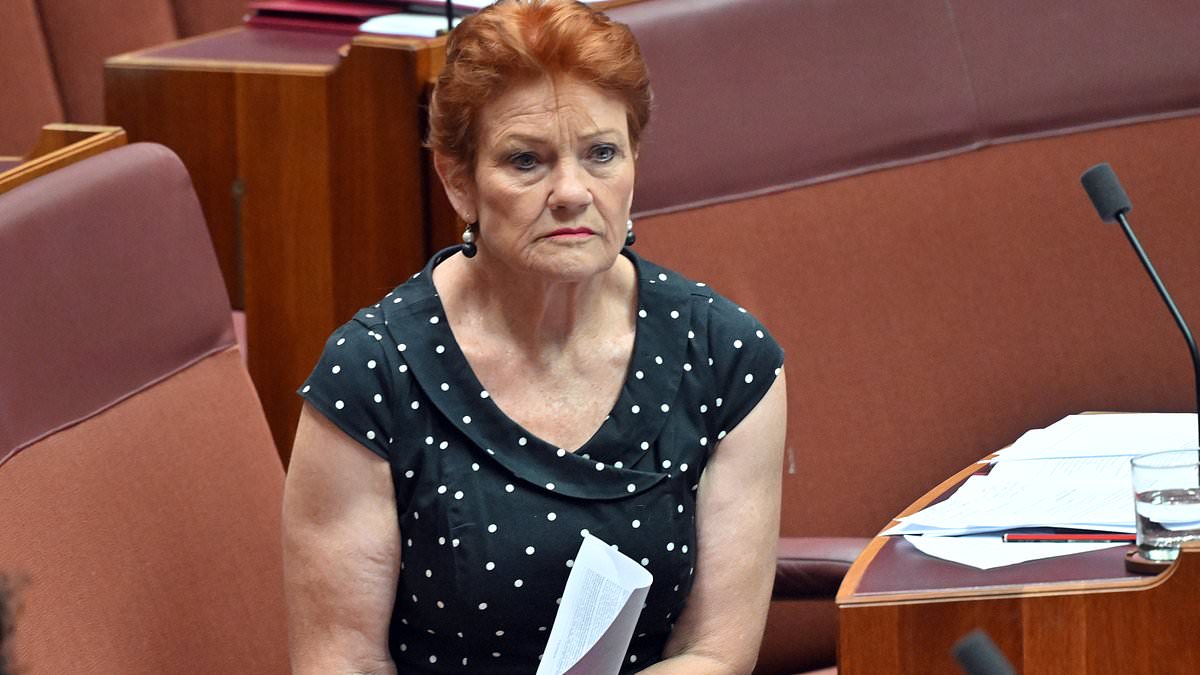
Even One Nation has failed to get the traction it might once have expected from a cost-of-living crisis tied to national vulnerability and elite failure.
Usually, a moment like this should be fertile ground for populists. Instead, the PM has been active enough, visible enough and practical enough with his actions to stop the crisis becoming a political failure too.
That doesn't mean Albo has suddenly redrawn the political map. Labor's primary vote polling and the PM's personal support continue to be weak, even if the opposition's standing in the polls is much worse.
But Albo's handling of the fuel crisis has denied his opponents the political opening they badly needed.
Comments (0)