
Remember me
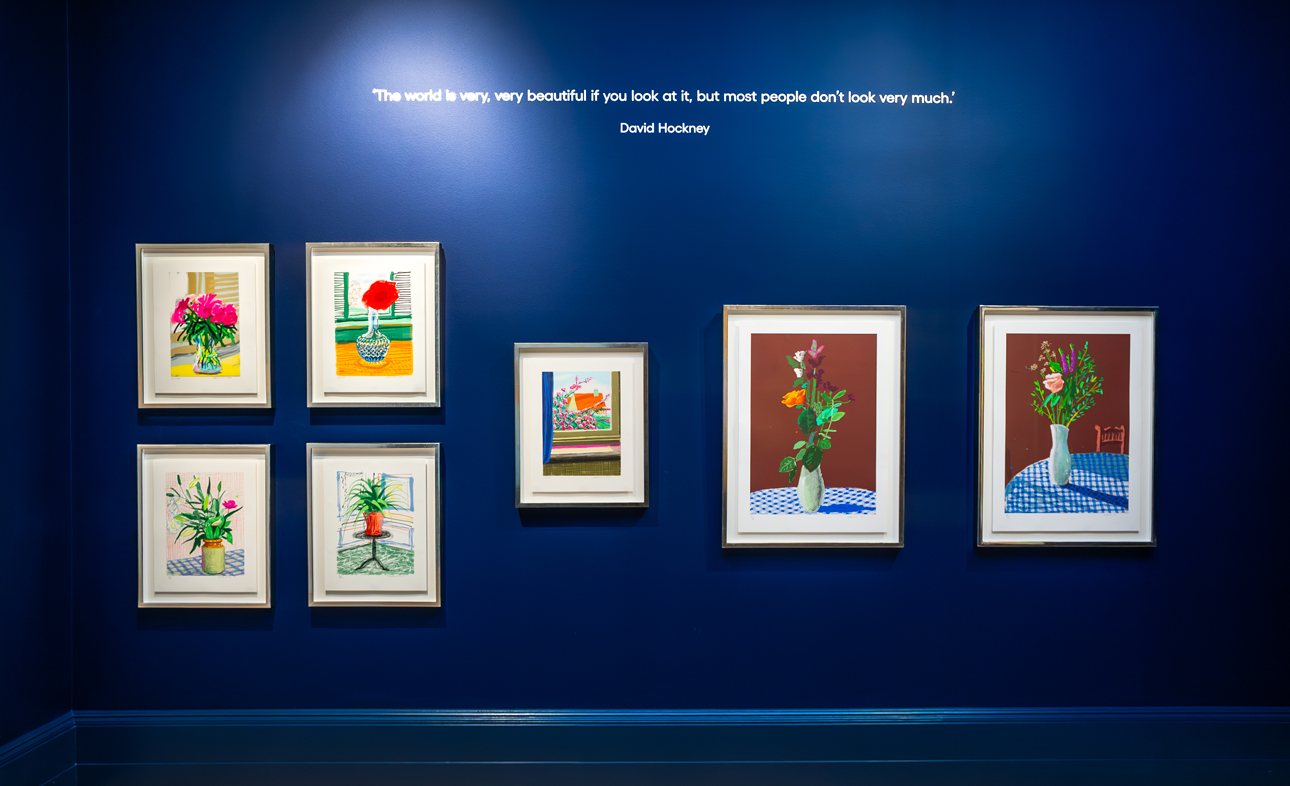
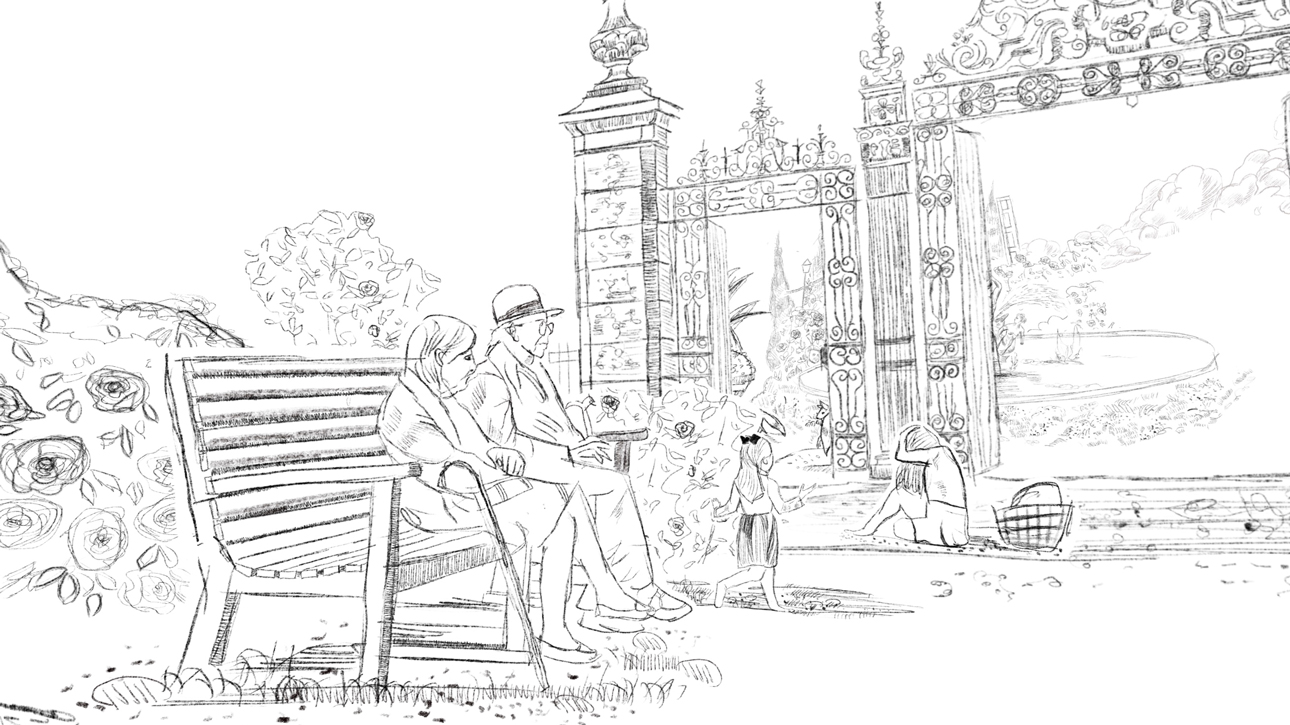
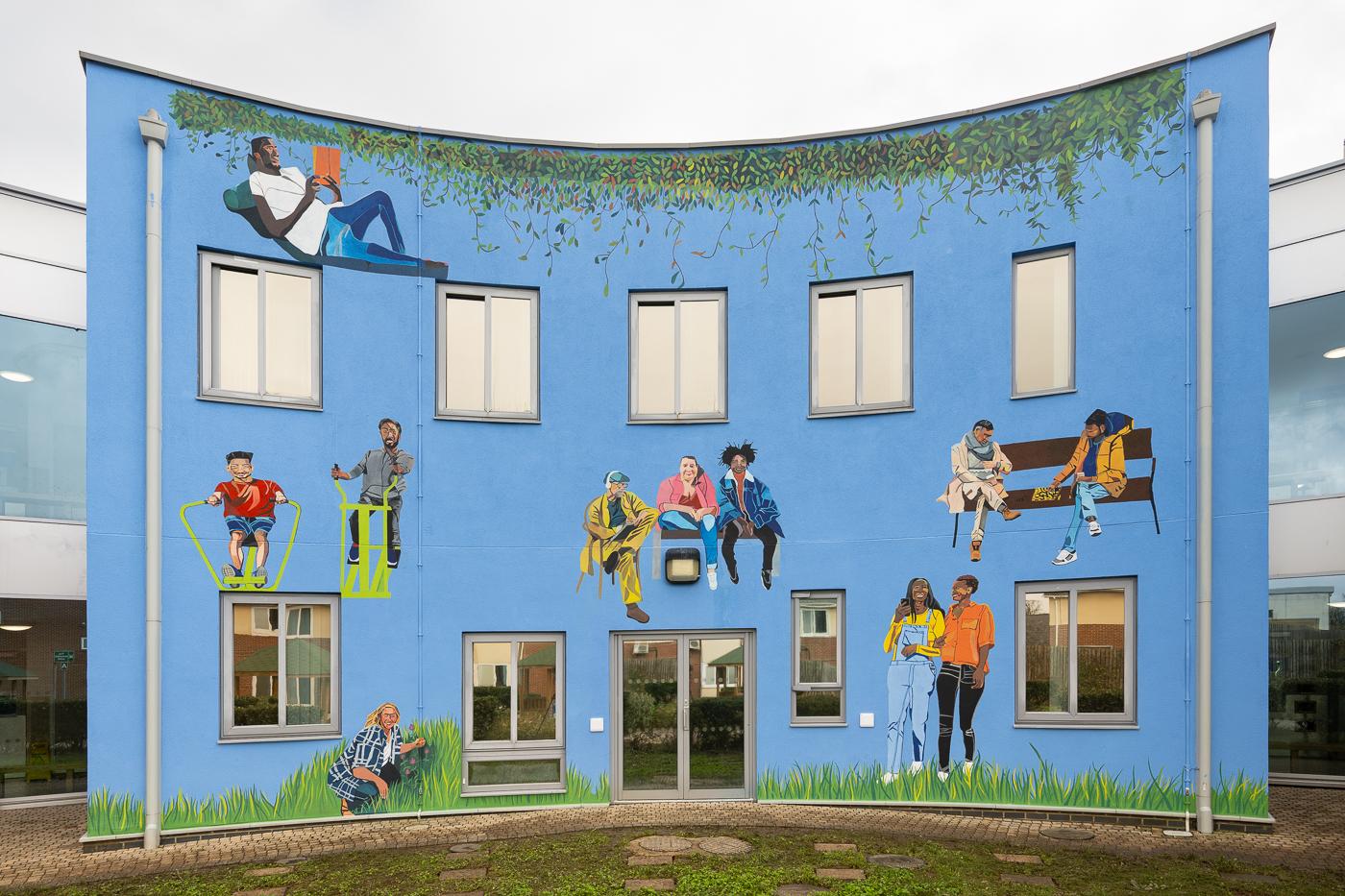
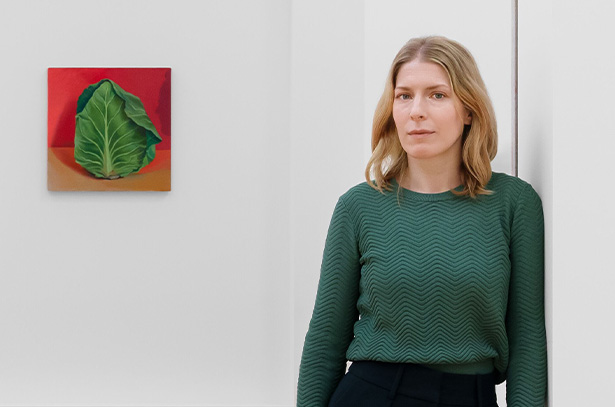

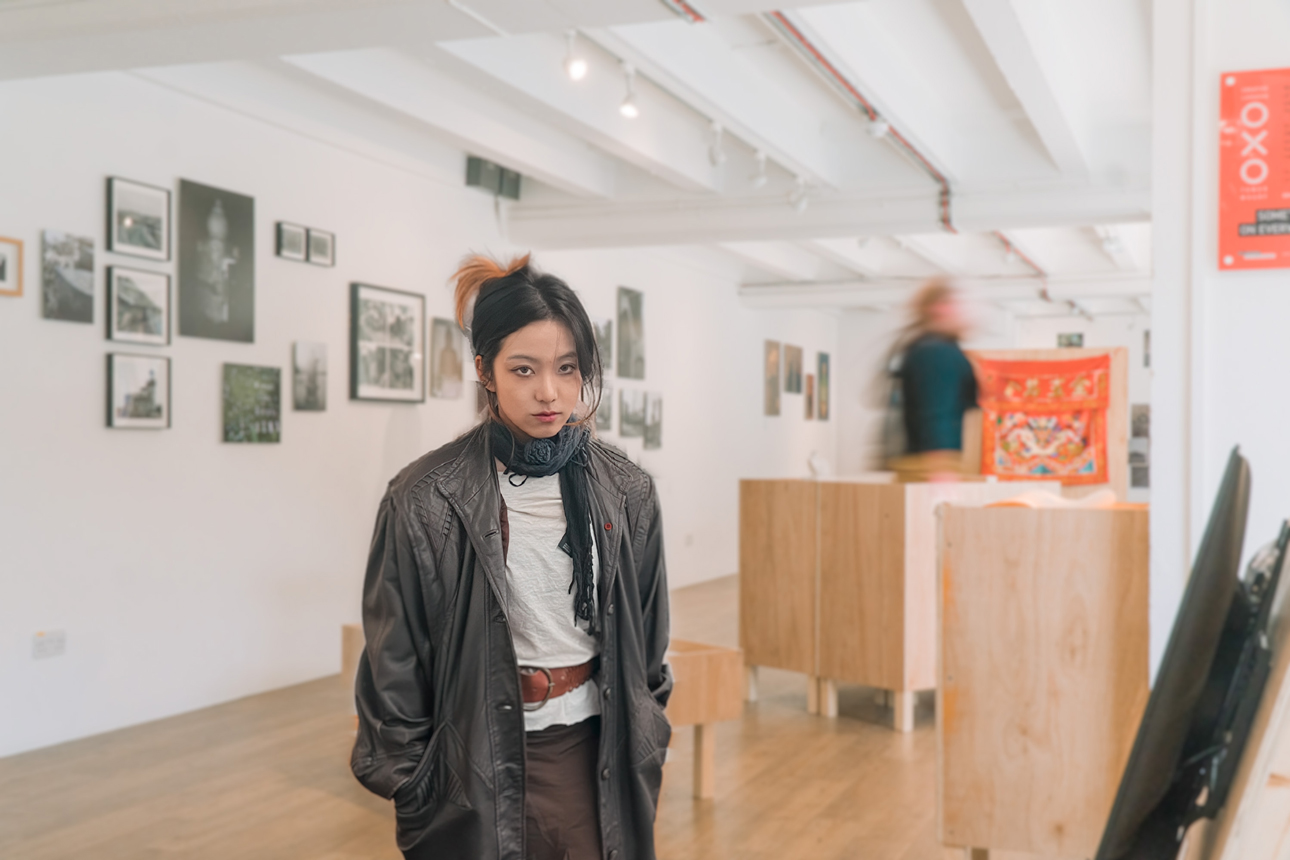
Jingyi Tong works in a familiar corner of contemporary art: the space where curating, research and social practice converge. Based in London, she describes her work through the intersecting languages of diaspora, embodiment, memory and spatial experience. Her projects move between exhibition-making, installation and collaborative research, often drawing on migration, domestic ritual and collective storytelling as both subject and method.
It is a practice that is intellectually legible from the outset. Tong’s training, which spans material science and spatial design, gives her a profile that fits neatly within the current emphasis on interdisciplinary practice. She is not a studio artist in any conventional sense. Rather, she operates as a curator-spatial practitioner, using space as a medium through which social histories can be staged, translated and re-framed.
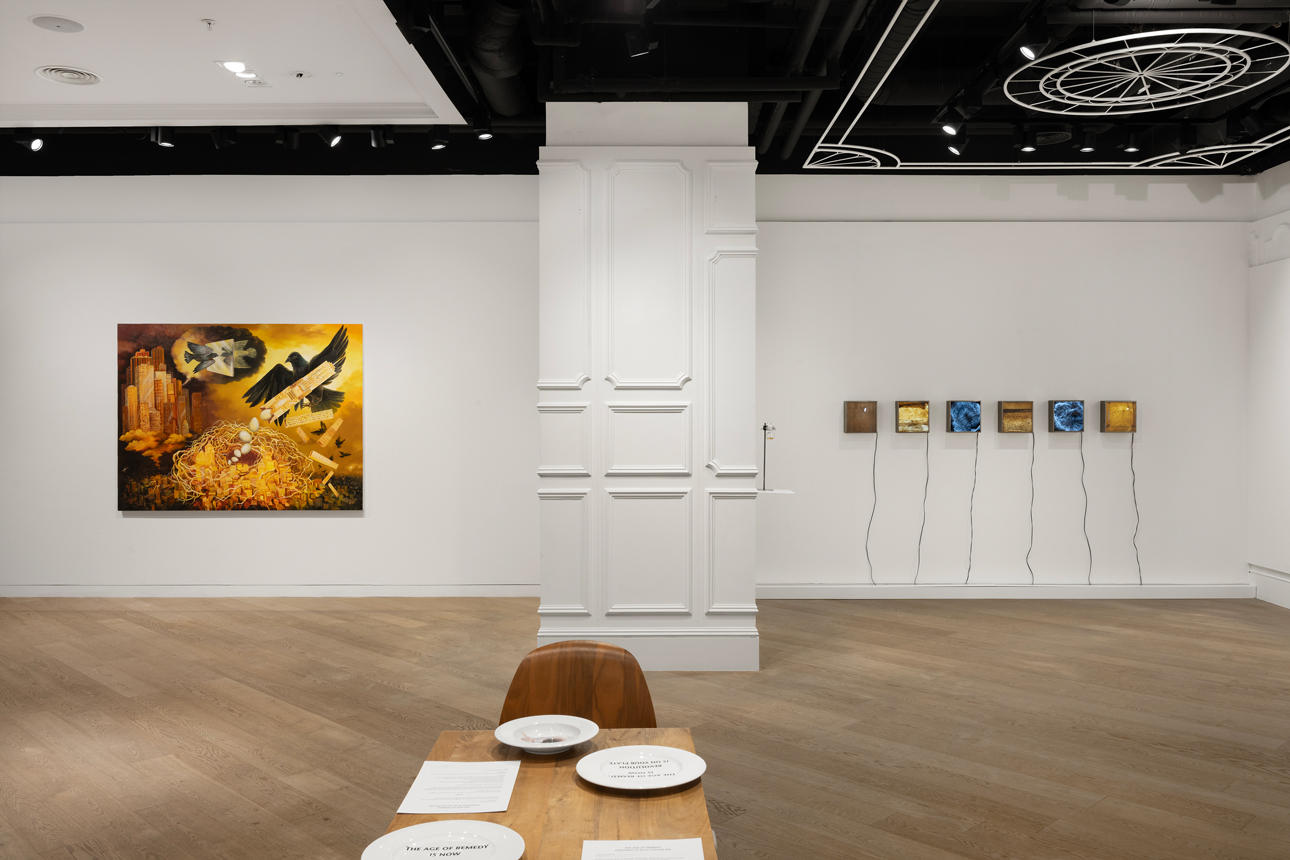
 Living Spirits: Bai Craft and the Art of Nature — London Craft Week 2025, Cromwell Place Courtesy of Jingyi Tong
That framing is coherent. It is not always enough.
Projects such as Fluid Sample in Melbourne and Living Spirits at London Craft Week place Tong within a well-established field of internationally minded curatorial practice, one concerned with cross-cultural exchange, diasporic identity and the exhibition as a site of encounter. The themes are timely, and Tong handles them with fluency. But they are also themes that now circulate so widely through biennials, festivals and public programmes that they can arrive already insulated from scrutiny.
One of the central questions her work raises is whether these ideas are being materially tested, or simply competently restaged. Tong is at her most persuasive when her research stays close to the social grain of everyday life.
 Camberwell Mapping Project Floating with A Yi — Camberwell Art Festival
 The Camberwell Mapping Project, which traces the domestic labour and culinary knowledge of Asian migrant women in south London, is the strongest example. Here, food, recipes and kitchen routines become more than symbolic gestures towards heritage. They register labour, repetition, intimacy and adaptation. The project suggests a more pointed and grounded line of inquiry than some of the broader curatorial claims elsewhere in her portfolio. It is in this terrain, where migration is read through ordinary practices rather than abstract identity, that Tong’s work gains critical traction.
By contrast, the language surrounding much of her practice remains heavily indebted to the dominant idiom of contemporary curating. Terms such as “relational aesthetics”, “critical mapping” and “shared meaning-making” promise methodological rigour, but they can also flatten the distinctiveness of individual projects. In Tong’s case, the conceptual scaffolding is often more visible than the formal resolution. One understands the discourse in which the work wishes to participate, but not always the precise aesthetic decisions that would make one project stand apart from another.
 Field Notes
 This is especially significant because Tong’s work depends so heavily on space. To claim that an installation is immersive or sensory is not, in itself, a critical description. What remains less clear across several projects is how space is being shaped beyond the level of curatorial intention. The materials, rhythms and visual logic of the installations are often subordinated to the language of participation and memory. As a result, the work can feel more argued than fully realised.
There is also a familiar tension in the way authorship is distributed. Tong’s practice is consistently presented as collaborative and community-oriented, often developed with researchers, artists and participants. Yet the structure of attribution remains firmly centred on her role as curator, organiser and conceptual lead.

 Floating
This does not invalidate the collaborative dimension, but it does expose one of the contradictions that runs through much socially engaged art: participation is invoked, while authorship remains largely consolidated.
Institutional framing further shapes the reception of the work. Tong’s profile is built through festivals, cultural foundations, embassy-linked commissions and research partnerships. These affiliations establish visibility and professional legitimacy, but they also do some of the persuasive labour that the work itself should carry. The fact of being commissioned or funded is not the same as demonstrating formal or critical consequence. In several cases, the institutional context appears more fully articulated than the actual visual or spatial experience of the project.
Still, Tong should not be dismissed as simply rehearsing the approved vocabulary of socially engaged practice. There is a serious and thoughtful commitment in her work, particularly in projects attentive to women’s labour, vernacular memory and the social use of domestic space. When she focuses on these subjects with precision, her practice becomes less rhetorical and more probing. The work begins to ask sharper questions about whose histories are made visible, and under what terms.
 Living Spirits: Bai Craft and the Art of Nature — London Craft Week 2025, Cromwell Place
 What remains unresolved is whether Tong can develop a stronger formal language equal to her conceptual concerns. At present, her projects often derive authority from their themes before they establish it through form. The challenge ahead is not to step away from the politics of diaspora, care or participation, but to render them with greater visual and spatial exactness.
Tong’s practice is serious, informed and responsive to the cultural pressures of the present. But its most compelling moments come not when it speaks in the broad dialect of contemporary curating, but when it attends closely to the minor, material and lived dimensions of migration. That is where the work feels less like a proposition and more like an argument.
©2026 Jingyi Tong
Contributing writer at Art Plugged chronicling contemporary art’s beautiful mess, when he can get there. Now edging behind the camera, making insightful documentaries about artists and the work that haunts them. Survives on openings, opinions, one gallery, one artwork at a time. Considers espresso a meal.
Comments (0)