
Remember me

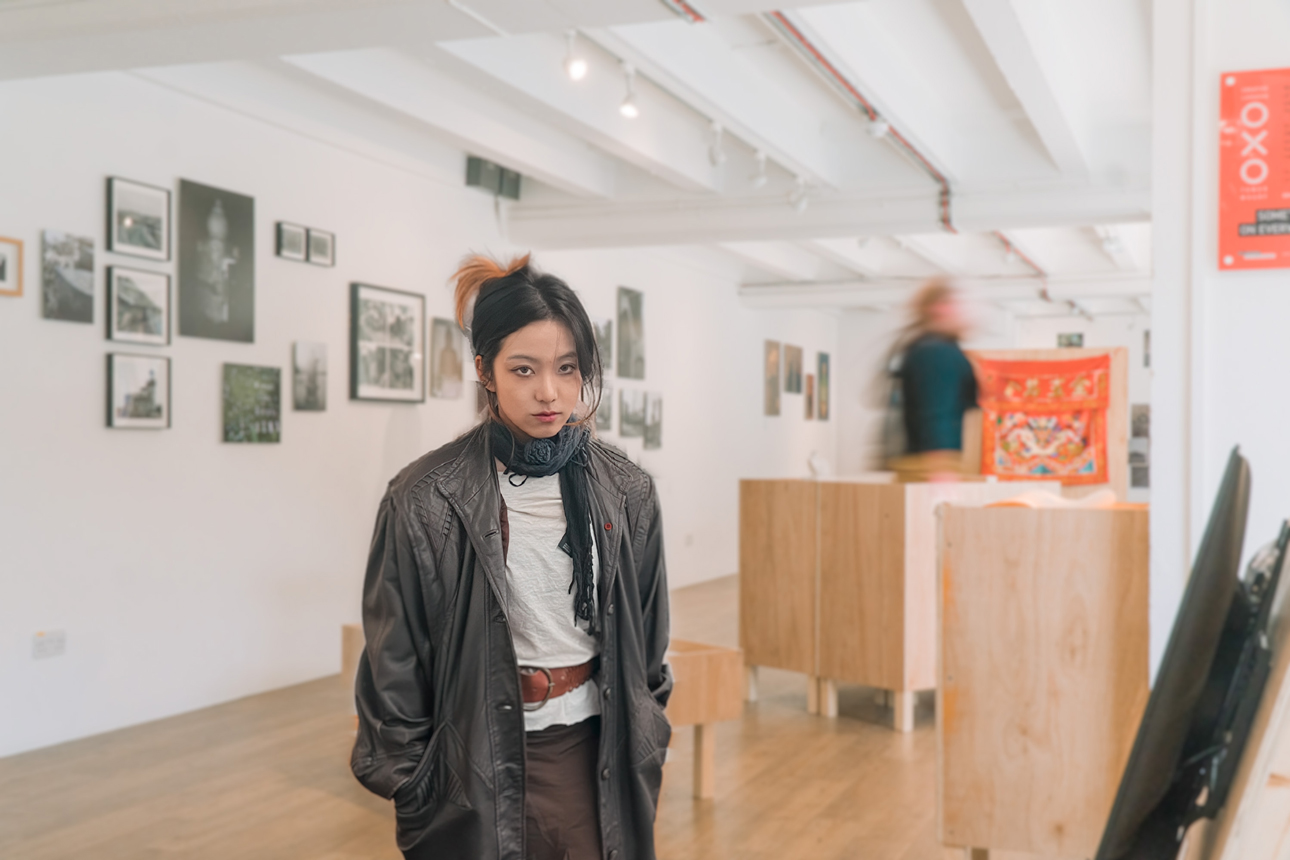
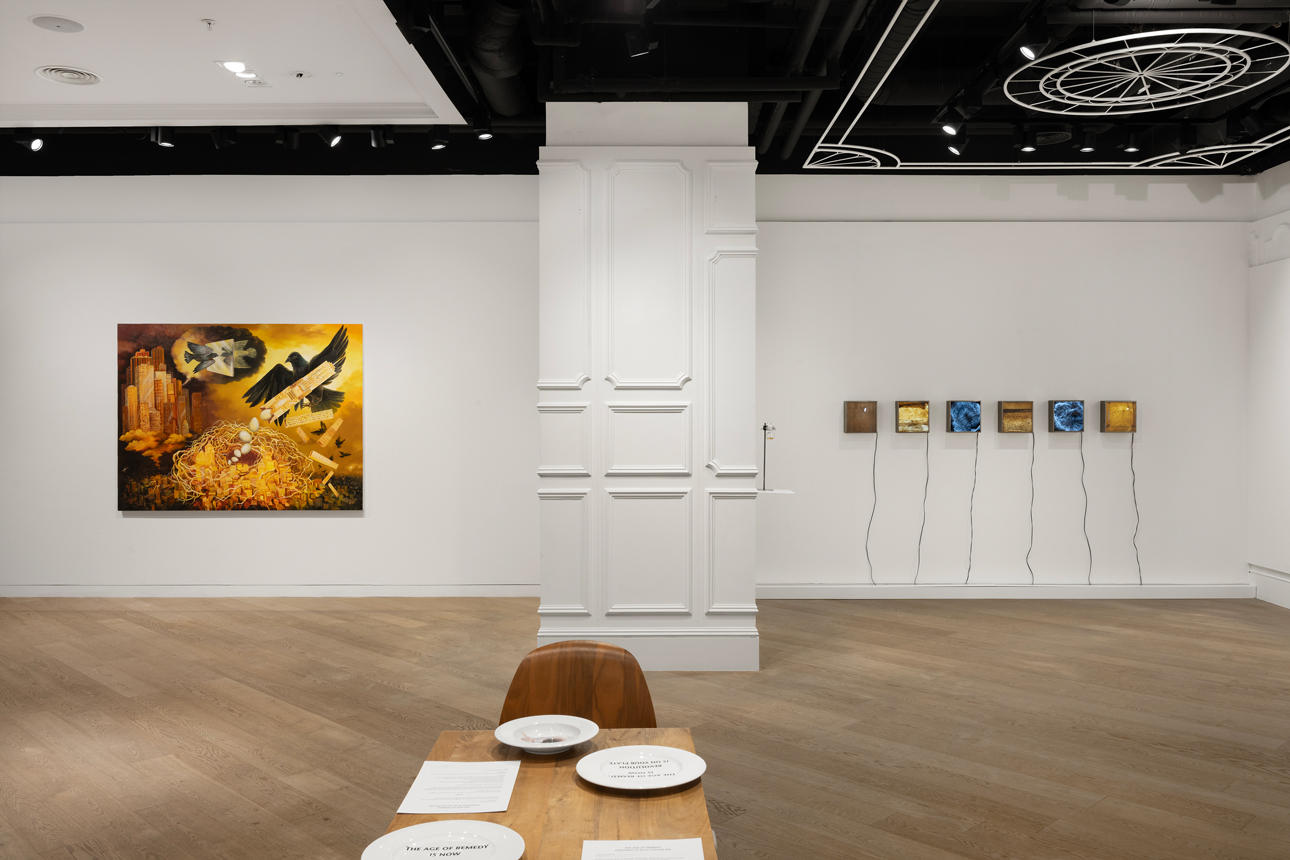
I’ve always had a fond love for animation for its ability to drift you into fantasy while casting a sharp light on reality. That elasticity makes it a fitting medium for London-based artist Junying Jiang, whose work is shaped by distance: between countries, between selves, between what is felt and what can be said plainly.
Born in China and based in London, the artist has built a practice around that unstable ground, embracing digital illustration, animation and sound to explore identity, memory and cultural translation. His subject is not simply migration or belonging. It is the pressure of living between systems of feeling, behaviour and meaning.
This tension gives his work its shape. A still image can hold atmosphere, but it cannot always carry the drift of memory or the unease of in-between states. Projects such as Kingdom of Atlantis (2024) and Once Upon a Time (2025) suggest an artist moving beyond image-making in the narrow sense and towards narrative environments where sound, motion and mood do as much work as the picture itself.
 Joy Blooms in Regent’s Park
 What makes Jiang interesting is not the novelty of the medium. Digital art is now well established, and myth has long been a familiar escape route for artists wanting to fold autobiography into symbolism. What gives his work its charge is the way he uses those devices with some discipline. Jiang is not chasing fantasy for its own sake; he uses it to get at emotional facts that would feel thin or over-explained in literal form. His own account of beginning with feeling rather than plot is revealing.
The work starts, he says, when a mood condenses into a single image: a character, a gesture, a patch of light. That process is visible in the work itself. Jiang tends to build outward from an emotional nucleus. The result is art that feels assembled from inner weather rather than concept alone.
 Sword in the Pear
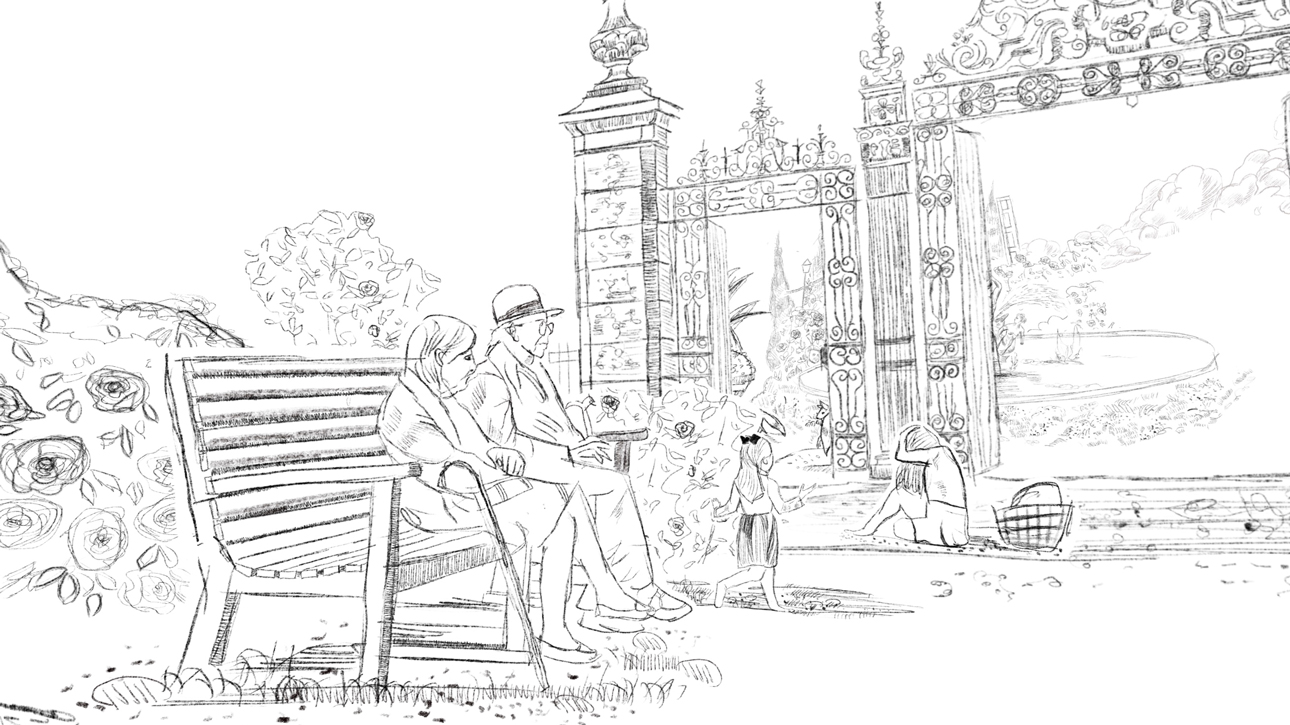
This is especially clear in Joy Blooms in Regent’s Park. The title risks a kind of prettiness, but the underlying idea is harder than that. Regent’s Park becomes a setting for partial belonging: a public, recognisably British space in which private feelings of homesickness, reserve and tentative attachment are held in suspension. Jiang’s description of joy as brief, fragile and earned saves the work from easy uplift. He is not interested in joy as a stable state. He treats it as an interval, something that appears for a moment and then recedes. That gives the piece a quiet tension.
If Joy Blooms in Regent’s Park stays close to lived experience, Sword in the Pearl moves into myth. Drawing on Arthurian legend and Celtic imagery, Jiang stages questions of vulnerability, adaptation and social performance through emblematic forms.
The symbolism is pointed: the pearl as polish, etiquette and cultivated surface; the sword as intrusion, strain and duty. It is a neat conceit, though not a glib one. What might have become decorative fantasy instead works as a coded account of what it means to acquire fluency in a culture while never quite ceasing to translate oneself within it.
Jiang’s strongest work sits in that overlap between the intimate and the allegorical. He understands that fantasy can sometimes carry emotional truth more precisely than realism can. His idea of authenticity has little to do with naturalism and more to do with whether a feeling lands cleanly. That is a sound instinct. In his hands, stylisation is not evasion. It is a means of pressure and compression.
Still, there are limits to the work as it stands. Jiang’s visual world is thoughtful and often affecting, but it can also feel carefully managed. The control is evident, and sometimes overly so. One occasionally wants more abrasion, more formal danger, more resistance to beauty. His work is strongest when its poise is unsettled by something knottier: shame, alienation, social strain, the friction of misfit. When the imagery becomes too resolved, some of that force drains away.

Even so, restraint is part of his method. Jiang is not a maximalist, and he does not hide behind irony. That already sets him apart from much contemporary digital practice, which often mistakes sensory overload for depth. His work has a quieter ambition. He wants to make inner life legible without reducing it to a statement or confession.
 Joy Blooms in Regent’s Park
 That gives his practice a distinct place within current conversations around diasporic art. Many artists working across cultures are implicitly or otherwise asked to provide testimony. Jiang resists that demand. He does not document identity in straightforward terms. He reworks it through fable, atmosphere and displaced narrative. The result is less declarative than much identity-led work, but also more open-ended.
Junying Jiang is still refining the full range of his artistic language, and there are moments when the work feels on the verge of going further than it does. But the underlying intelligence is clear. He has a feel for emotional structure, a strong sense of image, and a thoughtful grasp of how myth can be used without becoming an empty ornament. At its best, his work gives form to the difficult, often private experience of living between cultures, not as a thesis, but as texture.
This version is more controlled than expansive, but that seems right for Jiang. He is not an artist of grand declarations. He is an artist of thresholds, atmospheres and coded feeling. When those elements lock into place, the work lingers.
©2026 Junying Jiang
Contributing writer at Art Plugged chronicling contemporary art’s beautiful mess, when he can get there. Now edging behind the camera, making insightful documentaries about artists and the work that haunts them. Survives on openings, opinions, one gallery, one artwork at a time. Considers espresso a meal.
Comments (0)