
Remember me

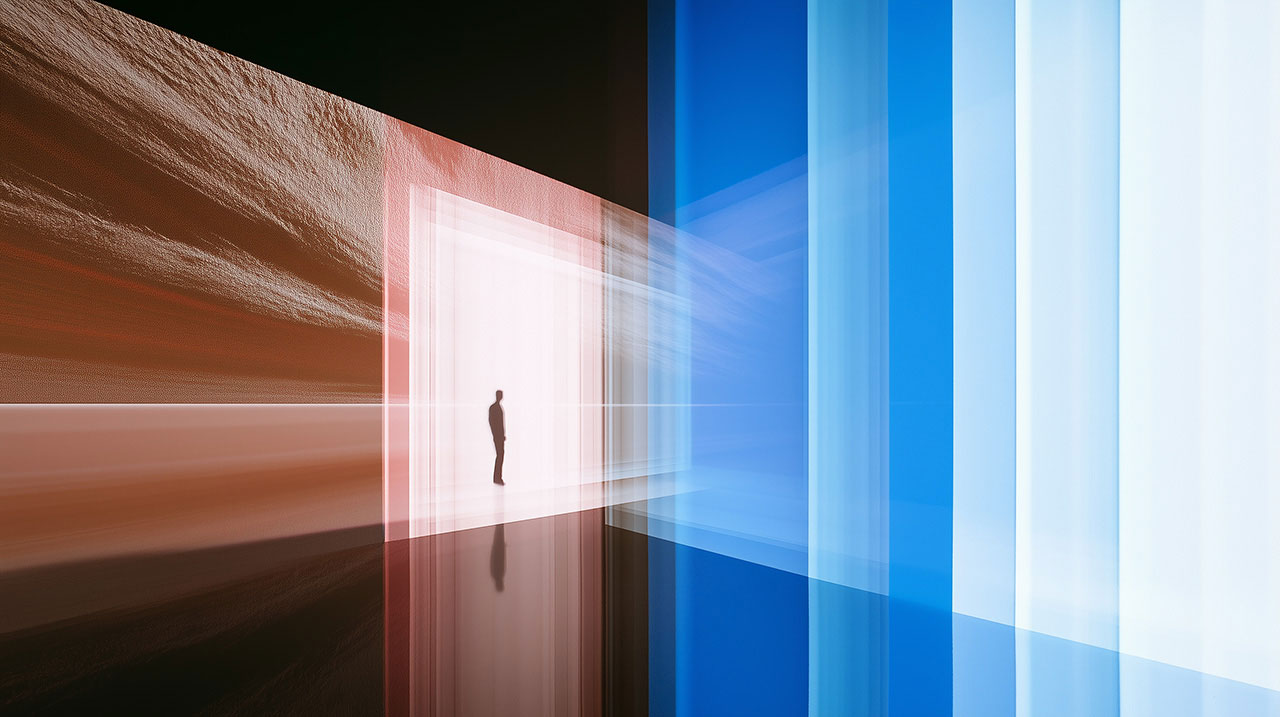
The power of craft has touched every facet of design since the dawn of time. At the Harvard Graduate School of Design, students Annie Xing, Luke Fiorante, Joseph Fujinami, and Chi Zhang investigate the logic of making by hand—and whether the modalities of robotics can learn these distinctly human gestures. A portmanteau of two Japanese words––”hikari,” meaning light, and “kirigami,” the art of cutting and folding a single sheet into three-dimensional form––Hikarigami explores the intersection of digital code and physical force.
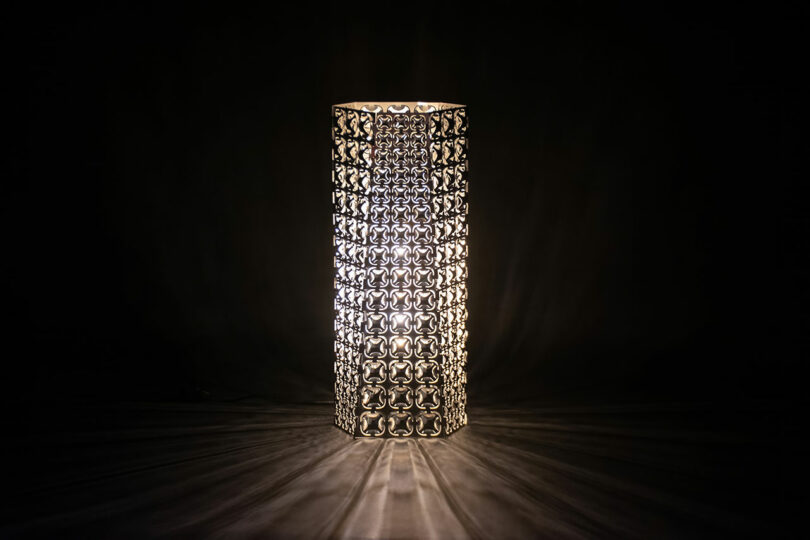
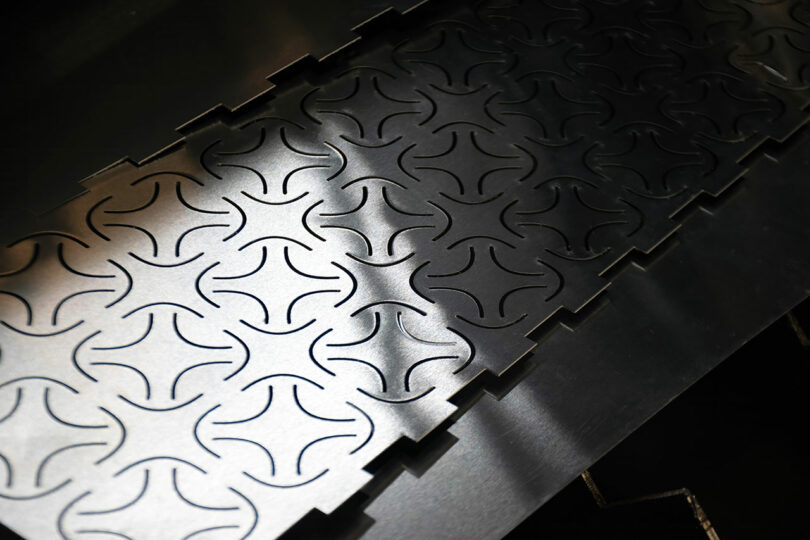
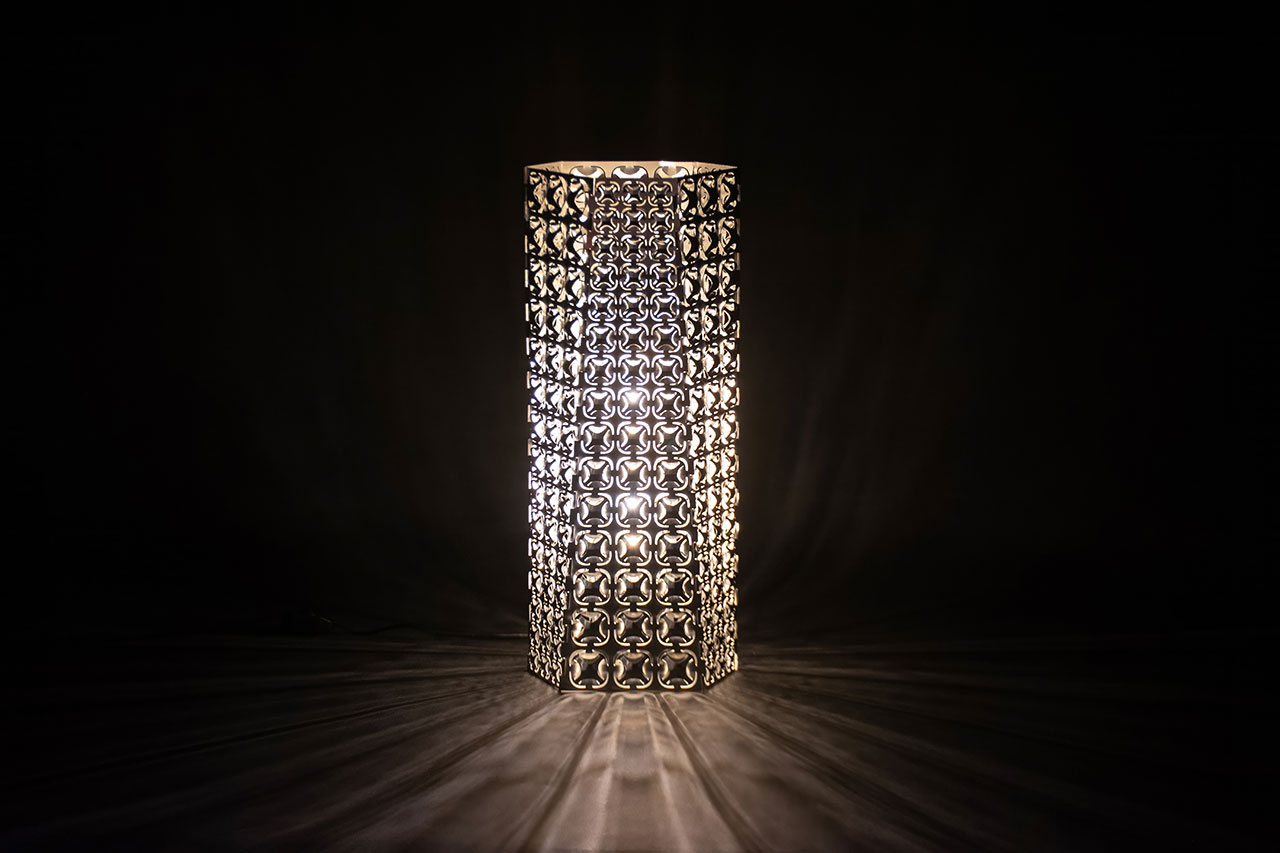
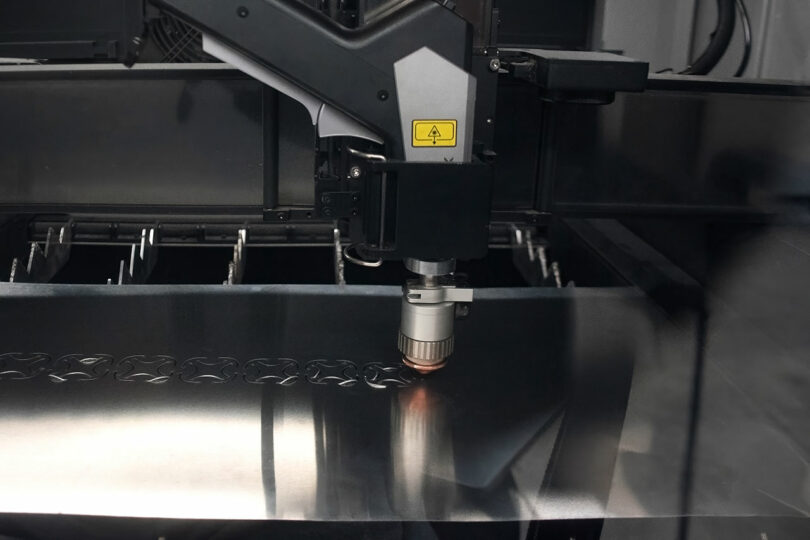
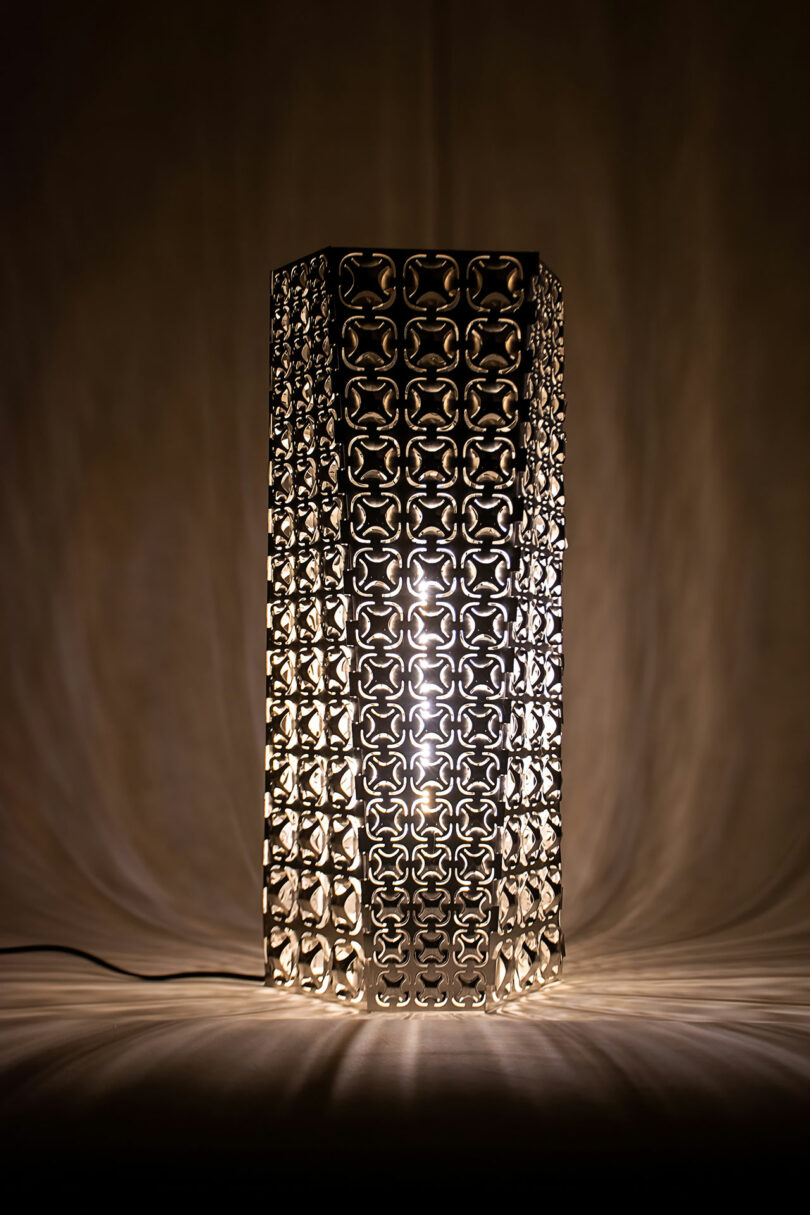
What begins as a flat aluminum sheet evolves into a volumetric luminaire composed of six formed panels, each contributing to a dynamic field of light. A function of both process and progress, the material is first laser-cut with a variable lattice pattern derived from computational simulations, then shaped through robotic incremental forming—transforming the planar into the spatial without the use of molds or conventional tooling.
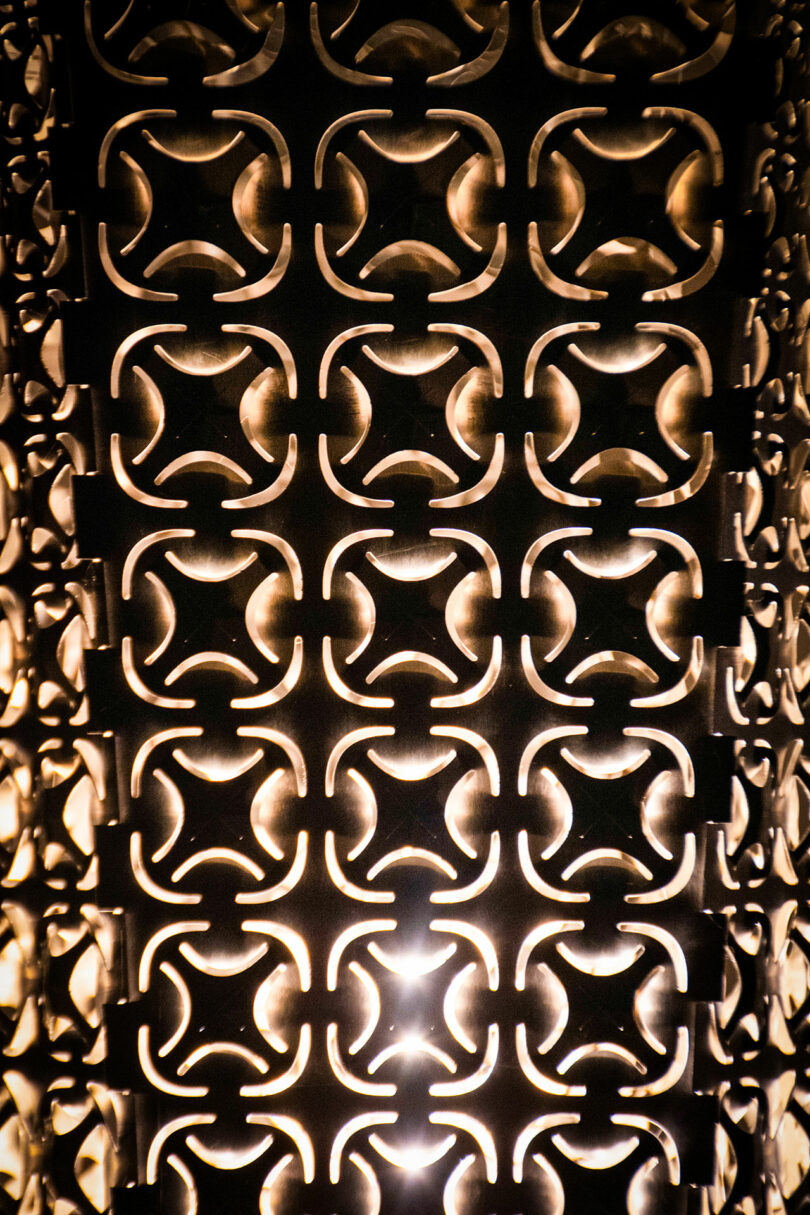
Alike to chainmail, each motif follows a continuous logic, yet no two are identical. The lattice varies in density and geometry, guiding how the aluminum bends, resists, and ultimately refracts light. The result is a porous, light-refracting surface where structure, texture, and illumination emerge simultaneously from a single act of making.
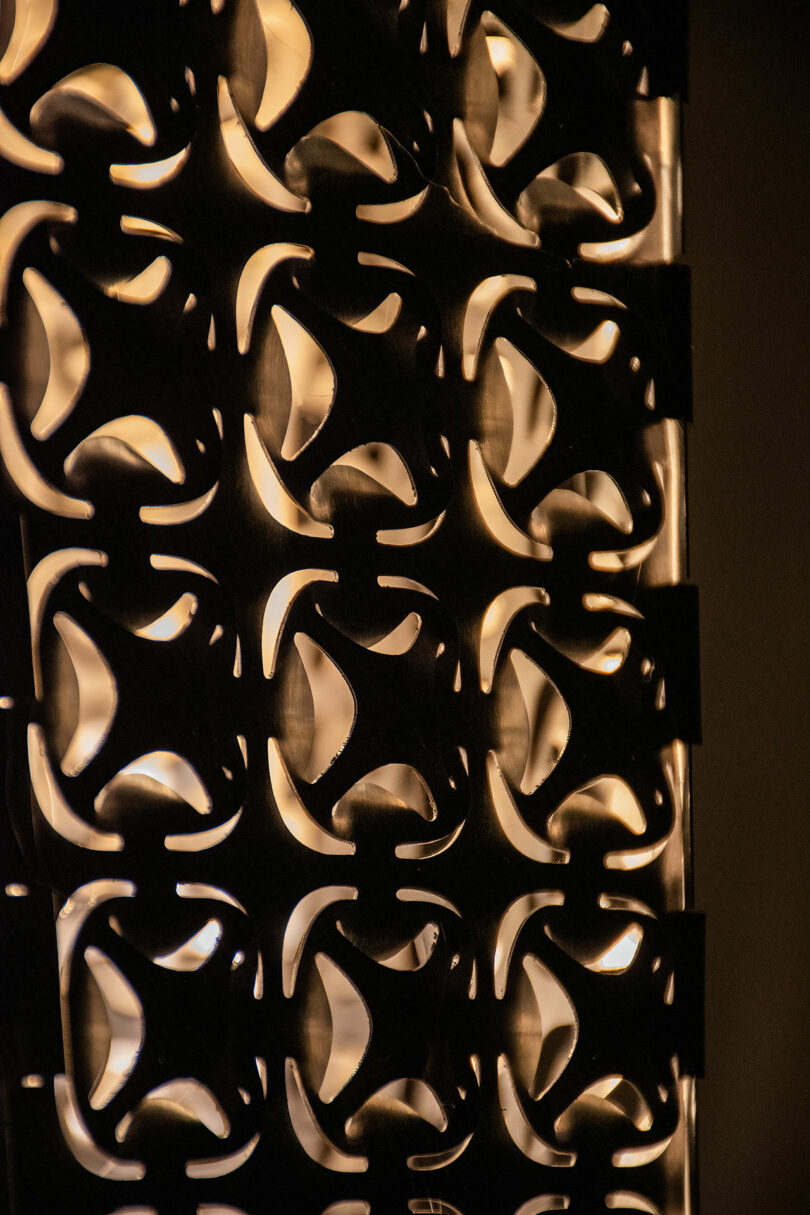
A robotic arm—an ABB industrial model guided by Grasshopper and custom toolpath scripts—presses into the metal sheet with sub-millimeter precision, forming each panel point by point. This process, known as single-point incremental forming, borrows from aerospace and automotive manufacturing, yet is recontextualized here as a tool for design exploration. Each deformation is deliberate, yet responsive, producing subtle variations that make every panel—and every projection of light—distinct.
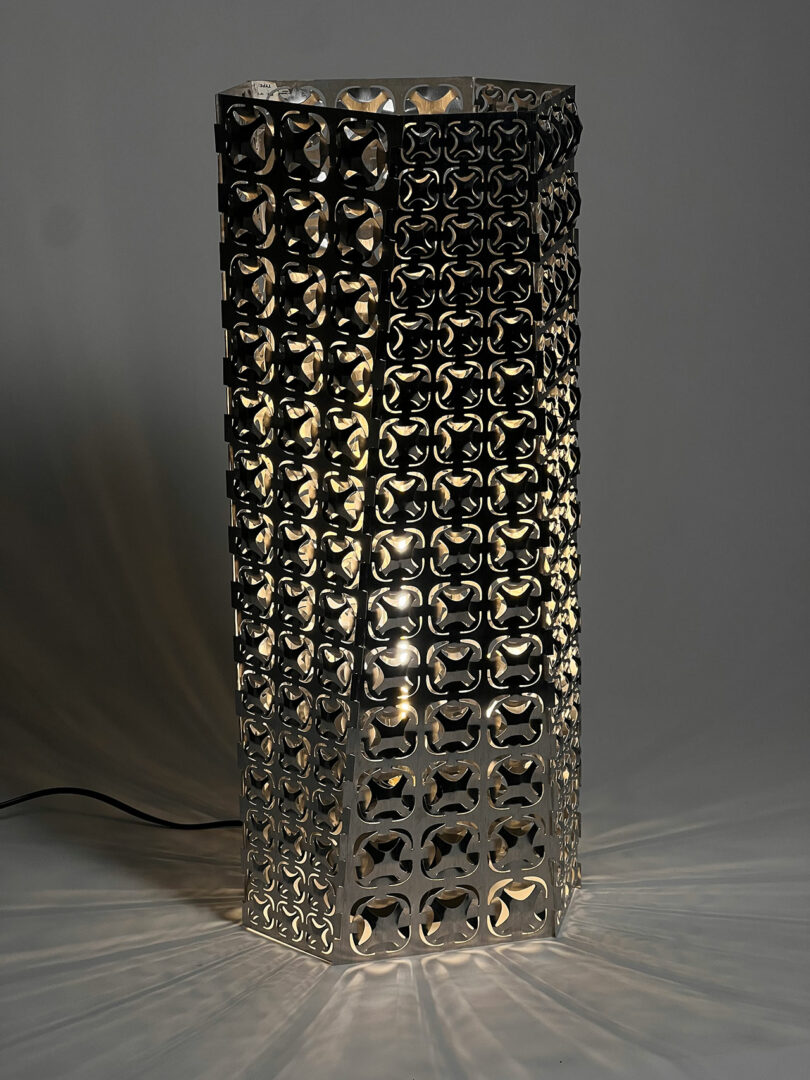
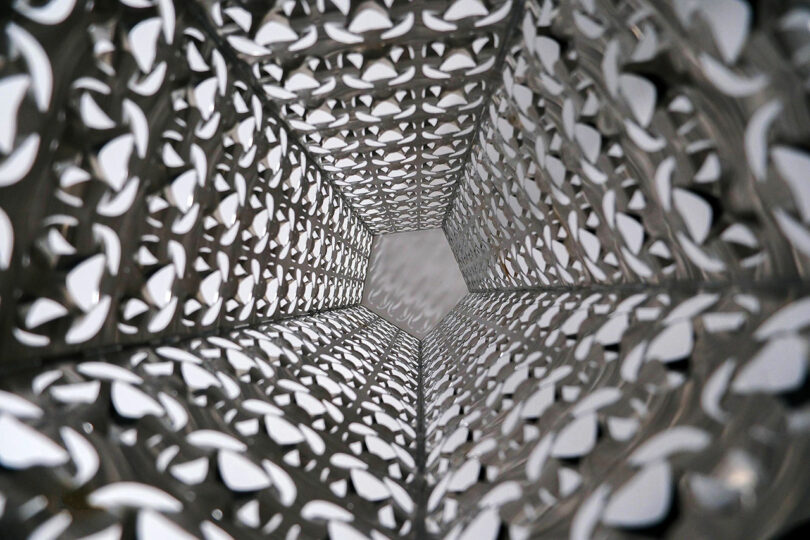
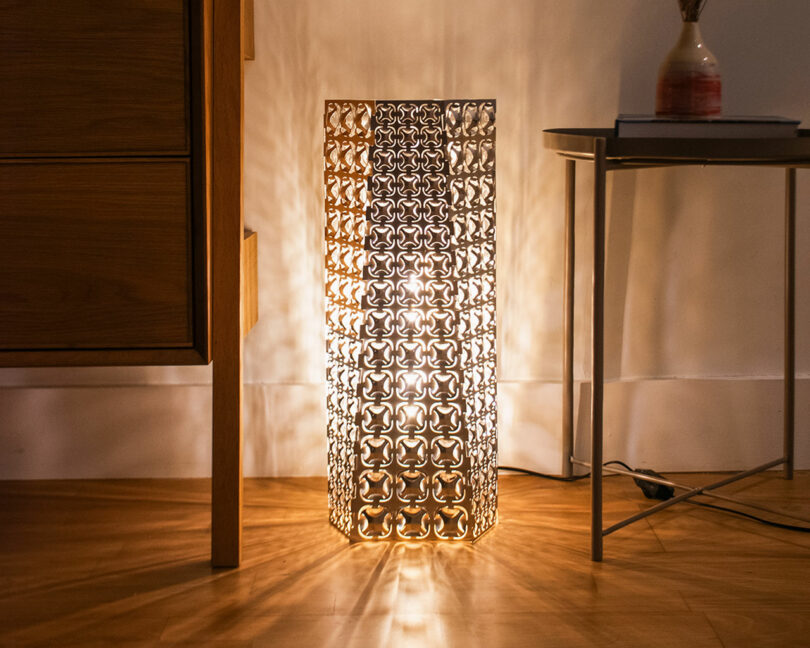
Seemingly similar yet with a modality all its own, Hikarigami’s magic comes from within. When illuminated, the six panels act as both diffuser and lens, casting caustic light patterns that shift across walls and floors. The experience is neither static nor singular; it evolves with movement, angle, and proximity, dissolving at times into atmosphere, and at others revealing a dense, almost textile-like surface language.
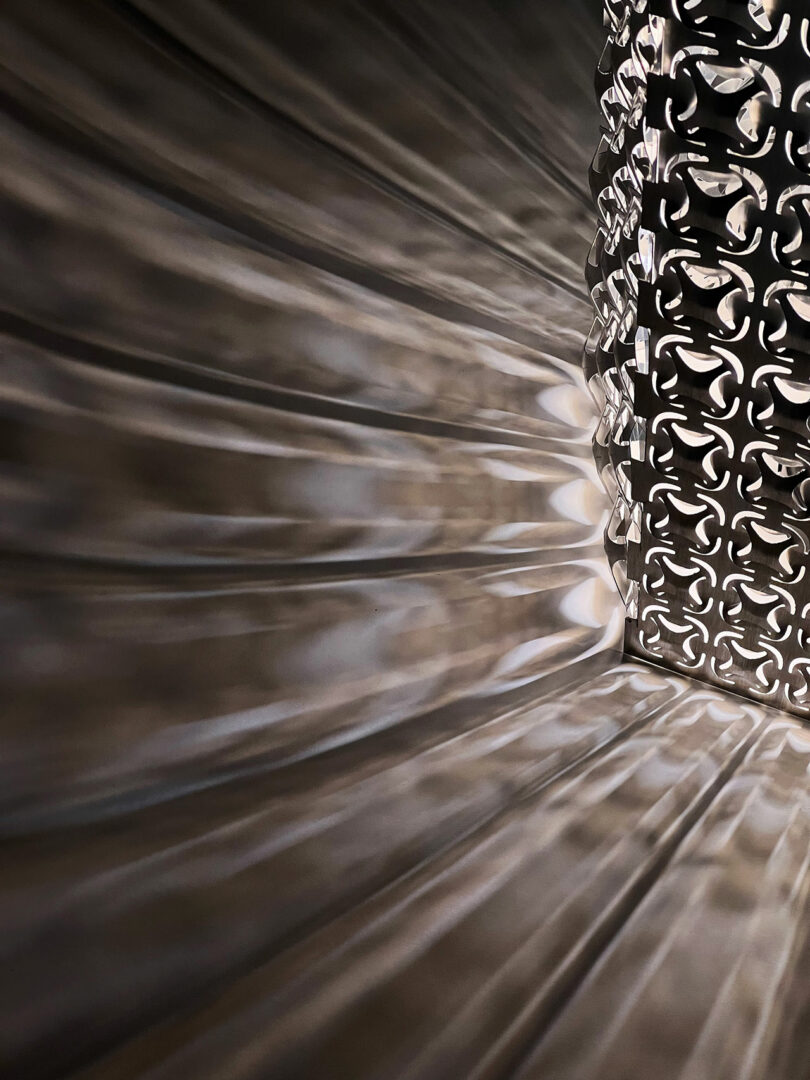
The raw, unfinished aluminum bears the marks of its own creation—subtle irregularities, directional grain, and residual tensions left by the robotic tool. These are not imperfections, but a visible record of process, allowing the object to carry its own romantic narrative of making. Over time, the material will continue to change, taking on a patina shaped by use and environment.
The Harvard graduate team is as follows: Annie Xing, who directed computational design and fabrication; Luke Fiorante, who specialized in robotic fabrication and toolpath programming; Joseph Fujinami, who led fabrication and structural assembly; and Chi Zhang, who contributed to robotic fabrication. Completed in 2025, the project delineates a new paradigm of manufacture—one where craft and automation are collaborators, and where variability and precision coexist within the same material language.
To learn more about the Hikarigami luminaire, please visit lukefiorante.com.
Photography by Annie Xing, Luke Fiorante, Joseph Fujinami, and Chi Zhang.

Growing up in NYC has given Aria a unique perspective into art + design, constantly striving for new projects to get immersed in. An avid baker, crocheter, and pasta maker, handwork and personal touch is central to what she loves about the built environment. Outside of the city, she enjoys hiking, biking, and learning about space.
Comments (0)