Spencer Platt | Getty Images
Treasury yields edged higher on Monday as the breakdown of negotiations between Iran and the U.S. clouded the inflation outlook once again.
The yield on the 10-year U.S. Treasury note — the benchmark for government borrowing — was up more than 3 basis points at 4.355%.
The 2-year Treasury note yield, which is more sensitive to short-term Federal Reserve interest rate decisions, rose more than 3 basis points to 3.837%. The longer-dated 30-year Treasury note yield also advanced more than 3 basis points to 4.946%.
One basis point is equal to 0.01%, and yields and prices move in opposite directions.
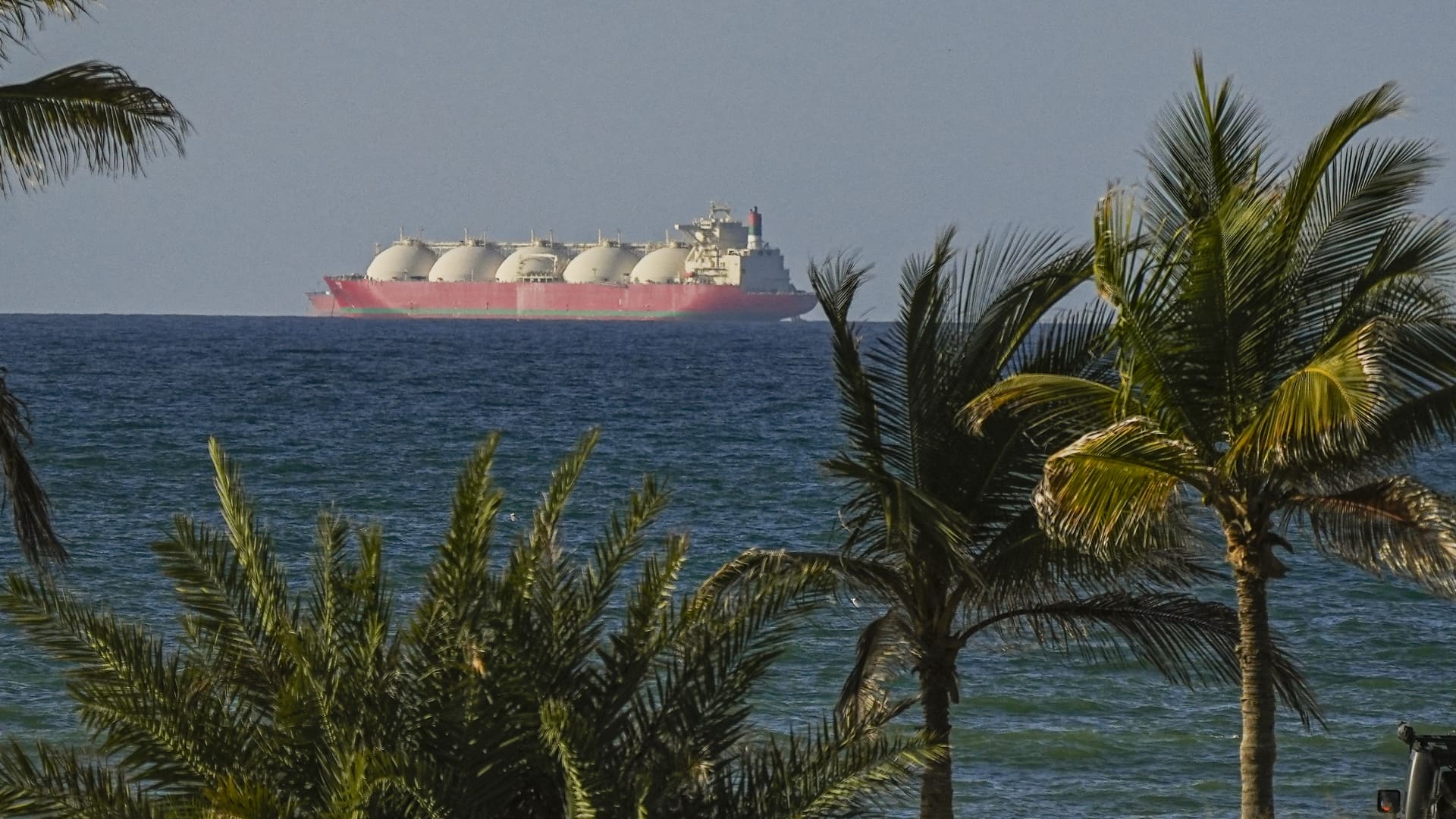
Investors are reacting to U.S. plans to blockade the Strait of Hormuz after talks between Washington and Tehran at the weekend failed to produce an agreement to end the Middle East conflict.
"Effective immediately, the United States Navy, the Finest in the World, will begin the process of BLOCKADING any and all Ships trying to enter, or leave, the Strait of Hormuz," Trump said in a post to his social media platform Truth Social on Sunday.
Yields are also digesting Friday's inflation print, which showed core prices rising less than feared, despite the surge in energy prices since the start of the Iran war.
The most recent U.S. CPI reading came in at its highest level in 2 years, stoking concerns that the energy price shock could spread to other goods and services.
"President Trump won't be best pleased with today's inflation print and given his heavy criticism of Joe Biden's handling of inflation during his tenure as President, we can expect him to be rather sensitive to such a significant swing," said Richard Carter, head of fixed interest research at Quilter Cheviot.
"Trump will be pinning his hopes on the ceasefire holding, as if the peace talks are not productive then there's a real risk of a further spike."
Investors will be looking ahead to industrial production data for March, which could show some early signs of the impact of the oil price surge on U.S. industry.








Comments (0)