Parents under pressure as cost of having a baby rises by more than £500
Analysis looked at predicted inflation pressures on a typical basket of baby items, as well as expected increases in household bills.
The cost of having a baby is set to increase.
Picture:
Alamy
The price of having a baby is set to rise by more than £500 this year, piling fresh pressure on families already struggling to keep up with the cost of living, analysis shared exclusively with LBC suggests.
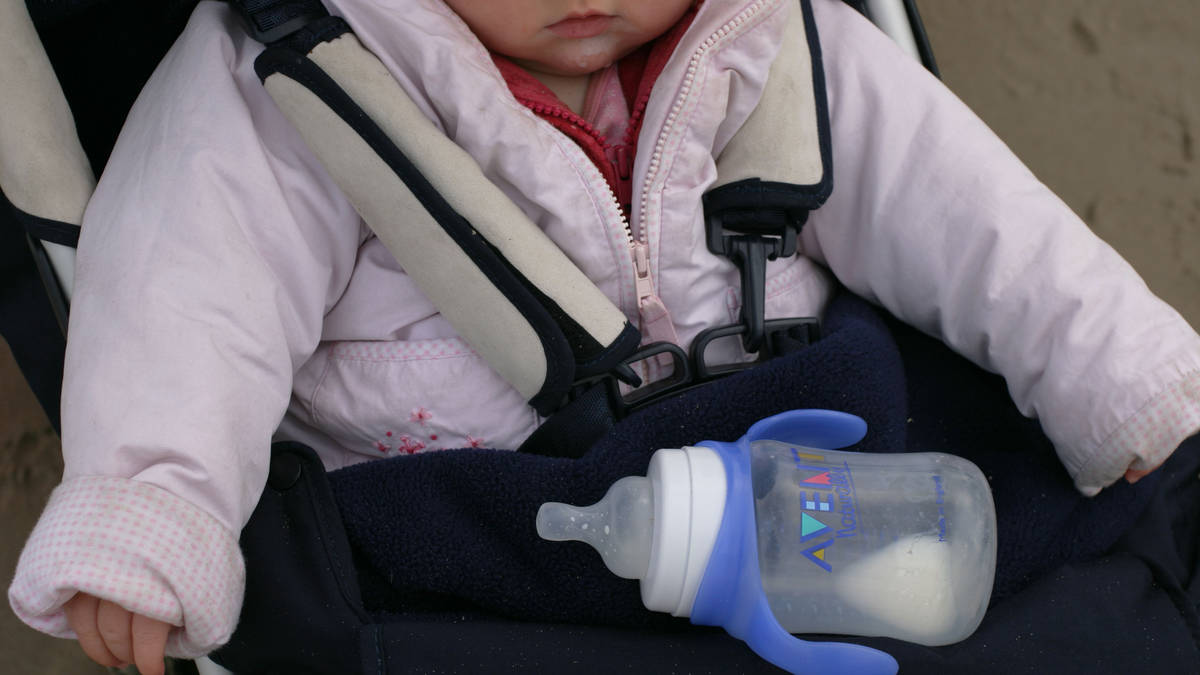
New figures from Save the Children and UNICEF UK suggest the average annual cost of baby goods and household utilities for a family with a newborn could rise from £5,961 to £6,468 by the end of 2026 - an increase of £507, or 9%.The charities said families with babies are especially exposed because many of the costs involved are unavoidable, while new Government data shows 51% of families in poverty have a youngest child aged between 0 and 4.Their analysis looked at predicted inflation pressures on a typical basket of baby items, as well as expected increases in household bills. It found the monthly cost of disposable nappies and wipes could rise from £22 to £22.77, while spending on bottles and feeding equipment could increase from £12 to £12.42.Read More: Consumer confidence falls as rapid price rises give households the ‘jitters’Read More: How much extra will plane tickets cost due to Iran war?
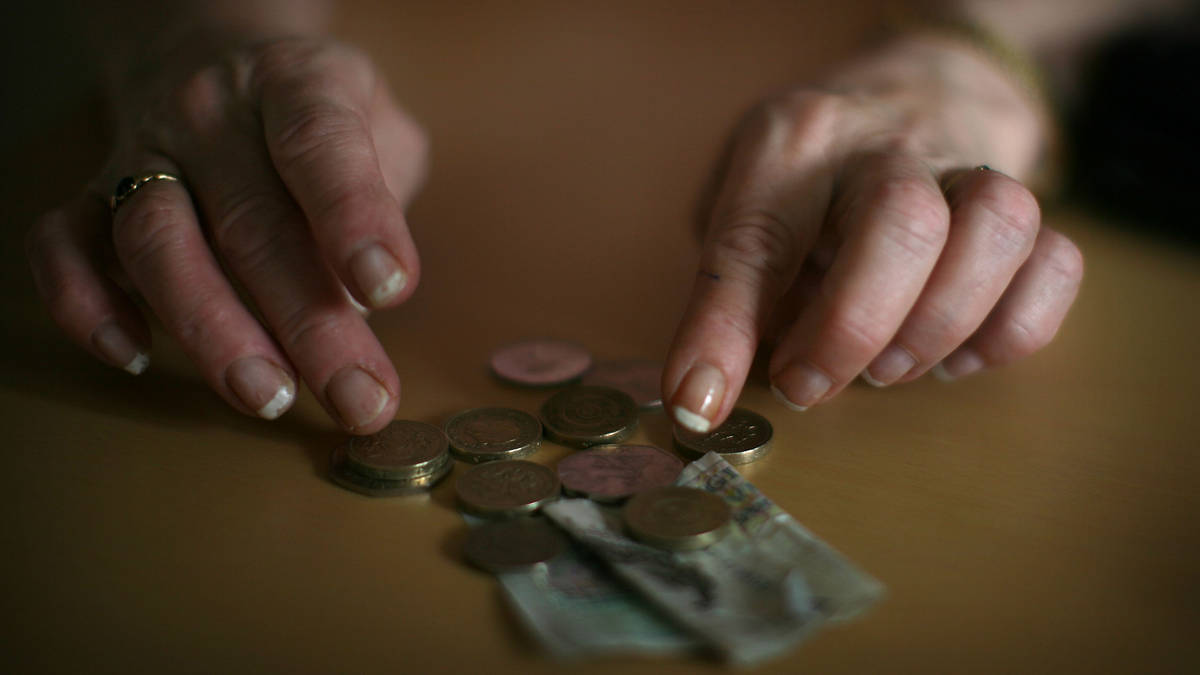
The charities warned that utility bills are adding to the pressure on families with newborns.
Picture:
Alamy
Baby food for children older than six months is forecast to go from £35 to £36.23 a month.Larger one-off purchases are also expected to become more expensive, with an average car seat rising from £175 to £181 and a cot and mattress going from £180 to £186.30.The charities also warned that utility bills are adding to the pressure on families with newborns.For a household made up of one or two adults and a baby, annual utilities are projected to rise from £2,491 in April to £2,873 by October - an increase of 15%.They said the real cost could be even higher, as families with babies are likely to use more heating, water and washing than average. Public Health England recommends rooms where babies sleep to be kept between 16C and 20C.
Annual utilities are projected to rise from £2,491 in April to £2,873 by October.
Picture:
Alamy
Dan Paskins, Director of UK Impact at Save the Children, said: “The war in the Middle East has shown how acutely vulnerable children are across the globe, and the conflict’s impacts are far-reaching. "Price rises in the UK will hit families with babies particularly hard as their essentials are non-negotiable.”He added: “As ever, friends, family, community groups and baby banks can rally and provide vital support but we’re in a new era of extreme fragility for families with young children in the UK.”Philip Goodwin, Chief Executive Officer of UNICEF UK, said: “The cost-of-living crisis is affecting everyone, and families with babies are being hit particularly hard.”
Families with babies are likely to use more heating, water and washing than average.
Picture:
Getty
He added: “Babies can’t wait or go without, and no parent should be forced to choose between keeping their home warm and affording nappies, infant formula or food for their baby.”Both charities are calling on the Government to widen access to the Healthy Start scheme to all families on Universal Credit with a child under four, and to expand eligibility for the Sure Start Maternity Grant beyond a first child.They also said the maternity grant should be increased, arguing it has lost significant value since it was last uprated in 2002.




Comments (0)