Private vs PSU petrol pumps: Why consumers are paying less at some fuel stations
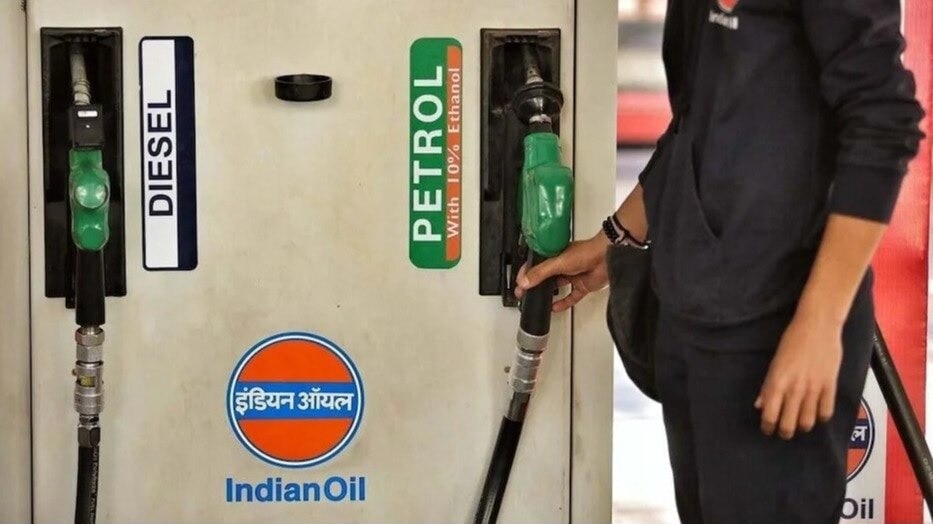
Private fuel retailers in India are increasingly selling petrol and diesel at prices lower than state-run oil marketing companies (OMCs), creating an unusual situation where consumers at some private pumps can save anywhere between ₹1 and ₹5 per litre compared to PSU-owned outlets.
While public sector pumps operated by Indian Oil, Bharat Petroleum and Hindustan Petroleum still dominate the market, private players such as Reliance-backed Jio-bp and Nayara Energy are using aggressive pricing to pull customers away from traditional fuel stations.
Why private pumps can sell cheaper fuel
Private refiners gained significantly after India ramped up imports of discounted Russian crude oil following the Ukraine conflict. Companies with large refining operations, such as Reliance Industries and Nayara Energy, were able to process cheaper crude and improve refining margins.
A part of these gains has been passed on to consumers through lower retail fuel prices, especially in urban markets where competition is intense.
Market share battle is intensifying
Private fuel retailers are still much smaller than PSU oil companies in terms of network size and market reach. To expand faster, they are offering targeted discounts, cashback schemes and loyalty rewards.
The strategy is aimed at:
increasing footfall,
building customer loyalty,
and gaining market share from PSU retailers.
In many cities, consumers have started shifting to private pumps when the price gap becomes meaningful, especially for commercial vehicles and high-mileage users.
PSU fuel prices are more politically sensitive
Although India officially deregulated petrol and diesel prices years ago, state-run oil companies often avoid frequent price revisions because fuel inflation directly affects household budgets and political sentiment.
As a result:
PSU prices sometimes remain unchanged despite softer crude oil prices,
while private retailers react faster and reduce prices sooner.
This allows private pumps to temporarily undercut PSU outlets while maintaining profitability.
Private pumps also raise prices faster sometimes
The discounts are not permanent. Private companies typically use dynamic pricing strategies:
when crude prices fall, they may cut prices quickly,
but when global oil prices surge, they may also raise prices faster than PSU retailers.
This is why some premium private outlets, including Shell stations in certain cities, can occasionally become more expensive than public sector pumps.
Why PSU pumps still dominate India
Despite private discounts, public sector companies still control nearly 90 percent of India’s fuel retail market because they have:
a much larger network,
deeper rural penetration,
stronger supply chains,
and higher consumer familiarity.
For many consumers, convenience and trust continue to outweigh small price differences.






Comments (0)