
Remember me
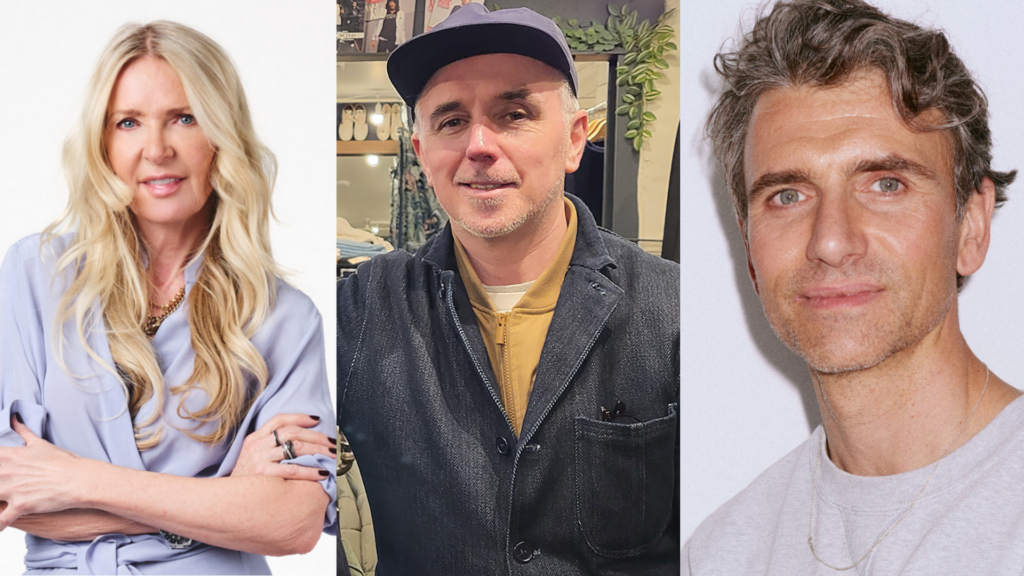

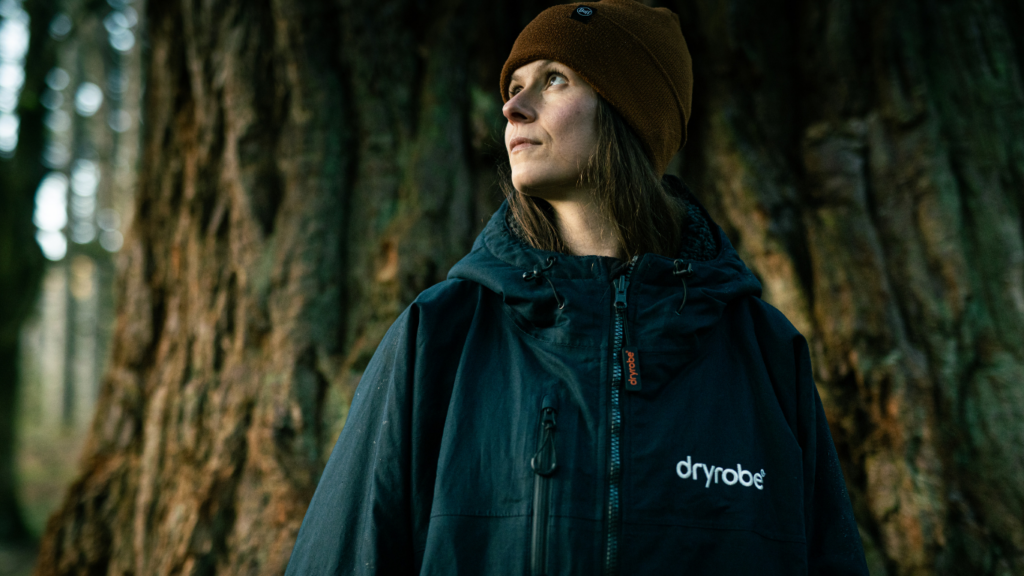
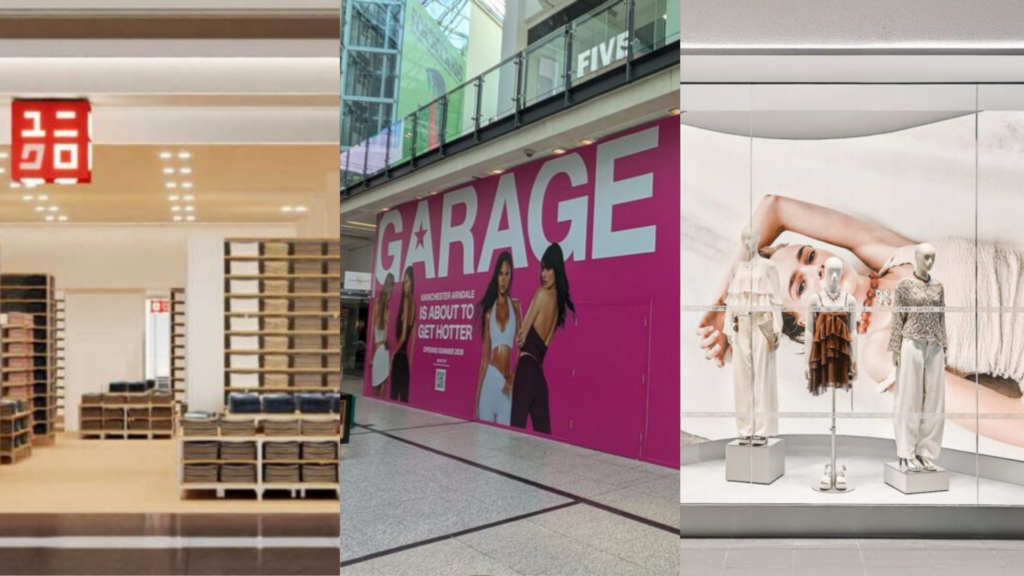
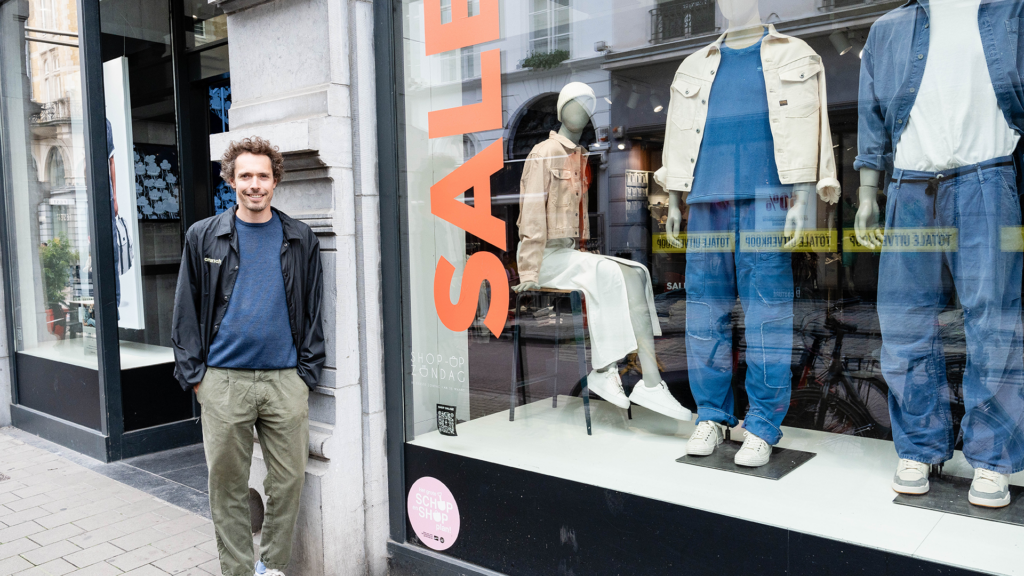



Last month, we heard from innovators, disruptors, as well as established leaders from across the sector, all highlighting how quickly the industry is shifting and why it is so important for brands and retailers to keep evolving.

From Ruby Raut, founder & CEO of WUKA, reflecting on her journey pioneering period underwear, to eponymous designer Amanda Wakeley returning to fashion with a capsule collection for John Lewis, and pioneers in digital printing technology and inventory management showing how their technologies can simplify life for fashion businesses – these conversations are truly energising.
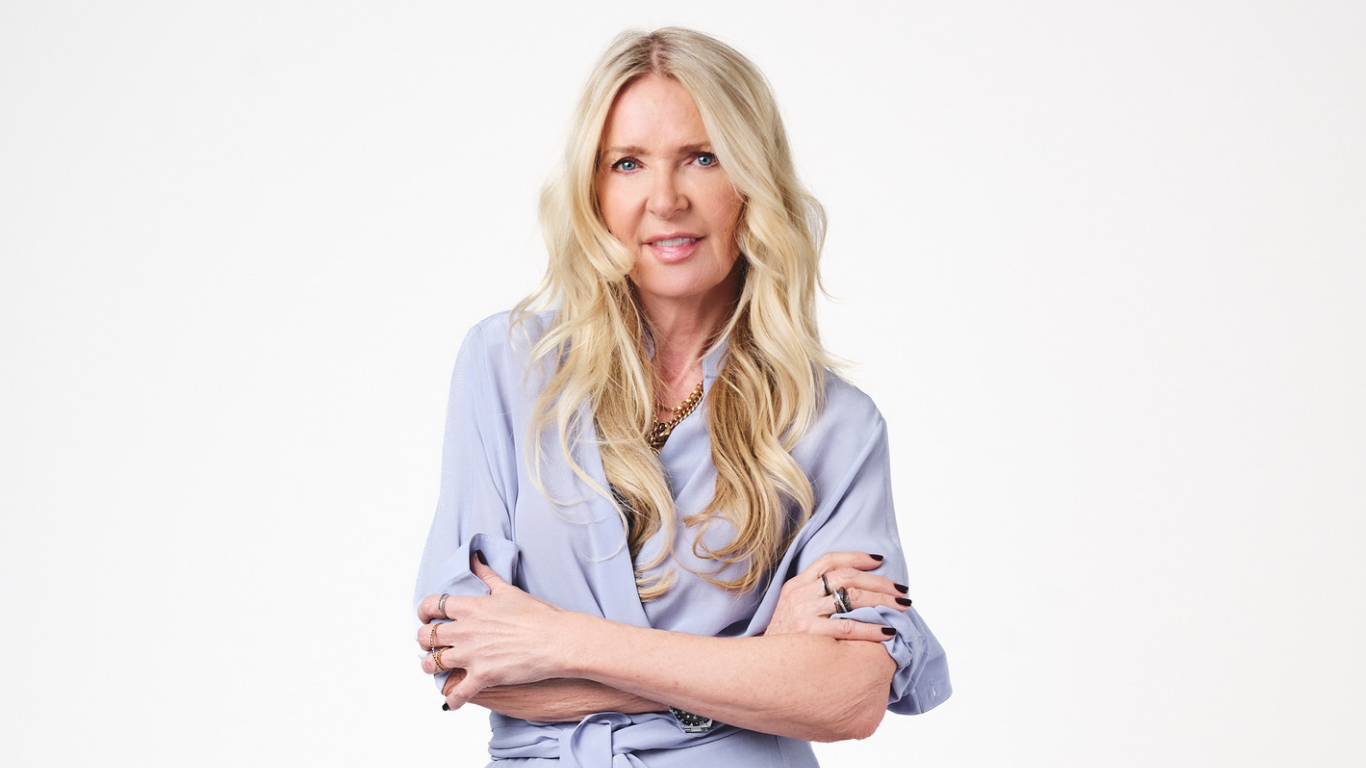


The Interview: Amanda Wakeley is back - and she’s rethinking what ageless fashion looks like
"I’m not going to set the world alight with my designs, but what I will do is make a woman feel like the best version of herself." - Amanda Wakeley, Designer


In this interview with TheIndustry.fashion, Amanda Wakeley reflects on her return to the industry with a new John Lewis capsule collection that embraces the idea of ageless fashion. Her solution isn’t to chase youth or new trends, but to rethink proportion and styling, thereby helping to dress women of all ages comfortably. She also reflects on her long career in fashion, from dressing high-profile clients like Princess Diana to building her eponymous brand, and how hard it really is to build a successful business.


How I started in fashion: Ruby Raut, founder & CEO, WUKA
"I often say I am not a CEO who became an activist. I am an activist who became a CEO. My role now is part visionary, part campaigner, part operator. What I enjoy most is seeing a cultural shift happen in real time. Seeing period blood shown in advertising instead of blue liquid. Seeing girls in grassroots sports stay in the game because they feel protected and confident." - Ruby Raut, founder & CEO, WUKA
Another female founder who designs for real women is Ruby Raut. She created a product that the market had not seen before - period underwear. At first, retailers didn’t know where to place her product, as it didn't fit into the fashion, lingerie, or hygiene categories, so she had to work extra hard to build the door before she could walk through it. In her 'How I Started in Fashion' interview, she explains how she finally broke into the fashion industry and how her background fuelled her determination to keep fighting for a product that she knew would improve women’s lives.
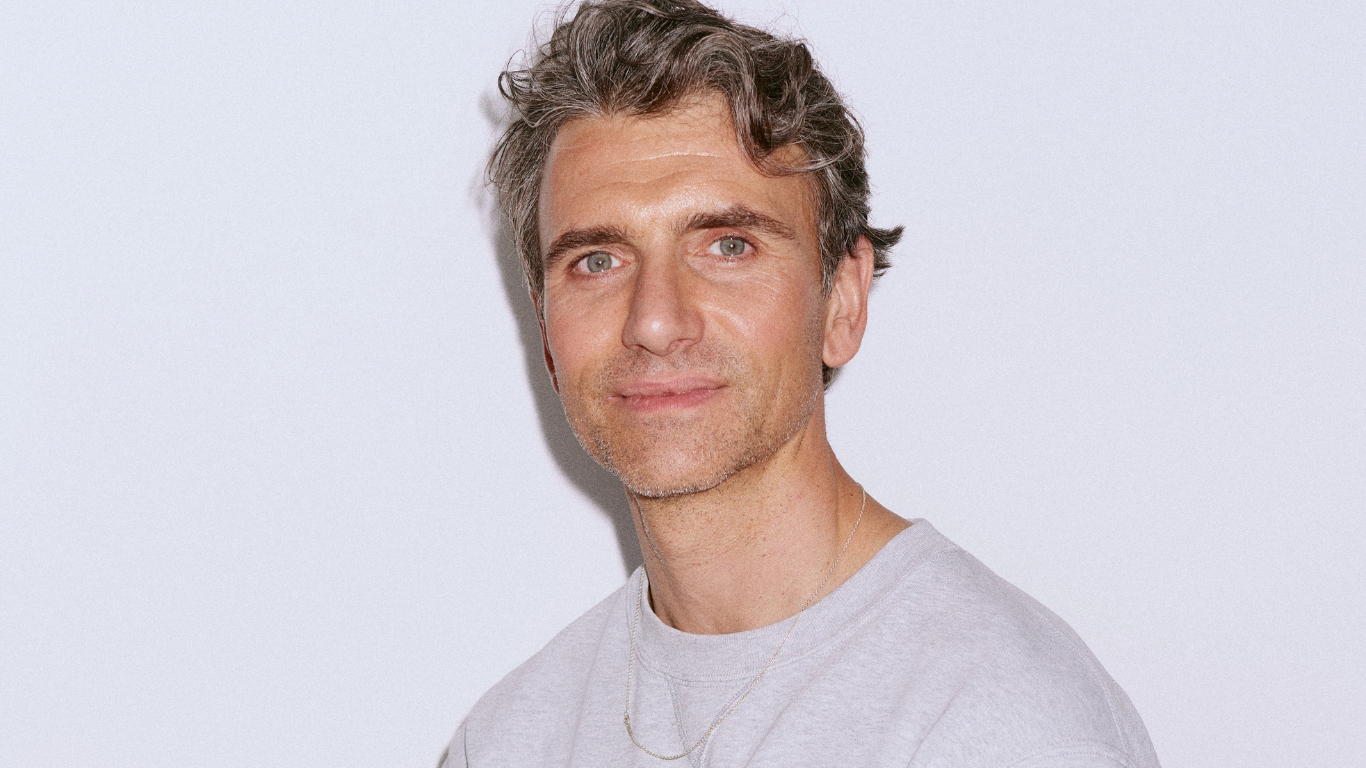
How I started in fashion: Radley Creative Director, Fernando Soriano Iglesias
"I’ve always been drawn to fashion, but for me, it was never just about clothes. It was about storytelling, culture and identity. Fashion sits at the intersection of art, design and everyday life, and that’s what fascinated me early on. What appeals to me most is its ability to communicate something emotional and immediate." - Fernando Soriano Iglesias, Creative Director at Radley
While Ruby created a whole new product category, Fernando Soriano Iglesias, Creative Director of Radley, describes how driving design innovation from within a heritage company comes with its own unique challenges. In this interview, he explains what first drew him to fashion and how, in his latest role, he is taking the codes that have made Radley the iconic British brand it is today and combining them with his vast experience (he has held senior creative roles at luxury houses including Loewe and Carolina Herrera) to bring a fresh and modern feel to the product range.
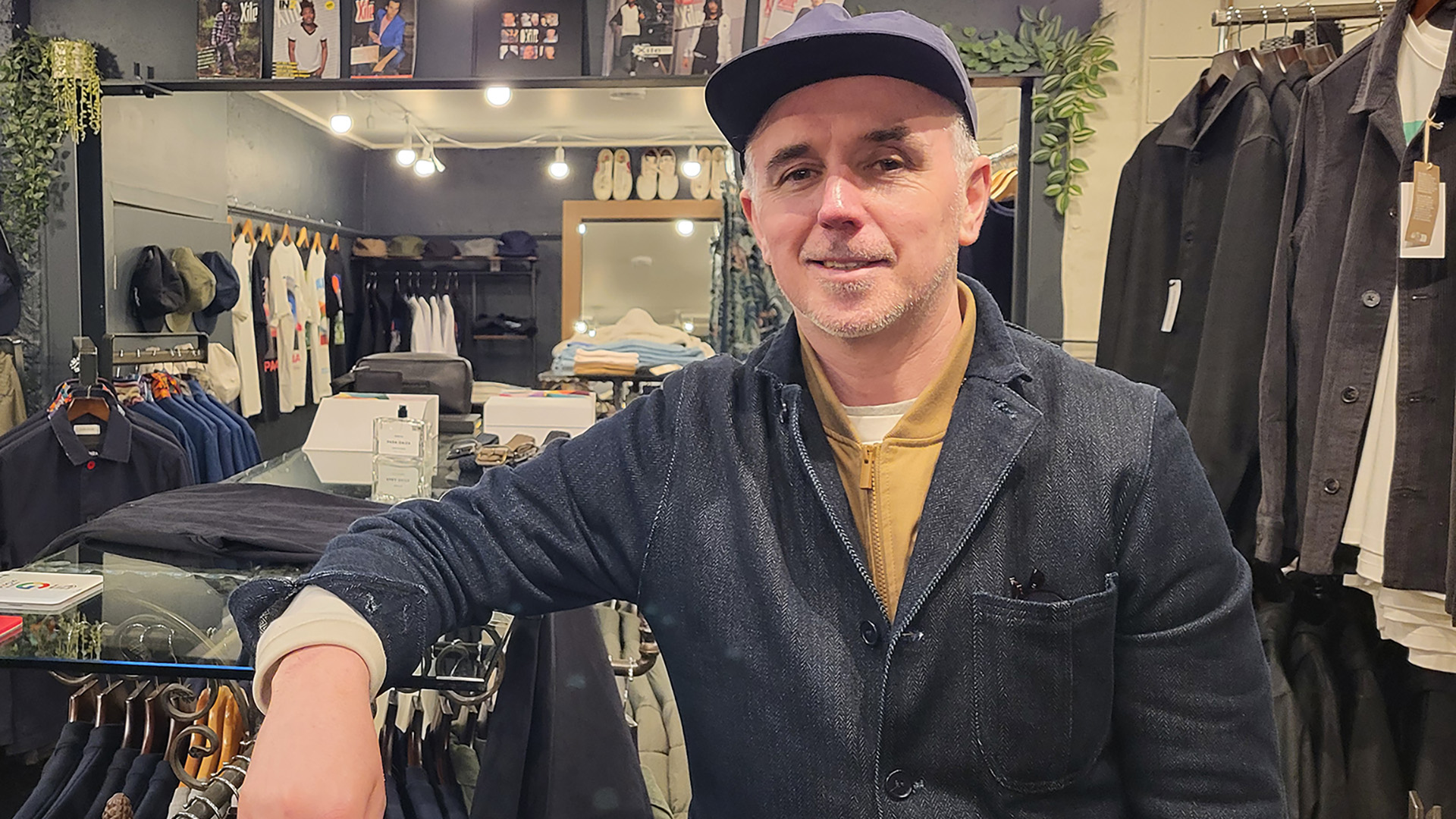
The Eric Musgrave Interview: Paul Mullen of Paradaiza on his move from multi-brand retail to the launch of his own brand
"Xile’s best year was 2010, when we were turning over almost £13m, but I could already see it crumbling. We were getting caught out because we were a medium-sized business... and we weren’t web- or tech savvy. Even with a £12m turnover, we were still using pen and paper for everything. We were in trouble." - Paul Mullen, Founder of Paradaiza
Speaking of brand evolution, in this fascinating account, Paul Mullen, founder of Paradaiza, reflects on his 30+ years in the menswear industry, where he moved from building a multi-brand retailer to launching his own brand. It’s a real story of the ins and outs of the industry, and one of survival and reinvention. It is also a reflection of how, rather than leaving the industry following the demise of his first business, Mullen decided to play by his own rules and build his own.

The Interview: Co-founder Abhi Arora on building second-hand wholesale marketplace Fleek
"Fleek has no direct competitors. We’re unique in this space - there is no other B2B marketplace purpose-built for vintage and second-hand wholesale clothing. Before Fleek existed, resellers had to source through brokers, middlemen, trade shows or personal networks. We’ve removed those intermediaries and built a platform where buyers can interact directly with suppliers globally, with full transparency and buyer protection." - Abhi Arora, Co-founder of Fleek
Playing by his own rules is something entrepreneur Abhi Arora knows well. Following a chance encounter with a vintage dealer on Brick Lane, he founded the B2B marketplace Fleek, which has been purpose-built for vintage and second-hand wholesale clothing. The company now helps over 10,000 resellers scale their businesses while also offering innovative solutions to solve real pain points - for example, by integrating video-enabled live shopping and other technology into the platform.
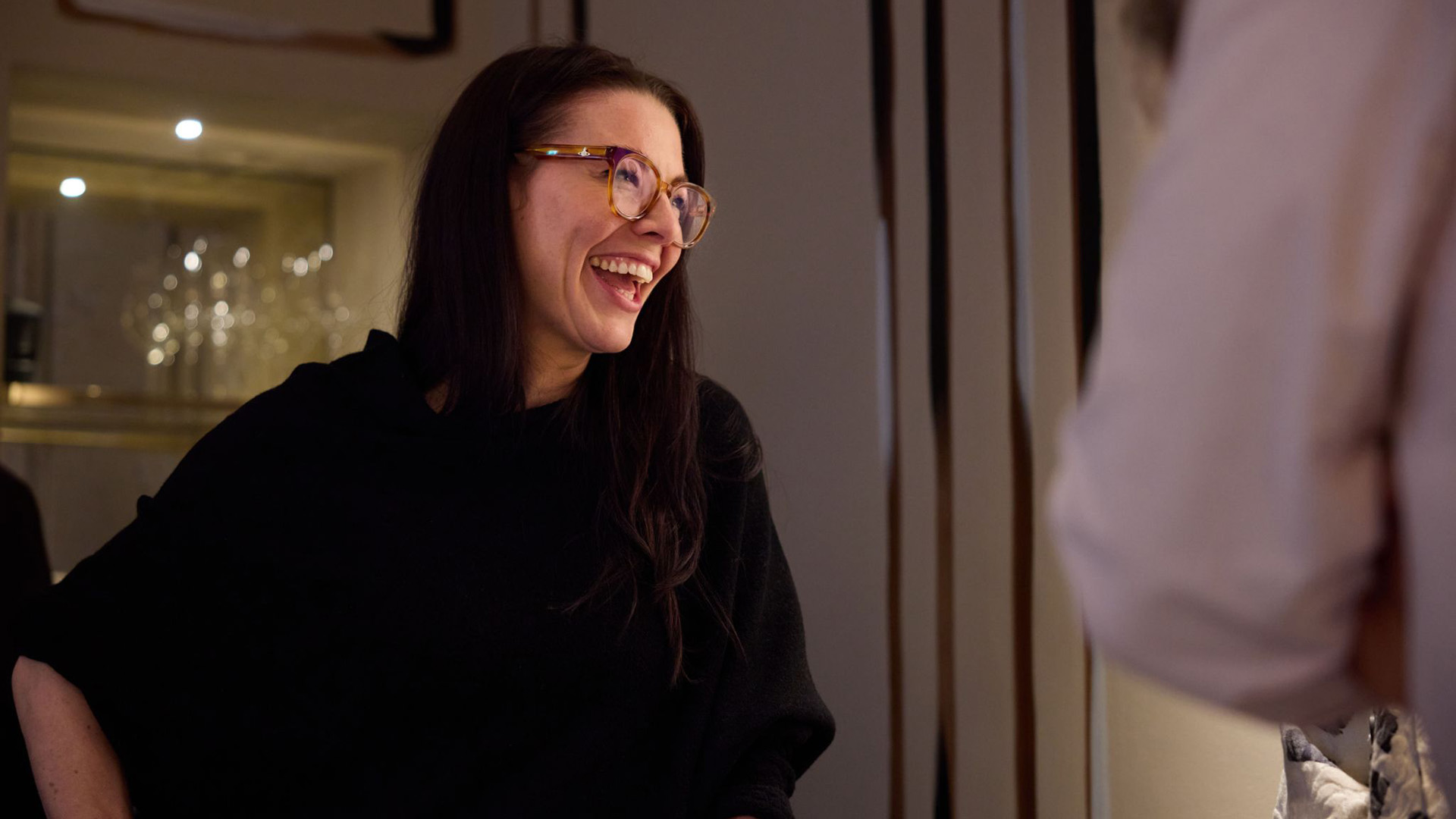
Dropit's Tierney Anyanwu on taking the guess work out of inventory management
"That was the real spark for Dropit. [founder Karin Cabili] knew the industry didn't just need another plaster whacked on an isolated problem. It needed a platform built from the ground up to connect that entire ecosystem end-to-end, allowing those teams to communicate and turn data into actual operational intelligence." - Tierney Anyanwu, Sales Director, Dropit.
Speaking of tech solutions that can help businesses scale, TheIndustry.fashion spoke to Dropit’s Sales Director, Tierney Anyanwu, about how inventory management technology can help retailers and brands create visibility and make more informed decisions. She explained how the technology can help retailers remove the guesswork from their stock and instead move to having a live, synchronised view of their entire ecosystem - directly saving sales that would have otherwise been lost.
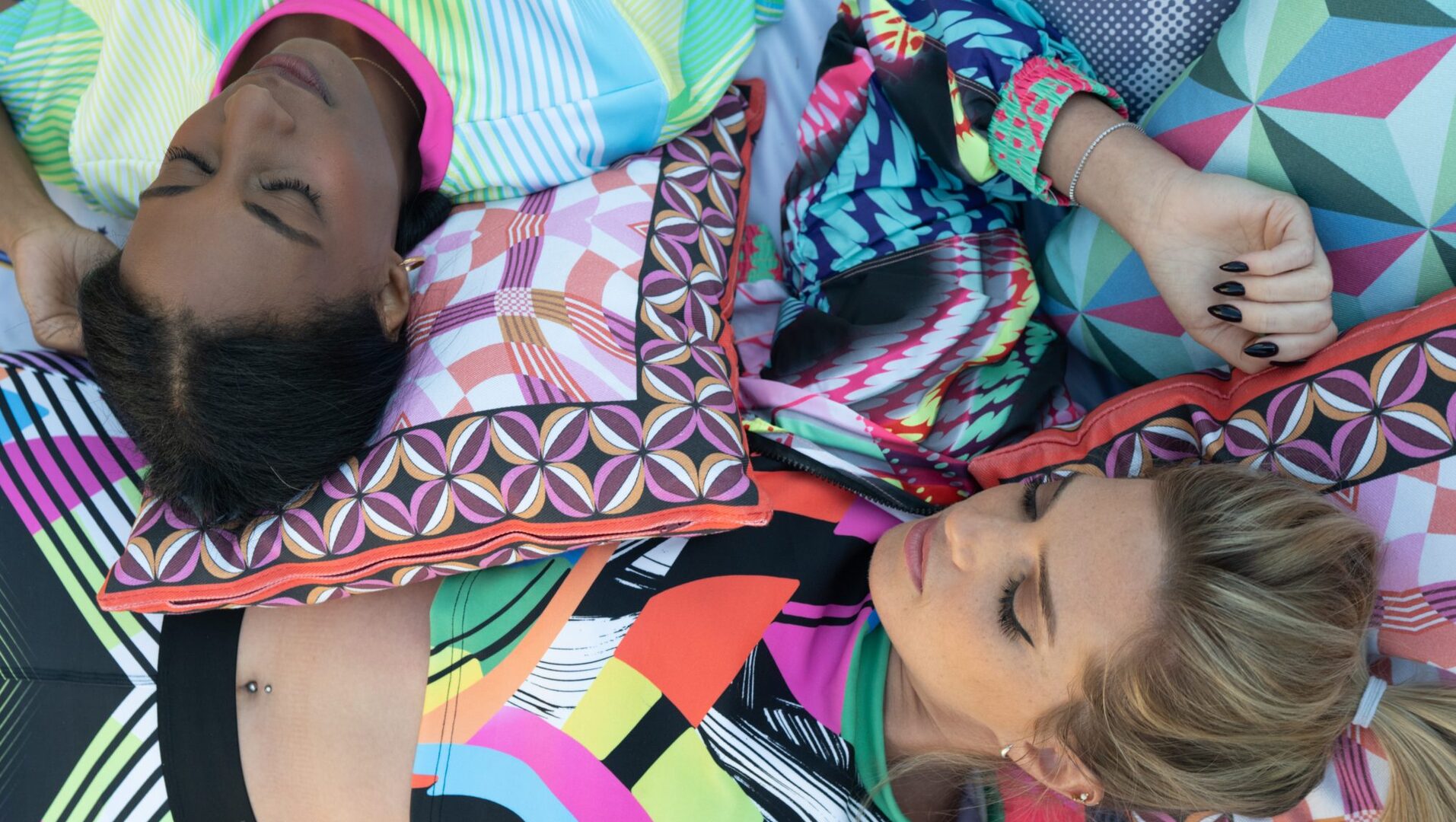
Kornit Digital invites the fashion industry to unleash its creativity and embrace innovation
"We want to help unleash the creativity of the fashion industry. Fashion has stayed behind the digital evolution, trying to force the consumer to continue to behave like they did in the past, in a different world. Our vision is to enable brands and retailers to thrive and for the consumer to enjoy the clothes they are wearing." - Ronen Samuel, CEO of Kornit Digital
Helping retailers and brands build greater supply chain agility is also a key priority for Kornit Digital, which specialises in sustainable, on-demand digital printing for the apparel and textiles sectors. In the UK, it works with the likes of ASOS and Boohoo, helping them boost both sustainability credentials - the machines use no water and create no pollution, unlike traditional screen printing - and create greater supply chain agility. In this interview with TheIndustry.fashion, Kornit’s CEO, Ronen Samuel, discusses his vision for a thriving industry and how fashion needs to break free from the nostalgia of a past that is no longer relevant to today’s consumer.
Comments (0)