The mini-bus closes its sliding door behind a new passenger who just climbed in before continuing its way on the main street. The driver rolls the radio dial through different channels, stopping at one of many popular morning programs. The host announces that it is 8:30 a.m. and recites some of the day’s headlines. Israeli forces killed a Palestinian and arrested another in Silwad, northeast of Ramallah. The slain man allegedly stabbed and wounded two soldiers during a night raid on his town. Israeli forces are still closing the entrances to Silwad.
The driver looks in the mirror at the resignation on his passengers’ faces; the Silwad entrance is on the mini-bus’s route to Ramallah. He makes a U-turn and starts another trip up the street he just came from, hoping to land a passenger to fill the remaining seat. Perhaps the Israeli army will reopen Silwad’s entrance while he makes his turn.
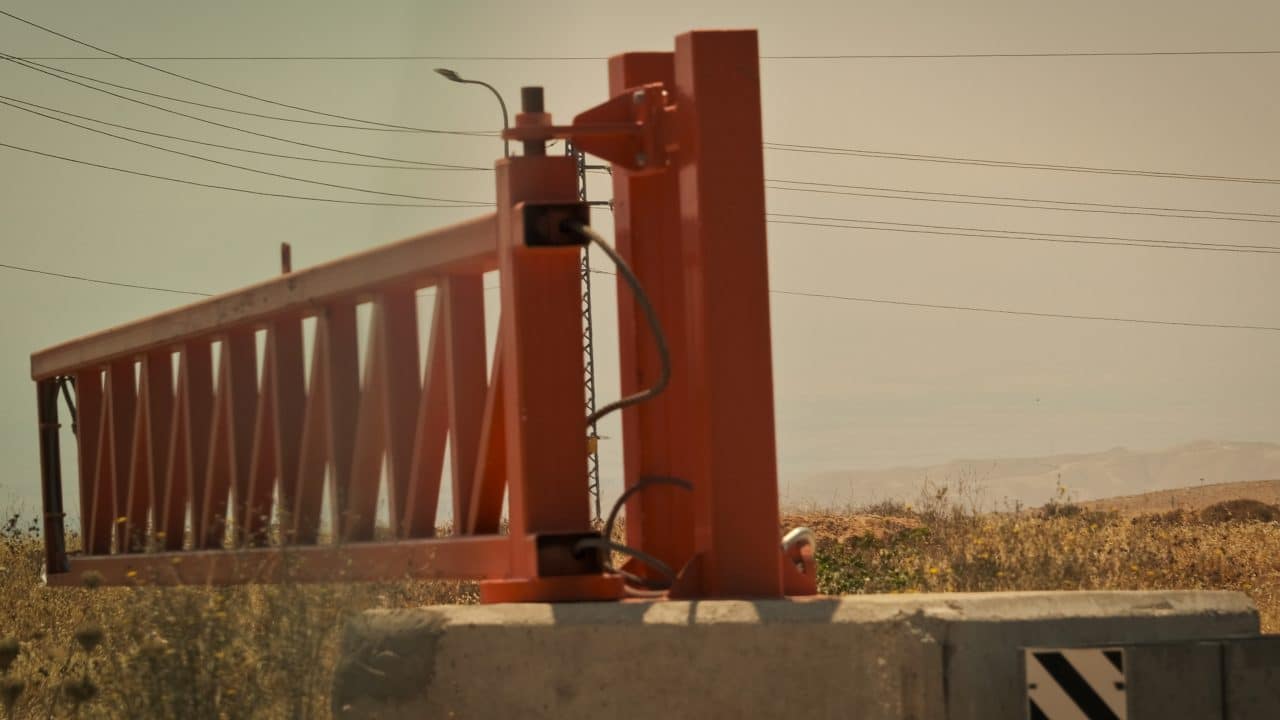
From the window, a shopkeeper opens his business, a woman sweeps the sidewalk in front of her house, and two elderly men have tea on a porch. The host’s voice begins to read what has become a daily ritual on all Palestinian radio stations. Ein Siniyaa checkpoint — closed. Atara checkpoint — closed. Deir Sharaf checkpoint — open with ID inspection. Awarta checkpoint — open…
A passenger sighs in frustration as her phone rings. She answers. “Silwad is closed, sir. I’ll arrive late to work.” She hangs up.
After five minutes of listening to Fairouz, the Lebanese singer who has been a mainstay of morning rituals across the Arab world for decades, the host welcomes the first caller for the morning.
“I would like to raise the issue of the latest municipal elections,” the caller says. “Last Saturday, I asked you to interview someone from the elections commission to explain the irregularities that happened in many places. We need to know what measures were followed to form the slates, especially in places where there was only one slate.”
The mini-bus reaches the other edge of the town and slowly makes another U-turn. In front of the school, a group of children lingers by the gate, their school bags hanging from their shoulders. The school day has been delayed by an hour due to the army incursion in Silwad, where many students are from. Another five minutes of Fairouz fade out smoothly as a second caller joins the broadcast.
“I just want to point to the situation in public hospitals,” the caller says. “I was in the Rafidia hospital in Nablus a few days ago, and the sanitary situation there is so dire that I find it difficult to call it a hospital! Why doesn’t somebody from the health ministry come out in the media and give explanations?”
The host replies that the financial situation is only making things worse, especially with public nurses announcing new strikes protesting the Palestinian Authority’s austerity measures.
The PA has been taking drastic measures to adapt to the lack of funds, caused by Israel’s withholding of Palestinian customs money. “We understand the situation, but why don’t the officials face the public and answer questions? Is this the example set by Abu Ammar?” the caller concludes, referring to Yasser Arafat, known for his open-door public communications policy.
The radio host thanks the caller, and then goes on a long, casual-style speech about the importance of communication between officials and citizens and the role of the media in guaranteeing this key part of a functioning democracy, without forgetting to praise the heroic efforts of nurses and medics in public hospitals, especially in Gaza.
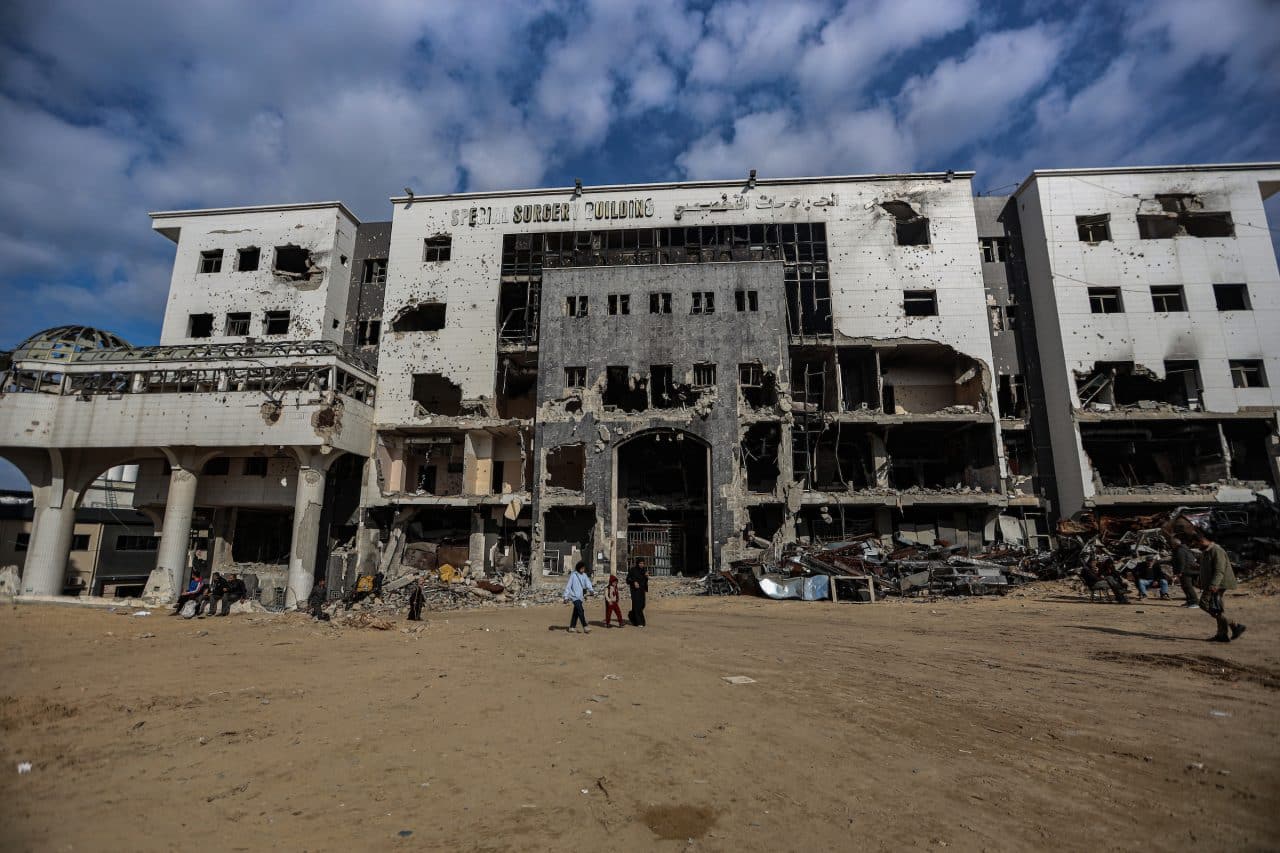
“Functioning democracy?” I think to myself. Morning radio shows have such a talent for making Palestine sound like a free country, all while reporting on the status of the occupation’s checkpoints and reminding us of the devastating destruction of Gaza.
The mini-bus circles the last alley in the town’s old neighborhood. The driver stops in front of the local cafe and orders a cup of cardamom-scented coffee. He waves to an old man walking home with a bag of bread and takes a long, audible sip of coffee with his eyes closed, clearly enjoying the caffeine shot to the voice of Fairouz. Another passenger whispers to himself, “Are we ever going to move?”
As the mini-bus makes its way back to the main street, the host welcomes his new guest, the head of the Nurses’ Union. The union leader explains that the nurses did not announce a full strike but warned that they would begin reducing their service hours to sound the alarm about their situation.
“This decision came after long months of nurses’ salaries not being fully paid, because no family can live on 2,000 shekels per month [$700],” he points out. “There will be exceptions,” he hurries to add. “Dialysis and cancer patients, for example. Nurses will continue to care for them as usual.”
The union leader goes on to say that the health sector has to be exempt from the PA’s austerity measures, caused by Israel’s economic strangulation. He says it’s because the health sector deals with people’s lives and because nursing departments are already short-staffed.
The host briefly interrupts the interview to report the latest news. The Israeli army withdrew from Silwad and reopened its entrances, as well as the Ein Siniya checkpoint. Passengers breathe a collective sigh of relief as the mini-bus driver accelerates, heading straight to Ramallah. Just outside the town, a recently established Israeli settler outpost looks down on the road from the nearby hill some 200 meters away. The host reads a text message from one of the listeners celebrating the reopening of Silwad’s road, then reads another, sarcastically, from a different listener, wondering how the reopening of a checkpoint has become a matter of celebration.
As the mini-bus drives past the Silwad checkpoint, where Israeli soldiers are no longer present for the moment, I put my headphones on. Meanwhile, the driver takes another sip of coffee, speeding to the never-aging voice of Fairouz.

Comments (0)