The Hidden History of Cinco de Mayo
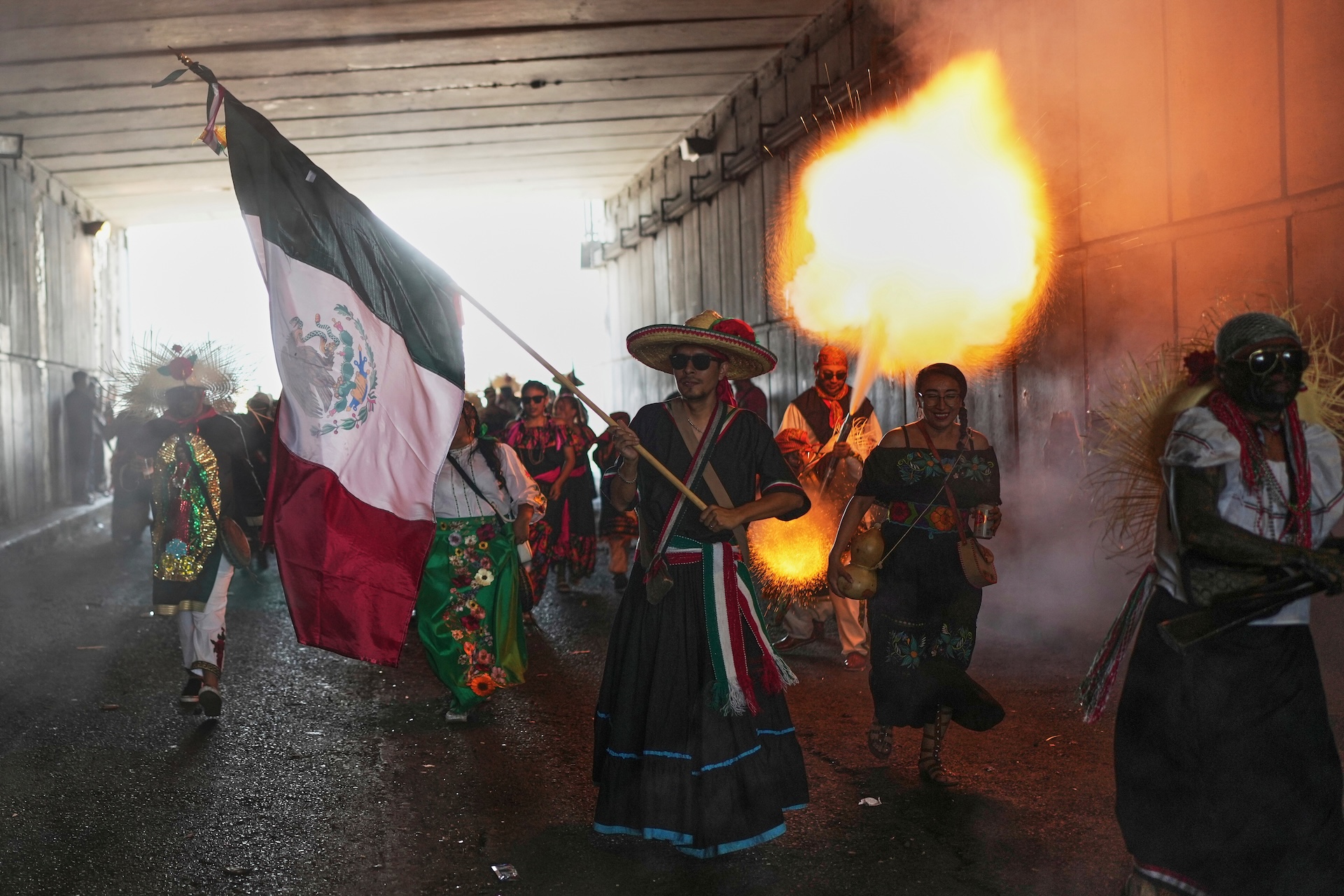
In the United States, Cinco de Mayo is mostly known as an opportunity to celebrate with margaritas, chips and guacamole. To the extent that it’s understood as a historically significant date, many people confuse it with Mexican Independence Day, which is on Sept. 16.
In fact, Cinco de Mayo commemorates an unlikely victory by Mexican forces over an invading army from France at the 1862 Battle of Puebla. But it also had important implications for the trajectory of the U.S. Civil War. This history is worth recalling as a powerful example of the interconnectedness of global affairs—and why fights for justice overseas are often difficult to isolate from domestic struggles.
The story begins with a three-year civil conflict that unfolded in Mexico in the mid-19th century, pitting liberal and conservative factions against each other as they vied for control over the country’s political structure. Known as the Reform War, it ended in 1861 with a victory for the liberal forces led by President Benito Juárez.