Trump’s Threats Against NATO Are the Symptom. The Disease Runs Deeper
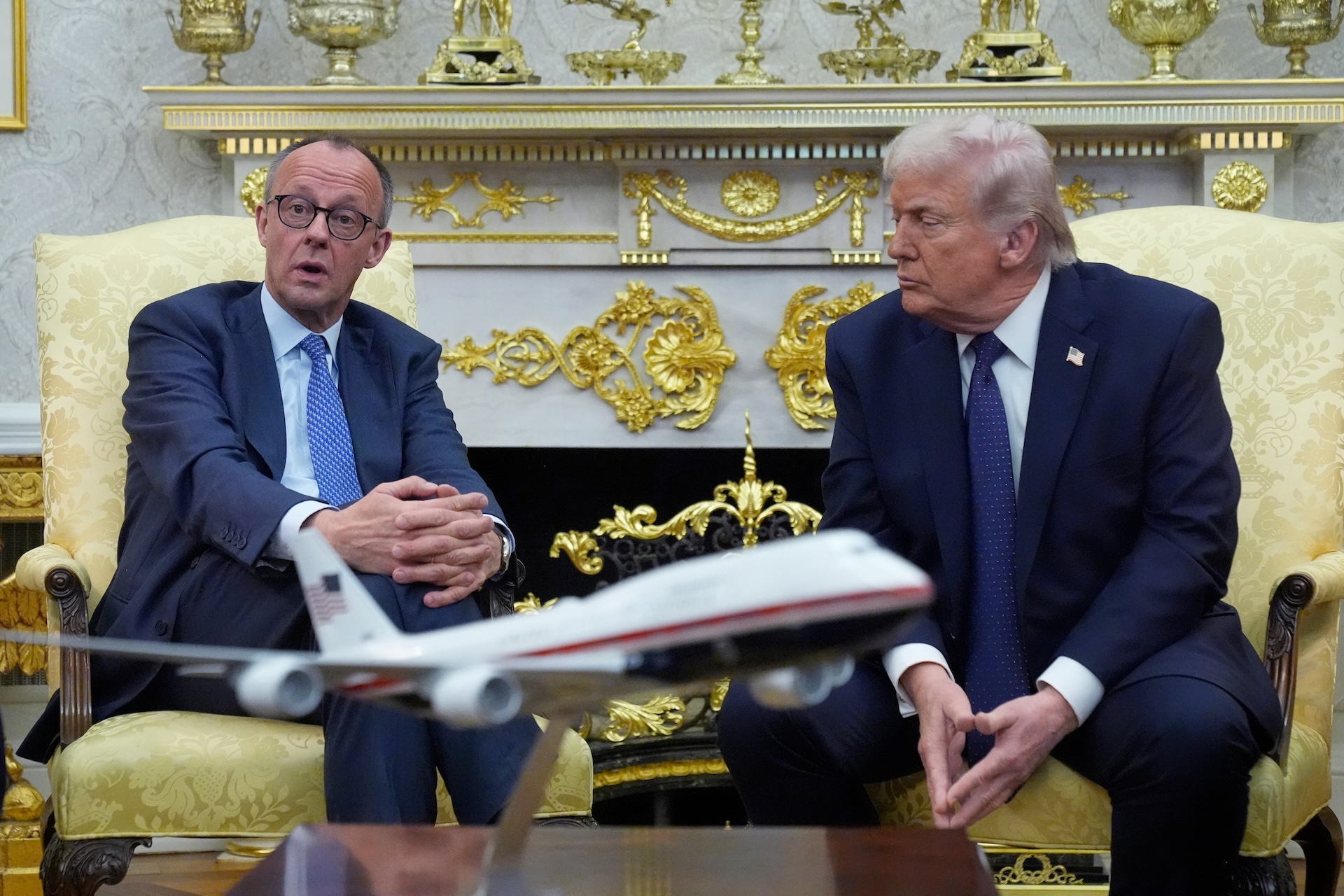
If in 2025 the dominant mood in Europe about NATO was that of a jilted lover—wounded, disillusioned and angry at Washington’s volatility yet still emotionally attached to the trans-Atlantic relationship—then 2026 feels more like a long, difficult marriage careening toward a final reckoning over money, commitment and diminished expectations. The latest ugly spat between German Chancellor Friedrich Merz and U.S. President Donald Trump over a proposed drawdown of American troops stationed in the country has the feel of a domestic quarrel gone off the rails.
Merz has been on the defensive since his criticism of Trump’s handling of the war in the Middle East, and particularly his comment that Tehran has “humiliated” Washington, drew retaliatory fire from Trump and a threat to sharply reduce the U.S. military footprint in Europe. Trump’s May 1 announcement that the United States plans to relocate roughly 5,000 troops from Germany—coupled with plans to cancel a deal struck in 2024 under the Biden administration to deploy a special battalion armed with intermediate-range and hypersonic missiles—landed in Europe at an especially raw moment. Washington has also warned Poland, Lithuania, Estonia and other European allies that deliveries of key weapons systems may be delayed as the Iran conflict strains U.S. stockpiles and logistics pipelines.
Taken individually, each move is manageable. Together, they send a larger signal. U.S. military power remains immense, but it increasingly appears finite, conditional and organized around triage. As the wars in Iran and Ukraine rage on, the temptation to read NATO’s troubles as a personality conflict is understandable but costly. Europe and North America constitute an allied bloc of 1.2 billion people and eight decades of institutional memory. What is being renegotiated now will outlast the current occupant of the White House—and neither side has thought clearly about what will come next.