Sudan’s Civil War Is Spreading to Chad. The World Should be Worried
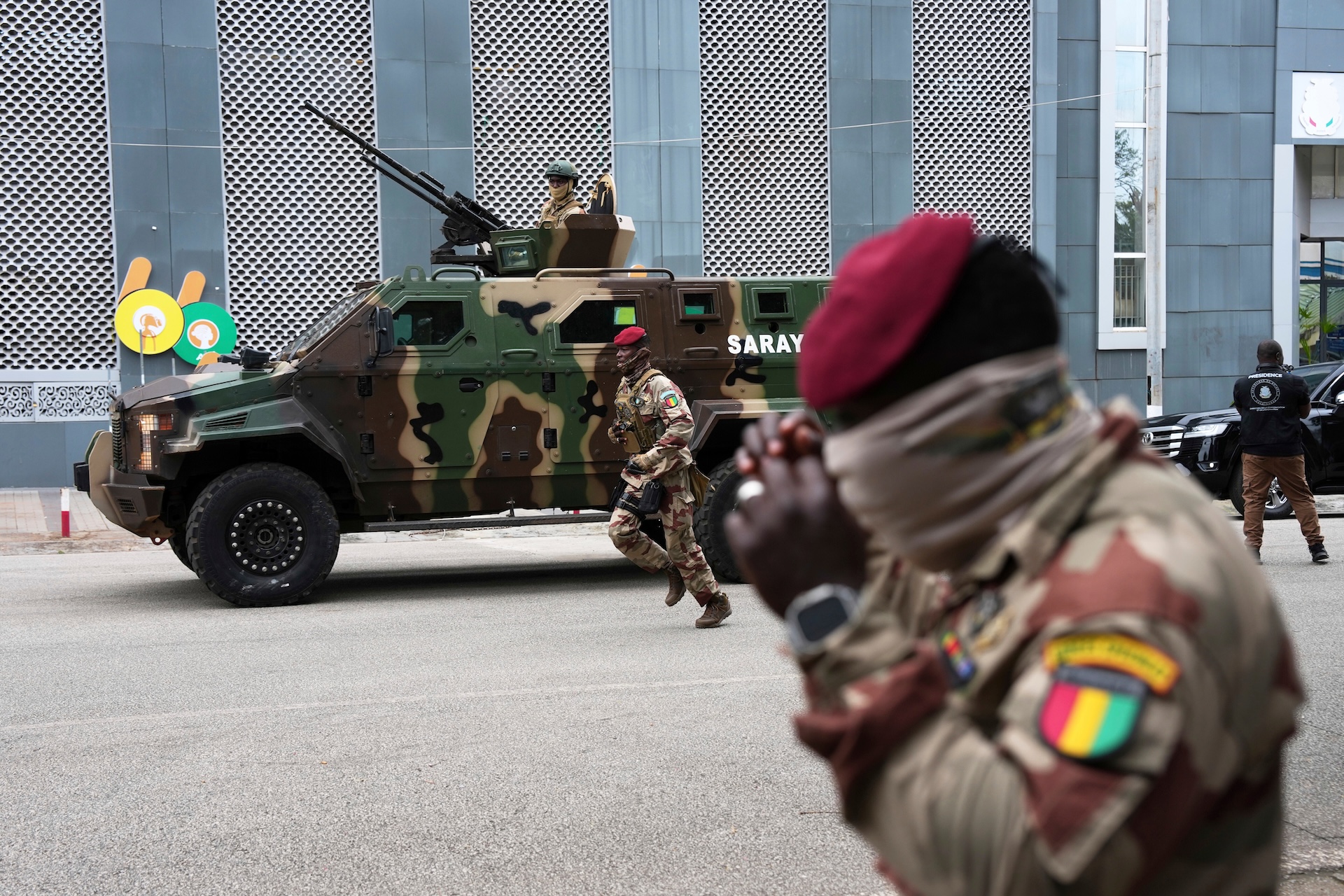
In late February, Chad closed its eastern border with Sudan following clashes with Sudanese militants near the frontier town of Tiné that killed five Chadian soldiers. The incident was part of a series of similarly violent incursions in recent months, signaling a new phase in Sudan’s brutal civil war. For nearly three years, the conflict has pitted the Sudanese Armed Forces, or SAF, against the paramilitary Rapid Support Forces, or RSF. It is now increasingly engulfing neighboring states.
For Chad and its embattled president, Mahamat Idriss Déby, the decision to close the border represented more than just a question of security. It was also a tacit admission that his strategy of trying to balance both sides in Sudan’s conflict has begun to unravel.
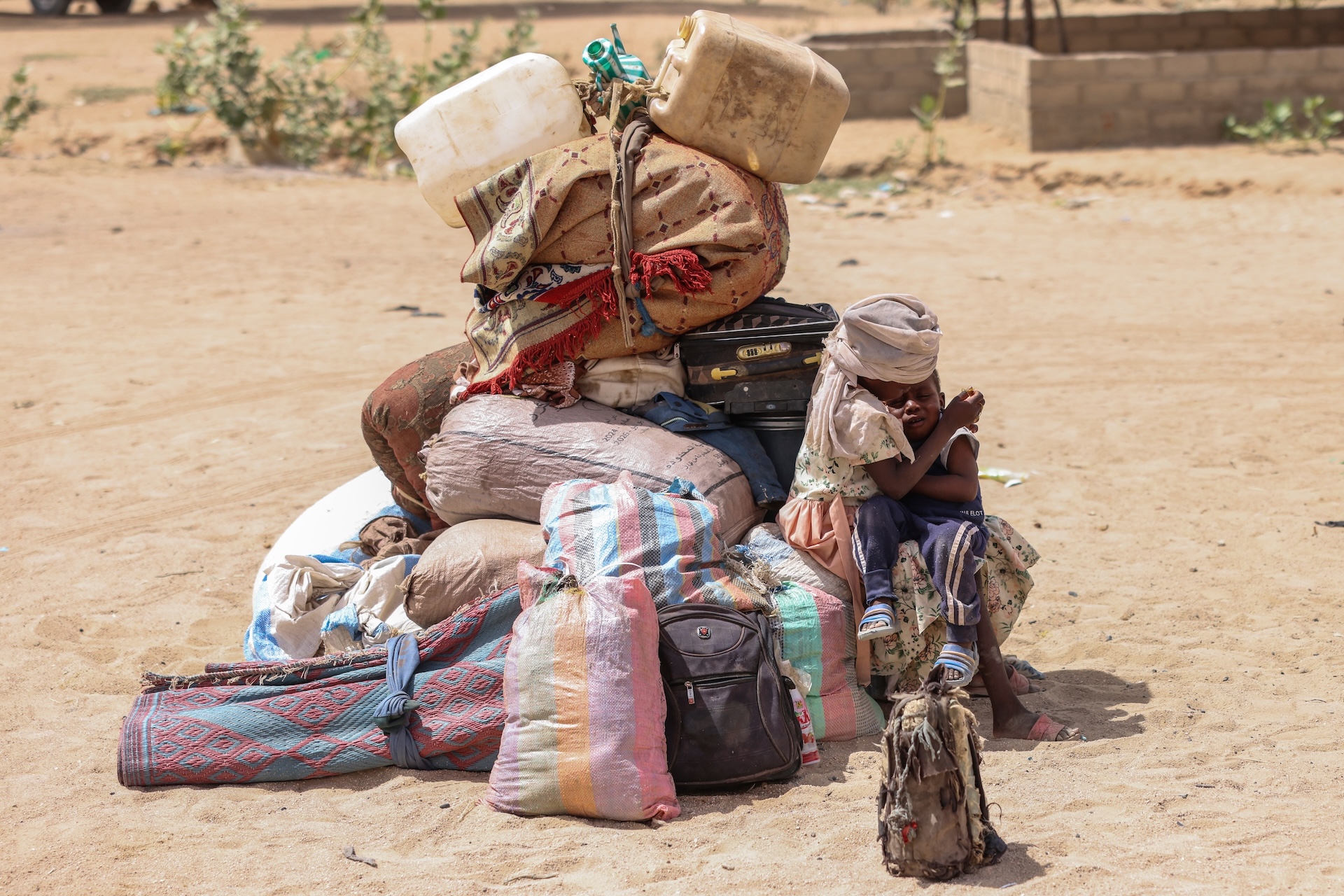
That strategy began as a calculated attempt to maintain influence in Sudan while securing financial support from his principal Gulf ally, the United Arab Emirates, itself the primary backer of the RSF. But it has evolved into an existential threat to Chad’s stability and to Déby’s grip on power. The consequences of this miscalculation are clear and far-reaching. Facing growing instability along his eastern border, including an influx of over 1.5 million Sudanese refugees that is straining the country’s limited resources, Déby is increasingly beholden to outside interests for his survival.



Comments (0)