Hungary’s Magyar Must Act Fast to Dismantle Orban’s Illiberal Regime
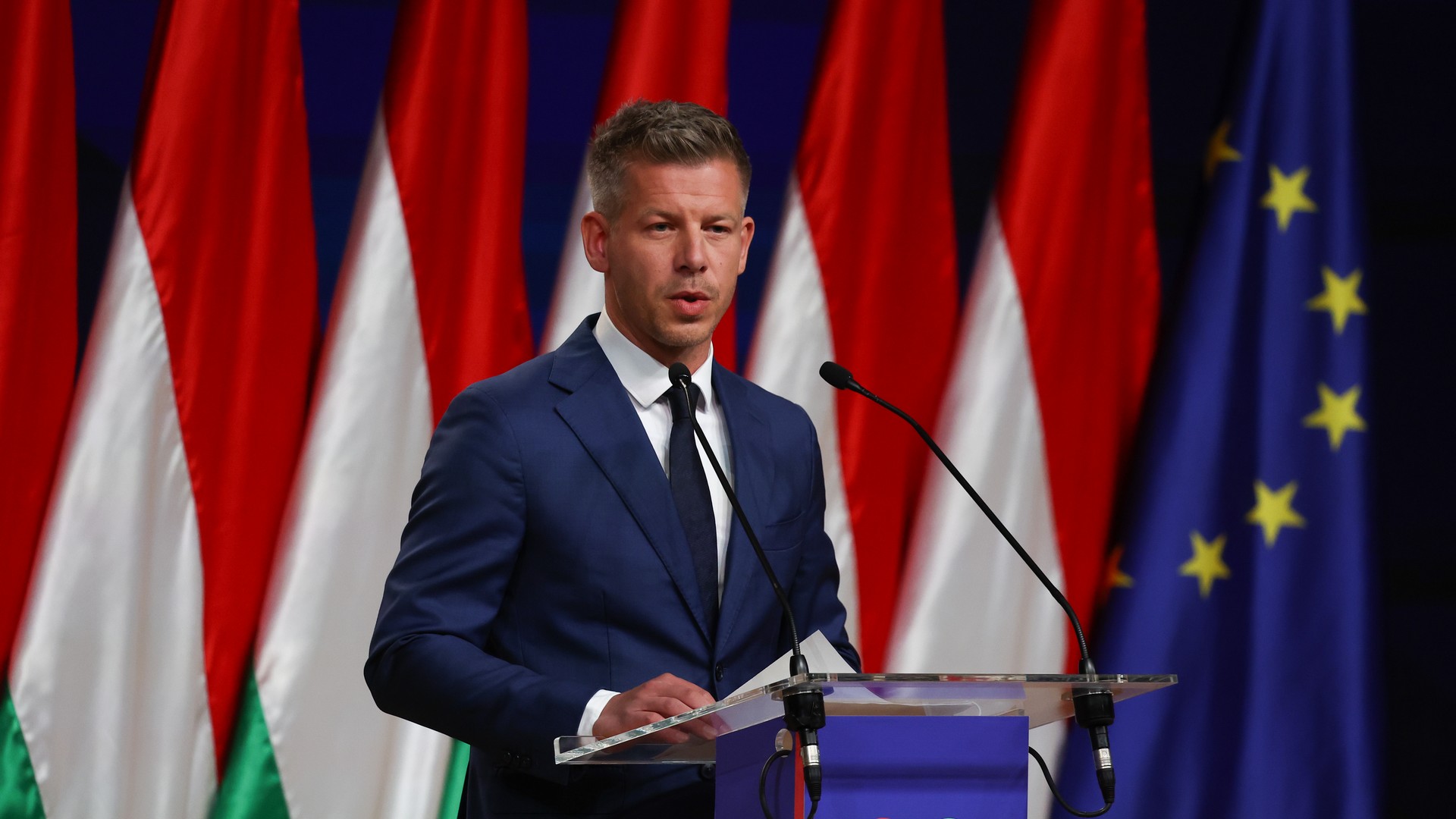
When Peter Magyar’s Tisza party won 141 of 199 seats in Hungary’s parliamentary elections on April 12, it was not just a defeat for outgoing Prime Minister Viktor Orban. The outcome, securing Tisza a two-thirds supermajority on a record 80 percent turnout, was a popular verdict on the system Orban built over his preceding 16 years in power. As his Fidesz party won successive elections, Orban progressively redesigned Hungary’s electoral and governance systems, redrawing electoral districts, capturing the courts, hollowing out independent media and embedding loyalists across every institution that might one day threaten his grip on power.
The euphoria in Budapest when the results were announced was therefore understandably palpable. “We did it,” Magyar told a crowd of cheering supporters beside the River Danube that night. “Together we overthrew the Hungarian regime.”
The question now, though, is whether the system Orban built can actually be dismantled, and the experience of Hungary’s regional neighbor to the north suggests the answer is far from straightforward or guaranteed.







Comments (0)