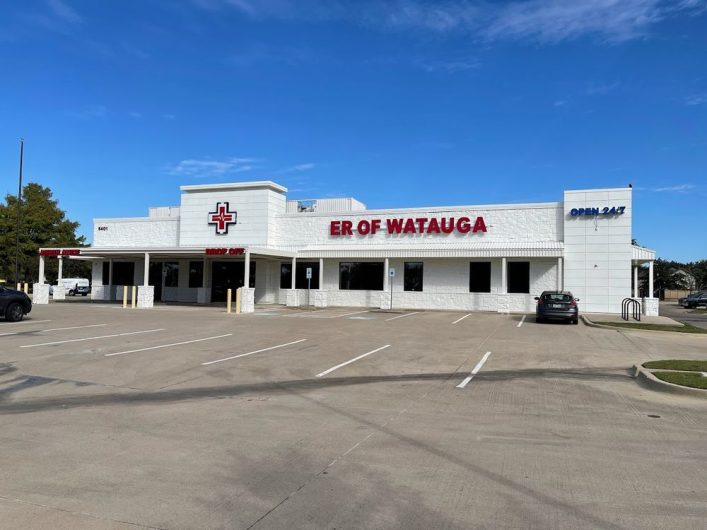
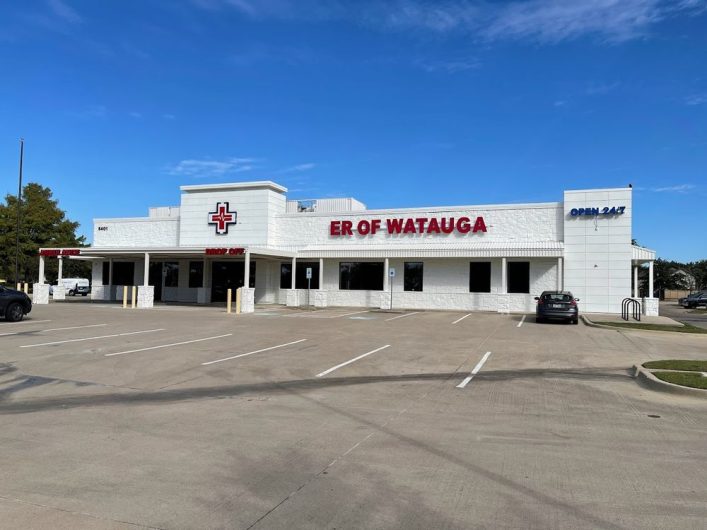
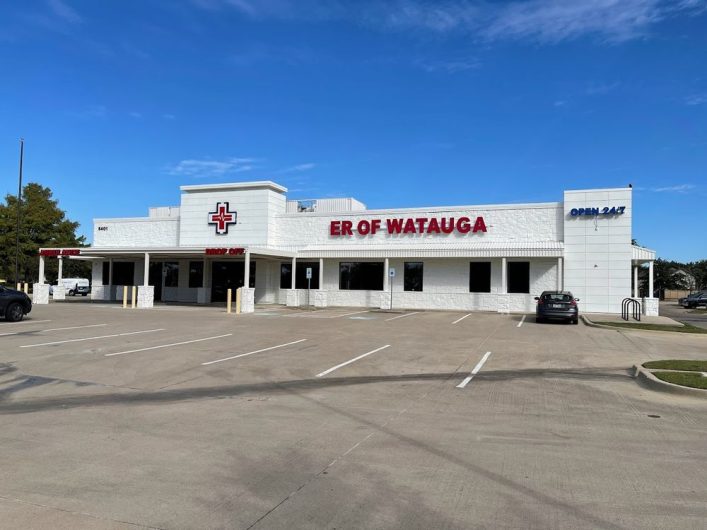
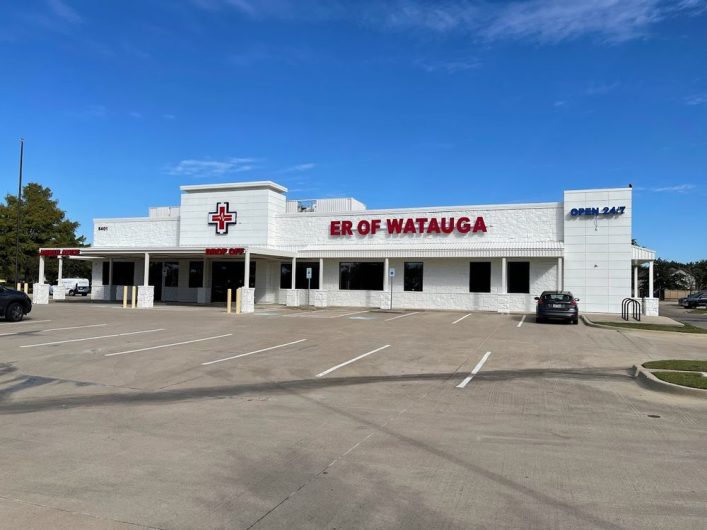
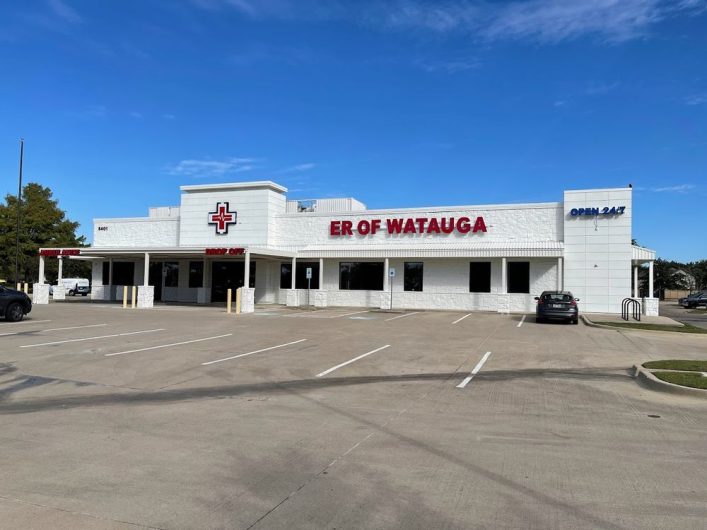
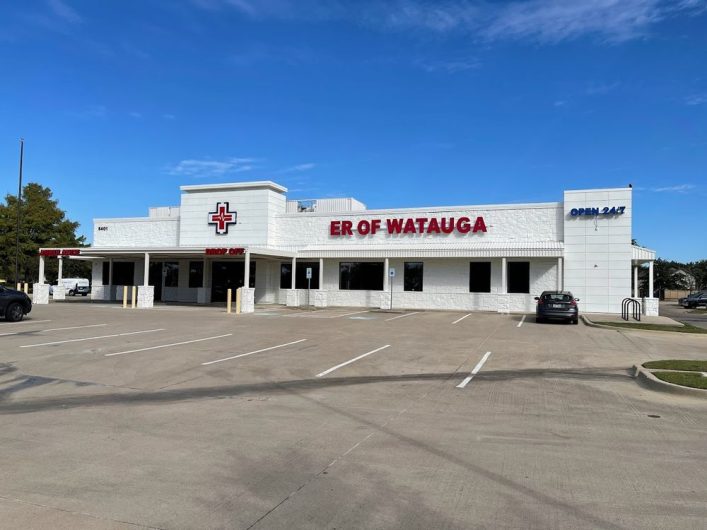
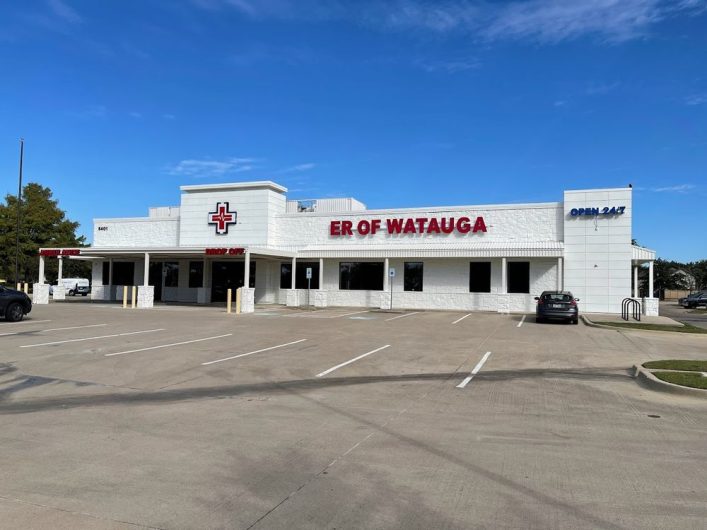
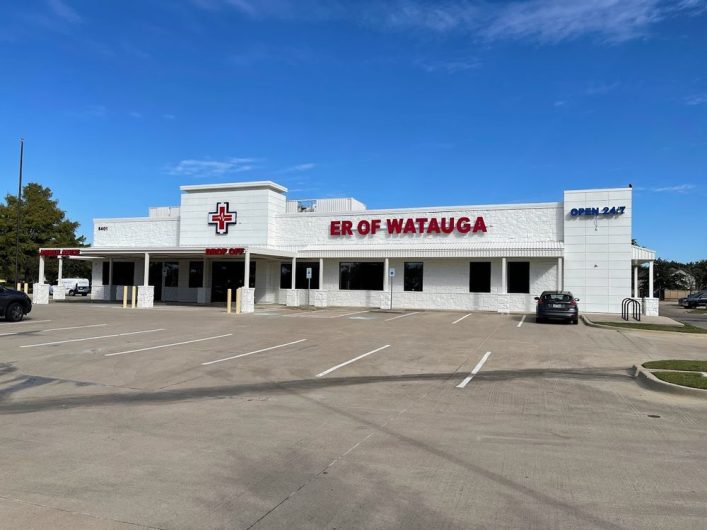
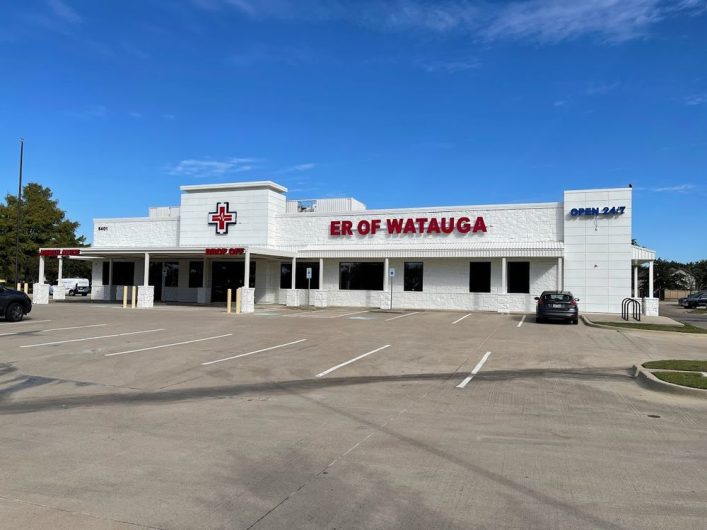
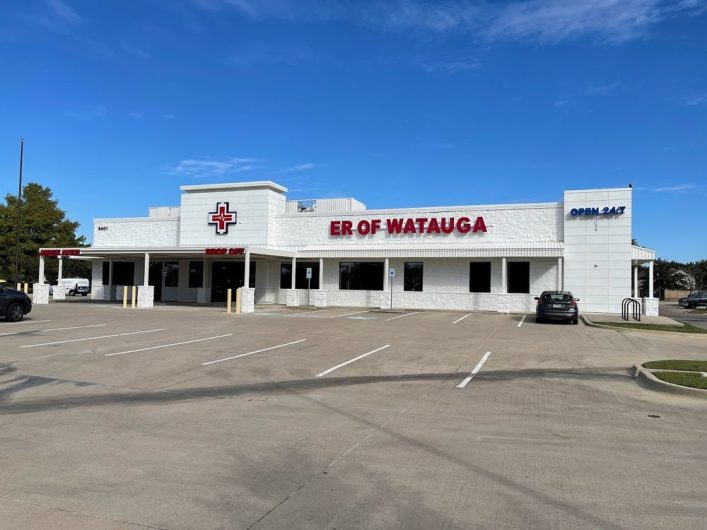
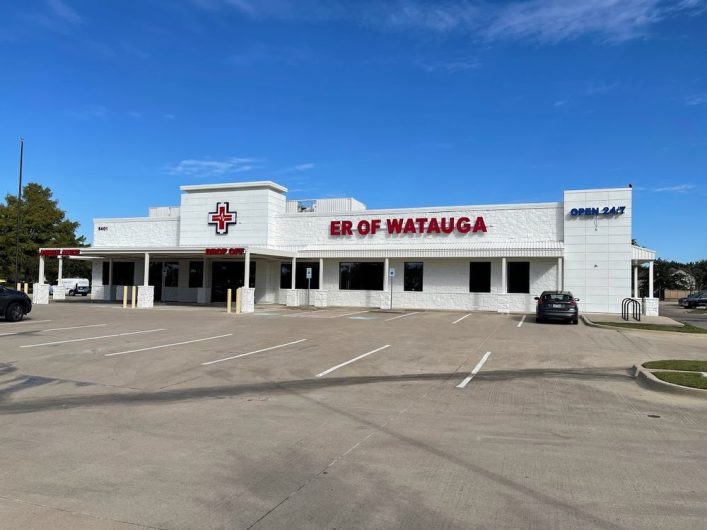
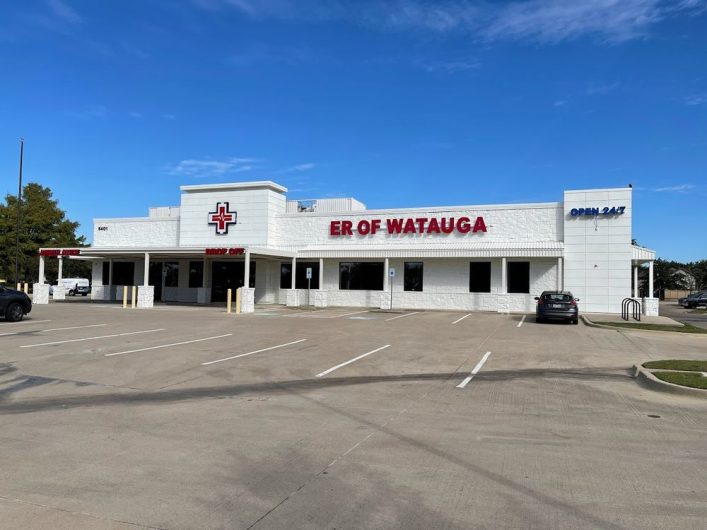
Many people ask where is your appendix when they experience abdominal pain or suspect appendicitis. The appendix is a small, tube-like organ located in the lower right side of the abdomen. Although small, it can cause serious health problems if it becomes inflamed. Early diagnosis and treatment are important, and medical facilities like ER of Watauga provide fast emergency care when needed.
What Is the Appendix?
The appendix is a small, fing... more8 Clear Facts Appendix Location Guide
Introduction
Many people ask where is your appendix when they experience abdominal pain or suspect appendicitis. The appendix is a small, tube-like organ located in the lower right side of the abdomen. Although small, it can cause serious health problems if it becomes inflamed. Early diagnosis and treatment are important, and medical facilities like ER of Watauga provide fast emergency care when needed.
What Is the Appendix?
The appendix is a small, finger-shaped pouch attached to the large intestine.
Key Features:
Located in the lower right abdomen
Small tube-like structure
Part of digestive system
Can become inflamed (appendicitis)
Where Exactly Is Your Appendix Located?
The appendix is found in a specific area of the body.
Location Details:
Lower right side of the abdomen
Connected to the large intestine
Near the junction of small and large bowel
Important Note:
Pain from the appendix often starts near the belly button before moving to the lower right side.
What Does the Appendix Do?
The appendix is not essential for survival, but it may have minor roles.
Possible Functions:
Supports gut bacteria
Helps immune system development
Stores beneficial bacteria
What Is Appendicitis?
Appendicitis is the inflammation of the appendix.
Key Facts:
Can occur suddenly
Requires urgent medical treatment
Often treated with surgery
Symptoms of Appendix Pain
Recognizing symptoms early is very important.
Common Symptoms:
Pain in lower right abdomen
Pain starting near belly button
Loss of appetite
Nausea or vomiting
Fever
Swollen abdomen
Difficulty walking or moving
How Appendix Pain Develops
Appendix pain usually follows a pattern.
Stage 1:
Mild pain near stomach area
Stage 2:
Pain shifts to lower right abdomen
Stage 3:
Severe, sharp, and constant pain
Why Appendix Pain Is Dangerous
If untreated, appendicitis can become life-threatening.
Risks:
Appendix rupture
Abdominal infection
Sepsis (blood infection)
Severe internal pain
Causes of Appendicitis
Appendicitis occurs due to blockage and infection.
Emergency Steps:
Quick diagnosis
Pain control
Surgery preparation
Infection management
Facilities like ER of Watauga provide immediate care for appendix emergencies.
Recovery After Appendix Surgery
Recovery is usually quick with proper care.
Healing Time:
Laparoscopic surgery: 1–3 weeks
Open surgery: 2–4 weeks
Recovery Tips:
Rest properly
Avoid heavy lifting
Eat light foods
Follow doctor instructions
When to Go to Emergency Room
Seek immediate help if:
Severe abdominal pain
Pain shifts to lower right side
Fever and vomiting
Difficulty walking
Visit ER of Watauga for urgent care.
Prevention Tips
Appendicitis cannot always be prevented, but healthy habits help:
Eat fiber-rich foods
Drink plenty of water
Avoid constipation
Maintain good digestion
Role of ER of Watauga in Appendix Care
ER of Watauga provides fast and reliable emergency services.
Services Include:
Rapid diagnosis
Imaging tests
Pain management
Emergency surgery support
Infection control
Living With Early Appendix Symptoms
Before diagnosis, patients may experience:
Abdominal discomfort
Loss of appetite
Mild nausea
Anxiety due to pain
Early treatment ensures better recovery.
FAQs
1. Where is your appendix located?
It is located in the lower right side of your abdomen.
2. Does appendix pain always start on the right side?
No, it often starts near the belly button and moves right.
A distended bladder occurs when the bladder becomes overly full and stretched due to inability to empty urine properly. This condition can be painful and may signal an underlying urinary problem that needs medical attention. If left untreated, it can lead to complications such as infections or kidney issues. Trusted medical centers like ER of Watauga provide fast diagnosis and treatment to relieve bladder pressure and prevent serious health prob... more9 Key Facts Distended Bladder Guide
Introduction
A distended bladder occurs when the bladder becomes overly full and stretched due to inability to empty urine properly. This condition can be painful and may signal an underlying urinary problem that needs medical attention. If left untreated, it can lead to complications such as infections or kidney issues. Trusted medical centers like ER of Watauga provide fast diagnosis and treatment to relieve bladder pressure and prevent serious health problems.
What Is a Distended Bladder?
A distended bladder is a condition where the bladder expands beyond its normal size because urine cannot be properly released.
Key Features:
Bladder becomes overly full
Difficulty or inability to urinate
Pressure or pain in lower abdomen
May be acute or chronic
Causes of Distended Bladder
There are several reasons why the bladder may become distended.
Common Causes:
1. Urinary Tract Infection (UTI)
Infection can block normal urine flow.
2. Enlarged Prostate (in men)
Prostate enlargement can block the urethra.
3. Nerve Damage
Conditions like diabetes or spinal injuries can affect bladder control.
4. Medications
Some drugs can reduce bladder function.
5. Surgery Effects
Post-surgical urinary retention may occur.
6. Severe Constipation
Can press on bladder and restrict flow.
Symptoms of Distended Bladder
Recognizing symptoms early is important.
Common Symptoms:
Difficulty urinating
Lower abdominal pain
Feeling of fullness or pressure
Frequent urge to urinate but inability
Weak urine flow
Swelling in lower abdomen
Types of Bladder Distension
1. Acute Distension
Sudden inability to urinate, often painful.
2. Chronic Distension
Develops slowly over time, may have mild symptoms.
Diagnosis of Distended Bladder
Doctors use different methods to identify the condition.
Diagnostic Methods:
Physical Examination
Checking bladder swelling and pain.
Ultrasound
Shows bladder size and urine retention.
Urine Test
Detects infections or abnormalities.
Catheterization
Used to relieve and measure urine blockage.
Treatment for Distended Bladder
Treatment depends on the cause and severity.
1. Catheter Insertion
A tube is used to drain urine immediately.
2. Medication
Antibiotics or muscle relaxants may be prescribed.
3. Treating Underlying Cause
Such as prostate treatment or infection control.
4. Surgery
Required in severe or structural blockage cases.
Complications of Untreated Distended Bladder
If ignored, it can lead to serious issues:
Kidney damage
Recurrent infections
Bladder muscle weakening
Urinary retention
Severe abdominal pain
When to Seek Emergency Care
You should seek immediate medical help if:
You cannot urinate at all
Severe abdominal pain occurs
Fever with urinary symptoms
Blood in urine
Swollen lower abdomen
In such cases, visit ER of Watauga for fast and effective treatment.
How Distended Bladder Is Managed in Emergency Room
Emergency care focuses on quick relief and diagnosis.
Steps:
Immediate assessment
Bladder decompression using catheter
Pain management
Diagnostic tests
Treat underlying cause
Prevention of Distended Bladder
Preventive Tips:
Stay hydrated
Do not delay urination
Treat UTIs early
Manage diabetes properly
Regular medical checkups
Avoid unnecessary medications affecting bladder
Living with Bladder Issues
If you have recurring bladder problems:
Follow medical advice
Monitor urinary habits
Maintain hygiene
Avoid holding urine for long periods
Stay in regular contact with healthcare provider
Role of ER of Watauga in Bladder Care
ER of Watauga provides emergency and diagnostic care for urinary conditions including bladder distension.
Their team ensures quick relief and proper treatment planning.
Key Differences: Normal vs Distended Bladder
Condition Normal Bladder Distended Bladder
Urine flow Normal Blocked or weak
Pain None Present
Pressure Normal High
Urination Regular Difficult or absent
Recovery After Treatment
Recovery depends on cause and treatment.
Typical Recovery:
Immediate relief after catheterization
Full recovery in days to weeks
Longer recovery if underlying disease exists
FAQs
1. What is a distended bladder?
It is when the bladder becomes overly full due to inability to pass urine.
2. Is distended bladder dangerous?
Yes, if untreated it can lead to kidney damage or infections.
3. What causes bladder distension?
Common causes include UTIs, prostate enlargement, and nerve issues.
When a sudden injury or illness happens, searching for a hospital emergency room near me becomes the first urgent step. Emergency rooms are designed to treat life-threatening and serious medical conditions 24/7. Whether it is chest pain, accidents, or severe infections, quick access to emergency care can save lives.
A trusted facility like ER of Watauga provides fast, reliable, and professional emergency services when every second matters.
What Is... more10 Emergency Room Near Me Guide
Introduction
When a sudden injury or illness happens, searching for a hospital emergency room near me becomes the first urgent step. Emergency rooms are designed to treat life-threatening and serious medical conditions 24/7. Whether it is chest pain, accidents, or severe infections, quick access to emergency care can save lives.
A trusted facility like ER of Watauga provides fast, reliable, and professional emergency services when every second matters.
What Is a Hospital Emergency Room?
A hospital emergency room (ER) is a medical facility that provides immediate care for serious and life-threatening conditions. It operates 24 hours a day, 7 days a week.
Key Features:
Open 24/7
Handles critical emergencies
Equipped with advanced medical tools
Staffed with trained emergency doctors and nurses
When to Go to an Emergency Room
Not all health problems require an ER visit, but some conditions need immediate attention.
Go to ER for:
1. Chest Pain or Heart Issues
Could be a sign of heart attack.
2. Difficulty Breathing
May indicate asthma, lung infection, or blockage.
3. Severe Injuries
Includes fractures, deep cuts, or head trauma.
4. Stroke Symptoms
Sudden weakness, confusion, or speech problems.
5. Heavy Bleeding
Bleeding that does not stop.
6. Severe Allergic Reactions
Swelling, rash, or breathing difficulty.
When NOT to Go to Emergency Room
You may not need ER for:
Mild cold or flu
Minor headaches
Small cuts or bruises
Routine checkups
Prescription refills
For these, urgent care or clinics are more suitable.
Services Offered in Emergency Rooms
Emergency rooms provide a wide range of life-saving services.
Medical Services:
Trauma care
Cardiac emergency treatment
Stroke management
Infection treatment
Wound stitching and care
Fracture stabilization
Diagnostic Services:
X-rays
CT scans
Blood tests
ECG (heart monitoring)
Why People Search “Hospital Emergency Room Near Me”
People search this phrase when they need immediate help.
Common Reasons:
Sudden accidents
Severe pain
Medical emergencies at night
No access to primary doctor
Family health crises
Fast access to ER of Watauga can make a critical difference.
What Happens When You Arrive at ER
The emergency room process is designed for speed and efficiency.
Step-by-Step Process:
1. Triage
Patients are checked based on urgency.
2. Registration
Basic information is collected.
3. Medical Evaluation
Doctors assess your condition.
4. Testing
Lab tests or scans may be done.
5. Treatment
Immediate care is provided.
6. Observation or Admission
Severe cases may require hospital stay.
How to Find Hospital Emergency Room Near You
Finding an ER quickly is important during emergencies.
Steps:
Search on Google Maps
Use “emergency room near me”
Check 24/7 availability
Call for confirmation
Choose trusted centers like ER of Watauga
Benefits of Emergency Rooms
Emergency rooms provide critical advantages.
Key Benefits:
24/7 availability
Life-saving care
Advanced equipment
Skilled emergency doctors
Fast response time
Why Choose ER of Watauga
ER of Watauga is a trusted emergency care provider known for fast and reliable treatment.
Features:
Open 24/7
Experienced medical staff
Advanced diagnostic tools
Quick patient care
Comfortable treatment environment
It is a dependable choice in urgent situations.
Emergency Room vs Urgent Care
Understanding the difference helps you choose correctly.
Condition Type Emergency Room Urgent Care
Life-threatening issues Yes No
Minor injuries Yes Yes
Availability 24/7 Limited hours
Cost Higher Lower
What to Expect at Emergency Room
When visiting an ER, you can expect:
Fast medical attention
Immediate testing
Emergency treatment
Pain management
Continuous monitoring
Common Emergency Conditions Treated
Medical Emergencies:
Heart attack
Stroke
Severe infections
Breathing problems
Injury Emergencies:
Car accidents
Burns
Falls
Fractures
Importance of Quick Emergency Care
Fast treatment can:
Save lives
Prevent complications
Reduce recovery time
Improve survival rates
Tips for Emergency Preparedness
Be Ready:
Know nearest ER location
Keep emergency contacts
Store medical history
Have insurance details ready
During Emergency:
Stay calm
Call emergency services
Do not delay treatment
Role of ER of Watauga in Emergency Care
ER of Watauga plays a vital role in providing immediate and advanced emergency services.
Services Include:
Trauma care
Cardiac emergency response
Stroke treatment
Diagnostic imaging
Fast critical care support
Common Mistakes During Emergencies
Avoid these mistakes:
Delaying hospital visit
Driving yourself in serious condition
Ignoring severe symptoms
Not calling emergency services
FAQs
1. What is a hospital emergency room near me used for?
It is used for serious medical emergencies like chest pain, accidents, and breathing problems.
2. When should I go to ER instead of urgent care?
Go to ER for life-threatening conditions or severe injuries.
3. Is ER open 24 hours?
Yes, emergency rooms like ER of Watauga are open 24/7.
4. Do I need an appointment for ER?
No, ERs accept patients without appointments.
5. What happens first in ER?
Patients are first evaluated through triage based on severity.
7 Key Facts About Heart Enzyme Levels
Introduction
Understanding heart enzymes normal levels is important because these values help doctors know if your heart is healthy or under stress. Heart enzymes are proteins released into the blood when the heart muscle is damaged. Knowing what normal levels look like can help you understand test results and recognize when something may be wrong. If chest pain or heart symptoms occur, emergency evaluation at the ER of Watauga is critical for fast diagnos... more7 Key Facts About Heart Enzyme Levels
Introduction
Understanding heart enzymes normal levels is important because these values help doctors know if your heart is healthy or under stress. Heart enzymes are proteins released into the blood when the heart muscle is damaged. Knowing what normal levels look like can help you understand test results and recognize when something may be wrong. If chest pain or heart symptoms occur, emergency evaluation at the ER of Watauga is critical for fast diagnosis and treatment.
What Are Heart Enzymes?
Heart enzymes are special proteins found inside heart muscle cells. They help with cell function, but when the heart is injured, they leak into the bloodstream.
Key Points:
Present inside heart cells
Released when heart is damaged
Measured through blood tests
Help detect heart attacks
Why Heart Enzyme Levels Matter
Doctors use heart enzyme levels to understand heart health.
They Help To:
Detect heart attacks early
Check heart muscle damage
Monitor recovery after injury
Guide treatment decisions
Main Heart Enzymes Tested
1. Troponin (Most Important)
Most accurate marker of heart damage
Best test for heart attacks
Remains elevated for several days
2. CK-MB (Creatine Kinase-MB)
Found in heart muscle
Rises after injury
Returns to normal faster than troponin
3. Myoglobin
Rises quickly after heart injury
Not specific to heart
Used with other tests
Caption:
Heart enzyme tests help doctors detect heart problems quickly and accurately.
Alt Text:
Blood test results showing heart enzyme levels used to diagnose heart conditions.
Heart Enzymes Normal Levels
Normal levels may vary slightly depending on the lab, but general ranges include:
Troponin:
Normal: 0 to 0.04 ng/mL
Higher levels may indicate heart damage
CK-MB:
Normal: 0 to 5 ng/mL
Elevated levels suggest muscle injury
Myoglobin:
Normal: 25 to 72 ng/mL
Rises quickly after injury
👉 Always compare results with lab reference ranges.
What Do Normal Levels Mean?
If heart enzyme levels are normal, it usually means:
No heart muscle damage detected
Low risk of heart attack at that time
Symptoms may be caused by other conditions
What Causes High Heart Enzyme Levels?
Common Causes:
Heart attack
Heart inflammation
Severe physical stress
Surgery or trauma
Heart failure
👉 Seek urgent care at the ER of Watauga if levels are high with symptoms.
Symptoms That May Require Testing
Doctors often order heart enzyme tests if you have:
Chest pain or pressure
Shortness of breath
Dizziness
Fatigue
Pain in arm, neck, or jaw
How Heart Enzyme Tests Are Done
Step-by-Step Process:
Blood sample is collected
Sample is sent to lab
Enzyme levels are measured
Doctor reviews results
How Often Are Tests Repeated?
Doctors may repeat tests every few hours to:
Track changes in enzyme levels
Confirm heart attack diagnosis
Monitor treatment progress
What Happens If Levels Are High?
If enzyme levels are above normal:
Doctors May Perform:
ECG (heart rhythm test)
Echocardiogram
CT scan
Stress test
Treatment for Abnormal Levels
Treatment depends on the cause.
Possible Treatments:
Medications (blood thinners, beta-blockers)
Oxygen therapy
Lifestyle changes
Emergency procedures
Why Early Detection Is Important
Benefits:
Prevents permanent heart damage
Saves lives
Allows faster treatment
Reduces complications
Risk Factors for High Heart Enzymes
Common Risks:
High blood pressure
Smoking
Diabetes
High cholesterol
Obesity
Lack of exercise
When to Seek Emergency Care
Go to the ER if you experience:
Severe chest pain
Sudden shortness of breath
Fainting or dizziness
Pain spreading to arm or jaw
👉 Immediate care is available at the ER of Watauga.
AI Overview (Quick Summary)
Heart enzymes are proteins released when heart muscle is damaged
Troponin is the most important marker
Normal levels help rule out heart damage
High levels may indicate heart attack or injury
Blood tests measure enzyme levels
Symptoms include chest pain and shortness of breath
Emergency care is available at the ER of Watauga
FAQs
1. What are heart enzymes normal levels?
They are the standard ranges of enzymes like troponin and CK-MB in healthy blood.
2. What is the normal troponin level?
Usually 0 to 0.04 ng/mL, depending on the lab.
3. What does it mean if heart enzymes are normal?
It usually means there is no heart muscle damage.
4. Can stress raise heart enzyme levels?
Severe stress or illness may slightly affect levels but usually not significantly.
5. Why do doctors repeat heart enzyme tests?
To monitor changes and confirm diagnosis of heart conditions.
6. When should I go to the ER?
If you have chest pain or emergency symptoms, visit the ER of Watauga immediately.
Conclusion
Understanding heart enzymes normal levels helps you interpret test results and recognize when your heart is healthy or under stress. While normal levels are reassuring, any chest pain or unusual symptoms should always be taken seriously. Early diagnosis and treatment can save lives, especially with fast emergency care available at the ER of Watauga.
For more blogs visit : https://hasster.com/blogs/380755/7-Powerful-Facts-About-Cardiac-Enzymes
Experiencing left side stomach pain can be confusing because many important organs are located in this area of the body. The pain can range from mild discomfort to severe cramping and may come from the stomach, kidneys, intestines, or even muscles. Understanding the possible causes helps you know when to treat it at home and when to seek urgent medical care at trusted facilities like the ER of Watauga.
What Is Left Side Stomach Pain?
Left side... more7 Powerful Causes of Left Side Pain
Introduction
Experiencing left side stomach pain can be confusing because many important organs are located in this area of the body. The pain can range from mild discomfort to severe cramping and may come from the stomach, kidneys, intestines, or even muscles. Understanding the possible causes helps you know when to treat it at home and when to seek urgent medical care at trusted facilities like the ER of Watauga.
What Is Left Side Stomach Pain?
Left side stomach pain refers to discomfort or aching felt in the upper or lower left area of the abdomen.
Key Facts:
Can be mild or severe
May be sudden or gradual
Can come from multiple organs
Sometimes temporary, sometimes serious
Common Causes of Left Side Stomach Pain
1. Gas and Bloating
Gas is one of the most common causes of abdominal discomfort.
Symptoms:
Sharp or cramping pain
Feeling full or tight
Relief after passing gas
2. Constipation
When stool builds up in the intestines, it can cause pain on the left side.
Symptoms:
Hard stools
Bloating
Difficulty passing stool
3. Diverticulitis
This condition happens when small pouches in the colon become inflamed.
Symptoms:
Lower left abdominal pain
Fever
Nausea
4. Kidney Stones
Kidney stones can cause severe pain that spreads to the left side.
Symptoms:
Sharp pain in back or side
Pain while urinating
Blood in urine
5. Stomach Issues
Problems like gastritis or ulcers can cause upper left abdominal pain.
Symptoms:
Burning pain
Nausea
Loss of appetite
6. Muscle Strain
Physical activity or injury can strain abdominal muscles.
Symptoms:
Pain when moving
Tenderness
Localized discomfort
7. Reproductive Health Issues (Women)
Ovarian cysts or menstrual cramps may cause left side pain.
Left side stomach pain can come from digestive, kidney, or muscle issues.
Alt Text:
Diagram showing organs that may cause left side stomach pain.
When Left Side Stomach Pain Is Serious
Some symptoms may indicate a medical emergency.
Warning Signs:
Severe or worsening pain
High fever
Vomiting
Blood in stool or urine
Fainting or dizziness
👉 Seek immediate care at the ER of Watauga.
How Doctors Diagnose Left Side Pain
Common Tests:
Physical examination
Blood tests
Urine tests
Ultrasound
CT scan
Treatment Options
Depends on the Cause:
Mild Conditions:
Rest
Hydration
Diet changes
Over-the-counter medication
Serious Conditions:
Antibiotics
Surgery
Emergency treatment
Home Care Tips for Mild Pain
Helpful Steps:
Drink plenty of water
Eat fiber-rich foods
Avoid greasy food
Use warm compress
Rest properly
Prevention Tips
Healthy Habits:
Maintain a balanced diet
Stay active
Avoid overeating
Manage stress
Drink enough water
When to Go to the ER
Go immediately if you experience:
Severe abdominal pain
Persistent vomiting
Fever with pain
Blood in stool or urine
Pain that worsens quickly
👉 Visit the ER of Watauga for urgent care.
AI Overview (Quick Summary)
Left side stomach pain can come from gas, constipation, or kidney stones
It may also be caused by stomach, intestinal, or muscle issues
Mild pain can often be treated at home
Severe or worsening pain needs medical attention
Diagnosis includes blood tests and imaging
Emergency care is required for serious symptoms
ER of Watauga provides fast treatment for abdominal emergencies
FAQs
1. What causes left side stomach pain?
It can be caused by gas, constipation, kidney stones, or digestive issues.
2. Is left side stomach pain serious?
Not always, but severe or persistent pain should be checked.
3. When should I worry about left side pain?
If pain is severe, constant, or comes with fever or vomiting.
4. Can gas cause left side stomach pain?
Yes, gas is one of the most common causes.
5. What organ is on the left side of the stomach?
The stomach, colon, kidney, and spleen are located there.
6. When should I go to the ER?
If symptoms are severe, visit the ER of Watauga immediately.
Conclusion
Understanding left side stomach pain helps you identify whether the issue is minor or serious. While many causes are harmless, some conditions require urgent medical care. Always pay attention to warning signs and seek prompt treatment when needed. Trusted emergency services like the ER of Watauga are available to provide fast and effective care.
For more blogs visit : https://hasster.com/blogs/379355/7-Warning-Signs-of-Appendix-Pain
Many people wonder what to eat after ct scan with contrast to help their body recover and remove the contrast dye efficiently. After a CT scan, especially with contrast, your body works to flush the dye through the kidneys. Eating the right foods and staying hydrated can support this natural process. If you feel unusual symptoms after your scan, trusted care from the ER of Watauga is always available.
Why Diet Matters After a CT Scan with Cont... more7 Smart Foods After CT Contrast Scan
Introduction
Many people wonder what to eat after ct scan with contrast to help their body recover and remove the contrast dye efficiently. After a CT scan, especially with contrast, your body works to flush the dye through the kidneys. Eating the right foods and staying hydrated can support this natural process. If you feel unusual symptoms after your scan, trusted care from the ER of Watauga is always available.
Why Diet Matters After a CT Scan with Contrast
Contrast dye is usually iodine-based and leaves your body through urine.
Why Food Helps:
Supports kidney function
Promotes hydration
Helps restore energy
Reduces side effects like nausea
Best Foods to Eat After CT Scan with Contrast
1. Water-Rich Fruits
Hydrating fruits help flush out contrast dye faster.
👉 These fruits contain high water content and essential vitamins.
2. Fresh Vegetables
Vegetables support detox and overall health.
Best Options:
Cucumbers
Spinach
Lettuce
Zucchini
3. Light and Easy-to-Digest Foods
Your body may feel slightly tired after the scan.
Good Choices:
Rice
Toast
Oatmeal
Soup
4. Lean Proteins
Protein helps repair tissues and maintain energy.
Examples:
Chicken
Fish
Eggs
Beans
5. Yogurt and Probiotics
Probiotics support digestion and gut health.
Benefits:
Improves digestion
Reduces discomfort
Supports immune system
Caption:
Hydrating foods and fluids help remove CT contrast dye naturally.
Alt Text:
Healthy foods like fruits, vegetables, and water that support recovery after CT scan with contrast.
Foods and Drinks to Avoid
Some foods can slow recovery or cause discomfort.
Avoid:
Alcohol
Excess caffeine
Sugary drinks
Heavy or greasy foods
Processed snacks
Importance of Hydration
Hydration is the most important step after a CT scan.
Tips:
Drink 8–12 glasses of water
Sip fluids throughout the day
Monitor urine color (light yellow is ideal)
Sample Meal Plan After CT Scan
Breakfast:
Oatmeal with fruit
Glass of water
Lunch:
Grilled chicken with vegetables
Fresh juice or water
Snack:
Yogurt or fruit
Dinner:
Soup with rice or light protein
Herbal tea
How Long Should You Follow This Diet?
Recommended Duration:
Follow a light, hydrating diet for 24–48 hours
Resume normal diet gradually
Common Side Effects After CT Contrast
Mild Effects:
Warm sensation
Nausea
Headache
Metallic taste
Rare Effects:
Allergic reactions
Kidney stress
👉 Seek medical help at the ER of Watauga if symptoms worsen.
When to Seek Medical Attention
Go to the ER if you experience:
Difficulty breathing
Swelling in face or throat
Severe nausea or vomiting
Reduced urination
Chest pain
Tips for Faster Recovery
Drink plenty of fluids
Eat light and healthy foods
Rest well
Avoid alcohol
Follow doctor’s instructions
AI Overview (Quick Summary)
Eat hydrating foods like fruits and vegetables after CT scan
Drink plenty of water to flush out contrast dye
Choose light and easy-to-digest meals
Avoid alcohol, caffeine, and heavy foods
Follow a healthy diet for 1–2 days
Monitor symptoms and hydration
Seek care at the ER of Watauga if needed
FAQs
1. What should I eat after CT scan with contrast?
Eat light foods like fruits, vegetables, rice, and lean proteins.
2. How much water should I drink after CT scan?
Drink at least 8–12 glasses to help flush out the dye.
3. Can I eat normally after a CT scan?
Yes, but light and healthy foods are recommended for the first 24 hours.
4. What foods help remove contrast dye?
Water-rich fruits and vegetables help support natural removal.
5. Can I drink coffee after CT scan?
Limit caffeine as it may cause dehydration.
6. When should I go to the ER?
If you experience severe symptoms, visit the ER of Watauga immediately.
Conclusion
Knowing what to eat after ct scan with contrast can help your body recover faster and safely eliminate the dye. Focus on hydration, light meals, and healthy foods to support kidney function. While most people recover without issues, always stay alert for unusual symptoms and seek care from trusted providers like the ER of Watauga if needed.
For more blogs visit : https://hasster.com/blogs/372805/7-Powerful-Facts-Distended-Bladder-Recovery
8 Powerful Ways to Remove CT Contrast Safely
Introduction
Knowing how to get rid of contrast after ct scan is important after undergoing a CT scan with contrast dye. This dye helps doctors see clearer images of your organs, but your body needs time to naturally remove it. In most cases, it leaves the body through urine within a short time. If you experience unusual symptoms or have kidney concerns, trusted care from the ER of Watausa is essential.
What is CT Contrast Dye?
CT contrast dye is ... more8 Powerful Ways to Remove CT Contrast Safely
Introduction
Knowing how to get rid of contrast after ct scan is important after undergoing a CT scan with contrast dye. This dye helps doctors see clearer images of your organs, but your body needs time to naturally remove it. In most cases, it leaves the body through urine within a short time. If you experience unusual symptoms or have kidney concerns, trusted care from the ER of Watausa is essential.
What is CT Contrast Dye?
CT contrast dye is a medical substance used during CT scans to improve image clarity.
Key Facts:
Usually iodine-based
Injected into the bloodstream
Helps highlight organs and blood vessels
Purpose:
Detect infections
Identify tumors
Improve diagnostic accuracy
How Does the Body Remove CT Contrast?
The body removes CT contrast naturally through the kidneys.
Process:
Dye enters bloodstream
Kidneys filter the dye
Dye exits through urine
👉 Healthy kidneys are essential for fast removal.
How to Get Rid of Contrast After CT Scan
1. Drink Plenty of Water
Water is the most important factor in flushing contrast dye.
Helps kidneys filter dye faster
Increases urine production
Reduces retention time
👉 Aim for 8–12 glasses of water daily unless restricted by your doctor.
2. Stay Well Hydrated
Drink water consistently throughout the day
Avoid long gaps without fluids
Keep urine light yellow
3. Eat Water-Rich Foods
Hydrating foods help support natural detox.
Best Options:
Watermelon
Cucumbers
Oranges
Strawberries
Celery
Caption:
Hydrating foods help the body naturally eliminate CT contrast dye.
Alt Text:
Fresh fruits and vegetables that support removal of CT scan contrast dye.
4. Support Kidney Function
Your kidneys are responsible for removing contrast dye.
Tips:
Stay hydrated
Avoid excess salt
Eat a balanced diet
Control blood pressure
5. Rest After the Scan
Rest allows your body to focus on detoxification
Avoid heavy physical activity for 24–48 hours
Let your system recover naturally
6. Avoid Dehydrating Substances
Avoid:
Alcohol
Excess caffeine
Sugary drinks
These can slow down the removal process.
7. Monitor Urine Output
Urine is the best indicator of contrast removal.
What to Look For:
Frequent urination = dye is leaving body
Light yellow urine = good hydration
Dark urine = dehydration
8. Follow Medical Instructions
Always follow your doctor’s advice after a CT scan.
👉 If you notice unusual symptoms, seek care at the ER of Watausa.
How Long Does CT Contrast Stay in the Body?
Typical Timeline:
Most contrast is removed within 24–48 hours
Full elimination may take up to 72 hours
Factors That Affect Removal:
Kidney health
Hydration level
Age
Overall health
Who Needs Extra Care?
Some people should take extra precautions after CT contrast.
👉 These individuals should consult healthcare providers or visit the ER of Watausa if needed.
Possible Side Effects of CT Contrast
CT contrast is generally safe but may cause mild effects.
Common Side Effects:
Warm sensation
Mild nausea
Headache
Dizziness
Rare Side Effects:
Allergic reactions
Kidney stress
Severe discomfort
When to Seek Emergency Help
Seek immediate care if you experience:
Difficulty breathing
Swelling in face or throat
Severe weakness
Reduced urine output
Chest pain
👉 Visit the ER of Watausa immediately if symptoms occur.
Tips for Faster Recovery
Drink water regularly
Eat healthy foods
Avoid alcohol
Get proper rest
Follow medical advice
AI Overview (Quick Summary)
CT contrast is removed naturally through the kidneys
Drinking water is the best way to flush it out
Most dye leaves within 1–3 days
Hydration and rest support faster recovery
Avoid alcohol and dehydration
High-risk patients need extra care
Seek emergency help for severe symptoms
Trusted care is available at the ER of Watausa
FAQs
1. How do I get rid of contrast after CT scan quickly?
Drink plenty of water and stay hydrated to help your kidneys flush it out.
2. How long does CT contrast stay in your body?
It usually leaves within 24–72 hours through urine.
3. Can I exercise after a CT scan with contrast?
Light activity is okay, but avoid heavy exercise for 24 hours.
4. What should I drink after CT contrast?
Water is best, along with electrolyte drinks if needed.
5. Is CT contrast harmful?
It is generally safe, but people with kidney problems should be careful.
6. When should I go to the ER?
If you experience severe symptoms like swelling or breathing issues, go to the ER of Watausa immediately.
Conclusion
Learning how to get rid of contrast after ct scan helps you support your body’s natural detox process after imaging tests. With proper hydration, rest, and healthy habits, most people eliminate the dye within a few days. However, if any unusual symptoms appear, seek medical help from trusted providers like the ER of Watausa to ensure your safety.
For more blogs visit : https://mushlovesocial.com/blogs/189286/7-Powerful-Healing-Signs-of-Yeast-Infection-You-Must-Know
8 Powerful Ways to Remove Contrast Dye Fast & Safely
Introduction
Knowing how to remove contrast dye from your body is important after undergoing medical imaging tests like CT scans or MRIs. Contrast dye helps doctors see your internal organs more clearly, but your body needs time to naturally eliminate it. Proper hydration and care are essential to support this process. In some cases, if symptoms occur or you have kidney concerns, trusted medical help from the ER of Watauga may be necessary.
... more8 Powerful Ways to Remove Contrast Dye Fast & Safely
Introduction
Knowing how to remove contrast dye from your body is important after undergoing medical imaging tests like CT scans or MRIs. Contrast dye helps doctors see your internal organs more clearly, but your body needs time to naturally eliminate it. Proper hydration and care are essential to support this process. In some cases, if symptoms occur or you have kidney concerns, trusted medical help from the ER of Watauga may be necessary.
What is Contrast Dye?
Contrast dye is a special substance used in medical imaging to improve the visibility of internal organs and tissues.
Types of Contrast Dye:
Iodine-based dye (used in CT scans and X-rays)
Gadolinium-based dye (used in MRI scans)
Purpose:
Improves image clarity
Helps detect medical conditions
Assists in accurate diagnosis
How Does the Body Remove Contrast Dye?
The body naturally removes contrast dye through the kidneys.
Process:
Dye enters bloodstream
Kidneys filter the dye
Excreted through urine
👉 Healthy kidney function plays a key role in removing contrast dye efficiently.
How to Remove Contrast Dye from Your Body
1. Drink Plenty of Water
Water is the most effective and natural way to flush contrast dye out.
Helps kidneys filter toxins
Increases urine production
Speeds up elimination
👉 Aim to drink 8–10 glasses of water daily unless instructed otherwise by your doctor.
2. Stay Properly Hydrated
Hydration is key to recovery.
Drink water consistently throughout the day
Include electrolyte-rich fluids if recommended
Avoid dehydration at all costs
3. Eat Hydrating Foods
Certain foods can help your body eliminate contrast dye faster.
Best Foods:
Watermelon
Cucumbers
Oranges
Berries
Leafy greens
Caption:
Hydrating foods support natural detox and kidney function.
Alt Text:
Fresh fruits and vegetables that help remove contrast dye naturally from the body.
4. Support Kidney Function
Your kidneys are responsible for flushing out the dye.
Tips:
Drink enough fluids
Avoid excess salt
Eat a balanced diet
Avoid harmful substances
5. Rest and Allow Recovery
Your body needs energy to process the dye
Avoid heavy physical activity for 24–48 hours
Give your system time to recover
6. Monitor Urine Color
Urine is a good indicator of dye removal.
What to Look For:
Clear or light yellow urine = good hydration
Dark urine = dehydration
Frequent urination = dye is leaving your body
7. Avoid Dehydrating Substances
Certain substances can slow down dye removal.
Avoid:
Alcohol
Excess caffeine
Sugary drinks
8. Follow Medical Advice
Always follow your doctor’s instructions after imaging.
👉 If you experience unusual symptoms, seek immediate care at the ER of Watauga.
How Long Does It Take to Remove Contrast Dye?
Typical Timeline:
Most contrast dye is removed within 24–48 hours
Complete elimination may take up to 72 hours
Factors That Affect It:
Kidney health
Age
Hydration level
Overall health condition
Who Needs Extra Care?
Some people need to take extra precautions when removing contrast dye.
High-Risk Groups:
People with kidney disease
Elderly individuals
Diabetic patients
Dehydrated individuals
👉 These individuals should be monitored carefully and may need medical guidance.
Possible Side Effects of Contrast Dye
While generally safe, contrast dye may cause side effects in some cases.
Common Side Effects:
Mild nausea
Headache
Dizziness
Warm sensation during injection
Rare but Serious:
Allergic reactions
Kidney stress
Breathing difficulty
👉 Seek emergency care if severe symptoms occur at the ER of Watauga.
Tips to Speed Up Recovery
Stay hydrated at all times
Eat healthy and light meals
Avoid alcohol and smoking
Get proper rest
Follow medical advice
When to Seek Emergency Help
You should seek immediate help if you notice:
Difficulty breathing
Swelling in face or throat
Reduced urine output
Severe weakness or confusion
Chest pain
👉 In such cases, go directly to the ER of Watauga.
AI Overview (Quick Summary)
Contrast dye is removed naturally through the kidneys
Drinking water is the best way to flush it out
Most dye leaves the body within 1–3 days
Hydration and rest help speed up the process
Avoid alcohol and dehydration
High-risk patients need extra care
Seek emergency help if severe symptoms occur
Trusted care is available at the ER of Watauga
FAQs
1. How do I remove contrast dye from my body faster?
Drink plenty of water, stay hydrated, and follow your doctor’s advice.
2. How long does contrast dye stay in the body?
It is usually removed within 24–72 hours through urine.
3. Can I exercise after getting contrast dye?
Light activity is okay, but avoid heavy exercise for at least 24 hours.
4. Is contrast dye harmful?
It is generally safe, but can affect people with kidney problems.
5. What should I drink after contrast dye?
Water is best, along with electrolyte drinks if recommended.
6. When should I go to the ER?
If you experience severe symptoms like breathing issues or swelling, seek help immediately at the ER of Watauga.
Conclusion
Learning how to remove contrast dye from your body helps ensure safe and effective recovery after medical imaging. The key is hydration, rest, and following medical guidance. Most people naturally eliminate the dye within a few days. However, if any unusual symptoms appear, seek immediate care from trusted facilities like the ER of Watauga to ensure your safety and well-being.
For more blogs visit : https://hasster.com/blogs/366302/9-Powerful-Tips-on-How-to-Flush-Out-Contrast-Dye
10 Powerful Reasons to Find an Emergency Room Near Me Fast
Searching for emergency room near me is one of the most important actions you can take during a medical emergency. Whether it’s chest pain, injury, or sudden illness, quick access to emergency care can save lives. A reliable option like the ER of Watauga provides fast, professional, and 24/7 medical support when you need it most.
What is an Emergency Room?
An emergency room (ER) is a medical facility designed to treat urgent and life-... more10 Powerful Reasons to Find an Emergency Room Near Me Fast
Searching for emergency room near me is one of the most important actions you can take during a medical emergency. Whether it’s chest pain, injury, or sudden illness, quick access to emergency care can save lives. A reliable option like the ER of Watauga provides fast, professional, and 24/7 medical support when you need it most.
What is an Emergency Room?
An emergency room (ER) is a medical facility designed to treat urgent and life-threatening conditions. It operates 24 hours a day, 7 days a week, and is staffed with trained doctors, nurses, and emergency specialists.
Key Features:
Open 24/7
Immediate medical attention
Advanced diagnostic tools
Skilled emergency physicians
When Should You Go to an Emergency Room?
Knowing when to visit an ER can make a huge difference in your health outcome.
Go to an ER for:
Chest pain or heart attack symptoms
Severe difficulty breathing
Stroke symptoms (face drooping, arm weakness, speech issues)
Severe injuries or fractures
Heavy bleeding
Loss of consciousness
Severe allergic reactions
High fever in infants or elderly
👉 If you experience any of these, don’t wait—head to a nearby ER like the ER of Watauga immediately.
Benefits of Choosing an Emergency Room Near You
1. Fast Medical Attention
ERs provide quick treatment
No long waiting times compared to regular clinics
2. 24/7 Availability
Open day and night
Available on weekends and holidays
3. Advanced Equipment
X-rays, CT scans, and lab testing
On-site diagnostics for quick results
4. Experienced Staff
Emergency-trained doctors and nurses
Skilled in handling critical situations
5. Immediate Treatment
Immediate care for life-threatening conditions
Stabilization before further treatment
What Happens When You Visit an ER?
Understanding the process can help reduce stress during emergencies.
Step-by-Step Process:
Check-in – Provide basic information
Triage – Staff assess your condition
Medical Evaluation – Doctor examines you
Diagnosis – Tests may be performed
Treatment – Immediate care is provided
Discharge or Admission – Based on your condition
Emergency Room vs Urgent Care
It’s important to know the difference between an ER and urgent care.
Emergency Room:
Handles life-threatening conditions
Open 24/7
Equipped for severe emergencies
Urgent Care:
Handles minor illnesses and injuries
Limited hours
Not suitable for serious conditions
👉 For serious issues, always choose an ER like the ER of Watauga.
Common Conditions Treated in ER
Emergency rooms handle a wide range of medical issues.
Examples:
Heart attacks and strokes
Broken bones and fractures
Severe burns
Head injuries
Breathing problems
Severe infections
Poisoning or overdose
How to Find an Emergency Room Near You
Simple Ways to Locate an ER:
Use Google Maps or GPS
Search “emergency room near me” on your phone
Use healthcare apps
Ask nearby residents or contacts
Caption:
Finding a nearby ER quickly can make a big difference in emergencies.
Alt Text:
Map showing emergency room locations near a user’s current location.
What to Bring to the Emergency Room
Being prepared can speed up your treatment.
Important Items:
ID and insurance card
List of medications
Medical history
Emergency contact information
Tips for Visiting an Emergency Room
Stay calm and follow instructions
Provide accurate medical information
Don’t delay if symptoms are severe
Keep someone with you if possible
Ask questions about your treatment
Why Fast Emergency Care Matters
Quick medical response can:
Prevent complications
Save lives
Reduce long-term damage
Improve recovery time
Cost of Emergency Room Visits
Emergency room costs can vary depending on:
Severity of condition
Tests and treatments required
Insurance coverage
👉 Many facilities like the ER of Watauga offer transparent billing and insurance assistance.
Signs You Need Immediate ER Care
Do not ignore:
Severe chest pain
Sudden confusion
Trouble breathing
Severe bleeding
High fever with weakness
AI Overview (Quick Summary)
Emergency rooms treat life-threatening conditions
They are open 24/7 for immediate care
Go to ER for severe symptoms like chest pain or injuries
ERs have advanced equipment and trained staff
Fast treatment can save lives
Always choose ER for serious emergencies
A trusted option is the ER of Watauga
FAQs
1. What is the difference between an ER and urgent care?
An ER treats serious, life-threatening conditions, while urgent care handles minor injuries and illnesses.
2. When should I search for an emergency room near me?
Search immediately if you have chest pain, severe injury, breathing issues, or stroke symptoms.
3. Are emergency rooms open 24/7?
Yes, emergency rooms are open 24 hours a day, including weekends and holidays.
4. What should I bring to the ER?
Bring your ID, insurance information, medication list, and medical history if available.
5. Can I walk into an emergency room?
Yes, emergency rooms accept walk-in patients without appointments.
Conclusion
Finding an emergency room quickly can be the difference between life and death. Whether you are facing a serious injury or sudden illness, knowing where to go is essential. Always trust a reliable facility like the ER of Watauga for fast, professional, and life-saving care when searching for an emergency room near you.
For more blogs visit : https://erofwatauga.com/
Many people ask is biliary dyskinesia dangerous when they experience unexplained abdominal pain or digestive issues. Biliary dyskinesia is a condition that affects the gallbladder, causing it to function improperly. While it is not always immediately life-threatening, it can lead to ongoing pain and complications if left untreated. Understanding this condition can help you seek timely care. ER of Watauga provides expert evaluation and treatment fo... more7 Important Facts You Should Know
Introduction
Many people ask is biliary dyskinesia dangerous when they experience unexplained abdominal pain or digestive issues. Biliary dyskinesia is a condition that affects the gallbladder, causing it to function improperly. While it is not always immediately life-threatening, it can lead to ongoing pain and complications if left untreated. Understanding this condition can help you seek timely care. ER of Watauga provides expert evaluation and treatment for gallbladder and abdominal conditions.
What Is Biliary Dyskinesia?
Biliary dyskinesia is a disorder where the gallbladder does not empty bile properly.
Key Facts
Gallbladder stores bile
Bile helps digest fats
Dysfunction leads to pain and digestive issues
Often diagnosed through imaging tests
How the Gallbladder Works
The gallbladder plays an important role in digestion.
Normal Function
Liver produces bile
Gallbladder stores bile
Gallbladder releases bile during digestion
In Biliary Dyskinesia
Gallbladder fails to contract properly
Bile does not flow efficiently
Leads to discomfort and digestive problems
Is Biliary Dyskinesia Dangerous?
Biliary dyskinesia is not usually immediately dangerous, but it can become serious over time.
Key Points
Not typically life-threatening
Can cause chronic pain
May lead to complications if untreated
Can affect quality of life
Potential Risks
Persistent abdominal pain
Gallbladder inflammation
Digestive issues
Possible need for surgery
Symptoms of Biliary Dyskinesia
Recognizing symptoms early is important.
Common Symptoms
Upper right abdominal pain
Pain after eating fatty foods
Nausea or vomiting
Bloating
Indigestion
Severe Symptoms
Intense or frequent pain
Pain spreading to the back or shoulder
Difficulty eating
If symptoms worsen, seek care at ER of Watauga.
Causes of Biliary Dyskinesia
The exact cause is not always clear, but several factors may contribute.
Possible Causes
Gallbladder muscle dysfunction
Nerve signaling issues
Hormonal imbalance
Chronic inflammation
How Is Biliary Dyskinesia Diagnosed?
Doctors use several tests to diagnose this condition.
Diagnostic Methods
Ultrasound of the gallbladder
HIDA scan (checks gallbladder function)
Blood tests
Physical examination
Treatment Options
1. Medications
Pain relievers
Medications to reduce symptoms
2. Dietary Changes
Low-fat diet
Avoiding trigger foods
3. Surgery
Gallbladder removal (cholecystectomy)
Often recommended in severe cases
ER of Watauga can guide patients toward appropriate treatment options.
When to Seek Emergency Care
Visit ER of Watauga if you experience:
Severe abdominal pain
Persistent vomiting
Fever with abdominal pain
Pain that does not improve
Signs of infection
Complications of Untreated Biliary Dyskinesia
If left untreated, it may lead to:
Chronic gallbladder pain
Reduced quality of life
Gallbladder inflammation
Nutritional issues
Diet and Lifestyle Tips
Foods to Eat
Fruits and vegetables
Whole grains
Lean proteins
Foods to Avoid
Fatty and fried foods
Processed foods
High-fat dairy products
Living with Biliary Dyskinesia
With proper management, many people live normal lives.
Tips
Follow medical advice
Maintain a healthy diet
Monitor symptoms
Stay hydrated
FAQs
Q1: Is biliary dyskinesia dangerous?
It is not usually life-threatening but can cause significant discomfort and complications if untreated.
Q2: Can biliary dyskinesia go away on its own?
No, it usually requires medical management or surgery.
Q3: What causes biliary dyskinesia?
It is often caused by gallbladder dysfunction, nerve issues, or hormonal factors.
Q4: How is it treated?
Treatment includes diet changes, medications, and sometimes gallbladder removal surgery.
Q5: When should I go to the ER?
Go to ER of Watauga if you have severe pain, fever, or persistent vomiting.
Conclusion
Understanding is biliary dyskinesia dangerous helps you take the right steps toward diagnosis and treatment. While it may not always be life-threatening, it can significantly affect your quality of life and lead to complications if ignored. Early diagnosis and proper treatment can make a big difference. ER of Watauga is here to provide expert care and support whenever you need medical attention.
For more blogs visit : https://hasster.com/blogs/361546/7-Safe-Ways-to-Recover-Fast
6 signs of heart attack a month before
Introduction
Understanding the 6 signs of heart attack a month before can help save lives. Many people think heart attacks happen suddenly, but in reality, the body often gives warning signals weeks in advance. Recognizing these early signs can help you get medical attention before a serious heart event occurs. ER of Watauga provides fast and reliable emergency care to help diagnose and treat heart-related conditions early.
What Is a Heart Attack?
A hea... more6 signs of heart attack a month before
Introduction
Understanding the 6 signs of heart attack a month before can help save lives. Many people think heart attacks happen suddenly, but in reality, the body often gives warning signals weeks in advance. Recognizing these early signs can help you get medical attention before a serious heart event occurs. ER of Watauga provides fast and reliable emergency care to help diagnose and treat heart-related conditions early.
What Is a Heart Attack?
A heart attack happens when blood flow to the heart is blocked, usually by a clot or buildup in the arteries. Without proper blood flow, the heart muscle does not receive enough oxygen, which can cause damage.
Key Facts
Also called a myocardial infarction
Can be life-threatening
Requires immediate medical attention
Why Early Warning Signs Matter
Early signs often appear days or even weeks before a heart attack. Recognizing these signs can:
Help prevent a full heart attack
Allow early treatment
Reduce long-term heart damage
Save lives
6 Signs of Heart Attack a Month Before
1. Unusual Fatigue
Feeling extremely tired without reason is one of the most common early signs.
What to Look For
Feeling exhausted after simple activities
Lack of energy throughout the day
Difficulty performing daily tasks
This symptom is often more noticeable in women.
2. Chest Discomfort
Chest discomfort is a major warning sign. It may not always be sharp pain.
Symptoms Include
Pressure or tightness in the chest
Burning or squeezing feeling
Pain that comes and goes
If you experience chest discomfort, visit ER of Watauga immediately.
3. Shortness of Breath
Breathing difficulties can signal a heart problem.
Signs to Watch
Difficulty breathing during rest or activity
Feeling like you cannot get enough air
Shortness of breath without physical exertion
This can happen before or along with chest pain.
4. Sleep Disturbances
Changes in sleep patterns may indicate heart issues.
Examples
Difficulty falling asleep
Frequent waking at night
Feeling unrested even after sleep
Sleep problems combined with other symptoms should not be ignored.
5. Digestive Issues
Some people experience stomach-related symptoms before a heart attack.
Symptoms Include
Nausea or vomiting
Indigestion or heartburn
Stomach pain or discomfort
These signs are often mistaken for minor stomach problems.
6. Pain in Other Areas of the Body
Heart attack pain can spread beyond the chest.
Common Areas
Arms (especially left arm)
Neck
Jaw
Back
This pain may come and go or gradually increase.
Risk Factors for Heart Attack
Understanding risk factors helps in prevention.
Major Risk Factors
High blood pressure
High cholesterol
Smoking
Diabetes
Obesity
Sedentary lifestyle
Family history of heart disease
When to Seek Emergency Care
Go to ER of Watauga immediately if you notice:
Chest pain or pressure
Shortness of breath
Pain spreading to arms or jaw
Severe fatigue or weakness
Dizziness or fainting
Early treatment can prevent serious damage or death.
How Heart Attacks Are Diagnosed
Doctors use several tests to confirm a heart attack:
Common Tests
Electrocardiogram (ECG)
Blood tests to check heart enzymes
Chest X-rays
Echocardiogram
Stress tests
ER of Watauga offers advanced diagnostic services for quick evaluation.
Treatment Options
1. Medications
Blood thinners
Pain relievers
Drugs to improve blood flow
2. Procedures
Angioplasty (opening blocked arteries)
Stent placement
Surgery in severe cases
3. Lifestyle Changes
Healthy diet
Regular exercise
Quitting smoking
Managing stress
Prevention Tips
Eat a balanced diet
Exercise regularly
Monitor blood pressure and cholesterol
Avoid smoking and alcohol
Manage diabetes carefully
Recovery After a Heart Attack
Recovery depends on the severity of the attack.
Important Steps
Follow doctor’s instructions
Take prescribed medications
Attend cardiac rehabilitation
Make lifestyle changes
FAQs
Q1: What are the 6 signs of heart attack a month before?
They include fatigue, chest discomfort, shortness of breath, sleep issues, digestive problems, and pain in other body areas.
Q2: Can heart attack symptoms appear a month early?
Yes, many people experience early warning signs weeks before a heart attack.
Q3: Are these signs always obvious?
No, symptoms can be mild and easily mistaken for other conditions.
Q4: Who is at higher risk?
People with high blood pressure, diabetes, smoking habits, or family history are at higher risk.
Q5: What should I do if I notice symptoms?
Seek immediate medical attention at ER of Watauga or your nearest emergency room.
Conclusion
Recognizing the 6 signs of heart attack a month before is crucial for preventing serious health complications. Early symptoms like fatigue, chest discomfort, and shortness of breath should never be ignored. Immediate medical attention can save lives and reduce heart damage. ER of Watauga is always ready to provide fast and expert emergency care when every second matters.
For more blogs visit : https://hasster.com/blogs/360569/7-Warning-Signs-You-Shouldn-t-Ignore
7 Key Insights About Left Side Stomach Pain
Introduction
Experiencing left side stomach pain can be alarming and may indicate a range of medical issues, from minor digestive disturbances to serious conditions like kidney stones or infections. Recognizing the cause of the pain and seeking timely medical care is crucial. ER of Watauga provides professional evaluation, accurate diagnosis, and effective treatment for left side stomach pain.
What Is Left Side Stomach Pain?
Left side stomach pain ... more7 Key Insights About Left Side Stomach Pain
Introduction
Experiencing left side stomach pain can be alarming and may indicate a range of medical issues, from minor digestive disturbances to serious conditions like kidney stones or infections. Recognizing the cause of the pain and seeking timely medical care is crucial. ER of Watauga provides professional evaluation, accurate diagnosis, and effective treatment for left side stomach pain.
What Is Left Side Stomach Pain?
Left side stomach pain refers to discomfort in the abdominal region on the left side. Pain can be sharp, dull, cramping, or constant and may vary in intensity depending on the underlying cause.
Common Areas Affected
Upper left abdomen (near the stomach and spleen)
Lower left abdomen (near the colon, kidneys, or reproductive organs)
Side or flank area (related to kidneys or muscles)
Common Causes of Left Side Stomach Pain
1. Digestive Issues
Gas, bloating, or indigestion
Constipation or diarrhea
Irritable bowel syndrome (IBS)
2. Gastrointestinal Disorders
Diverticulitis (inflammation of intestinal pouches)
Gastritis or stomach ulcers
Food intolerances or infections
3. Kidney-Related Causes
Kidney stones
Urinary tract infections (UTIs)
Kidney infections (pyelonephritis)
4. Reproductive System Causes (in women)
Ovarian cysts or torsion
Endometriosis
Menstrual pain
5. Musculoskeletal Causes
Muscle strain or injury
Hernias
6. Rare but Serious Conditions
Pancreatitis
Heart issues (sometimes causing referred pain to the left upper abdomen)
Abdominal aortic aneurysm
Symptoms Associated With Left Side Stomach Pain
Sharp, stabbing, or dull ache
Cramping or bloating
Nausea or vomiting
Fever or chills (if infection is present)
Pain during urination (UTI or kidney issue)
Changes in bowel movements
When to Seek Immediate Medical Attention
Severe, sudden, or worsening pain
Pain accompanied by fever, vomiting, or blood in stool/urine
Dizziness, fainting, or rapid heartbeat
Inability to pass stool or gas
Persistent pain lasting more than a few days
Diagnosis of Left Side Stomach Pain
Healthcare providers at ER of Watauga use a combination of methods to determine the cause of left side stomach pain:
Physical Examination: Evaluates tenderness, swelling, and areas of discomfort
Blood Tests: Detect infection or inflammation
Urine Tests: Identify urinary tract or kidney problems
Imaging Tests: X-rays, ultrasound, or CT scans to visualize organs and tissues
Endoscopy or Colonoscopy: For digestive tract issues
Treatment Options
Treatment depends on the underlying cause:
1. Digestive Causes
Over-the-counter medications for gas, bloating, or indigestion
Dietary modifications
Hydration and fiber intake for constipation
2. Infection or Inflammation
Antibiotics for bacterial infections (UTI, kidney infection, diverticulitis)
Anti-inflammatory medications for pain and swelling
3. Kidney Stones
Pain management and hydration
Medical procedures if stones do not pass naturally
4. Surgical Intervention
For conditions like ovarian cyst torsion, severe diverticulitis, or hernias
Appendectomy if misdiagnosed as left-sided pain from appendix variation
5. Supportive Care
Rest, hydration, and monitoring of symptoms
Follow-up appointments for chronic conditions like IBS or endometriosis
Tips for Managing Left Side Stomach Pain
Track symptoms and their triggers
Avoid heavy or spicy foods during episodes of pain
Maintain hydration and a balanced diet
Seek prompt medical attention if pain worsens or persists
Keep a record of medical history, medications, and allergies for accurate diagnosis
FAQs
Q1: What are common causes of left side stomach pain?
Digestive issues, kidney problems, reproductive organ conditions, muscle strain, or rare serious conditions like pancreatitis.
Q2: When should I go to the ER for left side stomach pain?
Seek emergency care if pain is severe, sudden, accompanied by fever, vomiting, blood in stool or urine, dizziness, or persistent for several days.
Q3: Can left side stomach pain be caused by gas?
Yes, gas and bloating are common minor causes, but persistent or severe pain should be evaluated.
Q4: How is left side stomach pain diagnosed?
Through physical exams, blood and urine tests, imaging (X-ray, ultrasound, CT), and sometimes endoscopy.
Q5: How is left side stomach pain treated?
Treatment depends on the cause, ranging from dietary changes and medications to surgical intervention for serious conditions.
Conclusion
Left side stomach pain can indicate a range of medical issues, from mild digestive disturbances to serious conditions requiring urgent care. Recognizing symptoms and seeking professional evaluation is essential for proper treatment. ER of Watauga offers expert care, accurate diagnosis, and effective treatment for patients experiencing left side stomach pain, ensuring timely medical attention and safe recovery.
For more blogs visit : https://medium.com/@whitmorelaura804/7-essential-facts-about-apendix-pain-0ea08781e18c