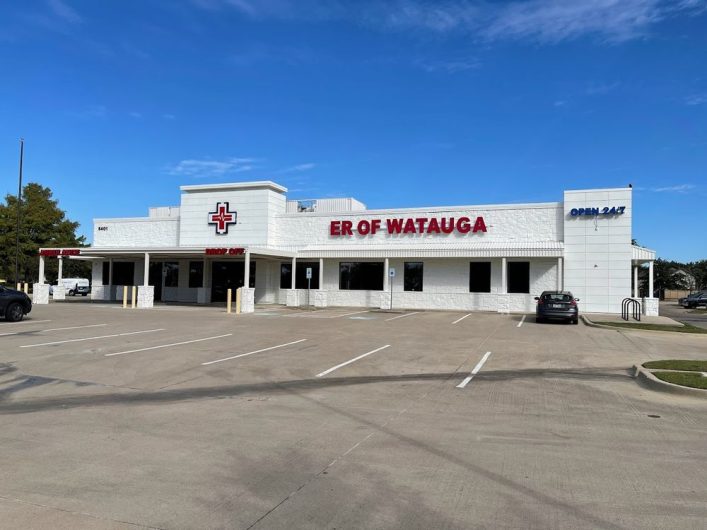
A distended bladder occurs when the bladder becomes overly full and stretched due to inability to empty urine properly. This condition can be painful and may signal an underlying urinary problem that needs medical attention. If left untreated, it can lead to complications such as infections or kidney issues. Trusted medical centers like ER of Watauga provide fast diagnosis and treatment to relieve bladder pressure and prevent serious health prob... more9 Key Facts Distended Bladder Guide
Introduction
A distended bladder occurs when the bladder becomes overly full and stretched due to inability to empty urine properly. This condition can be painful and may signal an underlying urinary problem that needs medical attention. If left untreated, it can lead to complications such as infections or kidney issues. Trusted medical centers like ER of Watauga provide fast diagnosis and treatment to relieve bladder pressure and prevent serious health problems.
What Is a Distended Bladder?
A distended bladder is a condition where the bladder expands beyond its normal size because urine cannot be properly released.
Key Features:
Bladder becomes overly full
Difficulty or inability to urinate
Pressure or pain in lower abdomen
May be acute or chronic
Causes of Distended Bladder
There are several reasons why the bladder may become distended.
Common Causes:
1. Urinary Tract Infection (UTI)
Infection can block normal urine flow.
2. Enlarged Prostate (in men)
Prostate enlargement can block the urethra.
3. Nerve Damage
Conditions like diabetes or spinal injuries can affect bladder control.
4. Medications
Some drugs can reduce bladder function.
5. Surgery Effects
Post-surgical urinary retention may occur.
6. Severe Constipation
Can press on bladder and restrict flow.
Symptoms of Distended Bladder
Recognizing symptoms early is important.
Common Symptoms:
Difficulty urinating
Lower abdominal pain
Feeling of fullness or pressure
Frequent urge to urinate but inability
Weak urine flow
Swelling in lower abdomen
Types of Bladder Distension
1. Acute Distension
Sudden inability to urinate, often painful.
2. Chronic Distension
Develops slowly over time, may have mild symptoms.
Diagnosis of Distended Bladder
Doctors use different methods to identify the condition.
Diagnostic Methods:
Physical Examination
Checking bladder swelling and pain.
Ultrasound
Shows bladder size and urine retention.
Urine Test
Detects infections or abnormalities.
Catheterization
Used to relieve and measure urine blockage.
Treatment for Distended Bladder
Treatment depends on the cause and severity.
1. Catheter Insertion
A tube is used to drain urine immediately.
2. Medication
Antibiotics or muscle relaxants may be prescribed.
3. Treating Underlying Cause
Such as prostate treatment or infection control.
4. Surgery
Required in severe or structural blockage cases.
Complications of Untreated Distended Bladder
If ignored, it can lead to serious issues:
Kidney damage
Recurrent infections
Bladder muscle weakening
Urinary retention
Severe abdominal pain
When to Seek Emergency Care
You should seek immediate medical help if:
You cannot urinate at all
Severe abdominal pain occurs
Fever with urinary symptoms
Blood in urine
Swollen lower abdomen
In such cases, visit ER of Watauga for fast and effective treatment.
How Distended Bladder Is Managed in Emergency Room
Emergency care focuses on quick relief and diagnosis.
Steps:
Immediate assessment
Bladder decompression using catheter
Pain management
Diagnostic tests
Treat underlying cause
Prevention of Distended Bladder
Preventive Tips:
Stay hydrated
Do not delay urination
Treat UTIs early
Manage diabetes properly
Regular medical checkups
Avoid unnecessary medications affecting bladder
Living with Bladder Issues
If you have recurring bladder problems:
Follow medical advice
Monitor urinary habits
Maintain hygiene
Avoid holding urine for long periods
Stay in regular contact with healthcare provider
Role of ER of Watauga in Bladder Care
ER of Watauga provides emergency and diagnostic care for urinary conditions including bladder distension.
Their team ensures quick relief and proper treatment planning.
Key Differences: Normal vs Distended Bladder
Condition Normal Bladder Distended Bladder
Urine flow Normal Blocked or weak
Pain None Present
Pressure Normal High
Urination Regular Difficult or absent
Recovery After Treatment
Recovery depends on cause and treatment.
Typical Recovery:
Immediate relief after catheterization
Full recovery in days to weeks
Longer recovery if underlying disease exists
FAQs
1. What is a distended bladder?
It is when the bladder becomes overly full due to inability to pass urine.
2. Is distended bladder dangerous?
Yes, if untreated it can lead to kidney damage or infections.
3. What causes bladder distension?
Common causes include UTIs, prostate enlargement, and nerve issues.