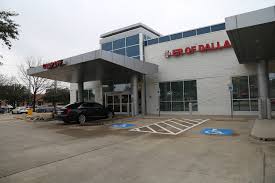
10 Tips to Find the Closest Emergency Room Fast
Finding the closest emergency room can make a life-saving difference during urgent medical situations. Whether it’s a sudden injury, chest pain, or a severe allergic reaction, knowing where to go immediately ensures you or your loved ones get timely care. In this guide, we’ll provide essential tips, advice, and insights on locating emergency care efficiently.
Table of Contents
Why Knowing the Closest ER Matters
How to Identify the Nearest Emerg... more10 Tips to Find the Closest Emergency Room Fast
Finding the closest emergency room can make a life-saving difference during urgent medical situations. Whether it’s a sudden injury, chest pain, or a severe allergic reaction, knowing where to go immediately ensures you or your loved ones get timely care. In this guide, we’ll provide essential tips, advice, and insights on locating emergency care efficiently.
Table of Contents
Why Knowing the Closest ER Matters
How to Identify the Nearest Emergency Room
Signs You Should Go to an ER Immediately
Emergency Room vs Urgent Care
Using Technology to Find the Closest ER
Preparing for an ER Visit
Tips for Families and Caregivers
FAQs
Conclusion
Why Knowing the Closest ER Matters
Medical emergencies often require immediate attention. The faster you reach an emergency room, the higher the chances of effective treatment and better recovery outcomes. Delays can lead to complications, especially in conditions like:
Heart attack
Stroke
Severe bleeding or trauma
Breathing difficulties
Being aware of the closest ER in your area, like ER of Dallas, ensures you are never unprepared in critical situations.
How to Identify the Nearest Emergency Room
Here are practical ways to locate an ER quickly:
1. Use Online Maps and GPS
Google Maps or Apple Maps can provide directions to the nearest ER in real-time.
Enable location services for accurate results.
2. Ask Local Healthcare Providers
Primary care doctors and clinics often have a list of nearby ERs.
They can advise on which ER is best for specific emergencies.
3. Check Hospital Websites
Many hospitals display emergency services on their website.
Some provide real-time ER wait times.
4. Emergency Hotlines
Dialing local emergency numbers (911 in the U.S.) can connect you to dispatchers who guide you to the nearest ER.
Signs You Should Go to an ER Immediately
Some emergencies require no delay. You should head to the closest ER if you experience:
Severe chest pain or pressure
Sudden difficulty breathing
Uncontrolled bleeding
Signs of stroke: facial drooping, arm weakness, speech difficulties
Severe allergic reactions: swelling, hives, difficulty breathing
Knowing these signs can save lives.
Emergency Room vs Urgent Care
It’s important to differentiate between an ER and urgent care:
Feature Emergency Room (ER) Urgent Care
Patient Severity Life-threatening conditions Minor injuries & illnesses
Open 24/7 Yes Usually limited hours
Equipment Full medical & surgical facilities Basic medical tools
Cost Higher Lower
For serious emergencies, always choose the closest ER.
Using Technology to Find the Closest ER
Modern tools make finding emergency services faster than ever:
Hospital apps: Many hospitals, including ER of Dallas, have apps with ER locator features.
Online directories: Websites like Healthgrades or Zocdoc provide ER locations and ratings.
Voice assistants: Siri, Google Assistant, and Alexa can provide directions instantly.
Preparing for an ER Visit
To make your ER visit smoother:
Carry ID, insurance cards, and medication lists
Note symptoms and their duration
Have emergency contacts ready
Avoid driving if severely injured; call an ambulance
Tips for Families and Caregivers
Keep a list of nearby ERs at home, work, and in your car
Teach children and elderly family members when to call 911
Keep a first-aid kit and basic medical supplies ready
Update family on hospital preferences
FAQs
Q1: How fast can I reach an ER in Dallas?
Most central Dallas areas have ERs within 5–15 minutes by car. Using GPS ensures fastest routes.
Q2: Are all ERs open 24/7?
Yes, emergency rooms operate round-the-clock to handle critical cases.
Q3: Can I go to any ER without insurance?
Yes, ERs provide care regardless of insurance. However, insurance affects billing.
Q4: Should I call 911 or drive myself?
Call 911 if the situation is life-threatening or if the patient cannot safely travel.
Q5: Can urgent care treat severe emergencies?
No, urgent care is for non-life-threatening conditions. Always choose the closest ER for emergencies.
Conclusion
Being prepared and knowing the closest emergency room can save precious minutes and lives during critical situations. Utilize technology, plan ahead, and recognize emergency symptoms. Trust ER of Dallas to provide fast, professional care whenever you need it.
For more blogs visit : https://edtechreader.com/?p=252978