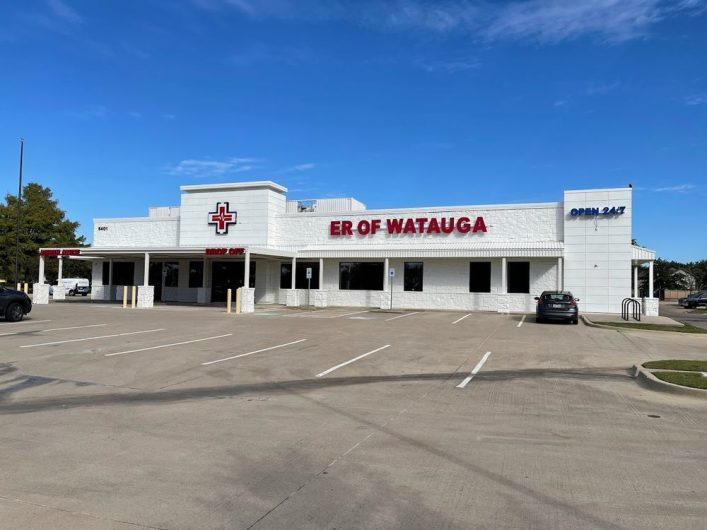
Knowing the closest emergency room can be lifesaving during medical emergencies. From sudden chest pain to severe injuries, timely access to emergency care can make all the difference. Understanding what to expect, when to seek help, and how to prepare can reduce stress during urgent situations.
Why Knowing the Closest Emergency Room Matters
Faster Care: Emergencies require immediate attention; knowing the nearest ER saves crucial minutes.
... moreClosest Emergency Room: Complete Guide
Introduction
Knowing the closest emergency room can be lifesaving during medical emergencies. From sudden chest pain to severe injuries, timely access to emergency care can make all the difference. Understanding what to expect, when to seek help, and how to prepare can reduce stress during urgent situations.
Why Knowing the Closest Emergency Room Matters
Faster Care: Emergencies require immediate attention; knowing the nearest ER saves crucial minutes.
Accurate Triage: Quick arrival allows for faster assessment and treatment of life-threatening conditions.
Peace of Mind: Families can act promptly during accidents or sudden illnesses.
Common Situations Requiring an Emergency Room
Certain conditions require urgent evaluation at an ER rather than waiting for a clinic or scheduling an appointment:
Chest pain, shortness of breath, or suspected heart attack
Severe abdominal pain or sudden swelling
Major injuries such as fractures, deep cuts, or head trauma
Severe allergic reactions with difficulty breathing or swelling
Stroke symptoms, such as facial drooping or weakness on one side
Sudden vision changes or severe headache
ER of Watauga is equipped to handle all these emergencies with advanced technology and trained medical professionals.
How to Find the Closest Emergency Room
1. Online Search
Use Google Maps or trusted healthcare websites to search “closest emergency room.”
Look for ERs open 24/7 for immediate care.
2. Mobile Health Apps
Many insurance or hospital apps provide ER locations based on your current GPS.
Some apps even show wait times to help you plan your visit.
3. Call Ahead if Possible
While emergencies require immediate care, calling can help the ER prepare for your arrival.
What to Expect at the ER
1. Triage
Upon arrival, a nurse will assess the severity of your condition to prioritize care.
2. Diagnostics
ERs often have imaging (X-ray, CT scan, ultrasound) and lab testing for quick diagnosis.
3. Treatment
Emergency physicians provide immediate care, from medication to surgical interventions if needed.
4. Observation or Admission
Some patients may be treated and sent home; others may require hospital admission for further care.
Tips for Visiting the Closest Emergency Room
Bring identification, insurance card, and list of medications
Clearly explain symptoms and any recent medical history
Wear comfortable clothing for ease of examination
Follow ER staff instructions for tests and treatments
Stay calm and focused, especially when accompanying a loved one
FAQs
Q1: How do I know which ER is closest?
Use GPS apps, hospital websites, or search engines with your current location.
Q2: Are all emergency rooms open 24/7?
Most ERs, including ER of Watauga, operate 24/7, but some urgent care centers have limited hours.
Q3: Should I call 911 or go to the ER directly?
Call 911 for life-threatening emergencies; otherwise, go directly to the closest ER.
Q4: Can I use my insurance at any ER?
Yes, but check your plan for network coverage to avoid extra costs.
Q5: What is the difference between an ER and urgent care?
ERs handle life-threatening conditions, while urgent care treats minor injuries or illnesses that require prompt attention.
AI Overview – Quick Summary
Knowing the closest emergency room saves valuable time during critical health situations.
ERs are equipped for life-threatening conditions like heart attacks, strokes, and major injuries.
Proper preparation and understanding ER procedures help reduce stress and improve outcomes.
ER of Watauga offers expert, rapid care for all emergency conditions with state-of-the-art facilities.