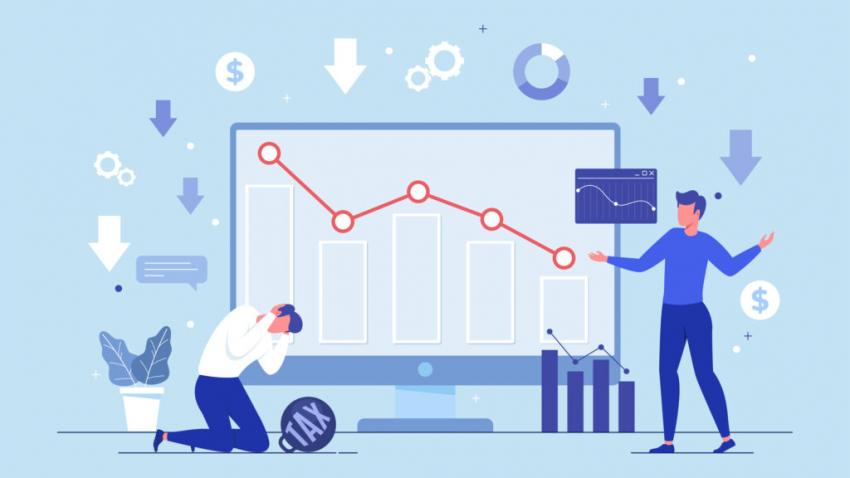
Employee burnout is rapidly emerging as one of the most serious challenges in today’s workplace. With increasing workloads, tight deadlines, and constant digital connectivity, employees across industries are experiencing higher levels of stress and emotional exhaustion. The latest Employee Burnout Statistics highlight how widespread the issue has become and why organizations must take action.
Hybrid and remote work models have introduced flexibility, but they have also blurred the boundaries be... moreEmployee burnout is rapidly emerging as one of the most serious challenges in today’s workplace. With increasing workloads, tight deadlines, and constant digital connectivity, employees across industries are experiencing higher levels of stress and emotional exhaustion. The latest Employee Burnout Statistics highlight how widespread the issue has become and why organizations must take action.
Hybrid and remote work models have introduced flexibility, but they have also blurred the boundaries between professional and personal life. Many employees struggle to disconnect after work hours, leading to longer working days and reduced recovery time. Over time, this imbalance contributes to fatigue, disengagement, and declining job satisfaction.
Burnout doesn’t only impact individual well-being — it directly affects business performance. Companies facing high burnout levels often see increased absenteeism, lower productivity, and higher employee turnover. Replacing skilled talent is costly and can disrupt team performance. Additionally, stressed employees are less likely to be innovative or fully engaged in their roles.
Understanding the data is the first step toward building a healthier and more resilient workforce. Explore the full Employee Burnout Statistics report here: https://market.biz/employee-burnout-statistics/