AI in Video Surveillance Market Report: Redefining Security with Data-Driven Intelligence
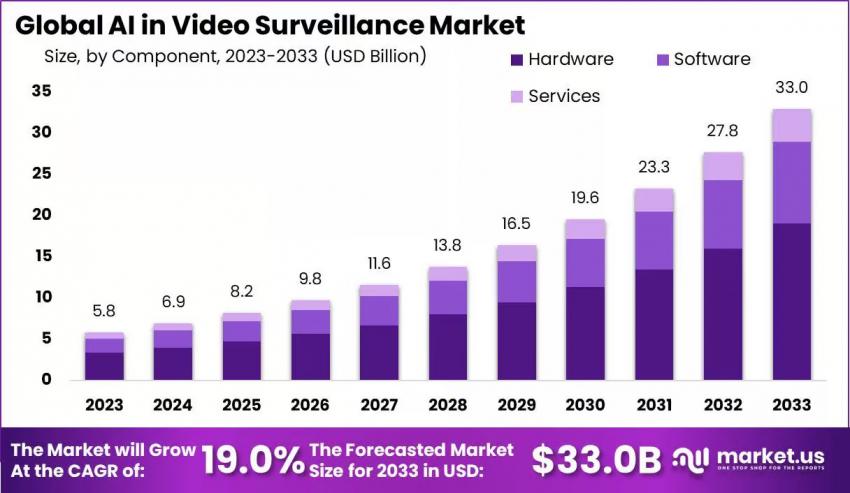
The AI in Video Surveillance Market report explains how artificial intelligence is transforming surveillance into a smarter, data-driven function. Instead of simply capturing video, modern systems are designed to interpret and act on information instantly—helping organizations respond faster and operate more efficiently.
AI-powered surveillance systems can identify unusual activities, detect motion patter... moreAI in Video Surveillance Market Report: Redefining Security with Data-Driven Intelligence
The AI in Video Surveillance Market report explains how artificial intelligence is transforming surveillance into a smarter, data-driven function. Instead of simply capturing video, modern systems are designed to interpret and act on information instantly—helping organizations respond faster and operate more efficiently.
AI-powered surveillance systems can identify unusual activities, detect motion patterns, recognize faces, and track objects in real time. This shift toward automated monitoring reduces dependence on human oversight and minimizes the chances of missed incidents. As a result, businesses and governments are increasingly adopting these solutions to strengthen security and improve situational awareness.
One of the key growth factors highlighted in the report is the expansion of smart infrastructure. Cities are deploying AI-enabled cameras for traffic flow management, crowd control, and public safety. At the same time, industries such as retail and logistics are using surveillance analytics to gain operational insights, such as customer behavior and workflow efficiency.
Technological advancements continue to push the market forward. Edge computing allows faster, on-device processing, while cloud-based platforms enable remote monitoring and scalable storage. These innovations make AI surveillance systems more adaptable to different business needs.
However, challenges remain. Concerns around privacy, data handling, and regulatory compliance are becoming more prominent. Additionally, the initial investment required for advanced AI systems can limit adoption among smaller organizations.
Overall, the AI in Video Surveillance Market report highlights a clear shift toward intelligent, responsive security solutions. As technology matures, AI surveillance will play an increasingly important role in creating safer, more efficient environments.
Global Creator Economy in Gaming Market Size Expands with Creator Monetization
Keywords: Global Creator Economy in Gaming Market Size, Creator Economy in Gaming Market Report
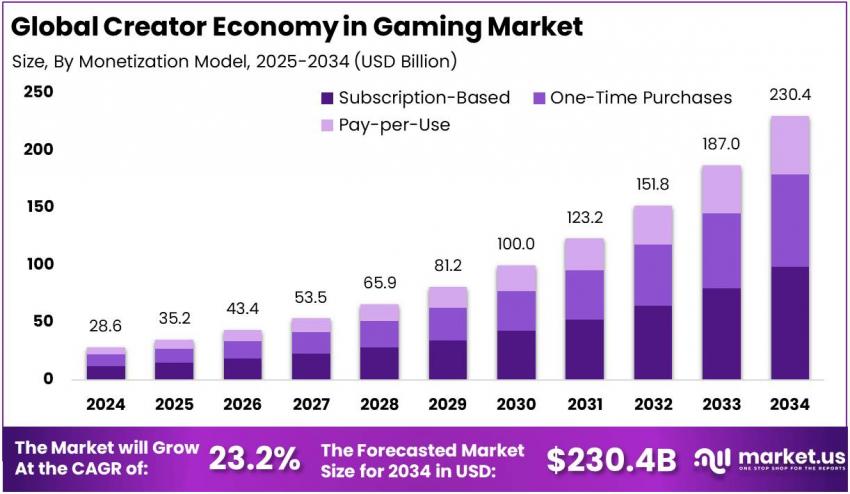
The Global Creator Economy in Gaming Market Size is witnessing strong growth as creators explore new ways to monetize gaming content. The Creator Economy in Gaming Market Report emphasizes the importance of diverse revenue streams.
Projected to reach USD 230.4 billion by 2034, the market is growing at a 23.2% CAGR. This ... moreGlobal Creator Economy in Gaming Market Size Expands with Creator Monetization
Keywords: Global Creator Economy in Gaming Market Size, Creator Economy in Gaming Market Report
The Global Creator Economy in Gaming Market Size is witnessing strong growth as creators explore new ways to monetize gaming content. The Creator Economy in Gaming Market Report emphasizes the importance of diverse revenue streams.
Projected to reach USD 230.4 billion by 2034, the market is growing at a 23.2% CAGR. This expansion is driven by increased content consumption and the popularity of digital platforms.
Creators earn through subscriptions, ads, sponsorships, and merchandise, making gaming content a viable career path. Streaming platforms continue to lead due to their interactive nature.
Esports has also played a major role, attracting sponsorships and boosting audience engagement. Meanwhile, technological advancements have simplified content creation.
Despite market challenges, the Global Creator Economy in Gaming Market Size is expected to maintain strong growth.
The eCommerce industry is rapidly evolving, and AI agents are playing a crucial role in this transformation. These intelligent systems are designed to automate tasks, analyze data, and interact with customers in real time. By integrating AI agents into their platforms, businesses can deliver faster, smarter, and more personalized shopping experiences.
One of the standout benefits of AI agents is their ability to enhance customer journeys. They provide instant responses, guide users through prod... moreThe eCommerce industry is rapidly evolving, and AI agents are playing a crucial role in this transformation. These intelligent systems are designed to automate tasks, analyze data, and interact with customers in real time. By integrating AI agents into their platforms, businesses can deliver faster, smarter, and more personalized shopping experiences.
One of the standout benefits of AI agents is their ability to enhance customer journeys. They provide instant responses, guide users through product selections, and offer tailored recommendations based on browsing behavior and purchase history. This level of personalization not only improves user satisfaction but also boosts conversion rates and customer loyalty.
In addition to improving front-end experiences, AI agents streamline backend operations. They assist with inventory tracking, demand forecasting, and order management, helping businesses operate more efficiently. By reducing manual intervention, companies can minimize errors and allocate resources more effectively.
AI agents also contribute to better decision-making. Through advanced data analysis, they uncover valuable insights into customer trends and preferences, enabling businesses to refine their strategies and stay competitive in a fast-changing market.
As digital commerce continues to expand, the role of AI agents will only become more significant. Companies that adopt these technologies early can gain a strong competitive advantage by delivering superior experiences and optimizing their operations.
Artificial Intelligence (AI) Market: Accelerating the Future of Digital Innovation
The Artificial Intelligence (AI) market is rapidly advancing as organizations seek smarter solutions to manage complex operations and growing data volumes. AI technologies are no longer limited to large tech firms; they are now widely adopted across industries to improve efficiency, accuracy, and decision-making. Insights from the latest Artificial Intelligence (AI) market report suggest that this sector will con... moreArtificial Intelligence (AI) Market: Accelerating the Future of Digital Innovation
The Artificial Intelligence (AI) market is rapidly advancing as organizations seek smarter solutions to manage complex operations and growing data volumes. AI technologies are no longer limited to large tech firms; they are now widely adopted across industries to improve efficiency, accuracy, and decision-making. Insights from the latest Artificial Intelligence (AI) market report suggest that this sector will continue to expand as innovation and adoption increase globally.
The Artificial Intelligence market is driven by the need for intelligent systems that can analyze data, recognize patterns, and automate processes. Businesses are increasingly using AI to enhance productivity and streamline workflows. This shift is particularly evident in industries that rely heavily on data, where AI tools provide faster and more reliable insights compared to traditional methods.
Another major factor influencing the Artificial Intelligence (AI) market is the growing importance of customer-centric strategies. Companies are leveraging AI to deliver personalized experiences, improve customer engagement, and optimize service delivery. From recommendation engines to virtual assistants, AI-powered solutions are helping businesses better understand and respond to customer needs.
The Artificial Intelligence market is also supported by continuous technological advancements. Improvements in computing power, algorithms, and data availability have made AI more efficient and accessible. These developments are encouraging organizations to integrate AI into their core operations, driving further market growth.
According to the Artificial Intelligence (AI) market report, the increasing use of AI in automation and predictive analytics is expected to shape the future of the industry. Businesses that adopt these technologies early will have a stronger ability to adapt to changing market conditions and maintain a competitive advantage.
Despite challenges such as regulatory concerns and skill gaps, the overall outlook for the Artificial Intelligence market remains strong. As AI continues to evolve, it will play a crucial role in transforming industries and driving long-term economic growth.
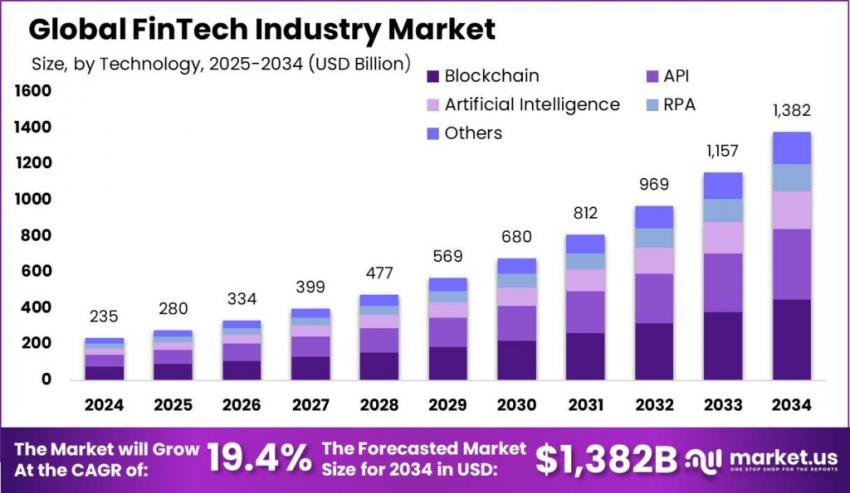
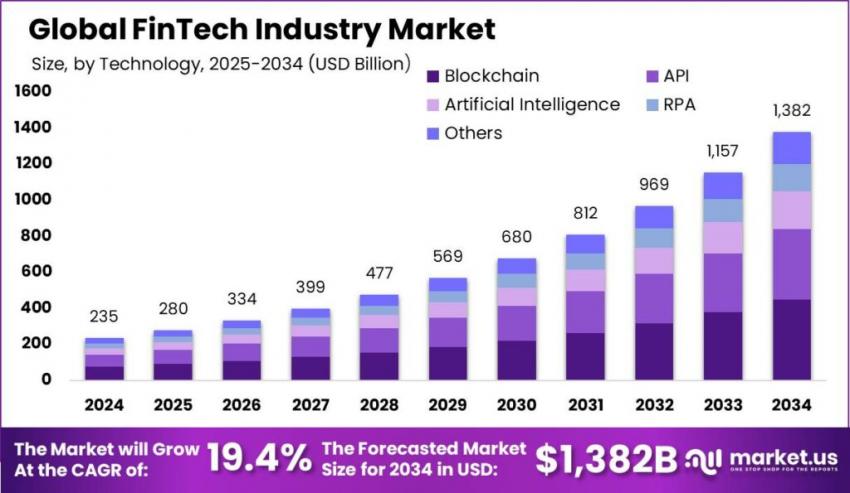
The FinTech Industry Market is rapidly gaining momentum as technology continues to disrupt traditional financial systems. With the rise of digital platforms, consumers now expect seamless, fast, and secure financial services. According to the latest FinTech Industry Market report, the market is projected to grow from USD 234.6 billion in 2024 to approximately USD 1.38 trillion by 2034, at a CAGR of 19.4%.
A major growth driver in the FinTech Industry Market is the increasing use of digital paym... moreThe FinTech Industry Market is rapidly gaining momentum as technology continues to disrupt traditional financial systems. With the rise of digital platforms, consumers now expect seamless, fast, and secure financial services. According to the latest FinTech Industry Market report, the market is projected to grow from USD 234.6 billion in 2024 to approximately USD 1.38 trillion by 2034, at a CAGR of 19.4%.
A major growth driver in the FinTech Industry Market is the increasing use of digital payment solutions. Mobile wallets, UPI systems, and online banking have become integral to everyday transactions, especially in emerging markets. This shift toward a cashless economy is encouraging financial institutions to innovate and adopt advanced technologies.
The FinTech Industry Market report also highlights the growing role of artificial intelligence (AI) in transforming financial services. AI is being used for fraud detection, customer support automation, and personalized financial planning. These capabilities are improving efficiency while enhancing customer satisfaction.
Blockchain technology is another key factor shaping the FinTech Industry Market. Its ability to provide secure and transparent transactions is making it essential for applications such as cross-border payments and decentralized finance. As trust and security become more important, blockchain adoption is expected to increase significantly.
Additionally, the rise of embedded finance is creating new opportunities for businesses to integrate financial services directly into their platforms. This trend is improving user experience and expanding revenue streams.
Despite strong growth, the FinTech Industry Market faces challenges such as regulatory compliance and cybersecurity threats. However, ongoing innovation and investment are expected to address these issues effectively.
In conclusion, the FinTech Industry Market is poised for significant expansion, driven by digital innovation and evolving consumer demands. The insights from the FinTech Industry Market report highlight the vast potential of this sector in shaping the future of global finance.
The Expanding Role of Voice AI Agents in Business Innovation
Innovation is at the heart of every successful business, and voice AI agents are proving to be a major catalyst in this evolution. These advanced systems are transforming how organizations communicate, operate, and deliver value to their customers. By enabling natural, voice-based interactions, businesses can create more engaging and intuitive experiences.
Voice AI agents are especially valuable in handling repetitive and time-consum... moreThe Expanding Role of Voice AI Agents in Business Innovation
Innovation is at the heart of every successful business, and voice AI agents are proving to be a major catalyst in this evolution. These advanced systems are transforming how organizations communicate, operate, and deliver value to their customers. By enabling natural, voice-based interactions, businesses can create more engaging and intuitive experiences.
Voice AI agents are especially valuable in handling repetitive and time-consuming tasks. From answering frequently asked questions to managing appointments and processing requests, these systems help streamline operations and reduce the burden on human teams. This leads to increased efficiency and allows employees to focus on higher-value activities.
Another important aspect of voice AI technology is its ability to adapt and learn over time. With continuous improvements in machine learning and natural language processing, voice AI agents are becoming more accurate and capable of understanding complex conversations. This makes them an ideal solution for businesses looking to enhance both customer experience and operational performance.
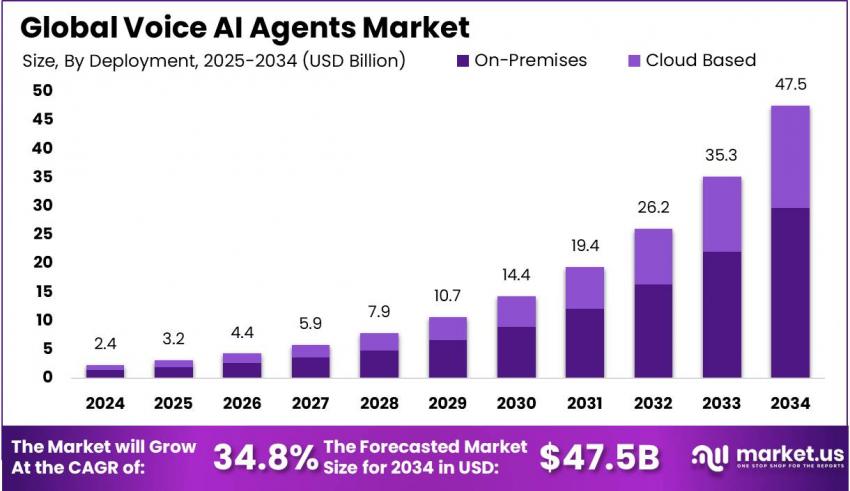
As adoption continues to grow across industries, the Voice AI Agents Market is expected to see significant expansion. Companies that leverage this technology can gain a competitive advantage by offering faster, smarter, and more personalized services.
AI in Observability Market: Ensuring Transparency and Performance
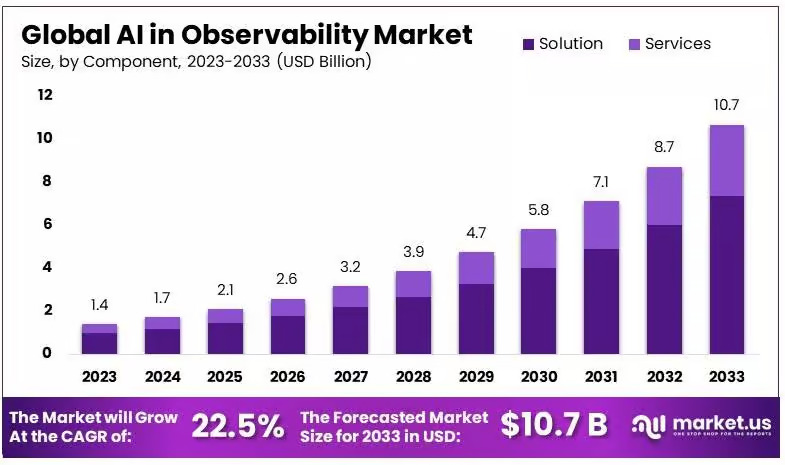
The increasing adoption of AI across industries has created a need for better monitoring and performance management. The AI in Observability Market is rapidly growing as organizations seek solutions to gain deeper insights into their AI systems and ensure optimal performance.
AI observability tools help track system behavior, monitor model accuracy, and detect potential issues before they impact operations. This proactive approa... moreAI in Observability Market: Ensuring Transparency and Performance
The increasing adoption of AI across industries has created a need for better monitoring and performance management. The AI in Observability Market is rapidly growing as organizations seek solutions to gain deeper insights into their AI systems and ensure optimal performance.
AI observability tools help track system behavior, monitor model accuracy, and detect potential issues before they impact operations. This proactive approach allows businesses to maintain reliability and improve efficiency in their AI-driven processes.
A major trend in this market is the shift toward predictive monitoring, where AI-powered tools anticipate failures and suggest corrective actions. This not only reduces downtime but also enhances overall system performance.
Furthermore, the need for ethical AI practices is driving the adoption of observability solutions. Businesses are increasingly focusing on transparency and accountability, ensuring that their AI systems operate fairly and responsibly.
With the continuous growth of digital transformation and data-driven decision-making, the demand for AI observability solutions is expected to rise significantly. Companies that adopt these tools will gain a competitive edge by ensuring their AI systems are reliable, efficient, and trustworthy.
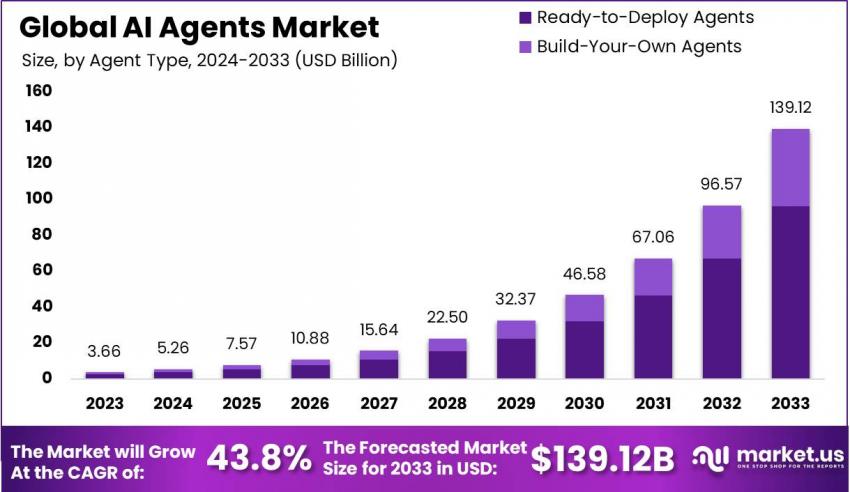
The AI Agents Market Report highlights the growing importance of artificial intelligence in today’s digital economy. AI agents are revolutionizing industries by automating tasks, improving accuracy, and enabling smarter decision-making.
Businesses are increasingly adopting AI agents to enhance productivity and reduce operational costs. These systems are capable of analyzing large amounts of data, identifying patterns, and delivering actionable insights.
Another important aspect covered in the ... moreThe AI Agents Market Report highlights the growing importance of artificial intelligence in today’s digital economy. AI agents are revolutionizing industries by automating tasks, improving accuracy, and enabling smarter decision-making.
Businesses are increasingly adopting AI agents to enhance productivity and reduce operational costs. These systems are capable of analyzing large amounts of data, identifying patterns, and delivering actionable insights.
Another important aspect covered in the AI Agents Market Report is the role of AI in improving customer experiences. AI agents provide personalized and real-time interactions, helping businesses build stronger relationships with their customers.
Furthermore, advancements in AI technologies are expanding the capabilities of AI agents, allowing them to handle more complex tasks. This is driving their adoption across various sectors, including healthcare, finance, and retail.
As the market continues to grow, AI agents are expected to play a crucial role in shaping the future of business and technology.
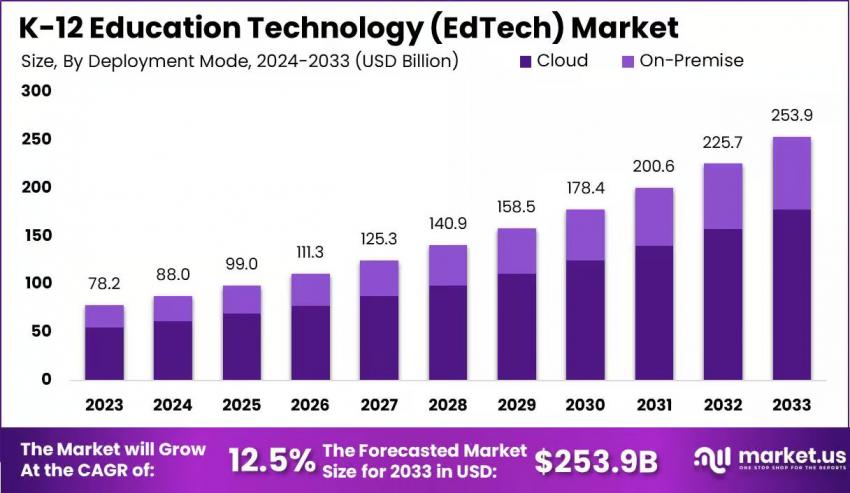
K-12 Education Technology is transforming the traditional education system into a more dynamic and engaging experience. With the integration of digital platforms, students now have access to interactive learning tools that enhance understanding and retention. From virtual classrooms to AI-powered applications, technology is making education more personalized than ever before.
The latest primary edtech market report highlights how increasing internet penetr... moreThe Rise of K-12 Education Technology
K-12 Education Technology is transforming the traditional education system into a more dynamic and engaging experience. With the integration of digital platforms, students now have access to interactive learning tools that enhance understanding and retention. From virtual classrooms to AI-powered applications, technology is making education more personalized than ever before.
The latest primary edtech market report highlights how increasing internet penetration and the widespread use of smart devices are driving this growth. Schools are adopting digital tools to improve learning outcomes and provide students with flexible learning options. These platforms allow learners to study at their own pace, making education more inclusive and effective.
Another important factor contributing to market growth is the shift toward hybrid learning models. By combining in-person teaching with digital resources, educators can create a more balanced and adaptable learning environment. This approach not only improves accessibility but also prepares students for a technology-driven future.
Despite its benefits, challenges such as the digital divide and data security concerns remain. However, ongoing investments and innovations are expected to address these issues over time.
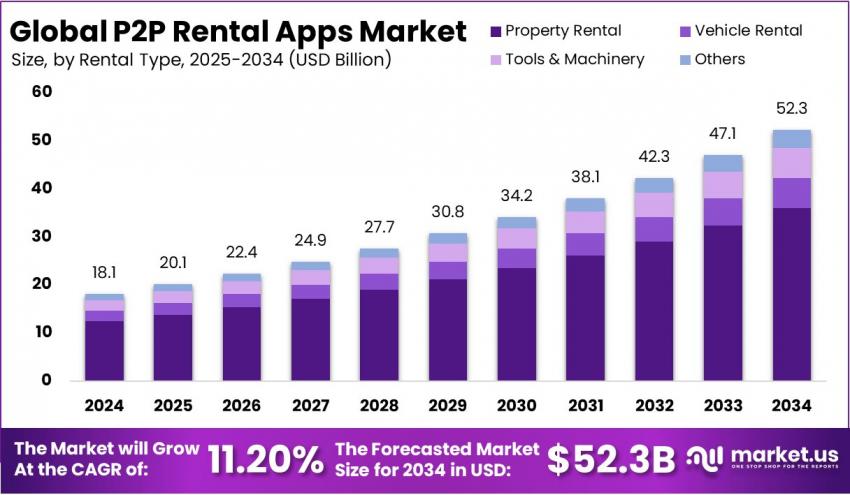
The global peer-to-peer (P2P) rental apps market is transforming traditional consumption patterns by enabling users to share and monetize underutilized assets. From accommodation and vehicles to electronics and fashion, these platforms are expanding rapidly. A detailed peer-to-peer (P2P) rental apps market report shows that the sector is experiencing strong growth driven by digital adoption and evolving consumer needs.
One of the primary growth factors in the peer-to-peer (P2P) rental apps mark... moreThe global peer-to-peer (P2P) rental apps market is transforming traditional consumption patterns by enabling users to share and monetize underutilized assets. From accommodation and vehicles to electronics and fashion, these platforms are expanding rapidly. A detailed peer-to-peer (P2P) rental apps market report shows that the sector is experiencing strong growth driven by digital adoption and evolving consumer needs.
One of the primary growth factors in the peer-to-peer (P2P) rental apps market is the increasing preference for flexible and on-demand services. Consumers value the ability to rent items only when needed, reducing unnecessary expenses and storage issues. This model is especially appealing in urban environments where space and resources are limited.
The rise of mobile technology has further fueled market expansion. User-friendly apps make it easy to list, discover, and rent products with just a few clicks. Integrated payment systems and review mechanisms ensure smooth and secure transactions.
Despite its advantages, the peer-to-peer (P2P) rental apps market report identifies challenges such as inconsistent regulations and trust concerns. To overcome these issues, platforms are investing in robust verification systems and customer support services.
As the market evolves, new opportunities are emerging in luxury rentals, niche categories, and untapped regions. The peer-to-peer (P2P) rental apps market is expected to remain a key driver of innovation in the digital economy.
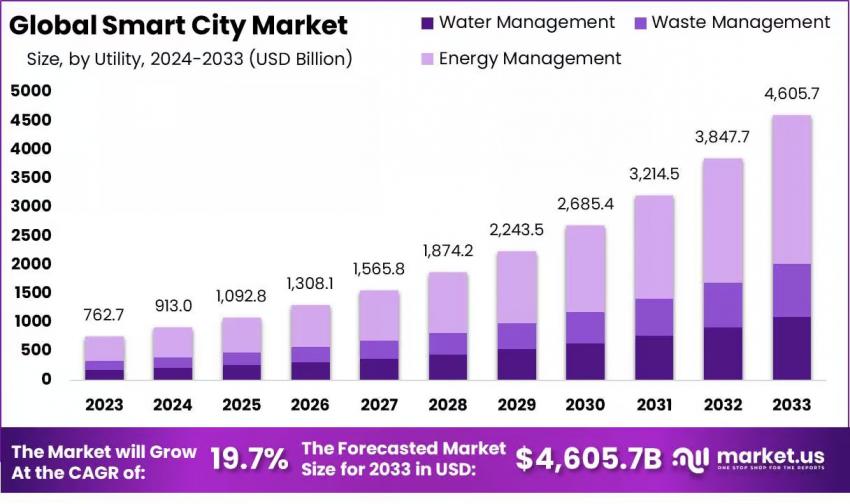
Smart City Market Report: Redefining the Future of Urban Infrastructure
The smart city market report provides a comprehensive overview of how digital technologies are transforming traditional cities into intelligent, connected, and sustainable urban ecosystems. With rapid urbanization and increasing strain on infrastructure, cities are adopting smart solutions to improve efficiency, reduce costs, and enhance the quality of life for citizens.
At the core of smart cities are advanced technologie... moreSmart City Market Report: Redefining the Future of Urban Infrastructure
The smart city market report provides a comprehensive overview of how digital technologies are transforming traditional cities into intelligent, connected, and sustainable urban ecosystems. With rapid urbanization and increasing strain on infrastructure, cities are adopting smart solutions to improve efficiency, reduce costs, and enhance the quality of life for citizens.
At the core of smart cities are advanced technologies such as Internet of Things (IoT), artificial intelligence (AI), machine learning, cloud computing, and big data analytics. These technologies enable seamless communication between physical infrastructure and digital systems. Sensors placed across cities collect real-time data from traffic networks, energy systems, water supply, and public services, allowing authorities to make faster and more informed decisions.
A key takeaway from the smart city market report is the rising adoption of data-driven governance. Cities are shifting from reactive management to proactive planning. For instance, AI-powered traffic systems can predict congestion and adjust signal timings, while smart energy systems optimize electricity distribution based on demand patterns.
Sustainability is also a major driving force behind market growth. Governments are increasingly investing in green infrastructure such as renewable energy systems, smart grids, energy-efficient buildings, and electric transportation networks. These initiatives help reduce carbon emissions and support long-term environmental goals.
The smart city market report also highlights strong government participation in funding and developing smart city projects. Public-private partnerships are becoming more common, helping accelerate digital transformation across urban regions. However, challenges such as high implementation costs, cybersecurity risks, and integration with legacy systems continue to slow adoption in some areas.
Despite these challenges, the future outlook remains highly promising. Emerging innovations like 5G connectivity, edge computing, AI automation, and digital twin technology are expected to significantly enhance urban planning and real-time decision-making capabilities.
In conclusion, the smart city market report reflects a global movement toward intelligent and sustainable urban development. As technology continues to evolve, smart cities will play a crucial role in shaping the future of modern living.
👉 Visit full report here:
🔗 https://market.us/report/smart-city-market/
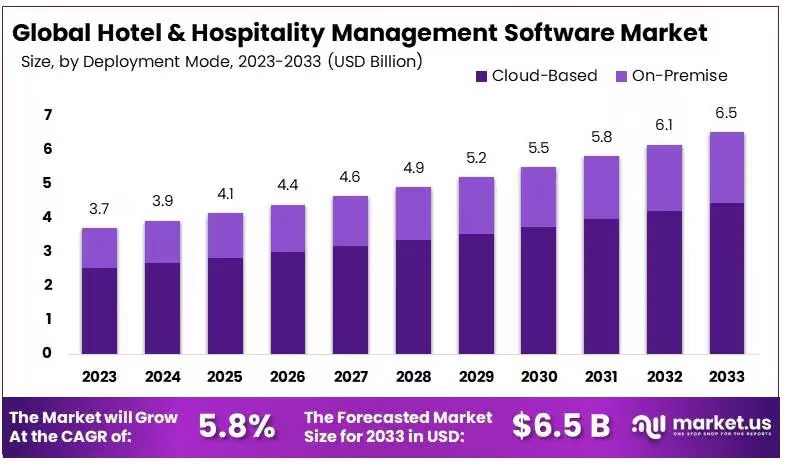
According to the Global Hotel and Hospitality Management Software Market Report, the market is experiencing strong growth driven by increasing tourism and technological advancements. Hotels are investing in digital solutions to manage operations efficiently and stay competitive in a fast-changing environment.
Cloud computing is a major growth driver, offering real-time access to data and reducing infrastructure costs. Additionally, mobile-based services such... moreGrowth Drivers and Market Expansion
According to the Global Hotel and Hospitality Management Software Market Report, the market is experiencing strong growth driven by increasing tourism and technological advancements. Hotels are investing in digital solutions to manage operations efficiently and stay competitive in a fast-changing environment.
Cloud computing is a major growth driver, offering real-time access to data and reducing infrastructure costs. Additionally, mobile-based services such as digital check-ins and contactless payments are becoming standard in modern hospitality.
The demand for integrated systems that can manage bookings, pricing, and customer interactions is also rising. These platforms help hotels optimize revenue while improving service quality.
As global travel continues to grow, the need for efficient management systems will only increase, creating new opportunities in the market.