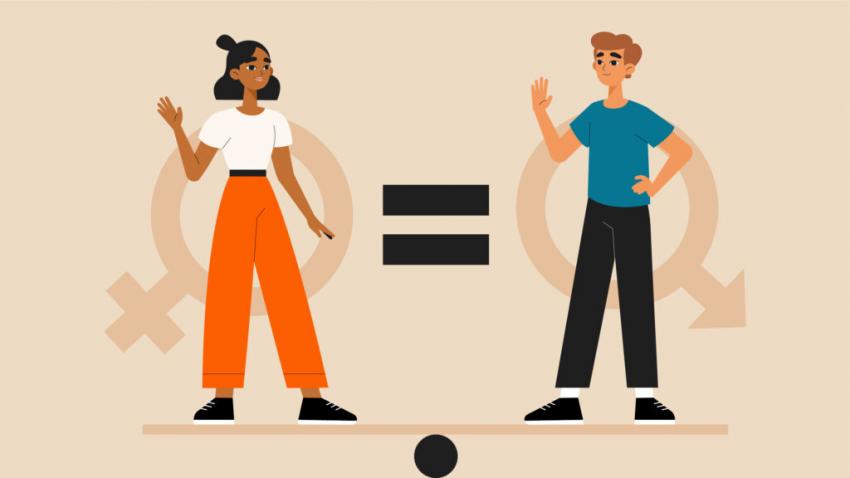
The gender pay gap continues to be a significant challenge in workplaces around the world. Gender Pay Gap Statistics reveal that women still earn less than men on average across many industries and job roles. Globally, women earn about 20% less than men, meaning that women typically earn around 80 cents for every dollar earned by men. Although progress has been made in recent years, income inequality remains a major concern.
Several factors contribute to the gender wage gap. One of the primary ... moreThe gender pay gap continues to be a significant challenge in workplaces around the world. Gender Pay Gap Statistics reveal that women still earn less than men on average across many industries and job roles. Globally, women earn about 20% less than men, meaning that women typically earn around 80 cents for every dollar earned by men. Although progress has been made in recent years, income inequality remains a major concern.
Several factors contribute to the gender wage gap. One of the primary reasons is the underrepresentation of women in senior leadership and high-paying executive roles. Industries such as technology, finance, and engineering often show larger pay gaps because fewer women hold top positions. Another factor is career interruptions due to childcare or family responsibilities, which can slow salary growth and career advancement over time.
Organizations are increasingly working to close the pay gap by implementing pay transparency policies, equal pay audits, and diversity initiatives. These efforts help identify wage disparities and promote fair compensation practices. Creating inclusive workplaces with equal opportunities can significantly reduce pay inequality.
Understanding these statistics is essential for businesses and employees who want to support workplace equality and fair pay for everyone.