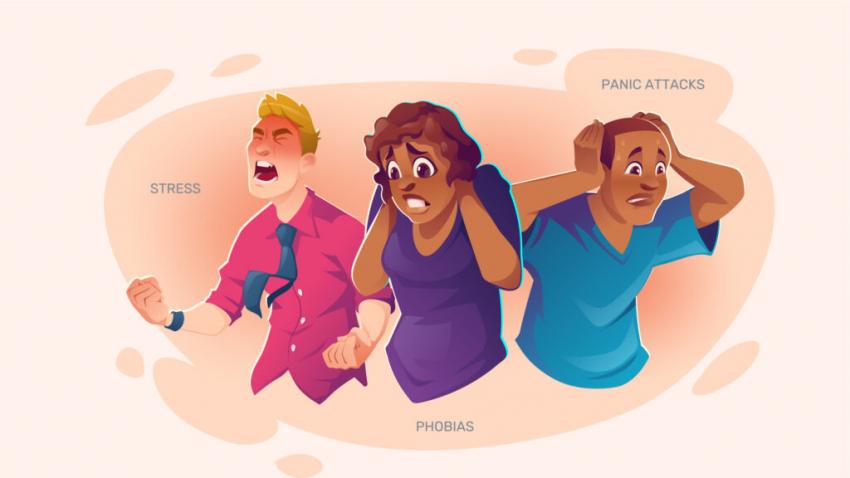
Workplace stress is a leading cause of absenteeism and decreased productivity worldwide. Mental Health Days Usage Statistics highlight the importance of structured leave for psychological well-being. Employees who take mental health days experience less burnout, higher focus, and improved morale.
Younger employees and women are more likely to utilize mental health leave, signaling the need for policies that address diverse needs. Organizations that offer mental health days benefit financially a... moreWorkplace stress is a leading cause of absenteeism and decreased productivity worldwide. Mental Health Days Usage Statistics highlight the importance of structured leave for psychological well-being. Employees who take mental health days experience less burnout, higher focus, and improved morale.
Younger employees and women are more likely to utilize mental health leave, signaling the need for policies that address diverse needs. Organizations that offer mental health days benefit financially and culturally. For every $1 invested in mental health initiatives, companies can expect a return of $4, stemming from higher engagement, reduced absenteeism, and increased retention.
Stigma is still a barrier. Many employees fear being judged or penalized for taking mental health leave. Employers can counter this by creating a culture of support, training managers to recognize signs of stress, and embedding mental health leave into HR policies. Access to counseling, wellness programs, and flexible work arrangements further enhances effectiveness.
Ultimately, mental health days are a strategic business decision. Supporting employee well-being strengthens workplace culture, improves productivity, and ensures a resilient workforce capable of achieving long-term organizational success.