
Remember me
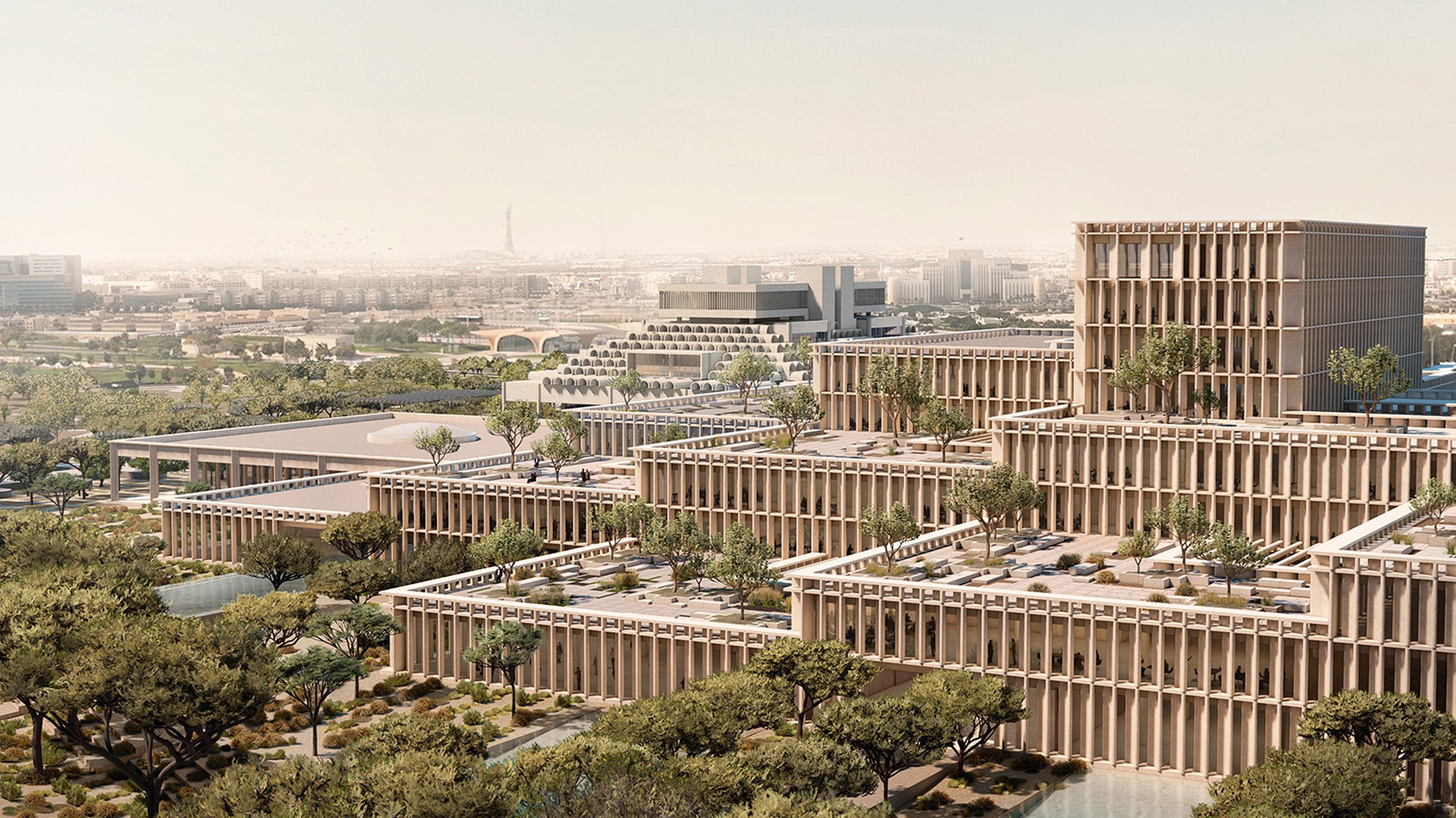
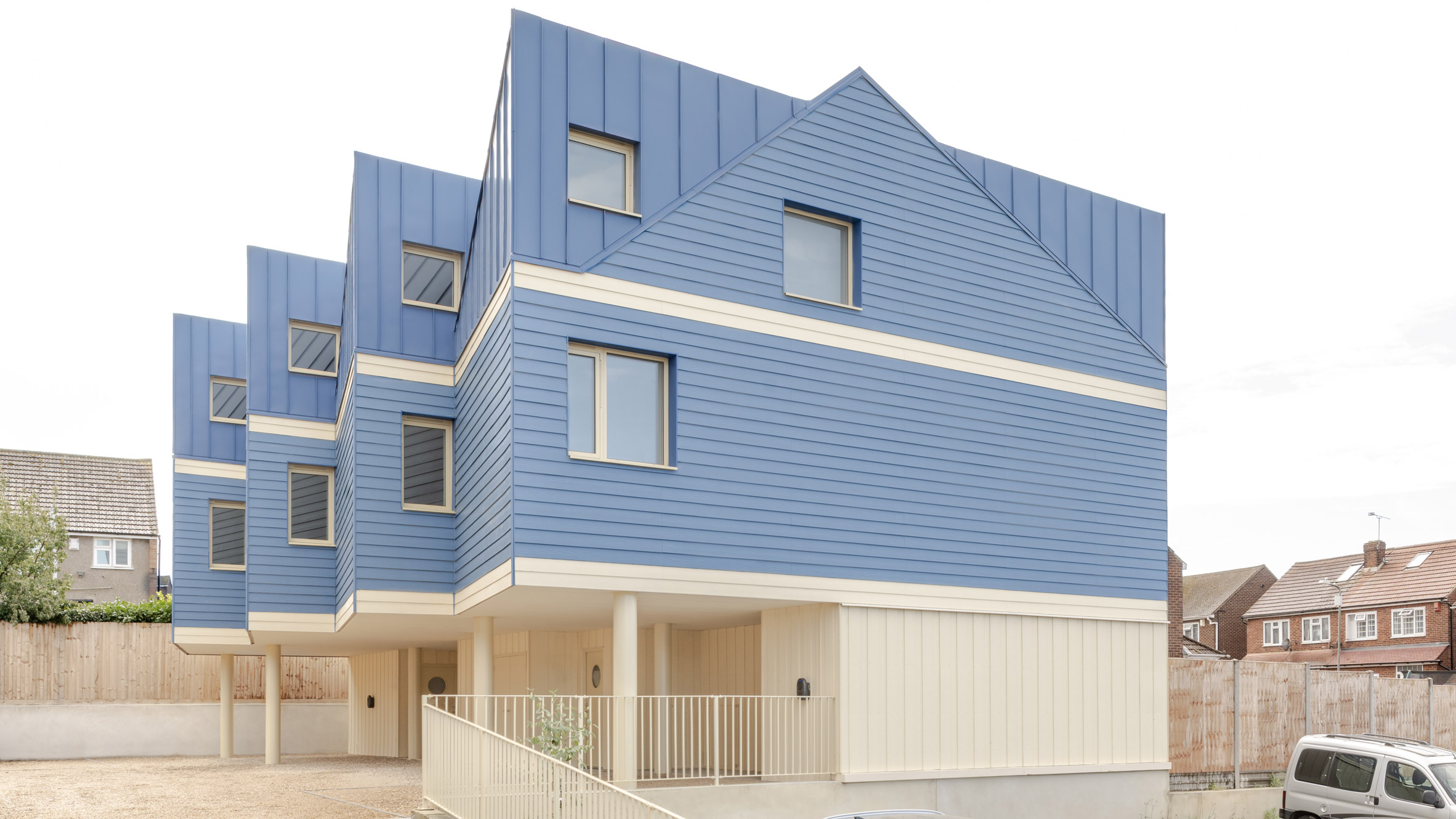
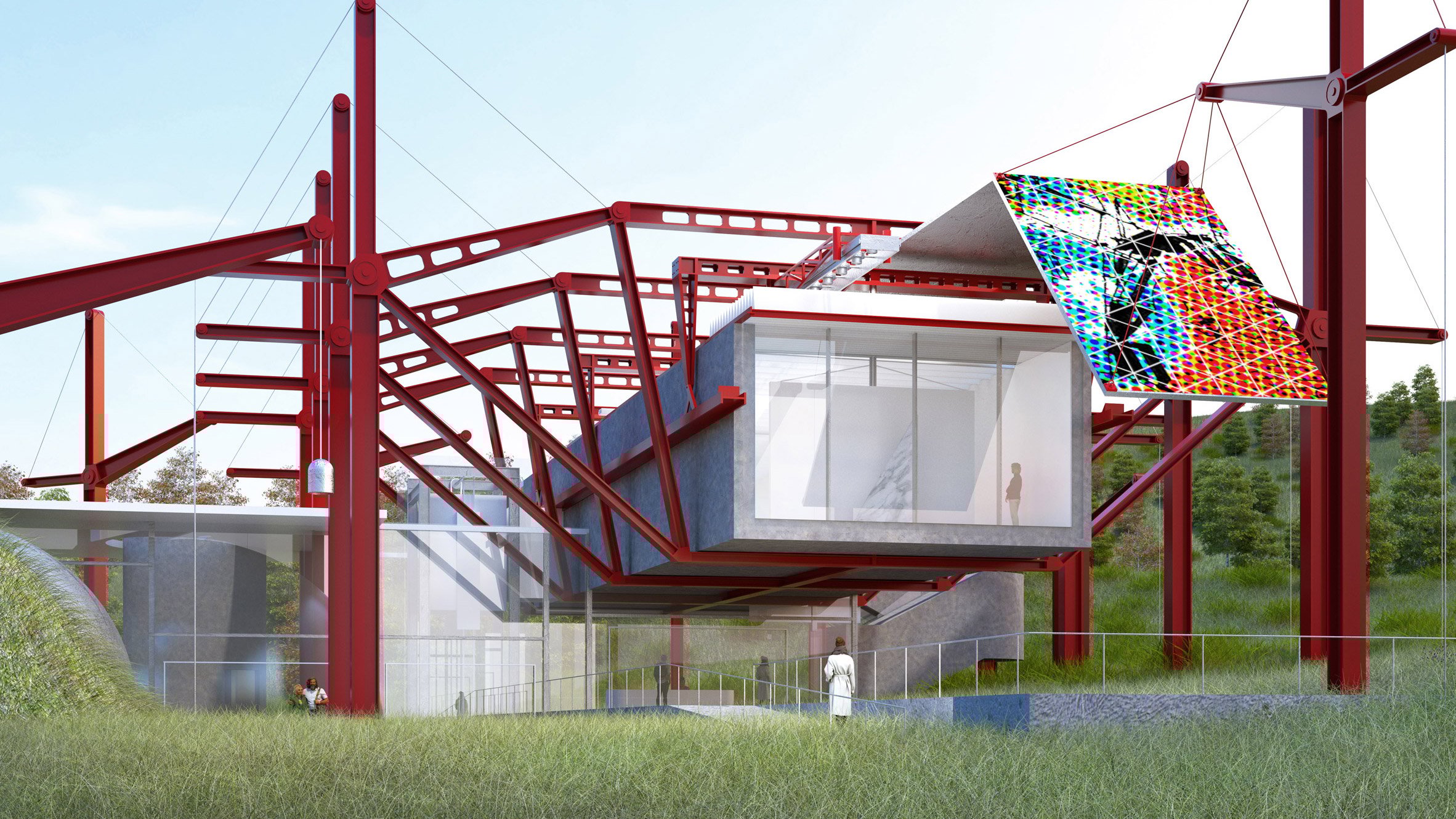
Continuing our 2025 review, we take a look at 10 of the most eye-catching museums and galleries featured on Dezeen this year, including buildings by Foster + Partners, MAD, Kengo Kuma and BIG.
From sculptural new builds to clever renovations, and even a gallery buried underground, these museums are worth leaving the house for in 2026.
Read on for Dezeen's selection of the top museums and galleries of the year:
 Photo courtesy of the Zayed National Museum
Zayed National Museum, United Arab Emirates, by Foster + Partners
Unveiled earlier this week, the long-awaited Zayed National Museum in Abu Dhabi is the newest building featured in this lineup.
Designed by British studio Foster + Partners, it forms the centrepiece of Saadiyat Island's cultural district alongside the Louvre Abu Dhabi by Jean Nouvel and the upcoming Guggenheim museum by Frank Gehry.
The museum is characterised by five giant steel towers, the tallest of which tops out at 123 metres, which were designed to draw hot air out of the atrium and bring cool air into the interior.
Find out more about Zayed National Museum ›
 The photo is by Hufton+Crow
V&A East Storehouse, UK, by Diller Scofidio + Renfro
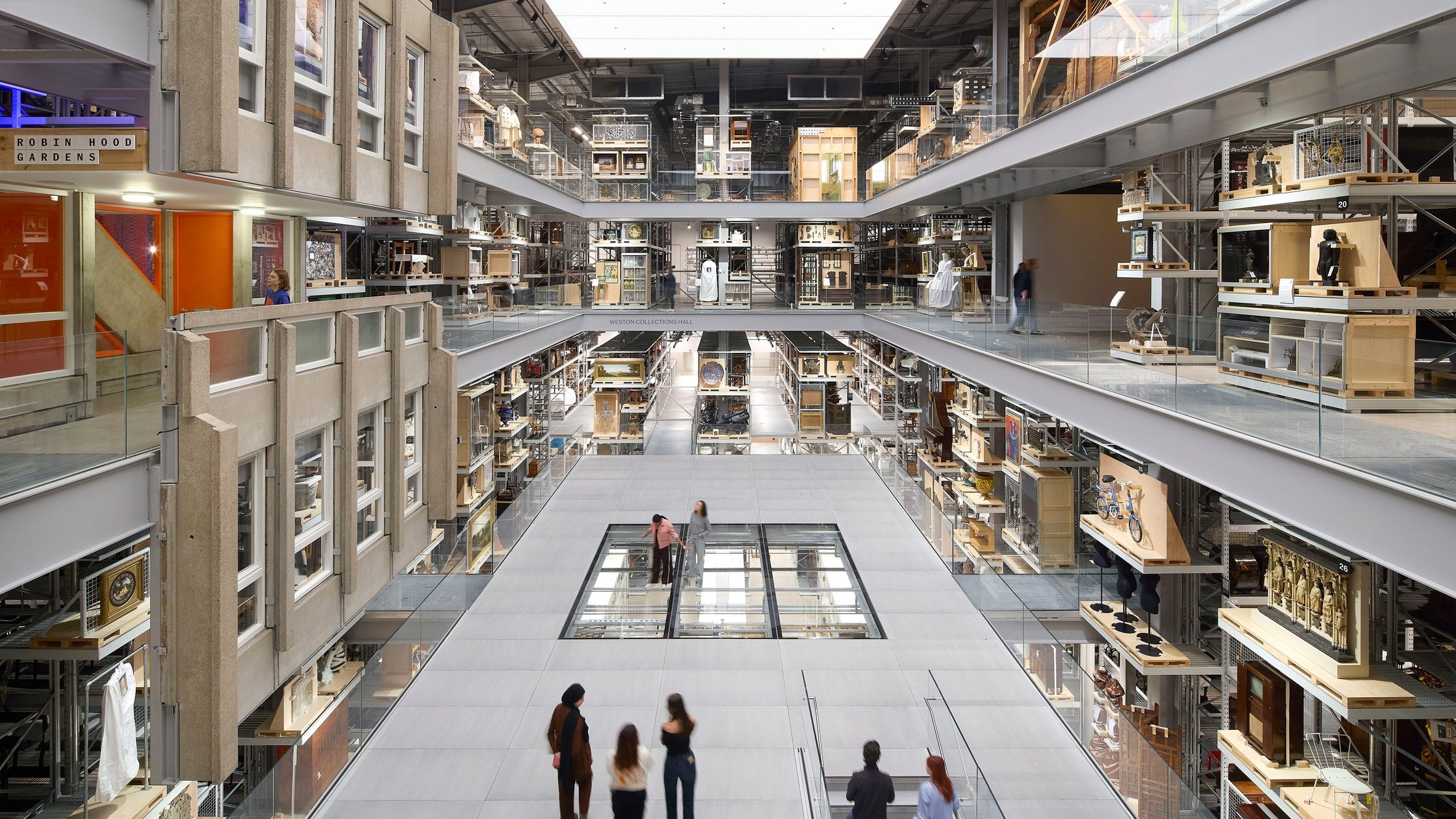
American studio Diller Scofidio + Renfro overhauled a hangar in London to create a publicly accessible working storage facility for the Victoria and Albert Museum.
Located in the East Bank cultural quarter in Queen Elizabeth Park, the V&A East Storehouse contains an extensive collection of 250,000 objects, 350,000 books and 1,000 archives, a selection of which is displayed to visitors on metal racks.
Originally built as the broadcasting centre for the 2012 London Olympics, Diller Scofidio + Renfro maintained the industrial feel of the building and created a 20-metre-tall hall at the centre.
Find out more about V&A East Storehouse ›
 Photo by Ye Jianyuan
Suzhou Museum of Contemporary Art, China, by BIG
Sweeping, ribbon-like roofs unite the 12 pavilions that make up the Suzhou Museum of Contemporary Art, which is located on the Jinji Lake waterfront in Suzhou, China.
Architecture studio BIG drew upon tiled eaves that shelter corridors in centuries-old Suzhou gardens when designing the distinctive roof, aiming to connect glazed exhibition spaces with outdoor courtyards.
Find out more about Suzhou Museum of Contemporary Art ›
 Photo by Iwan Baan
Fenix Museum of Migration, the Netherlands, by MAD
A pair of giant helical staircases rises from the ground floor of the Fenix Museum of Migration and punctures through its roof, forming a viewpoint that overlooks the River Maas in Rotterdam.
The eye-catching staircase, named the Tornado, was designed as a symbol of movement, aiming to encapsulate the museum's goal of telling stories of migration through art.
Located in a century-old warehouse, the renovated building is the first museum to be completed by Chinese studio MAD in Europe.
Find out more about Fenix Museum of Migration ›
 Photo by Iwan Baan
Calder Gardens, USA, by Herzog & de Meuron
At the Calder Gardens art institution in Philadelphia, architecture studio Herzog & de Meuron created galleries submerged under meadow-like gardens designed by landscape designer Piet Oudolf.
Dedicated to the work of the Pennsylvania-born sculptor Alexander Calder, the subterranean museum is revealed by a concrete-framed opening cut into the sloped site and a circular skylight.
Designed in contrast to the monumental architecture that surrounds the gardens, the site is backed by a long metal wall, and a small wooden structure forms the entrance.
Find out more about Calder Gardens ›
 Photo by Chen Yang
CMP Inspiration, Taiwan, by Kengo Kuma
Architecture studio Kengo Kuma and Associates also submerged part of the CMP Inspiration museum underground, creating a curving subterranean level and a ground floor level under a swooping green roof.
Located in Taichung, Taiwan, the garden roof is publicly accessible and doubles as an events space.
Aiming to blur the boundary between architecture and nature, Kengo Kuma and Associates added ivy that grows over the building's wooden louvres.
Find out more about CMP Inspiration ›
 Photo by Martin Argyroglo
Fondation Cartier, France, by Jean Nouvel
The Fondation Cartier art museum in Paris relocated this year, moving from its 1980s Jean Nouvel-designed location to a renovated Haussmann-era block.
In a full-circle moment, Nouvel designed the gallery's new location, adding five movable floors that can be lowered or raised to create different exhibition layouts.
Find out more about Fondation Cartier ›
 Photo courtesy of the Grand Egyptian Museum
Grand Egyptian Museum, Egypt, by Heneghan Peng Architects
With a total floor area of 81,000 square meters, Dublin studio Heneghan Peng Architects claims its Grand Egyptian Museum in Giza is the "largest museum in the world dedicated to a single civilisation".
The colossal museum fully opened this year following years of delays and setbacks, and over three decades after plans for the building were announced.
Clad in triangular panels of translucent alabaster, Egyptian limestone and glass, the angular building was designed as a giant wedge with views towards the Pyramids of Giza.
Find out more about Grand Egyptian Museum ›
 Photo courtesy of Dib Bangkok
Dib Bangkok, Thailand, by WHY Architecture
International studio WHY Architecture renovated a 1980s warehouse in Bangkok to create Dib Bangkok, which it said is Thailand's first international contemporary art museum.
The studio added a sawtooth roof and 11 gallery spaces to the three-storey building, including a distinctive cone-shaped gallery surrounded by a water feature.
Find out more about Dib Bangkok ›
 Photo by YHLAA
Taichung Green Museumbrary, Taiwan, by SANAA
Japanese studio SANAA, winner of this year's RIBA Royal Gold Medal, completed its largest cultural building to date with the Taichung Green Museumbrary.
The building combines an art museum and library within its eight cubic volumes, which were connected with winding walkways and cloaked in a veil of aluminium mesh.
Comments (0)