As winter arrives and forecasters predict another spell of frosty weather, UK motorists are being urged to allow greater stopping distances to help prevent avoidable collisions.
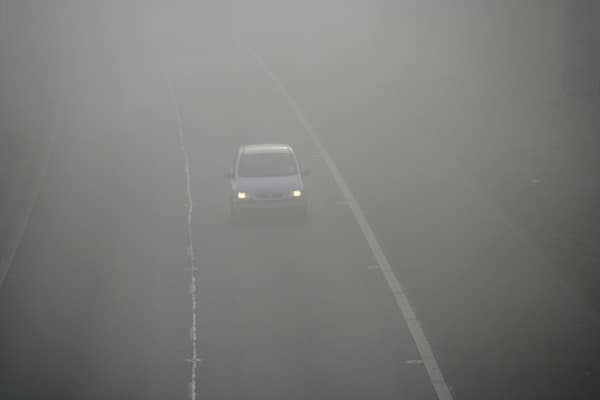
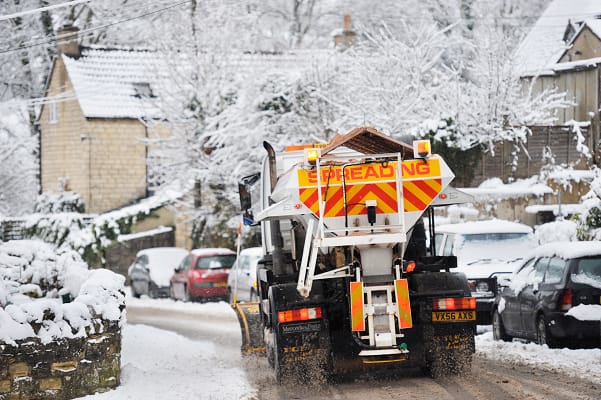
Car insurance experts at Quotezone.co.uk are warning that wintry conditions like snow and ice require stopping distances up to 10 times greater than usual.
Winter also sees a rise in UK road accidents due to reduced daylight hours and challenging weather conditions – with drivers six times more likely to have an accident between October and March.
As driving conditions become more difficult and potentially hazardous, it’s crucial that motorists understand how dramatically stopping distances can increase.
In dry weather, the Highway Code advises stopping distances of 23 metres at 30mph, 53 metres at 50mph, and 96 metres at 70mph – the equivalent of around 24 car lengths.
However, these distances can increase significantly in winter. Snow and icy conditions can require up to 10 times the usual distance, while wet weather demands at least double the normal stopping distance.
It’s also important to remember that stopping distance isn’t just about braking. It also includes thinking distance – the distance a vehicle travels from the moment a driver perceives a hazard, to the time they react by applying the brakes, allowing the vehicle to come to a complete stop.
If drivers are tired, stressed or distracted, it can affect the thinking distance and reduce the speed at which drivers react, taking even longer for the vehicle to come to a halt.
Greg Wilson, CEO and car insurance expert at Quotezone said: “It’s crucial that drivers don’t underestimate winter weather and are fully prepared for worsening conditions.
“With accidents more likely throughout the winter months, remembering stopping distances and giving other drivers plenty of space is key – the more time and visibility drivers have, the more likely they will be able to react in time and avoid dangerous situations.
“If drivers are involved in an accident when driving in ice or snow, their insurer could challenge the claim if they were found to be driving negligently, such as ignoring safety advice or speeding – drivers need to adhere to the rules of the road no matter what the conditions, to avoid reckless driving.”









Comments (0)