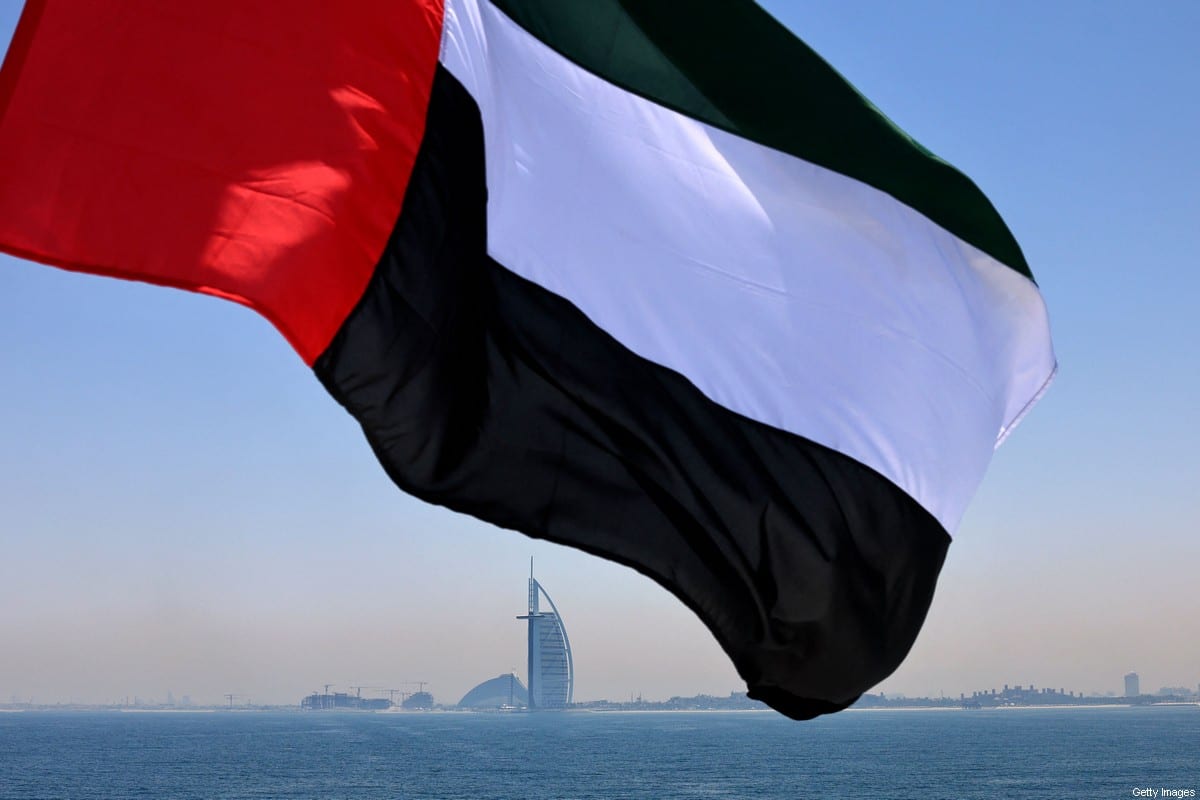
Recent developments in Yemen are revealing deeper fractures within the Middle East’s alliance system, particularly within the Sunni camp, while also exposing how the “Muslim Brotherhood threat” narrative is being redeployed to justify shifting geopolitical interests.
The Muslim Brotherhood, Saudi Arabia, and the Yemen exception
A recent statement published by a Muslim Brotherhood-affiliated platform, said the group strongly condemned Emirati actions, not only in Yemen but also in Somalia, Sudan, and Libya, accusing Abu Dhabi of fuelling separatist tendencies and undermining Arab and Muslim unity.
This position reflects a broader and long-standing anomaly in intra-Sunni politics. While Saudi Arabia and the UAE have largely coordinated their opposition to the Brotherhood across the region, Yemen has remained an exception. Yemen’s Islah party, widely regarded as an offshoot of the Muslim Brotherhood, has aligned itself with Saudi Arabia for years, seeing Riyadh as a bulwark against both the Houthis and Emirati-backed southern separatism.
This alignment was reinforced yet again in a joint statement released just days ago by several Yemeni political groups, including Islah, which unequivocally supported Saudi Arabia while sharply denouncing any attempt to separatism.
Securitising the Brotherhood: From “terrorism” to a new Meta-narrative
In response, Emirati media and affiliated digital platforms have revived a familiar accusation: branding Saudi-aligned Yemeni factions as “Brotherhood supporters,” as though such an association alone is sufficient to delegitimise them.
This reflects a deeper Meta-narrative carefully constructed over the past decade. With the help of Western Islamophobic discourses and pro-Israel media ecosystems, Gulf state apparatuses, most notably the UAE, have successfully securitised Islamist movements, particularly the Muslim Brotherhood, portraying them as an existential and civilisational threat.
As the slogan of “fighting terrorism” has increasingly lost credibility due to overuse and exposure, “fighting the Brotherhood” has emerged as its replacement. It is a far more convenient mask, allowing campaigns against Islamic political actors to proceed calmly and respectably, without triggering widespread scrutiny or suspicion.
READ: US, Saudi Arabia discuss Yemen tensions, regional security
Saudi Emirati rivalry: Yemen as a flashpoint
The growing rift between Mohammed bin Zayed (MBZ) and Mohammed bin Salman (MBS) has been simmering beneath the surface for some time. Competition for influence in Washington, diverging regional ambitions, and clashing approaches to Israel and Sudan etc., have all contributed to this tension.
Sudan offers a telling example. Emirati overreach there has reportedly been challenged directly by Saudi Arabia, with Riyadh raising concerns at the highest levels of the US administration. Yemen now appears to be another arena where these rivalries are becoming visible.
Political sociologist Khalil al-Anani has argued that the Emirati agreement to withdraw from certain positions in Yemen represents a tactical retreat rather than a strategic reversal, an attempt to placate an increasingly frustrated Saudi Arabia. Yet such gestures, he warns, do little to undo the broader destabilising role played by the UAE across multiple Arab theatres. A genuine course correction would require coordinated Arab pressure, not isolated concessions.
A broader geostrategic realignment?
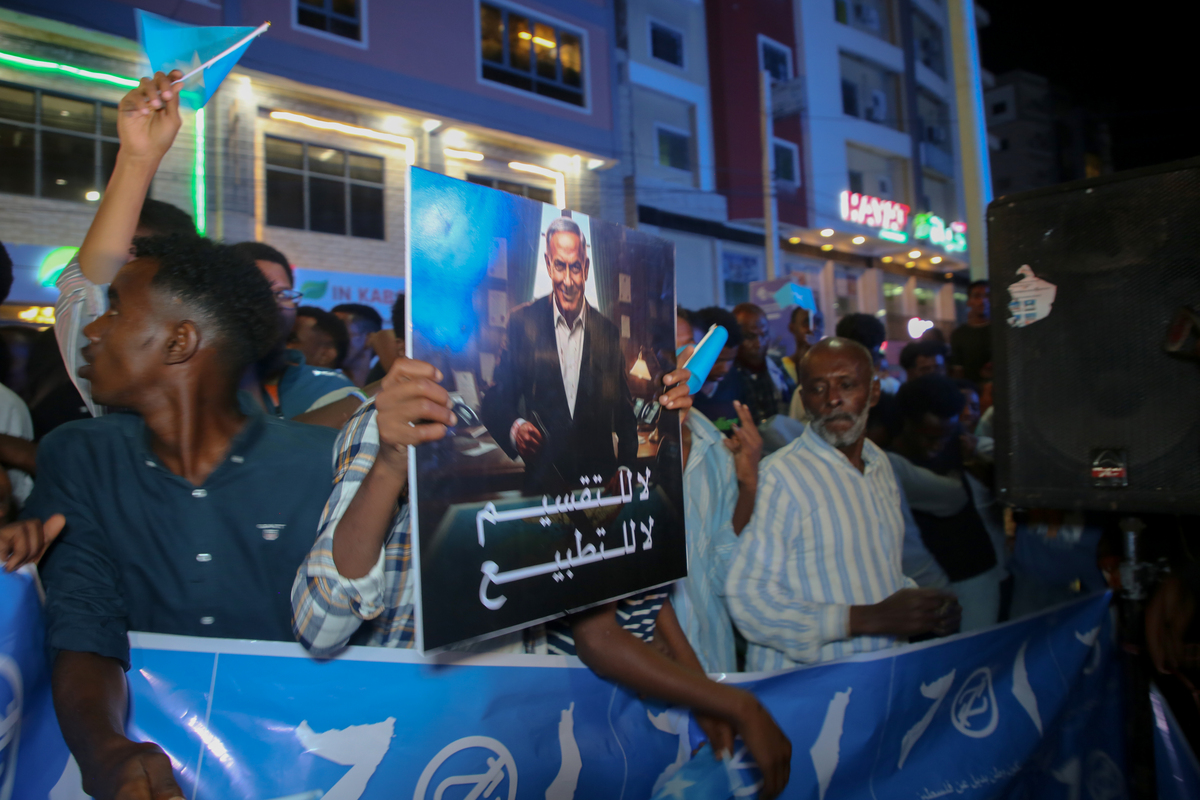
Adding another layer to this evolving picture, Vali Nasr has pointed to the wider geopolitical implications of recent developments in Yemen and the Horn of Africa. According to Nasr, Israeli recognition of Somaliland and Emirati manoeuvring in Yemen shows the convergence of Emirati Israeli interest and it could push Saudi Arabia toward recalibrating its regional alignments, potentially drawing it closer to Turkey and even Iran.
This possibility gained further traction when Iran’s foreign minister Sayyid Abbas Araghchi, recently held a telephone conversation with his Saudi counterpart, Faisal bin Farhan, focusing on Yemen. Iran’s role, particularly its influence over the Houthis, may become central to counterbalancing what some in Riyadh increasingly perceive as an emerging Israeli Emirati nexus in the Red Sea and Horn of Africa.
READ: Saudi-led coalition says it targeted weapons arriving from UAE at Yemen’s Mukalla port
Mixed reactions from the region
Reactions across the GCC and key Muslim-majority states have been cautious and calibrated. Kuwait, Qatar and Oman reaffirmed their complete support for the legitimate government of Yemen, one that is Yemen’s internationally recognised government, and emphasized the Saudi Arabia’s territorial security while simultaneously stressing the importance of unity between the two Gulf states and the importance of dialogue and diplomacy. Egypt, whose interests are deeply entangled in Somalia, Sudan, and Libya, and which itself is at odd with the UAE in Sudan, has adopted a similarly restrained posture and called on Saudi Arabia and the UAE to handle their growing differences over Yemen “wisely” and in a spirit of Arab unity.
Pakistan’s response is particularly noteworthy. The incident occurred while the UAE president was visiting Rahim Yar Khan, even as Saudi Arabia and Pakistan had recently signed a defence pact guaranteeing each other’s security. For Pakistan’s military leadership, maintaining a delicate balance between Riyadh and Abu Dhabi is becoming increasingly complex, much like for Egypt’s leadership, caught between financial dependence and strategic divergence.
Conclusion
Yemen is no longer just a proxy battlefield; it has become a prism through which deeper transformations in Middle Eastern politics are coming into focus. The erosion of Gulf consensus, the instrumentalization of anti-Brotherhood rhetoric, and the emergence of new regional calculations suggest that the post-2013 order is under strain. Whether this leads to genuine realignment or merely tactical adjustments remains to be seen—but the fault lines are now unmistakable.
OPINION: The post-Assad dawn: Syria’s struggle to rise again
The views expressed in this article belong to the author and do not necessarily reflect the editorial policy of Middle East Monitor.