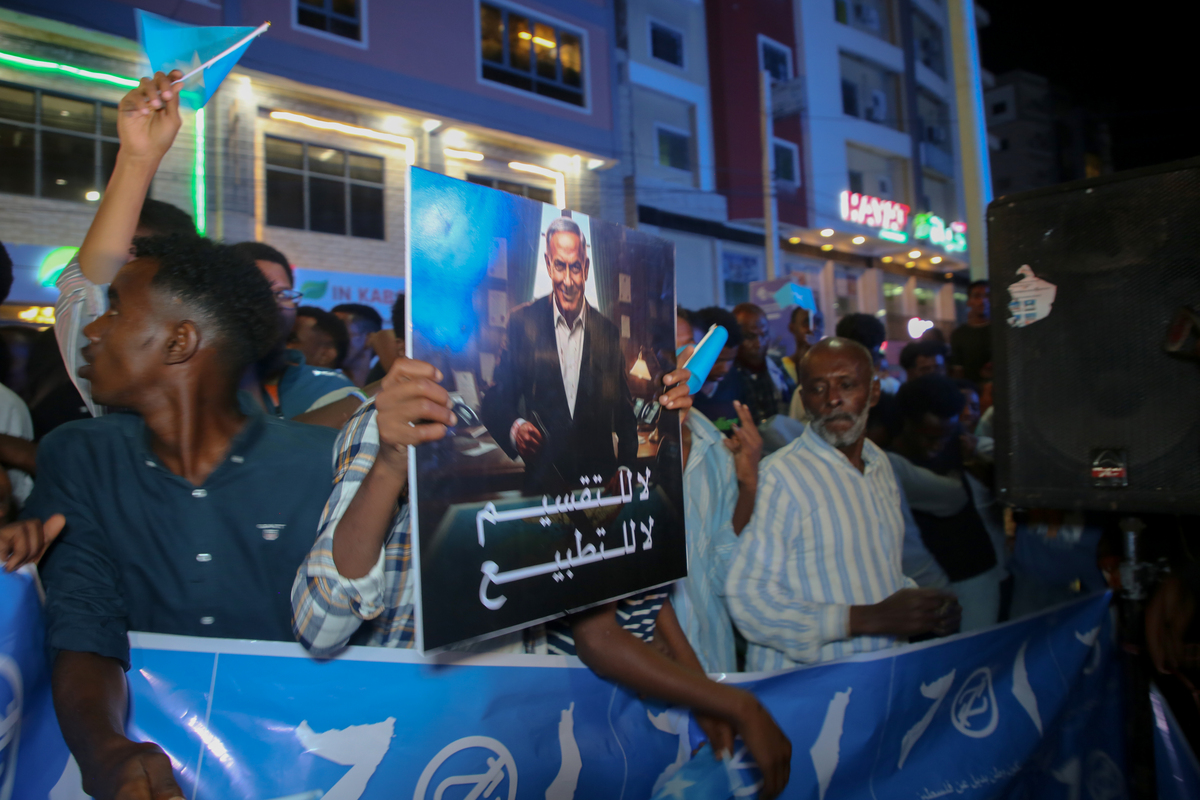
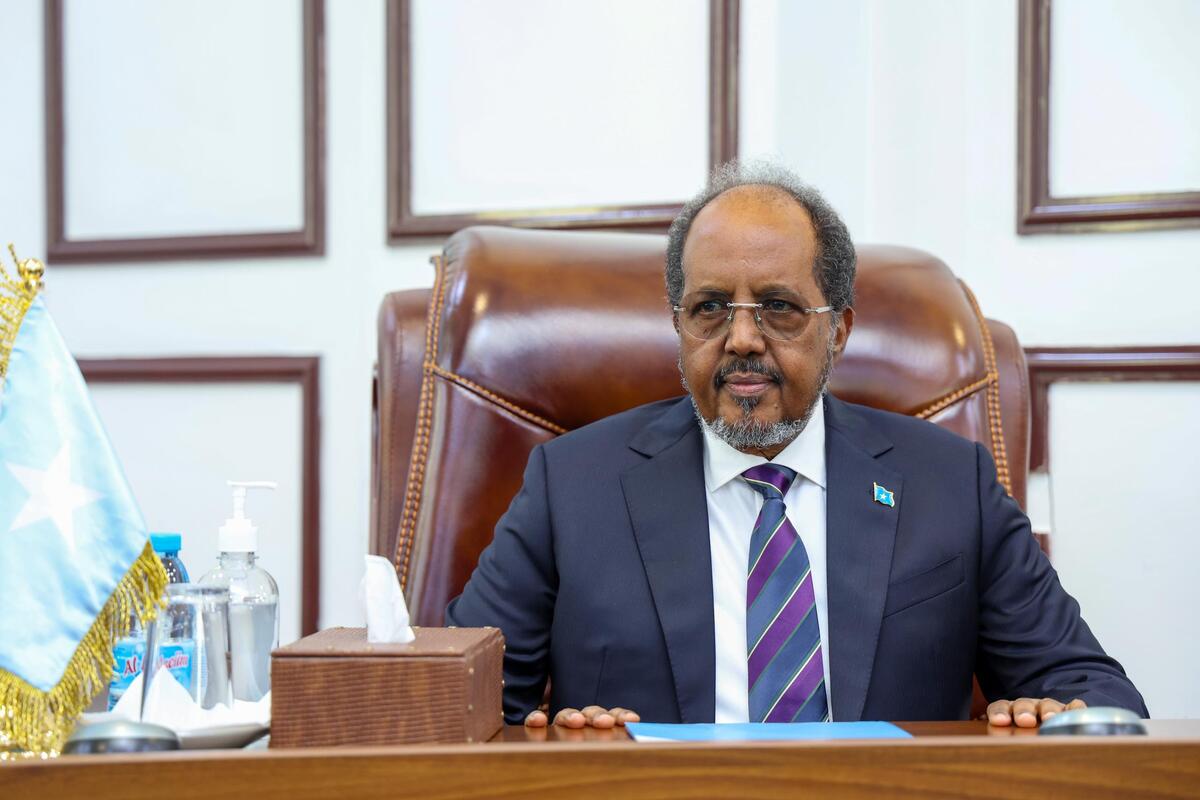
The recognition of the so-called Somaliland by Israel does not constitute a neutral diplomatic gesture nor a peripheral detail of its foreign policy.
It is a deliberate political operation, embedded in a broader strategy of power projection by the Zionist state, aimed at legitimising unilateral processes of secession that corrode central principles of international law, especially that of the territorial integrity of states, enshrined by the African Union.
By replacing collective norms with opportunistic recognitions, the Zionist regime turns sovereignty into a geopolitical bargaining chip. This is not about self-determination, but rather the instrumentalisation of territorial fragmentation as a tool of power.
Rupture is rewarded when it serves external strategic interests, and international legality is ignored when it becomes an obstacle. This practice collides head-on with the post-colonial African architecture, built precisely to contain the arbitrary reopening of borders inherited from European colonialism.
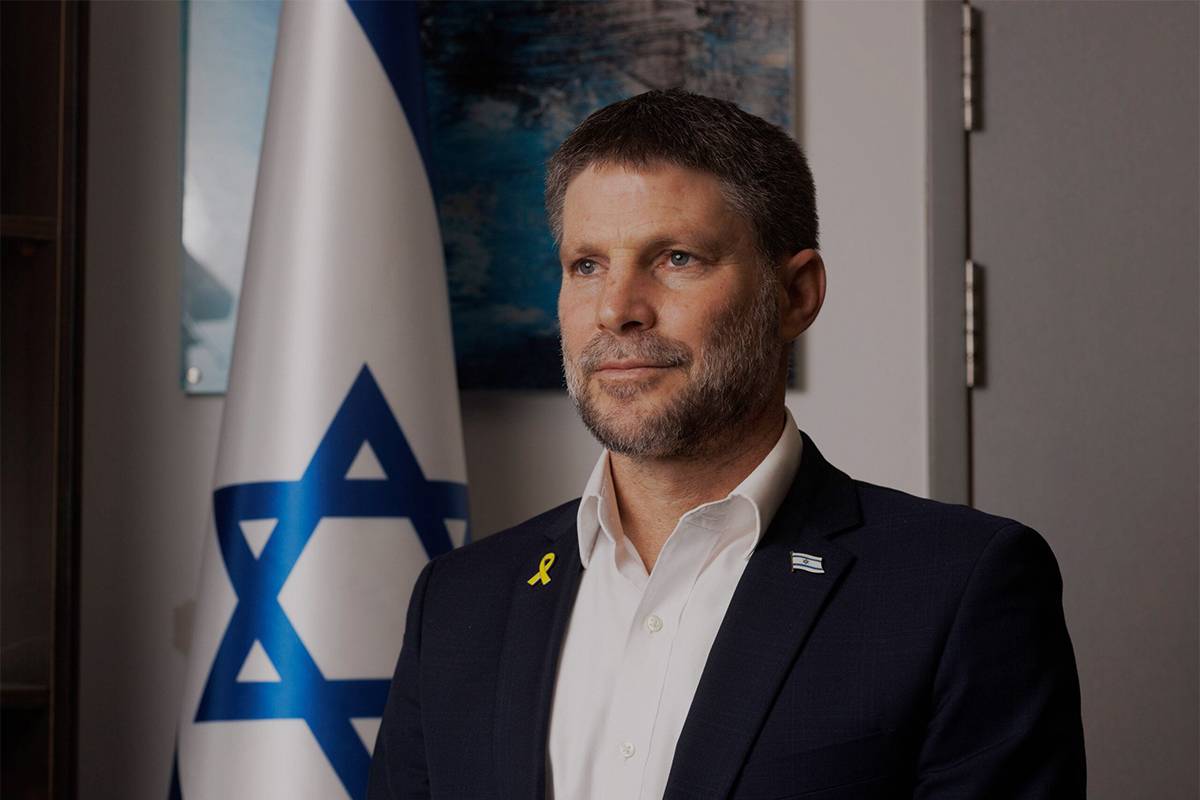
The Israeli gesture is part of a broader strategy to expand military and intelligence influence and to control logistical corridors. Analysts point to the advance of Mossad operations in the Middle East and Eastern Africa, under the direct guidance of the government of Benjamin Netanyahu.
The central objective is to secure influence over vital maritime routes, from the Gulf of Aden to the Bab el-Mandeb Strait, passing through the Red Sea and the Suez Canal, through which a decisive portion of Israeli foreign trade flows. To dominate routes is to dominate flows; to dominate flows is to impose power.
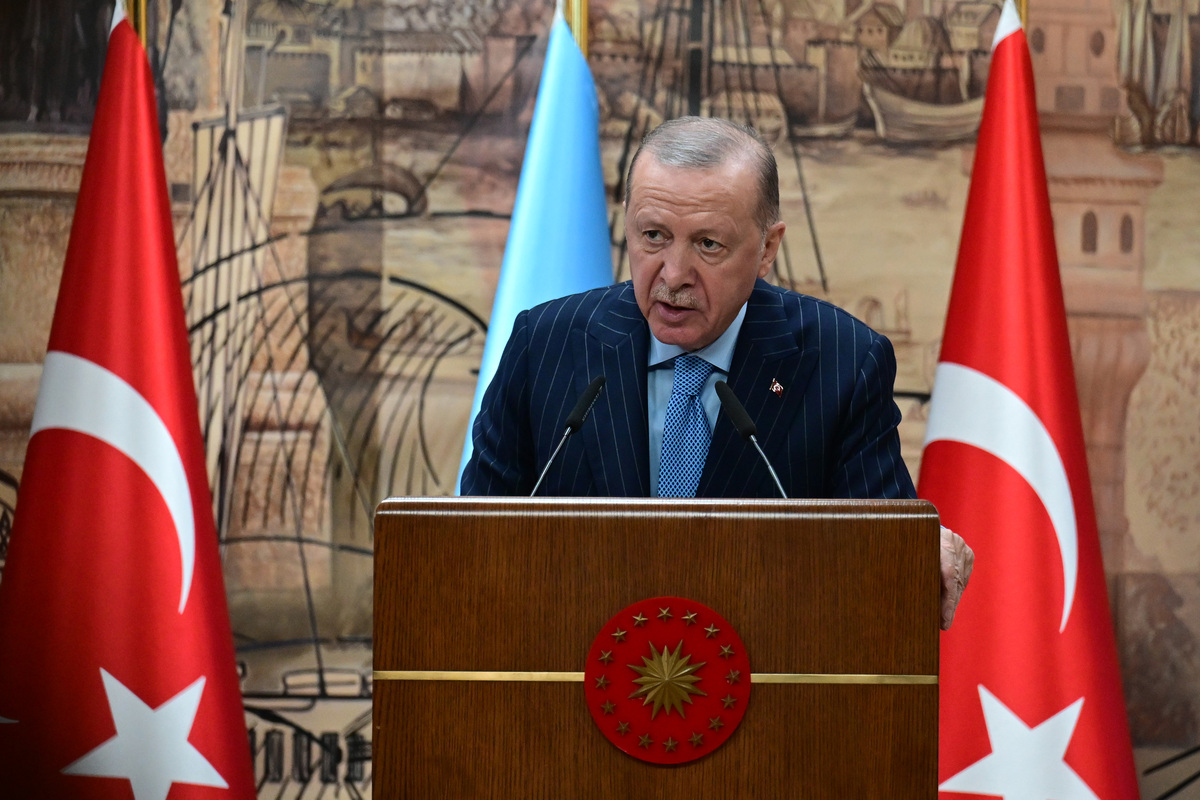
READ: Erdogan says Israel’s recognition of Somaliland is illegal, Turkey plans energy exploration and port project in Somalia
In this context, consistent reports have emerged regarding negotiations for the military use of infrastructure in Somaliland, particularly the airport and port of Berbera. What is confirmed is the strategic value of the region and its historical use by foreign forces.
Israel intends, through this, to operate advanced facilities capable of monitoring Bab el-Mandeb, surveilling the Red Sea, and reducing dependence on politically sensitive overflights through countries such as Saudi Arabia, Iraq, and Jordan.
The regional dimension becomes even more explosive when Yemen and Iran are taken into account. An advanced presence in the Horn of Africa would function as a platform of strategic depth for surveillance and potential military projection, increasing indirect pressure on Tehran and drawing Israel closer to Yemeni conflicts, especially in the context of Houthi activity in the north of the country.
The structural contradiction is evident. Israel seeks to recognise an artificial political entity, founded on colonial arrangements and imposed balances of power, when its own historical creation is inscribed in a similar logic, marked by colonial partitions, ethnic cleansing and the systematic expulsion of an indigenous people.
This is a colonial mirroring: Zionist colonialism recognising another process of colonial fragmentation, replacing legality with strategic convenience.
It is worth recalling that Somaliland has existed de facto since 1991, in north-western Somalia, with its own institutions and relative stability. Even so, it remained for decades without broad recognition precisely to preserve Somali territorial integrity and avoid destabilising precedents on the African continent. The Israeli announcement breaks this consensus and triggers an immediate reaction.
READ: Somali president rejects displacement of Palestinians from Gaza
The League of Arab States convened an emergency meeting to formally reject the recognition, warning of threats to regional security and to Somalia’s territorial unity.
In the same vein, the Organisation of Islamic Cooperation condemned the decision as a dangerous act, intended to foment chaos and support separatist tendencies. Several members of the UN Security Council also expressed concern about the regional impact of the measure.
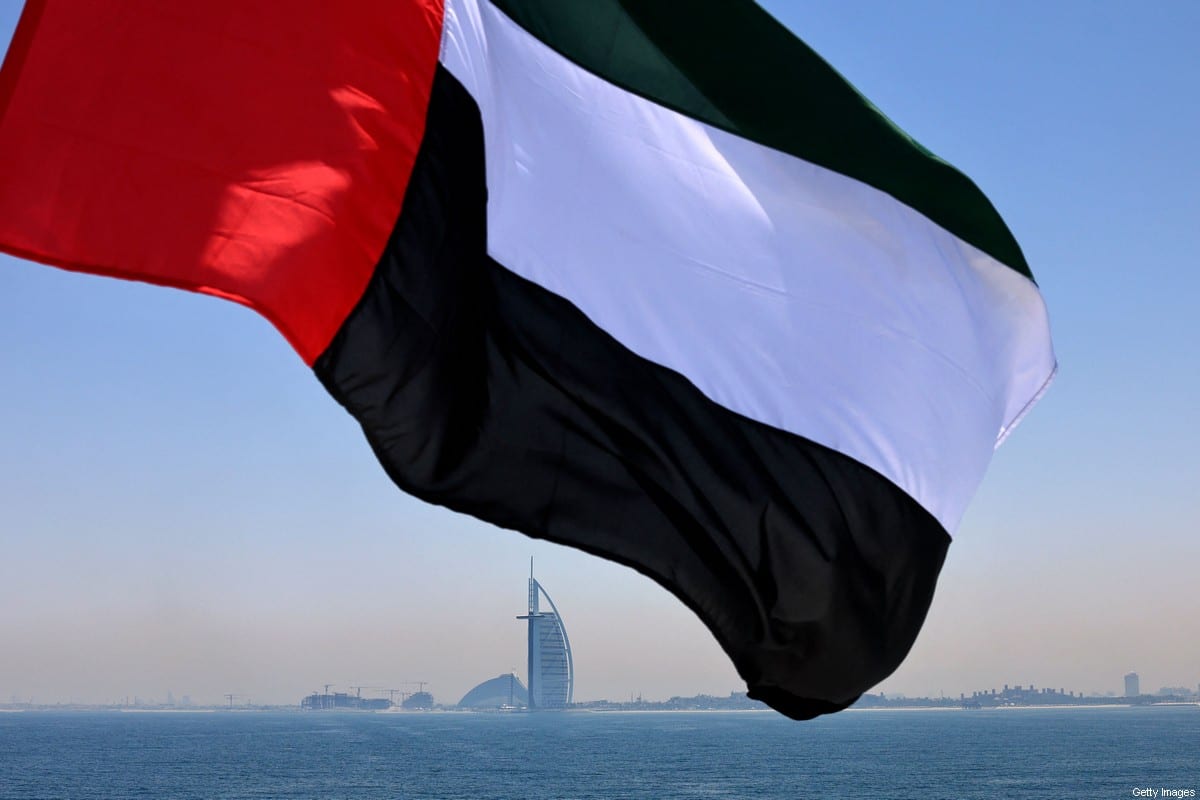
The recognition of Somaliland emerges as a possible precedent for a similar initiative in southern Yemen. There are indications that Israel is considering recognising a secessionist entity linked to the Southern Transitional Council, supported by the United Arab Emirates, as part of a strategy to contain the Houthis and consolidate a presence along the Red Sea coast.
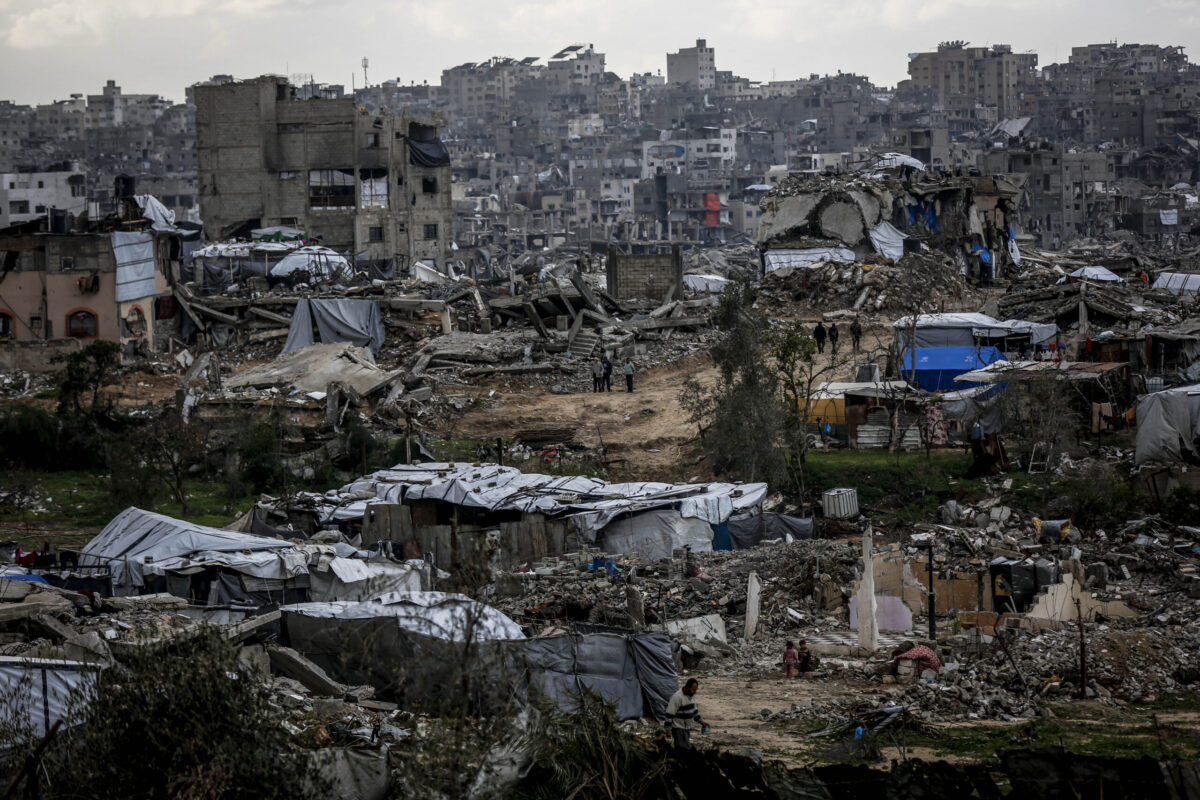
Finally, the unavoidable political point: instead of recognising secessionist entities according to its strategic convenience, Israel should recognise the State of Palestine and cease the daily killing of its people.
Any discourse on legitimacy that ignores occupation, apartheid, and systematic violence is cynical, colonial, and morally bankrupt.
The recognition of Somaliland does not promote self-determination, but instrumentalises fragmentation. It does not strengthen international law; it corrodes it. It does not build peace; it deepens instability to dominate routes, resources, and narratives.
OPINION: Al-Aqsa Flood: Two years of steadfastness and the will for liberation
The views expressed in this article belong to the author and do not necessarily reflect the editorial policy of Middle East Monitor.