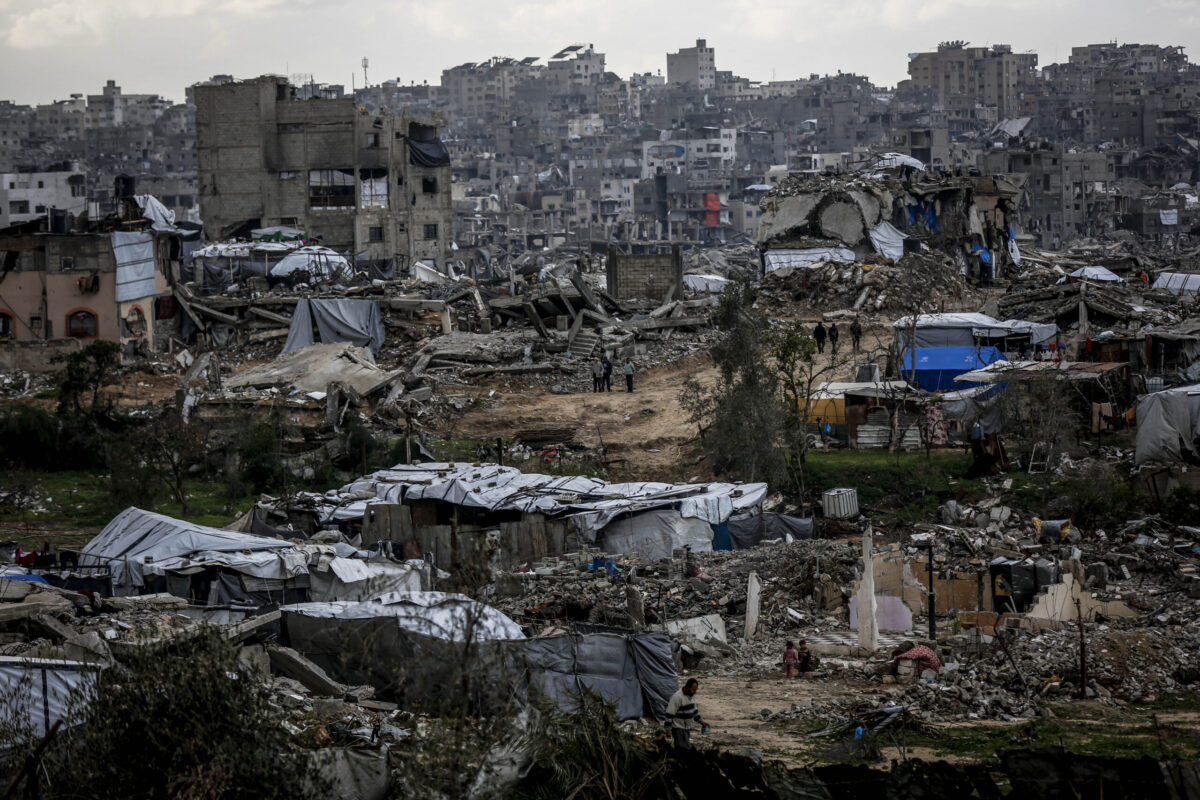
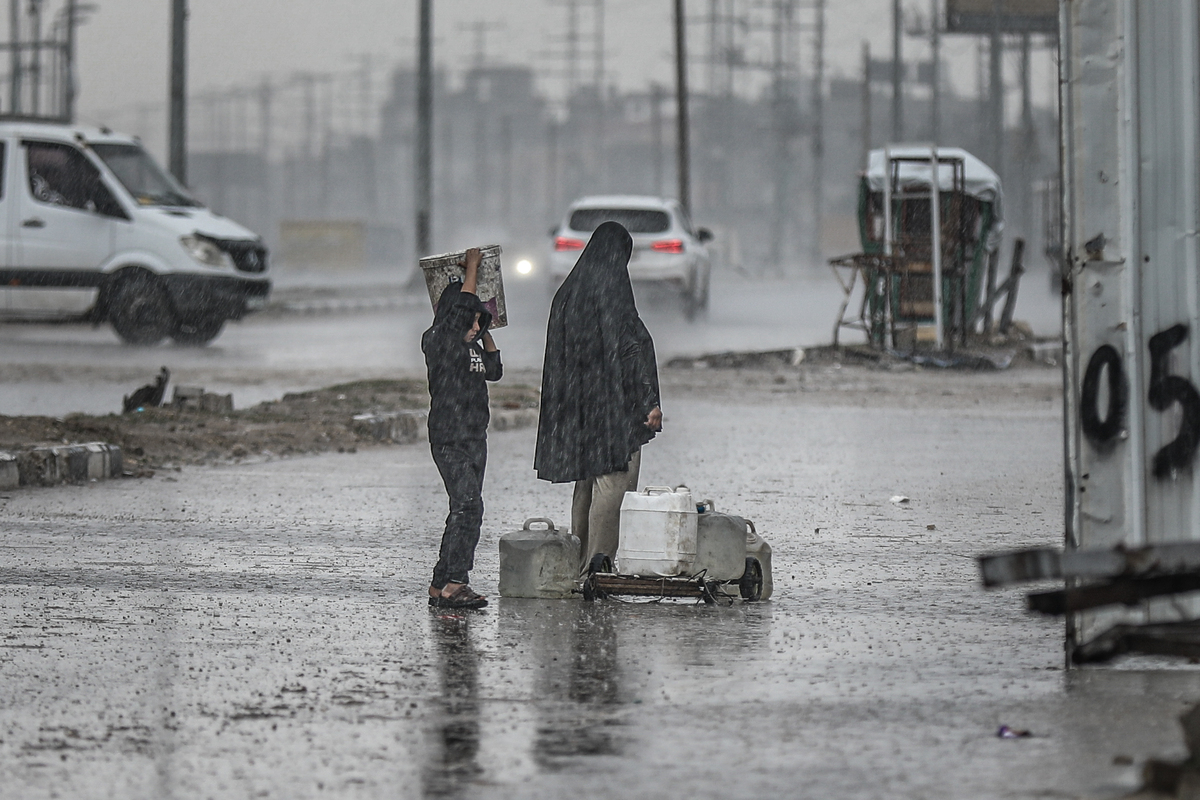
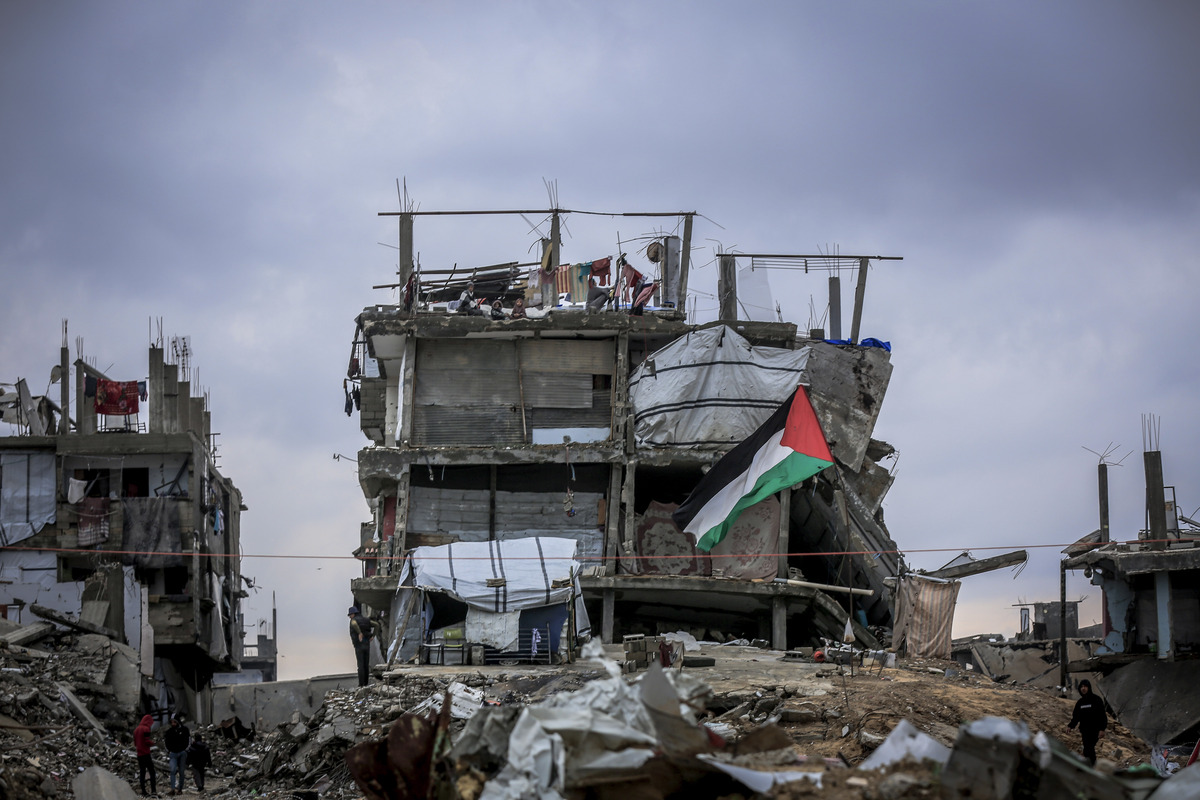
The Gaza war has altered West Asia not merely by unleashing another cycle of destruction, but by exposing the fragility of the region’s political and justice architecture. What collapsed in Gaza was not only restraint, but the credibility of a global order that claims fidelity to international law while suspending it when inconvenient. In this sense, Gaza represents a justice rupture. It has forced states, movements, and societies to reassess relationships not through sentiment or inherited ideology, but through the political costs of visible and sustained injustice.
For decades, West Asian alliances appeared rigid, shaped by Cold War loyalties, oil security, and the strategic umbrella of the United States. Enmities were presumed permanent, friendships unbreakable. Gaza has shattered that illusion. It has revealed that power detached from justice does not stabilise the region; it corrodes it. As images of civilian devastation circulated globally, the gap between declared principles and applied practice became impossible to ignore. This exposure has accelerated a quiet but decisive recalibration across the region.
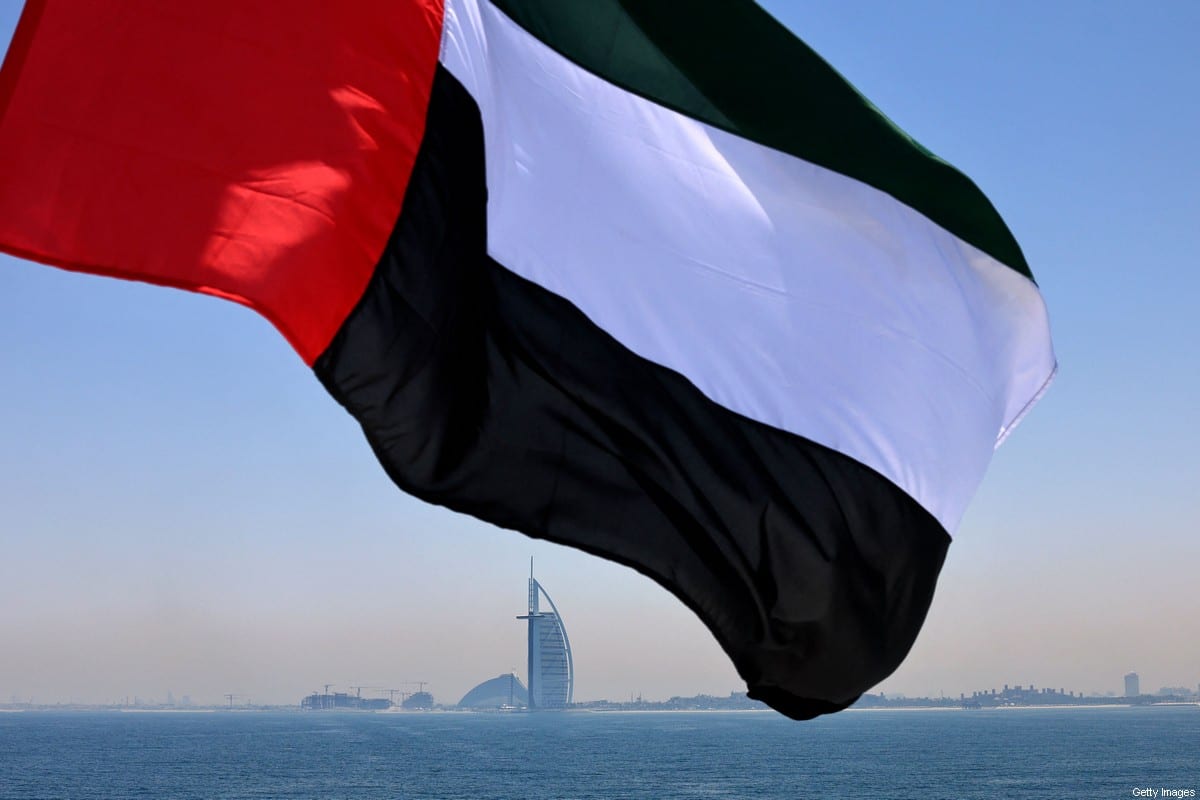
Saudi Arabia’s current trajectory illustrates this shift with particular clarity. The Kingdom is no longer operating within the certainties that once defined Gulf politics. Vision 2030 has tied Saudi Arabia’s future to economic diversification, foreign investment, tourism, and regional calm. All of these depend not only on security, but on legitimacy—especially in the Arab and Muslim worlds. After Gaza, overt alignment with Israel would place Riyadh in direct contradiction with widely held justice claims regarding occupation, civilian protection, and accountability. This is not a matter of rhetoric alone; it is a question of political sustainability.
Saudi Arabia’s recalibration should not be mistaken for ideological conversion. It is pragmatic and cautious, shaped by a recognition that legitimacy today cannot be outsourced to Western approval. The Gaza war has demonstrated that proximity to Western power no longer guarantees insulation from popular anger or reputational damage. Silence, ambiguity, and strategic delay have become tools of governance. In this sense, Saudi Arabia is changing not because it has embraced resistance politics, but because the costs of ignoring justice claims have become too high to absorb.
READ: Israel to revoke permits of international aid groups operating in West Bank, Gaza
Iran, by contrast, appears steady, mature, and self-confident in this moment. That confidence does not arise from sudden advantage, but from long conditioning. For over four decades, Iran has existed under sanctions, diplomatic isolation, covert attacks, and economic pressure. This experience has produced a political culture anchored in endurance and strategic patience. Iran has long argued that the international system is structurally incapable of delivering justice to Palestinians, and Gaza has reinforced that claim in the eyes of many across the Global South.
This does not mean Iran is without contradictions or beyond critique. Its regional interventions have generated resentment, and its internal politics remain contested. Yet in the post-Gaza environment, consistency matters. Iran is not scrambling to redefine itself; it is allowing the contradictions of the existing order to surface on their own. This steadiness, whether one agrees with its politics or not, contrasts sharply with the visible anxiety of regimes whose legitimacy was once secured through Western alignment.
The evolving Saudi–Iran relationship must therefore be understood through this justice lens. It is neither reconciliation nor convergence, but a form of mutual risk management. Both states recognise that open confrontation now carries costs that far exceed potential gains. A regional war would expose Gulf energy infrastructure, disrupt global markets, inflame domestic vulnerabilities, and deepen instability without addressing the justice deficit at the heart of regional conflict. Restraint, under these conditions, becomes a projection of control rather than weakness.
Gaza has also altered how legitimacy itself is measured. The region is no longer divided primarily along sectarian or ethnic lines. The deeper fault line now runs between power exercised without accountability and power constrained—however imperfectly—by justice claims. Positions once considered neutral are now read as political statements. Silence is interpreted. Diplomatic gestures are scrutinised. States are judged less by their declarations and more by their willingness to acknowledge asymmetry, civilian suffering, and legal responsibility.
READ: 235,000 Palestinians affected by ‘man-made’ consequences of winter in Gaza: UNRWA chief
This shift has profound implications. It explains why normalisation projects have stalled, why regional powers are hedging rather than aligning, and why extra-regional actors like China are finding space to mediate. The appeal of China’s diplomacy lies not in shared values, but in its refusal to impose selective justice standards. In a region weary of conditional legality, that posture carries weight.
The Gaza war has also reinforced a broader civilisational transition already underway. West Asia is moving from dependency toward autonomy, from permanent enemies toward conditional rivals, and from externally imposed order toward regional self-balancing. This does not herald peace or harmony. Conflicts will persist, and power struggles will continue. But the grammar of power is changing. Justice, long invoked rhetorically and denied in practice, has become an unavoidable reference point in strategic calculation.
This is why the assertion that no relationship is forever the same resonates so strongly today. Alliances formed under one global order cannot survive unchanged in another. Saudi Arabia is changing because it must navigate a landscape where justice deficits erode authority. Iran appears confident because it believes time and exposure favour its critique of the existing system. Gaza has accelerated this divergence, making old certainties untenable.
The post-Gaza Middle East is not witnessing the triumph of justice, but the collapse of the illusion that justice can be indefinitely postponed without consequence. Power still matters, but it is no longer sufficient. Strategies that ignore justice now generate instability rather than compliance. In that sense, Gaza has not merely altered alliances; it has altered the terms on which alliances are judged.
West Asia is entering a period of provisional relationships, contested authority, and strategic patience. The future will not be defined by fixed blocs, but by continual recalibration under the weight of unresolved injustice. Gaza did not create this reality. It revealed it—too starkly to be ignored, and too publicly to be reversed.
OPINION: Arms, silence, and alignment: The moral and geopolitical cost of India-Israel military ties
The views expressed in this article belong to the author and do not necessarily reflect the editorial policy of Middle East Monitor.