
Remember me

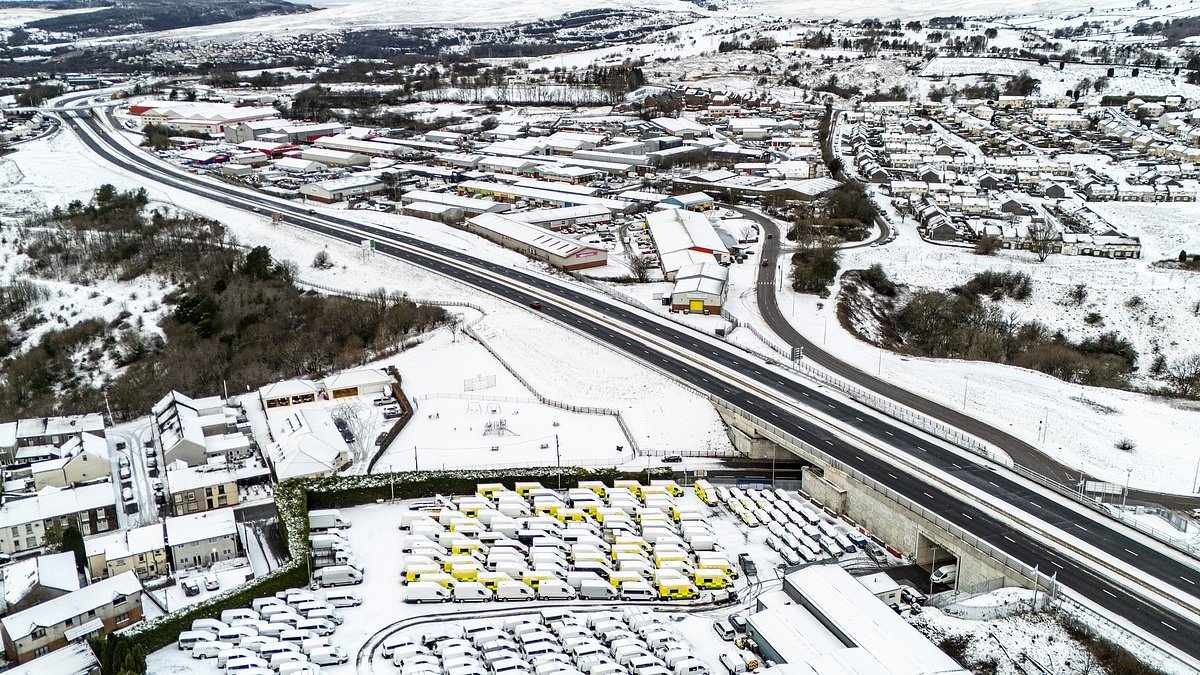

A combination of slow, steady snowfall and sub-zero temperatures has held the North of Scotland in an Arctic grip since the weekend.
Although weather conditions are set to improve, the danger this cold snap presents will diminish slowly as snow gives way to ice.
And after the thaw, one hopes, there will be lessons learned.
In my constituency of West Aberdeenshire and Kincardine, we have some of the coldest, most exposed and ice-prone places found in Scotland.
Our rural roads and bridges are always waiting on the next high wind or flood, freeze or spate to cut us off or force a change of plans.
This probably makes people in the North-East a bit pragmatic when it comes to asking for help. When the call comes, it’s in the spirit of mutual aid.

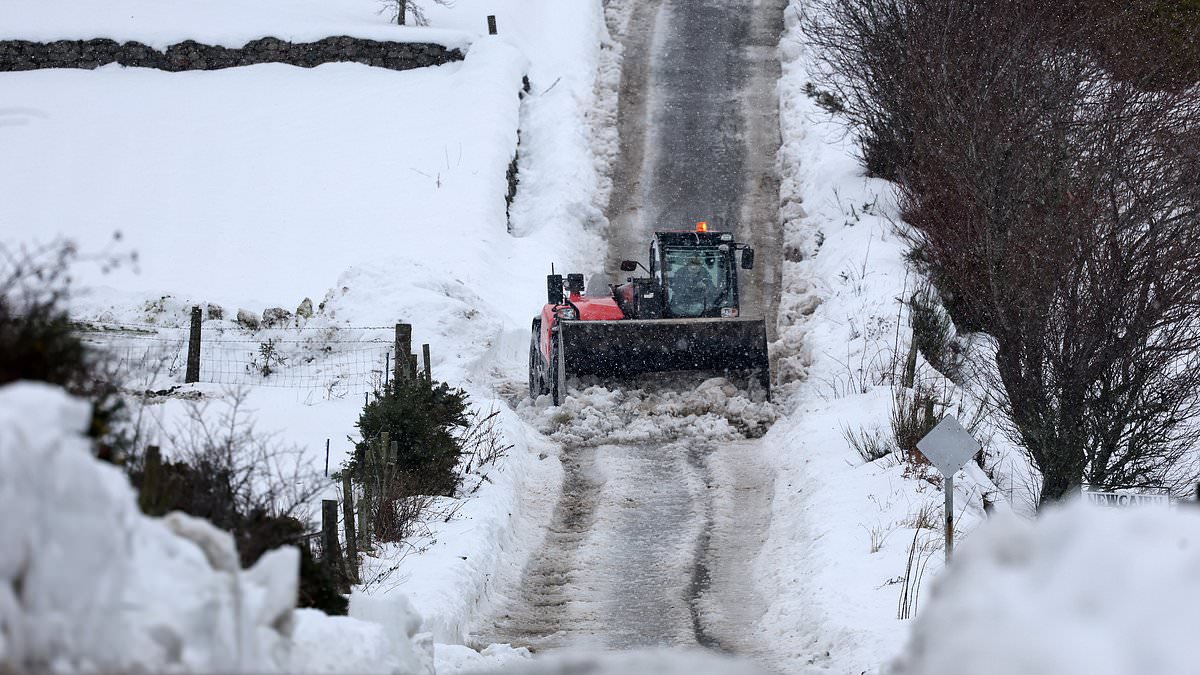
A farm worker helps clear a road in Drumoak, near Banchory as the weather continues to make life impossible for residents
And so it was on Monday that I took the step of asking the First Minister to take seriously the extent of the emergency in the North-East.
To ask for all available resources to be mobilised in snow clearance and delivering essential supplies.
The following morning, I contacted the Secretary of State for Scotland to ask for his support in potentially utilising His Majesty’s Armed Forces.
I also put on record my thanks to local farmers who helped clear roads and assist neighbours, demonstrating an exceptional commitment to their communities.
There’s that spirit of mutual aid running through this place. No one on the Labour benches mentioned this when we debated the family farm tax last year.
But I thank Douglas Alexander for his very quick response, atypically so for an answer across the House, and for his agreement that aid should be offered from the UK Government to the Scottish Government if it calls. I await John Swinney’s decision on this.
Despite the political differences between the Conservatives, Labour and the SNP, I have found there are times when we can and do put aside our differences when lives are at stake.
But that lofty ambition was tempered in this instance when I read the Scottish Government’s response to all of this was to phone Tesco, to check if its delivery lorries would make it to Aberdeen the next day.
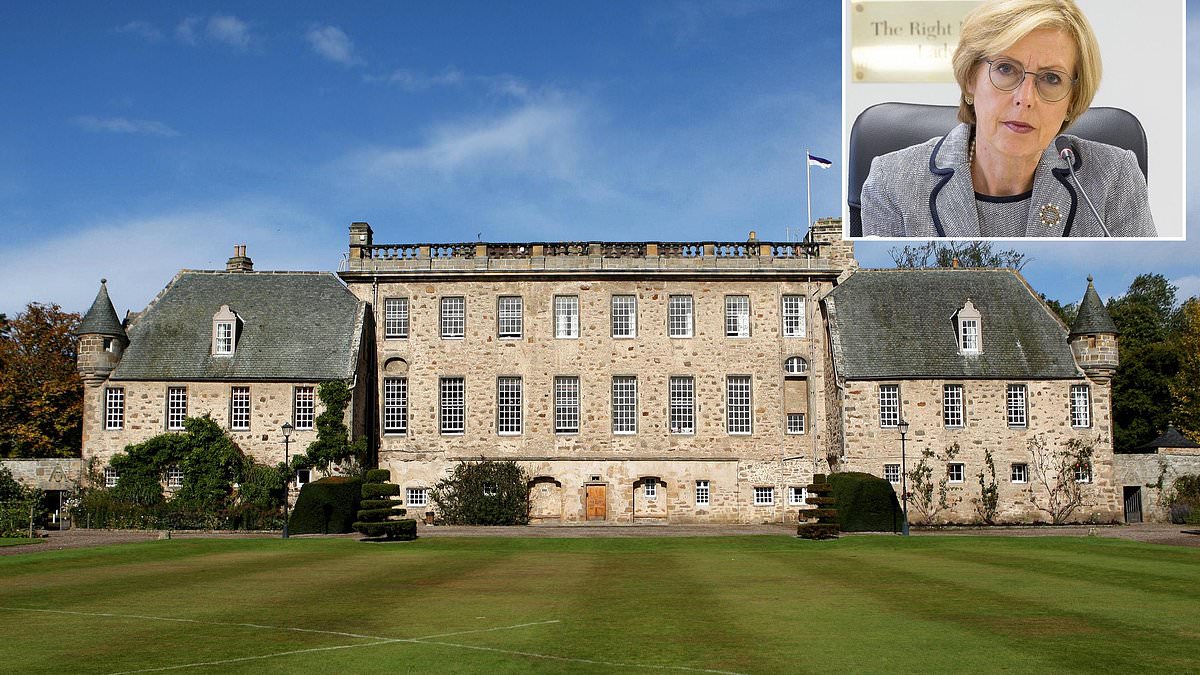
Broadcasting an update from the Scottish Government Resilience Room, local Nationalist MSP and government minister Gillian Martin had checked whether Tesco would be able to deliver to local supermarkets, which residents weren’t actually able to reach.
They were stuck at their front door. Or drifts had settled over the tops of their cars and road ends.
This was the activity after three days of meetings. We shouldn’t really be surprised. This is the government that took a month to convene its Storm Babet taskforce after Storm Babet.
Why won’t they learn?
The SNP’s final position last night was that cuts to municipal grit bins that have been forced on the local authority by its ever shrinking budget were in some way to blame and wouldn’t have been made in SNP council areas.
The fact that the council is a multi-party and independent coalition seems to be lost on them. However, I do agree that this is one place where a council needs to provide communal grit bins, and that has been shown this week.
The cost to the safety aspect is demonstrably valuable – this is something the council needs to learn from.
It is imperative too that the Scottish Government learns one lesson from the unfolding chaos in northern Scotland: it must work faster when big weather events are known about, well in advance of them happening.
And it must offer more than the thin apologies it has mustered this week, overdue and undercooked as they are.