
Remember me


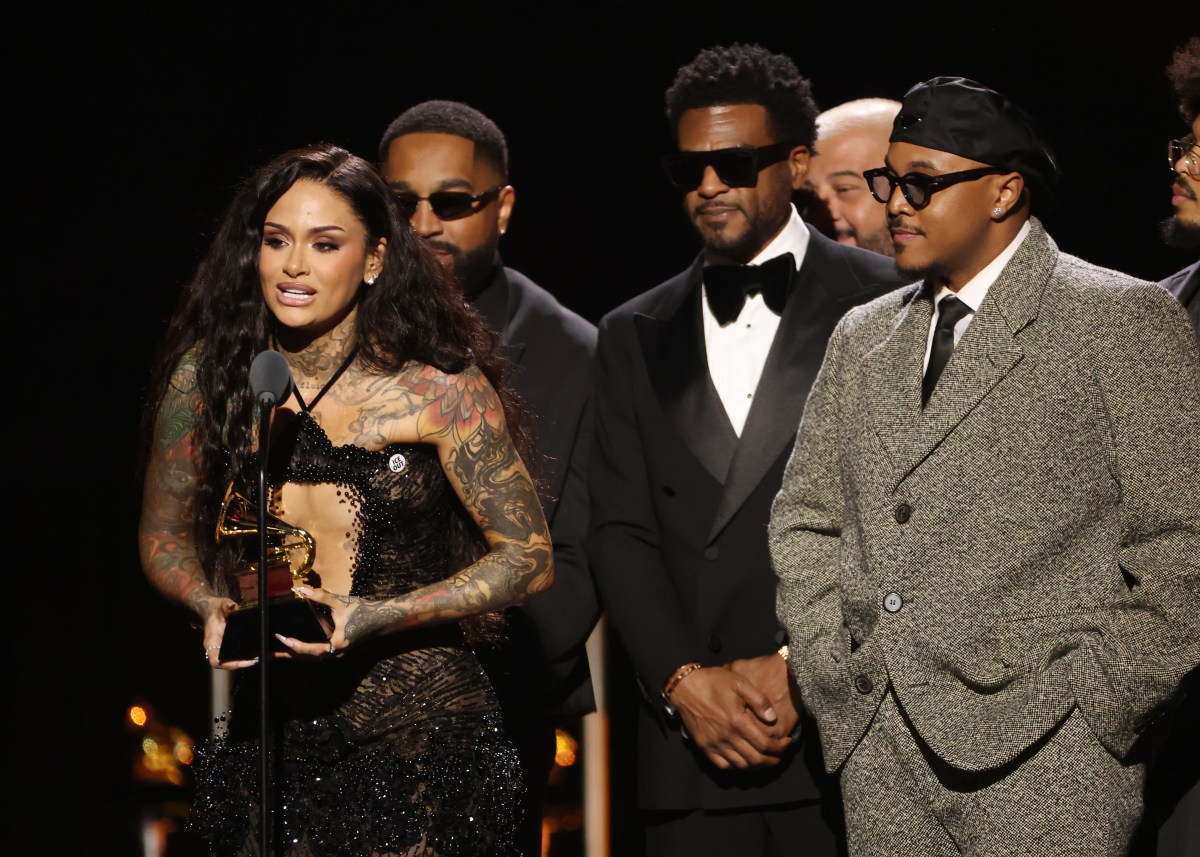
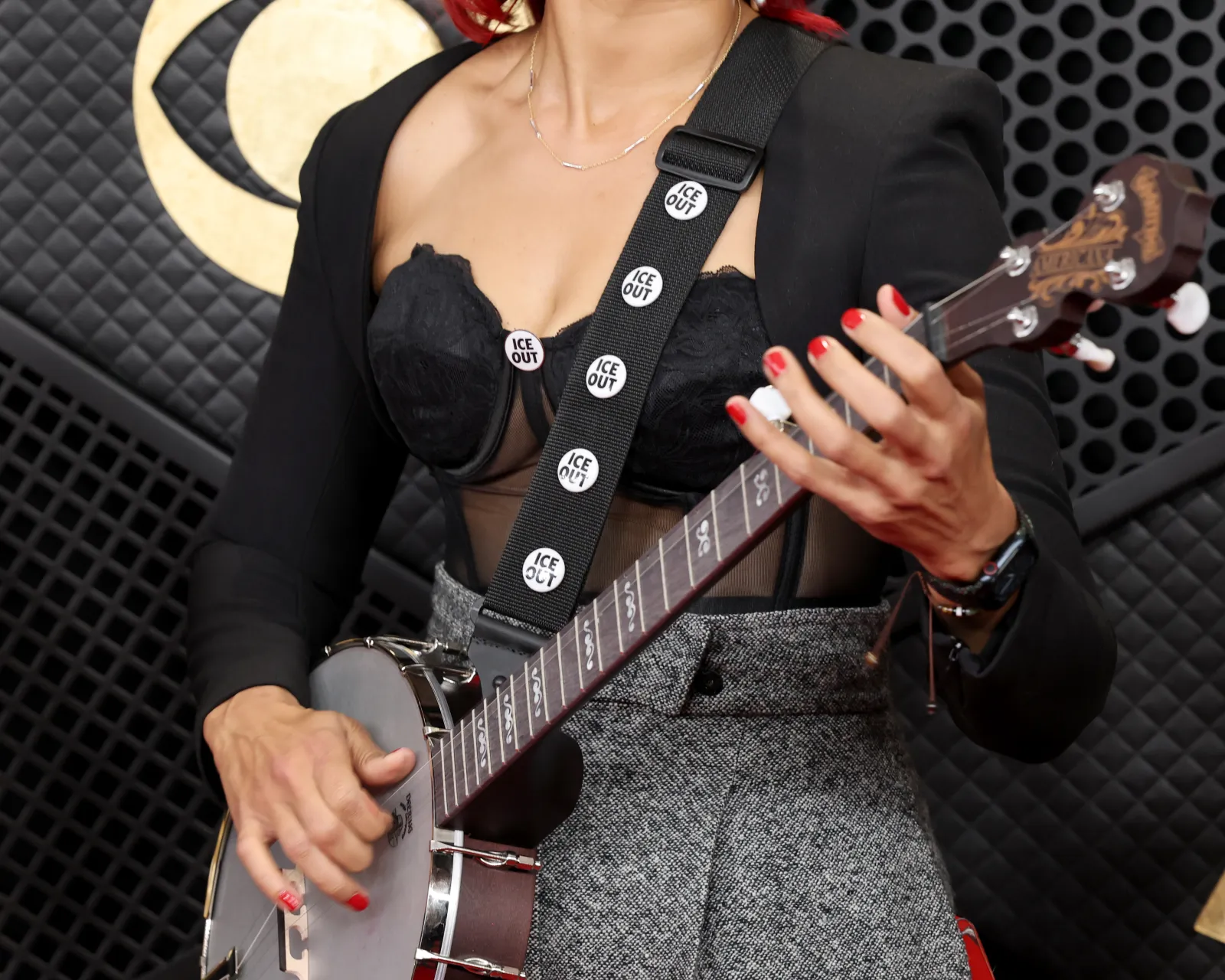
Music's biggest stars turned Sunday's Grammy Awards into a platform for political protest, with multiple artists wearing pins and displaying messages opposing the Trump administration's immigration crackdown and Immigration and Customs Enforcement (ICE) operations across the nation.
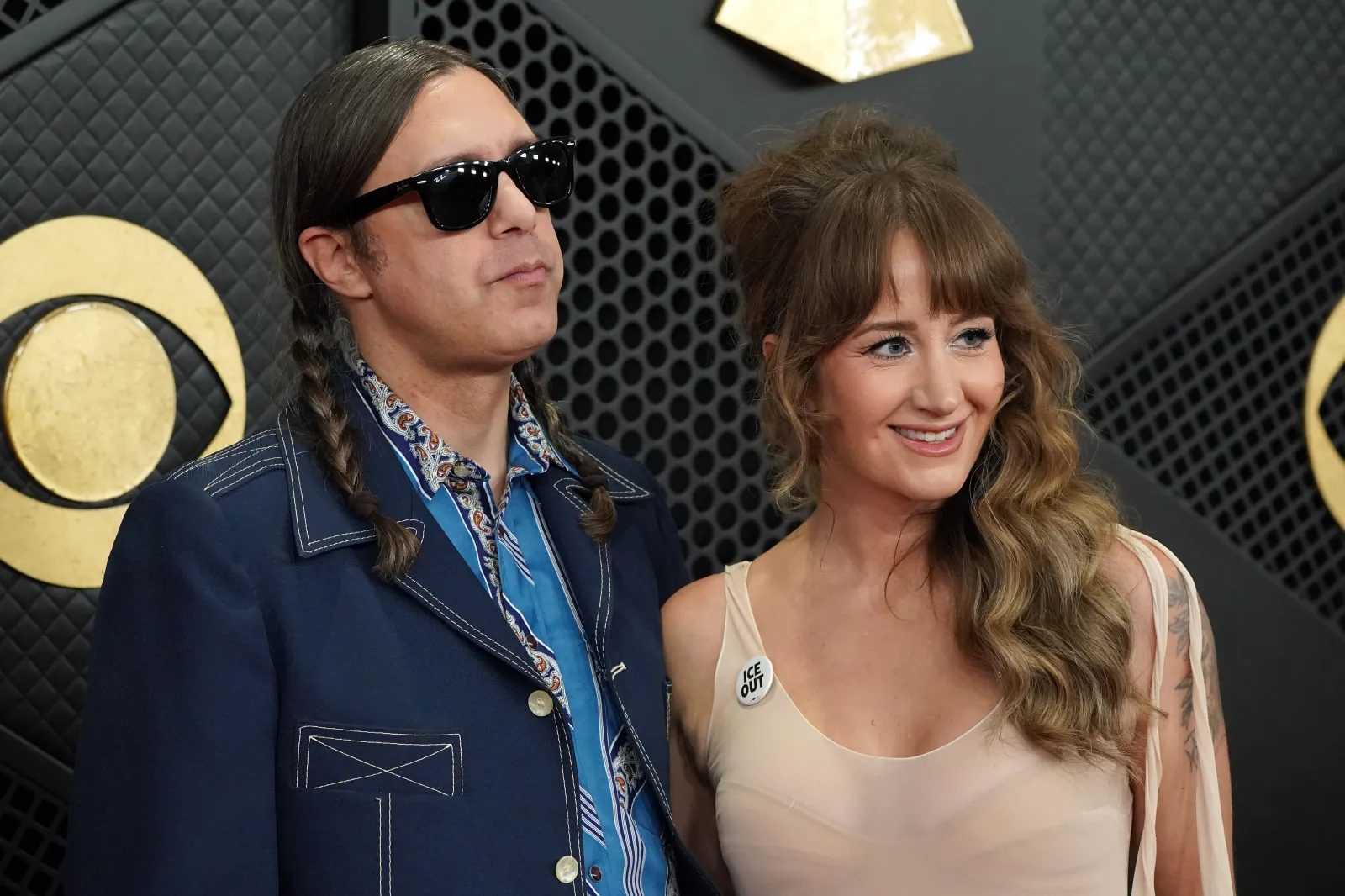
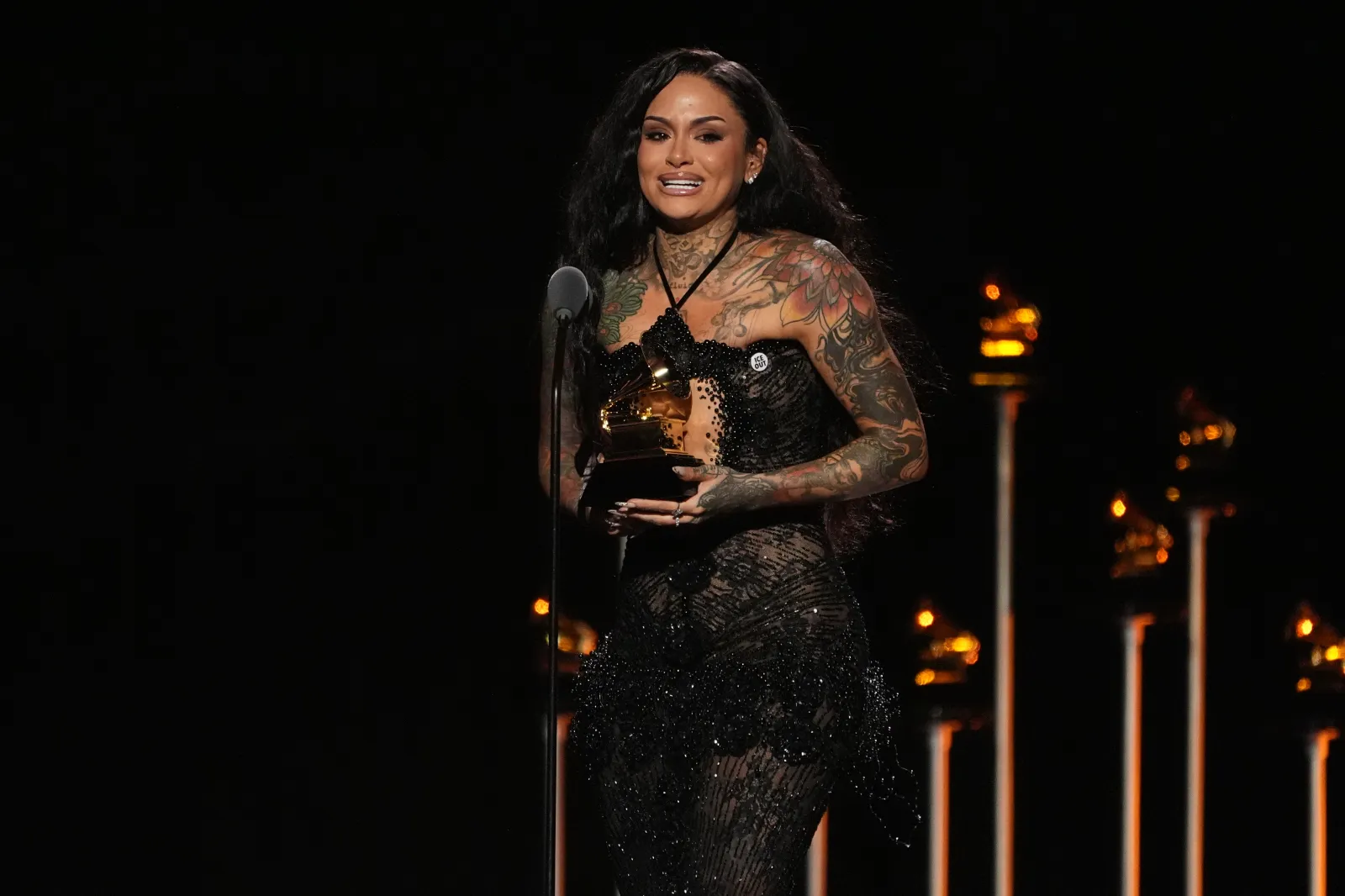
Jason Isbell, Margo Price, Kehlani and Rhiannon Giddens were among those wearing protest apparel on the red carpet. Kehlani went further, cursing ICE during her acceptance speech for best R&B performance.
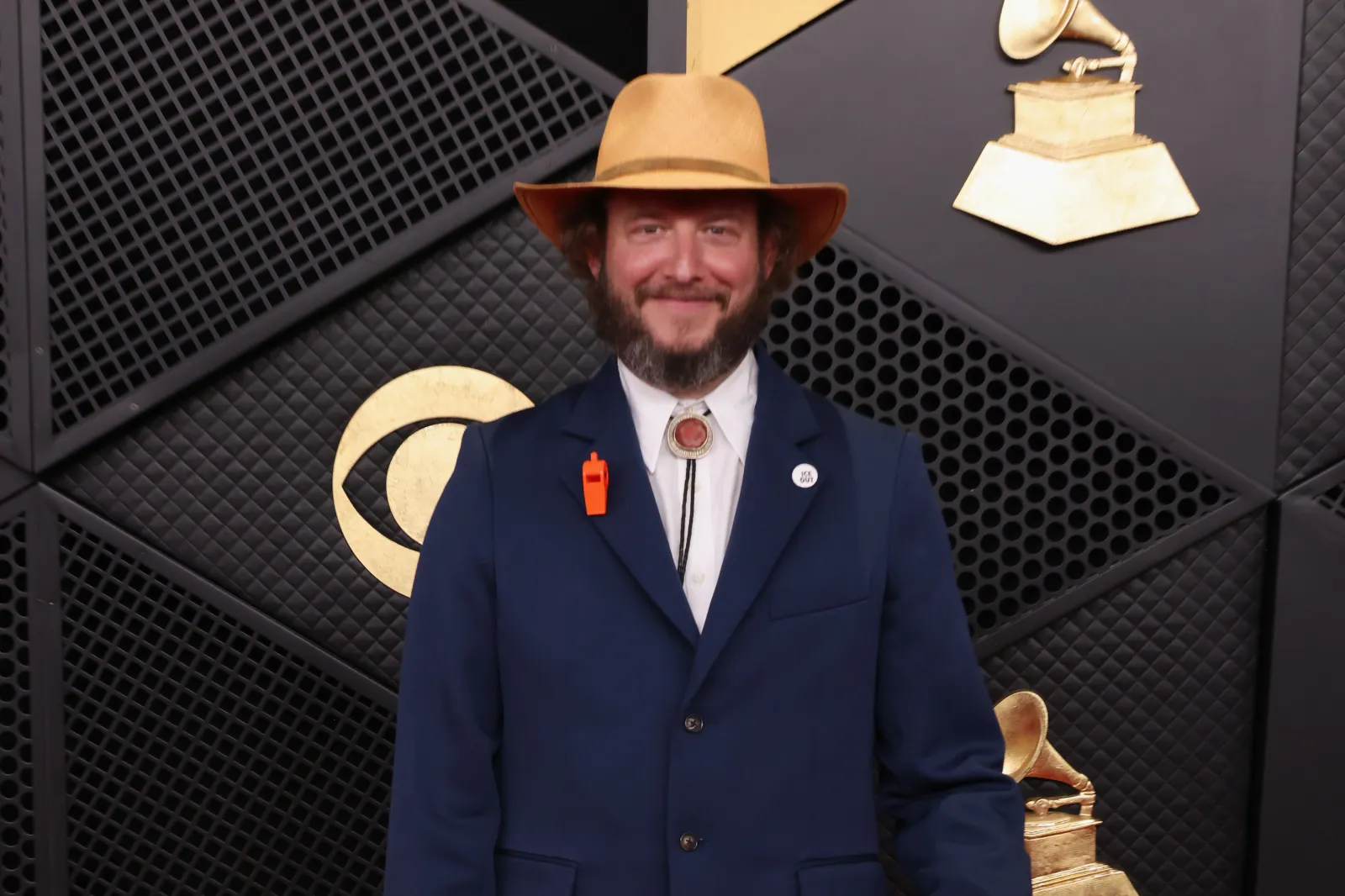
Justin Vernon, whose band Bon Iver is nominated for best alternative music album, wore a whistle to honor legal observers documenting federal agents' actions on the streets.
"I think there's a reason that music exists and it's to heal and to bring people together," Vernon told The Associated Press. "But the real work are those observers on the ground in Minneapolis. We just want to shout them out."
 Growing Movement Across Awards Season
The Grammy protest followed similar displays at last month's Golden Globes and last week's Sundance Film Festival, where celebrities including Natalie Portman, Olivia Wilde and Zoey Deutch wore "ICE OUT" pins.
Activists said they saw stronger support at the Grammys than at previous events, attributing it partly to the music industry's more rebellious culture and partly to growing public backlash following recent incidents involving federal agents.
"These are folks who are known for six-stage shows, crazy costumes, being kind of rebellious, punk rock — like that's the music industry," said Maremoto Executive Director Jess Morales Rocketto. "These pins are about so much more than a red-carpet moment."
 Why Some Artists Stay Silent
Rocketto described multiple industry forces working against artists' political expression, from objections by record companies and managers to concerns from corporate partners and fashion houses.
Artists may also face personal risks. Morales Rocketto pointed to the Trump administration's threats to place ICE agents at the upcoming Super Bowl halftime performance by Bad Bunny.
"The reality is that just because Latino artists are rich and famous, doesn't mean that they are exempt from the lack of safety that permeates so many Latinos and Latino families," she said.
Reporting from the Associated Press contributed to this article.