When Cynthia Erivo steps onto the Noel Coward Theatre stage on February 4th, she won’t just be playing Dracula. She’ll be playing Jonathan Harker, Mina Murray, Lucy Westenra, Van Helsing, and nineteen other characters from Bram Stoker’s gothic masterpiece. All in one night. All by herself. The ambition alone would be noteworthy, but director Kip Williams has engineered something more extraordinary. The appeal reaches audiences of all ages seeking immersive spectacle, all drawn by the promise of technology serving storytelling rather than overshadowing it.
Cine-theatre as theatrical evolution
Williams pioneered his cine-theatre approach with The Picture of Dorian Gray, which earned Olivier Awards and transferred successfully to Broadway with Sarah Snook performing twenty-six roles. Dracula represents the culmination of his gothic trilogy, following Dorian Gray and The Strange Case of Dr Jekyll and Mr Hyde, each pushing the technical envelope further than the last.
The format combines multiple technological layers simultaneously. Erivo performs live on stage while cameras capture her in real time, projecting close-ups and different angles onto screens. Pre-recorded sequences blend with live action, allowing one performer to appear as multiple characters in conversation with herself.
Technology serving emotional truth
What separates Williams’ work from mere technical showmanship is his insistence that innovation must deepen rather than distract from the story’s emotional core. Erivo described the production on The Graham Norton Show as “like The Picture of Dorian Gray, but on crack,” acknowledging both the technical complexity and the performance demands it creates.
Olivier Award-winning designer Marg Horwell and lighting designer Nick Schlieper reunite with Williams for Dracula, bringing expertise honed through previous collaborations. Sound designer Jessica Dunn, video designer Craig Wilkinson, and composer Clemence Williams complete a creative team assembled specifically for their ability to integrate cutting-edge technology with theatrical intimacy. Williams composed one song for Erivo to perform near the production’s conclusion, while the broader soundtrack blends classical music with contemporary and club sounds.
Horror reimagined for digital consciousness
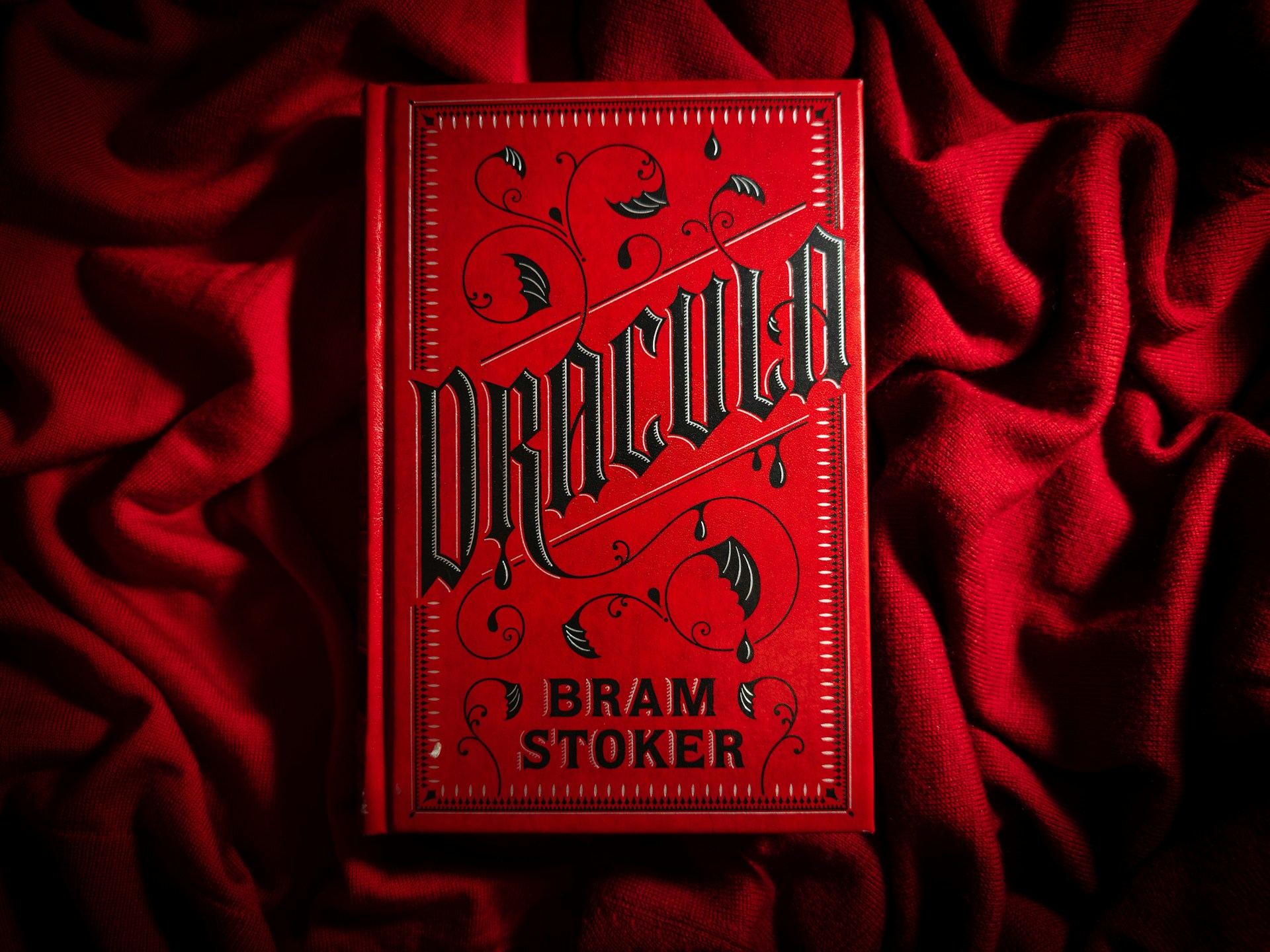
Bram Stoker’s novel terrified Victorian readers through epistolary structure, letters, and diary entries, creating psychological dread. Williams’ adaptation translates that fragmented, first-person perspective into visual language suited for audiences raised on screens, jump cuts, and multiple simultaneous information streams. The theater industry isn’t alone in reimagining audience experience through technology.
Casino platforms have similarly transformed from physical spaces into digital environments built around rapid visual feedback and instant gratification, mirroring the broader shift in how people consume entertainment. The vampire becomes not just an external monster but an internal force, manifested through Erivo’s physical transformations between victim and predator.
The production originated at Sydney Theatre Company in 2024 with Zahra Newman in the role before transferring to London with Erivo. Producers Michael Cassel and Adam Kenwright emphasised the West End premiere as a continuation of their commitment to bringing Australian theatrical innovation to international audiences. Sydney Theatre Company Executive Director Anne Dunn described the creative team’s work as groundbreaking, noting how the production expands upon Stoker’s exploration of tension between fear and desire through contemporary technological means.
Erivo’s return as a theatrical event
Erivo hasn’t performed on a West End stage since appearing in Phyllida Lloyd’s Henry IV at the Donmar Warehouse in 2014. The intervening decade brought Tony Awards for The Color Purple, Grammy and Emmy recognition, three Oscar nominations, and global fame through the Wicked films. Her return to the theatre after conquering screen work represents a calculated risk rather than a safe choice.
Playing twenty-three characters demands vocal range, physical stamina, and psychological flexibility that few performers possess. Erivo told Deadline the role “scares the shit out of me,” describing theatre as “running towards the fire” compared to film’s safety nets. The production’s sixteen-week run from February through May 2026 offers 112 performances, each requiring complete commitment to the technical and emotional demands Williams has constructed.






Comments (0)