
Remember me
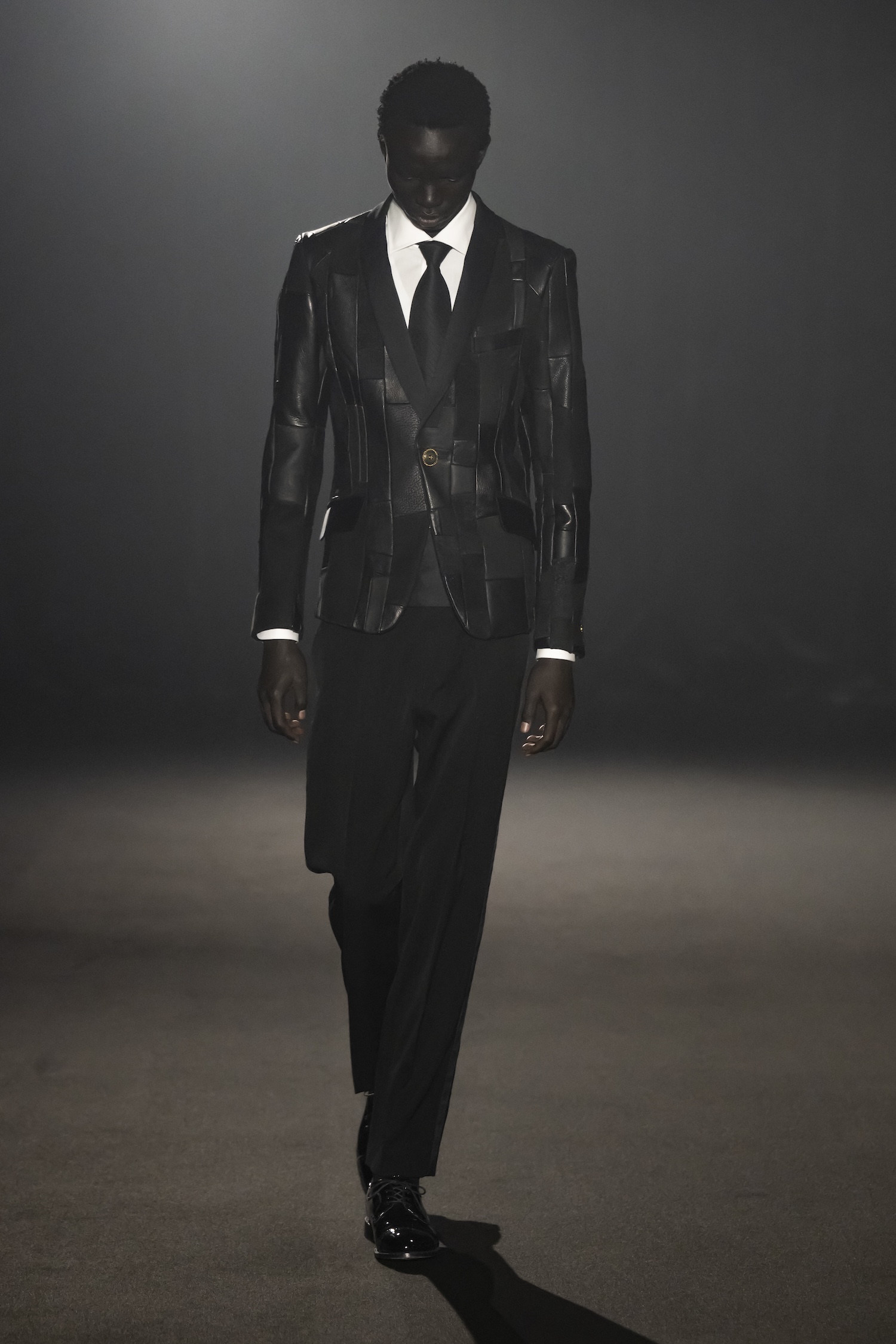
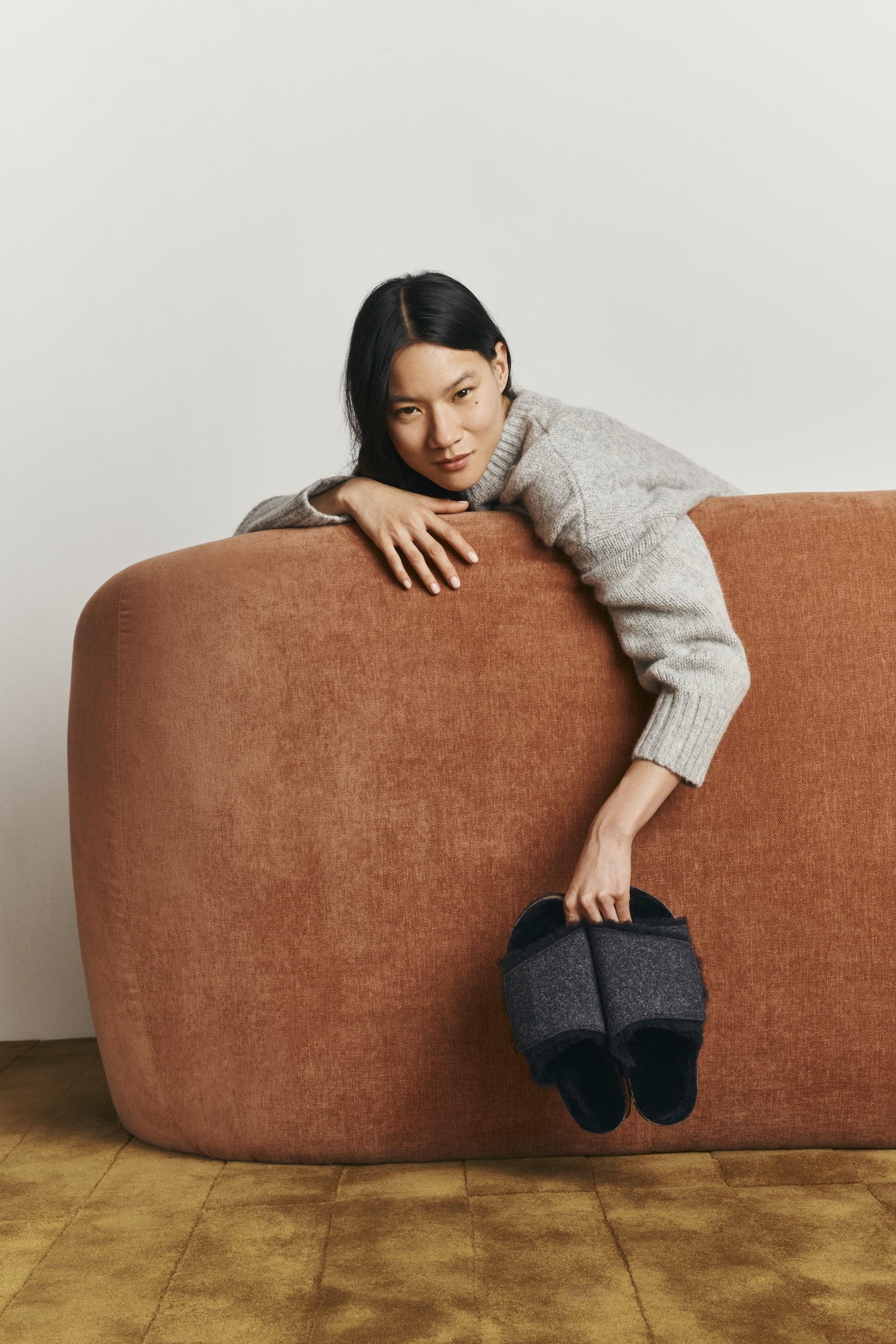
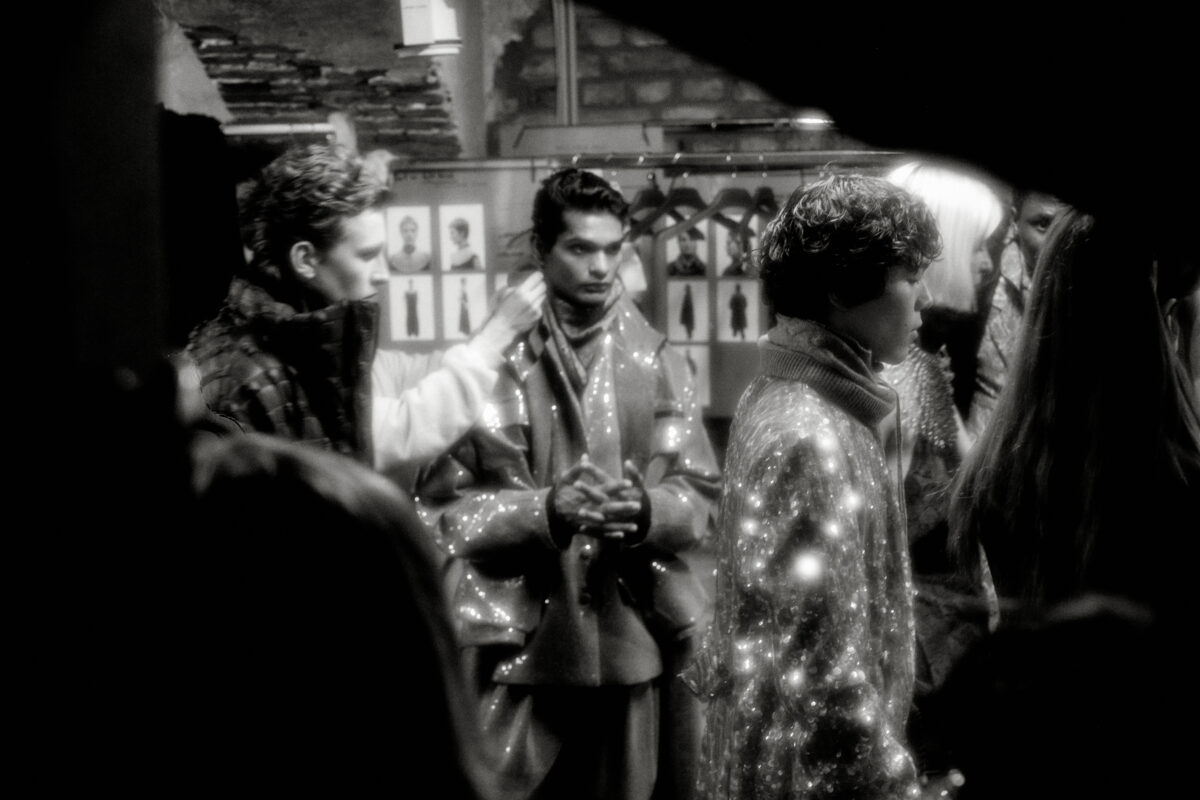
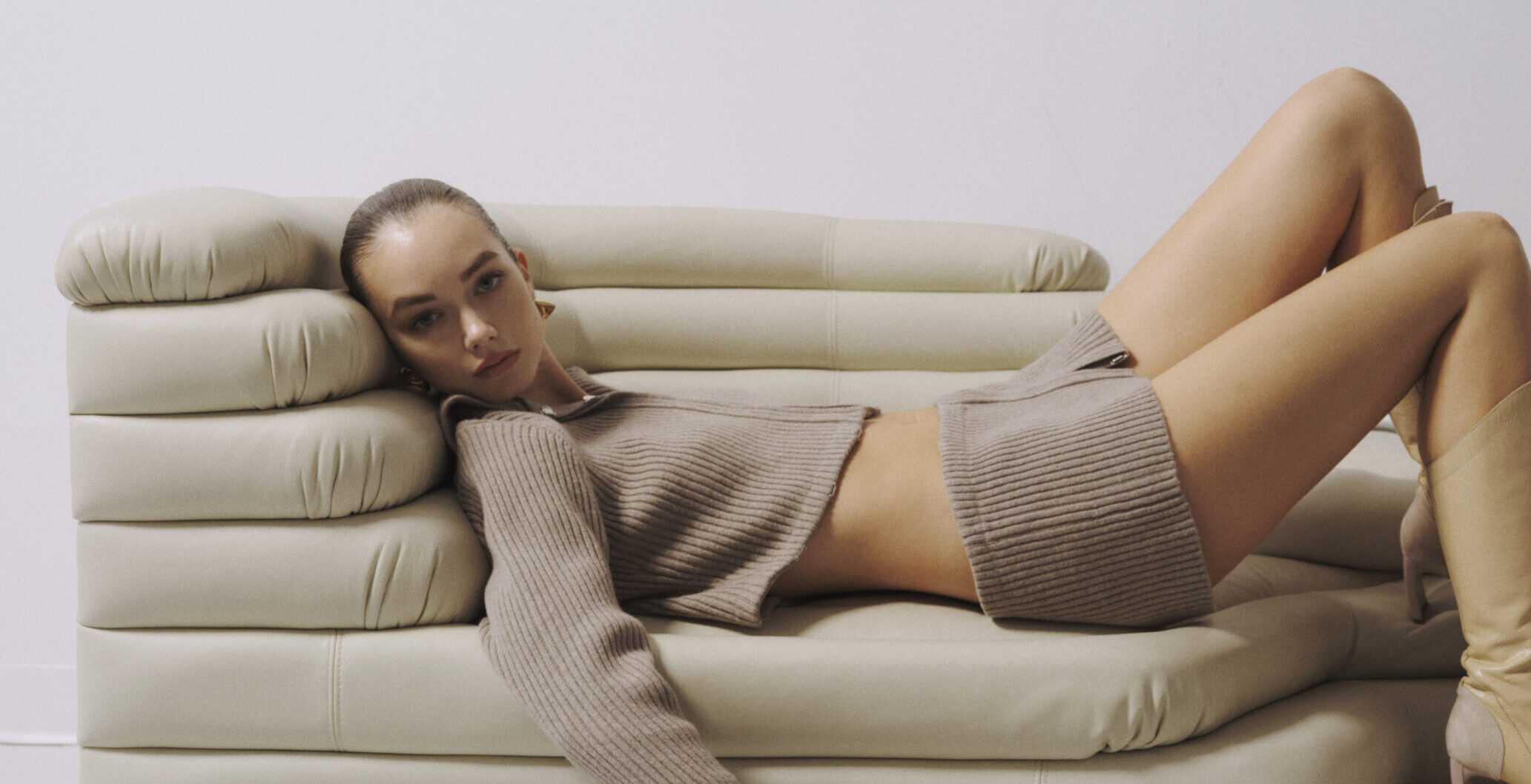
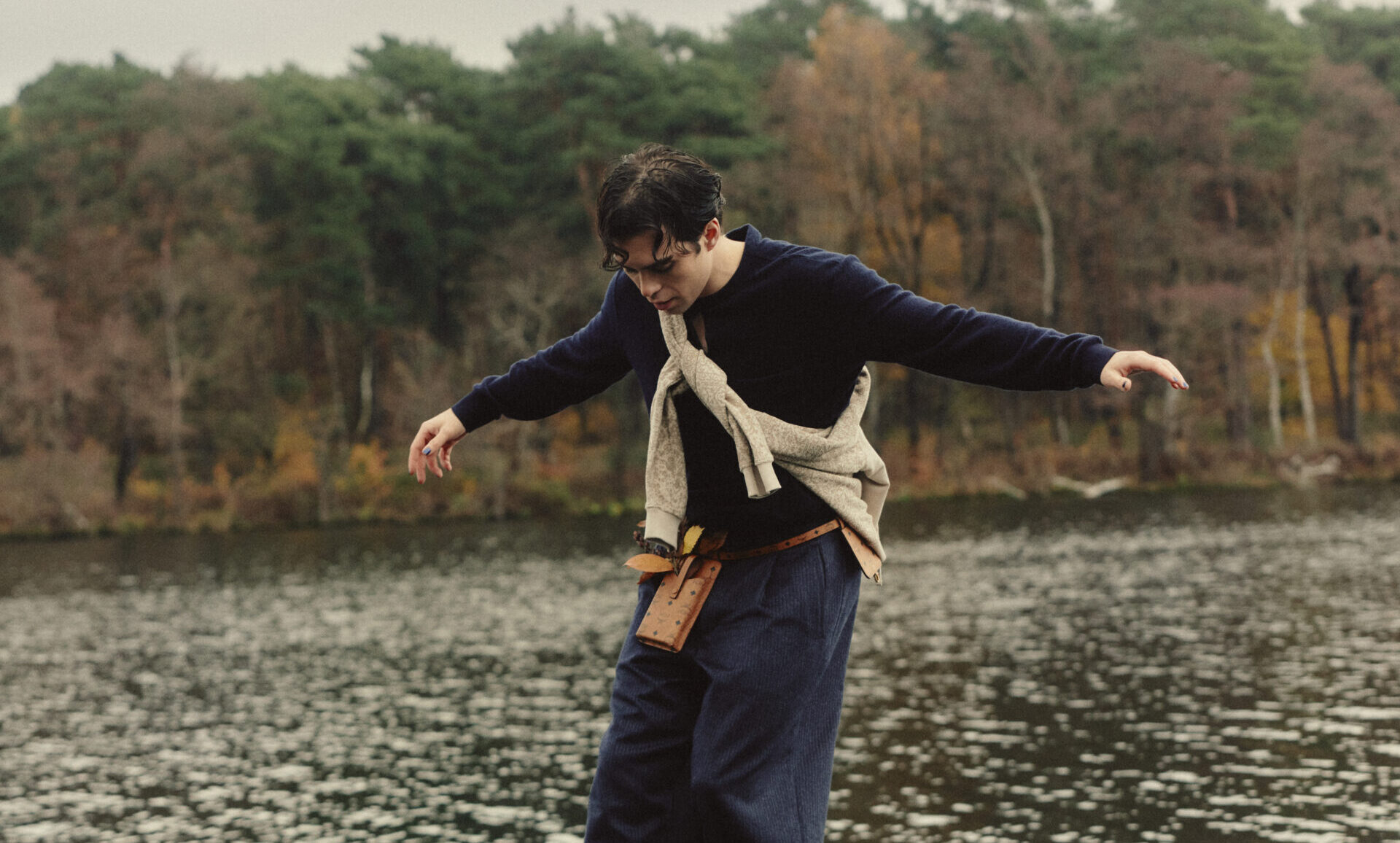
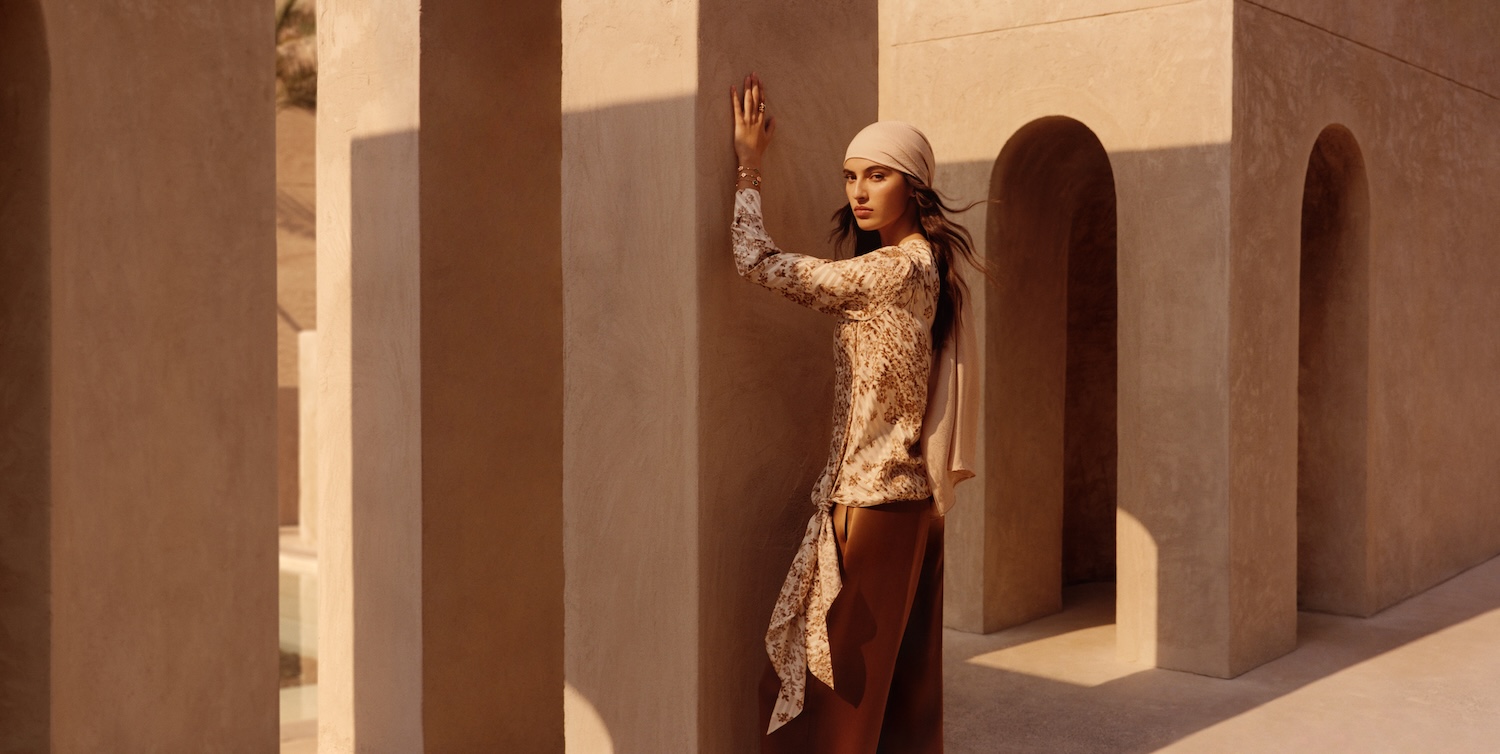

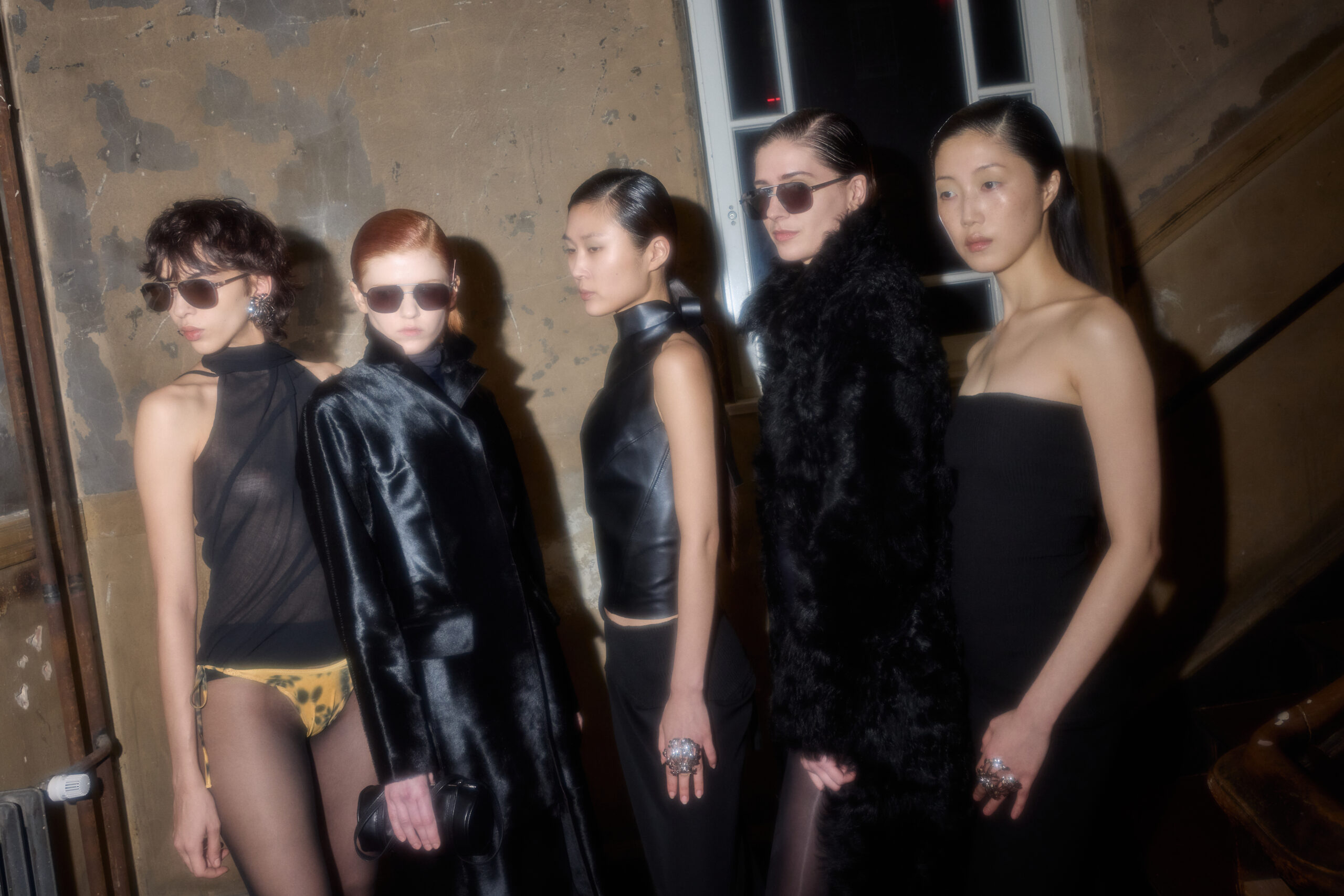
Berlin Fashion Week has set the German capital abuzz, transforming the city into a hive of avant-garde and nonconformist creativity. Over the course of four days, designers showcased some of the most compelling fashion Berlin has to offer — bold, boundary-pushing, and unmistakably distinct. Schön! stepped behind the scenes, gaining exclusive access to the energy and vision driving the season. From Ioannes’s ‘90s-inspired collection to Lou de Bètoly’s barely-there upcycled lingerie designs, we take you along to some of our favourite shows, rounded up below.
This season, Ioannes reveals a radical shift – a moment of revelation. Titled ‘Apokalypsis,’ the collection centres on the word’s original meaning: unveiling. After seven years on the seasonal fashion calendar, creative director Johannes Boehl Cronau bids tradition farewell, expanding the brand into a broader lifestyle project. As a final gesture, the collection revisits many of Cronau’s past designs and the memories attached to clothing, from his mother’s black Jil Sander office suits of the 1990s to 1970s Marthe Keller and Madonna’s iconic tracksuits.
If you weren’t convinced ‘90s fashion was back, Cronau implores you to reconsider. Slinky halter-neck slip dresses are paired with peep-toe shoes and set against the crisp tailoring of pleated wide-leg trousers, body-hugging blazers, and collared coats. Hand-dyed cashmere short-sleeve cardigans are layered over long sleeves, pyrography-printed floral motifs emerge on ultra-mini dresses, and asymmetrical silhouettes converge within a grounding colour palette of deep brown, grey, oat, burgundy, and soft pink.
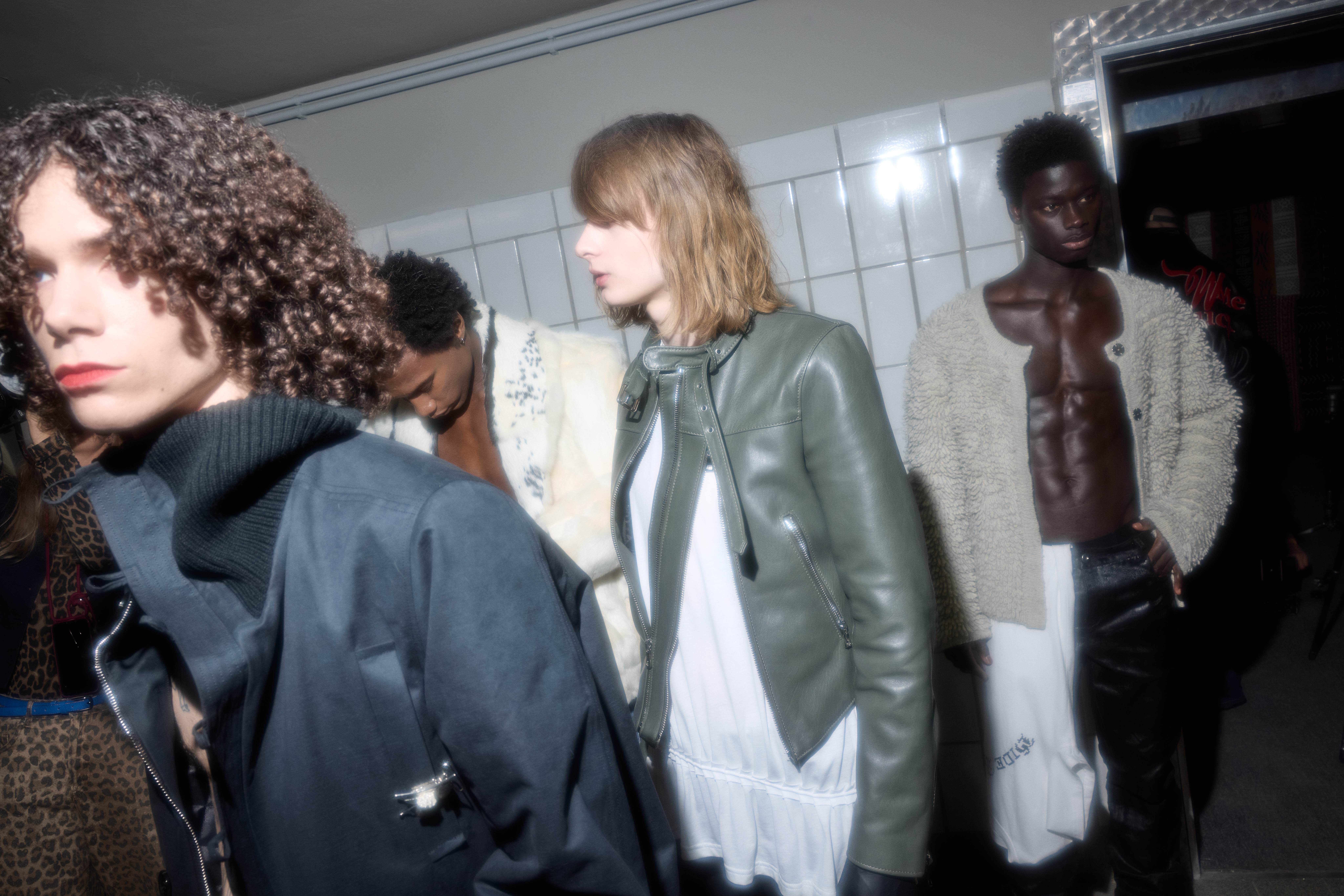
Since its inception, SF1OG has embodied a unique intertwining of nostalgia and zeitgeist – both a celebration of the past and a look toward the future. Founded by Rosa Marga Dahl and co-directed by Jacob Langemeyer, the brand, whose name stands for Seitenflügel 1. Obergeschoss, or “side wing first floor,” a nod to its humble beginnings in a small Berlin flat, carries this sensibility into its newest autumn/winter collection.
Set within the brutalist walls of SAVVY Contemporary, the independent, non-profit art space, the runway unfolded around a Kaiserpanorama-esque structure, complete with overflowing sinks at its centre. While a spectacle in its own right, the installation never pulled focus. Instead, attention settled on structured jackets adorned with gold brooches pinned to chest pockets, layered striped cardigans, and distressed denim. Plaids were paired against one another, while semi-sheer frills contrasted with leather details, underscoring the brand’s versatility.
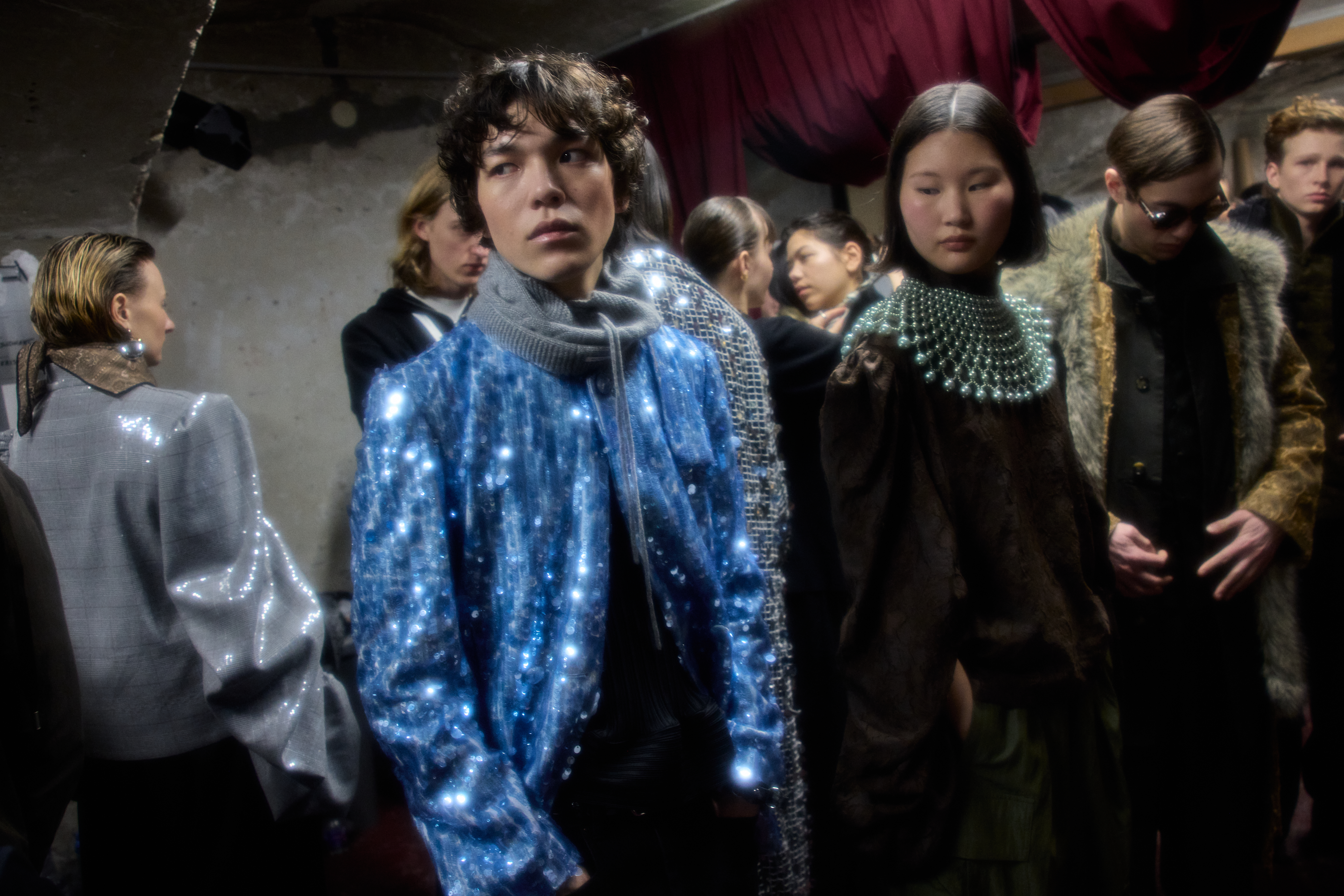
Growing up in Germany with Asian roots, designer William Fan has, since founding his eponymous label in 2015, made it a point to marry European design codes with Chinese influences. In his latest collection, ‘Ring the Bell,’ his talent for textile exploration – and, dare I say, mastery – is woven into every aspect of each look. Beyond this unifying thread, Fan ushers the brand into a new decade, one that already feels as harmonious and assured as what came before.
A sense of tranquillity runs throughout the collection. While each piece stands confidently on its own, together they form a distinct visual language. Soft tiered skirts are layered over wide-leg trousers; four-piece suits appear in heather grey; patterned neckties are styled alongside long, patterned waistcoats; and flowing floor-length dresses are finished with beaded pearl necklaces and bracelets. Sequined check shirts, zebra-printed coats, and bright green floral jackets inject moments of energy, bringing a playful touch to the collection.
Lou de Bètoly’s eponymous label is synonymous with barely-there dressing. Yet it’s more than her lingerie-esque designs that have put the French designer on the map; it’s the tension between elegance and extravagance that defines her work. Her haute couture creations are rooted in sustainability – crafted from vintage and deadstock fabrics – and brought to life through traditional techniques such as embroidery, knitting, and weaving, all in service of her contemporary silhouettes.
Her latest autumn/winter collection feels like a natural continuation of her previous work – though never repetitive – with her exquisite approach to upcycling fully on display. Four bodysuits, two bras, and a pair of panties are reimagined as a jacket and trousers. A long-sleeved midi dress is constructed from four vintage stockings and five pairs of socks, finished with glass beading. A halter top composed of 740 collected buttons is paired with a skirt made from a satin nightgown, while a vintage bathrobe is transformed into a hand-woven gown.
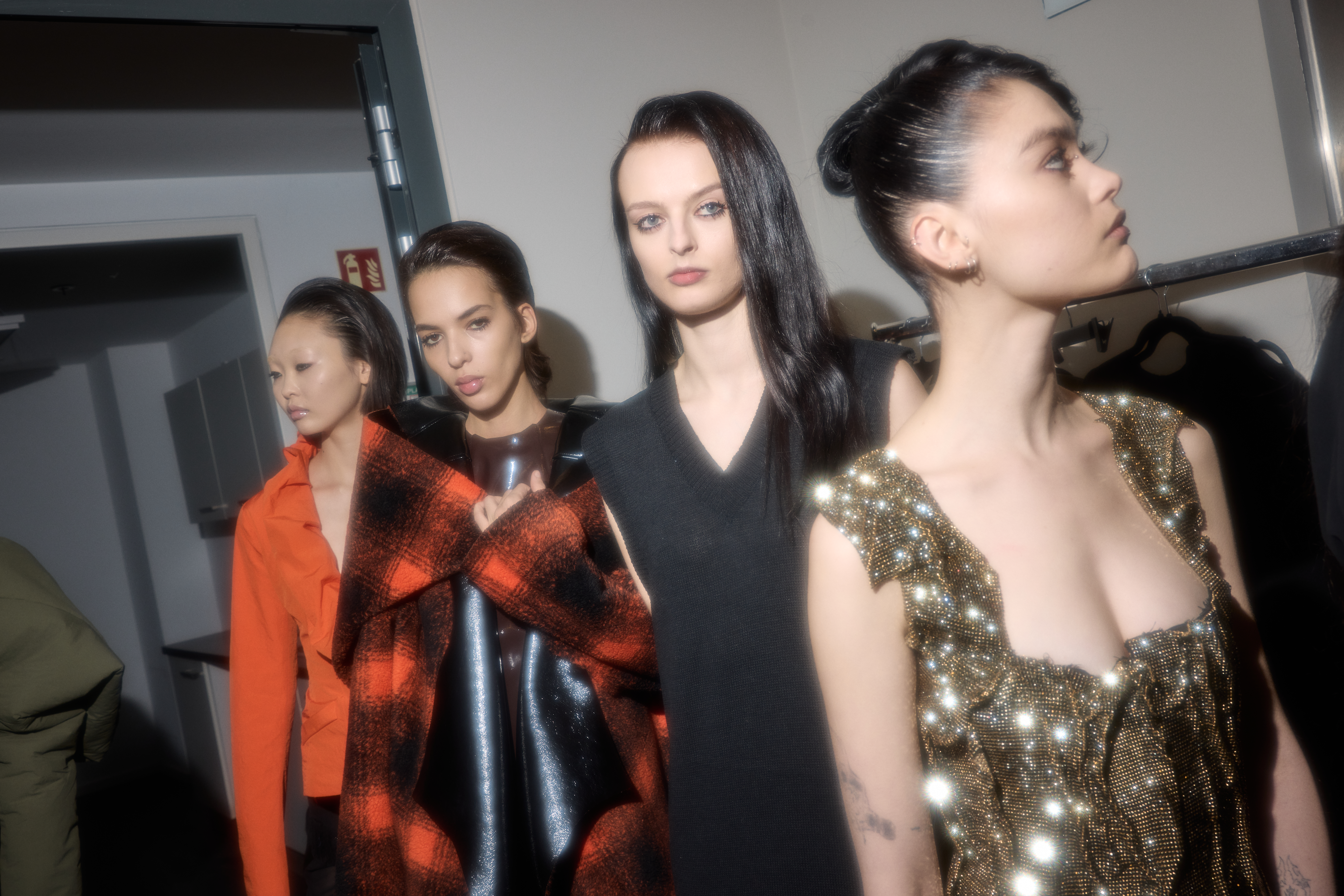
Danish, Berlin-based eponymous label Sia Arnika has made a name for itself as an experimental brand – and one that never sacrifices craftsmanship – exploring the tension between minimalism and maximalism. Across collections, femininity, utility, and rebellion intersect with increasing clarity, becoming more fully realised each season. For its Autumn/Winter 2026 collection, ‘Overtime,’ this vision comes into even sharper focus.
The collection visualises the post–nine-to-five Sia Arnika woman through a sharply considered wardrobe. Proportions are shortened; jackets and button-ups are paired with micro-mini skirts, shirts are reworked as bodysuits, and silhouettes are top-heavy. Corporate dressing is subtly referenced through matching plaid sets, crisp tees, and wide-leg trousers, while slinky, low-cut slip dresses, faux-fur trims, and alien-esque sunglasses inject a sense of daring. It is in the meeting of these elements that Arnika truly shines: the contrasts feel intentional, and despite their tension, each look makes sense – no matter how unexpected the pairing.
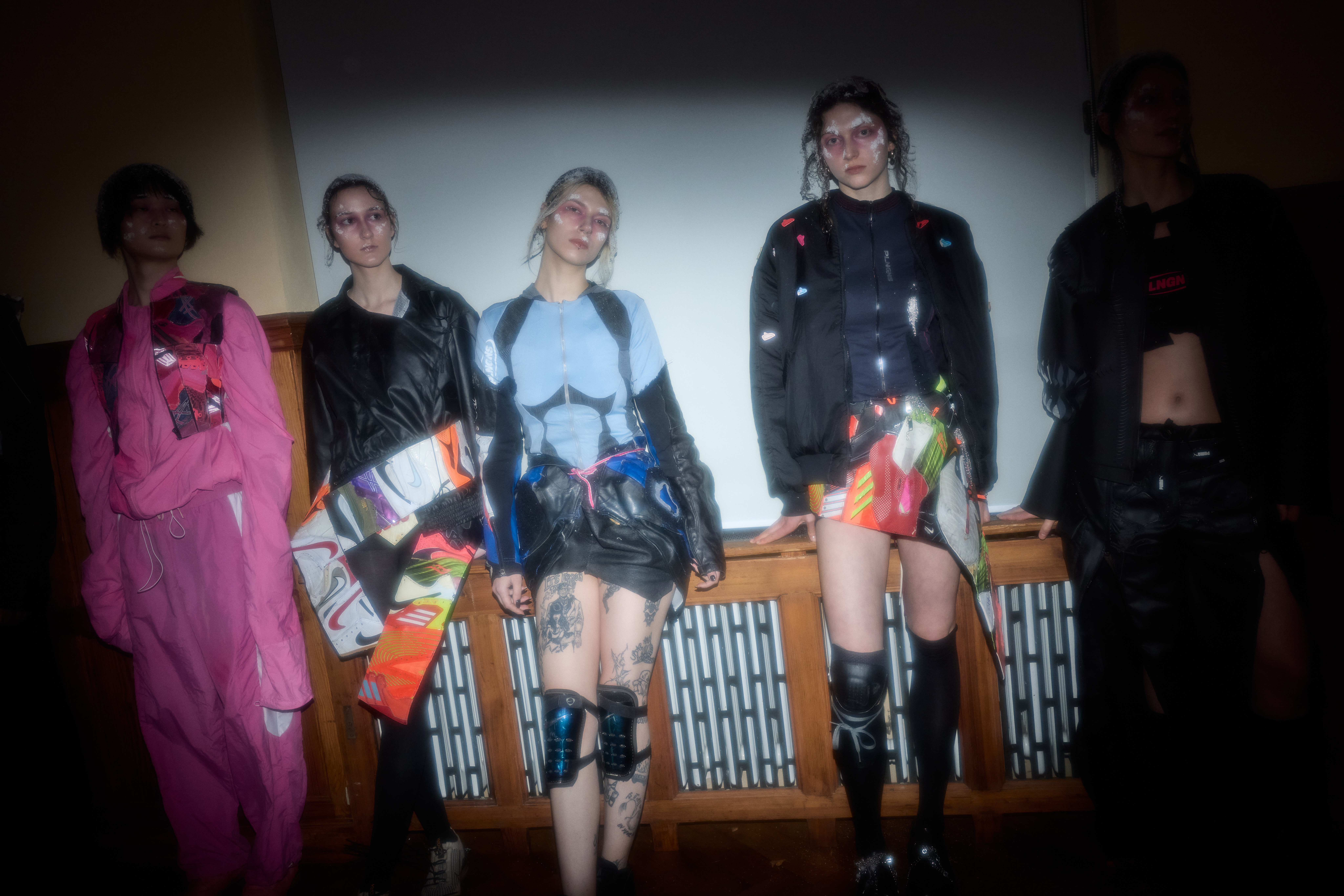
PLNGNS’s newest collection, ‘Error as Asset,’ is more than fashion; it’s a political statement. Founded in 2021, the Kyiv-founded Berlin-based sustainable brand transforms discarded sneakers into streetwear. This season’s 30-look collection is deeply rooted in the waste and imperfections of contemporary fashion systems. It explores these ideas through two lines: ‘Iconic,’ composed entirely of garments constructed from sneakers, and ‘Signature,’ which incorporates stock fabrics and defective production leftovers. Structured biker and bomber jackets sit alongside cargo pants, fitted zip-ups, and coordinated tracksuits. A colour palette of cobalt blue, bubblegum pink, sky blue, and maroon acts as comic relief within the collection.
Beyond sustainability, every element carries intent. The collection challenges traditional gender roles through two balanced fit systems. Makeup serves as a visual reference to frostbite and snow, reflecting the lived reality of civilians in Ukraine left without electricity and heating. In short, every choice is deliberate, and each one underscores PLNGNS’s (welcome) disruption.
backstage photography. Ines Bahr
words. Amber Louise