
Remember me








There are few things more meaningful than creating a garden you have a real personal connection to. From growing your birth month flower to planting your birth month tree, and now you can attract your birth month bird to your yard.
That's right, just as there are birth month flowers, there is a special species of bird that is unique to your birth month. We have curated a list of birth month birds on the basis of when you can spot these birds across US backyards. Using tricks like growing the best plants for birds and strategically placing bird feeders, you can encourage them to visit during your birth month – what better birthday gift could there be?
You may like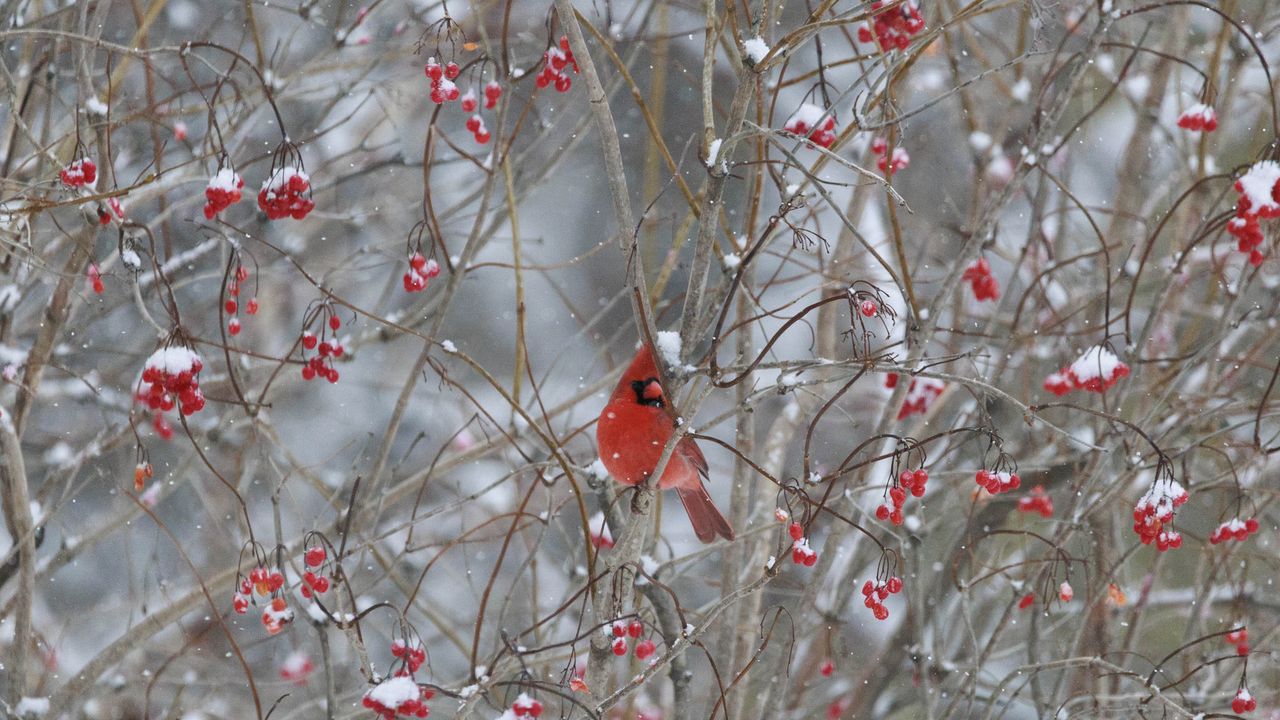 Discover the 9 Features All Bird-Friendly Gardens Have in Common – To Enrich Your Yard with Wildlife
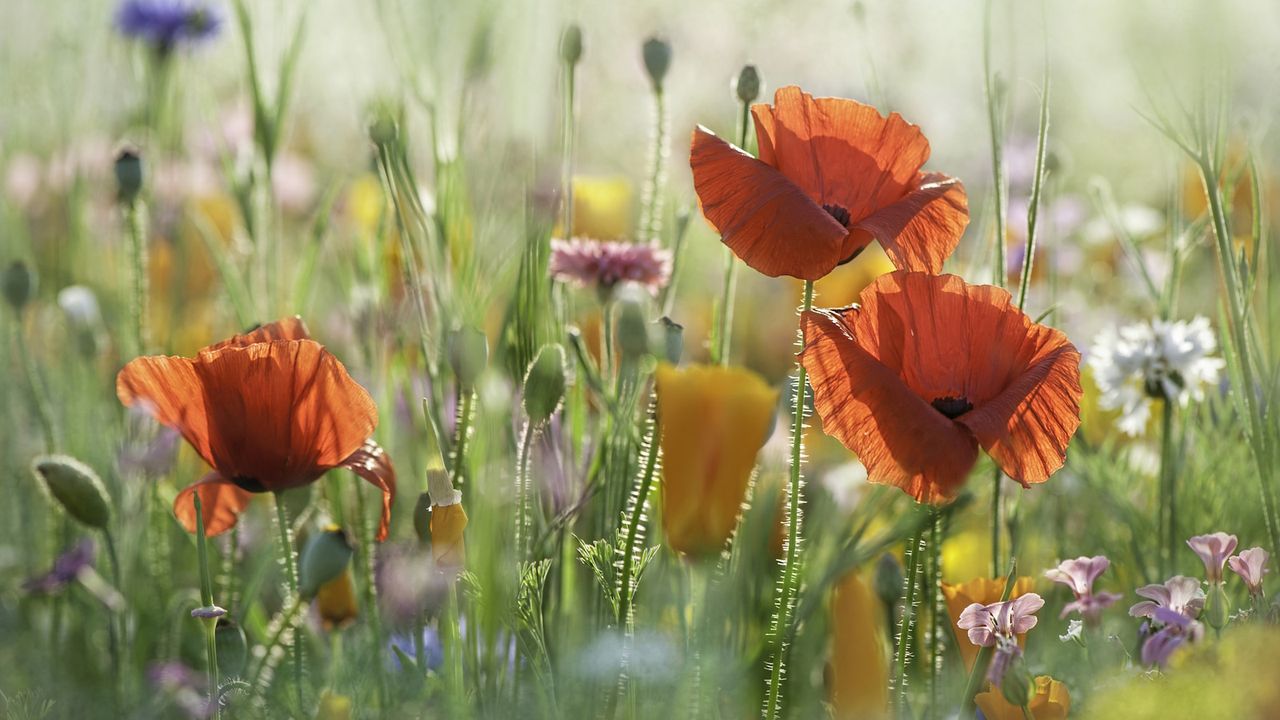 From January to December, There is a Wildflower for Each Month of the Year – Discover the Meaning Behind Yours and How To Grow It
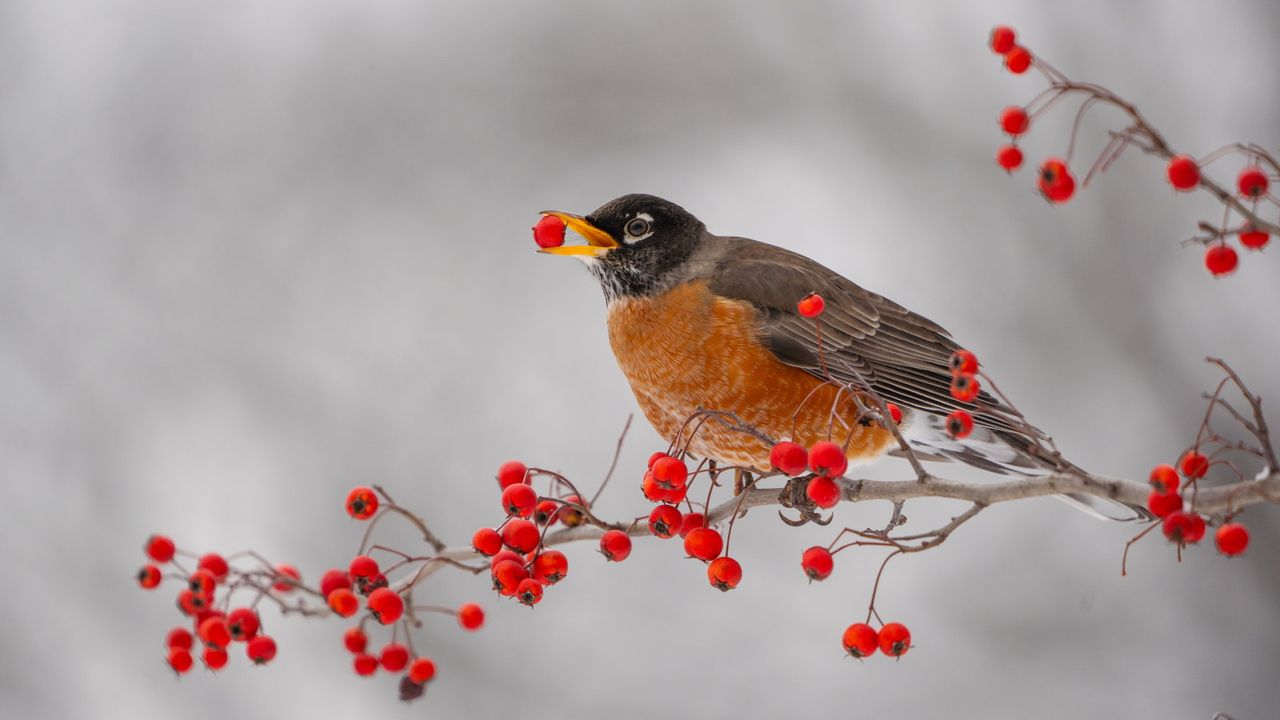 Native Plants Provide Valuable Food for Birds in Winter – Experts Reveal 5 of the Best You Can Plant to Support Feathered Friends in Your Yard
January: Dark-Eyed Junco
Native Plants Provide Valuable Food for Birds in Winter – Experts Reveal 5 of the Best You Can Plant to Support Feathered Friends in Your Yard
January: Dark-Eyed Junco
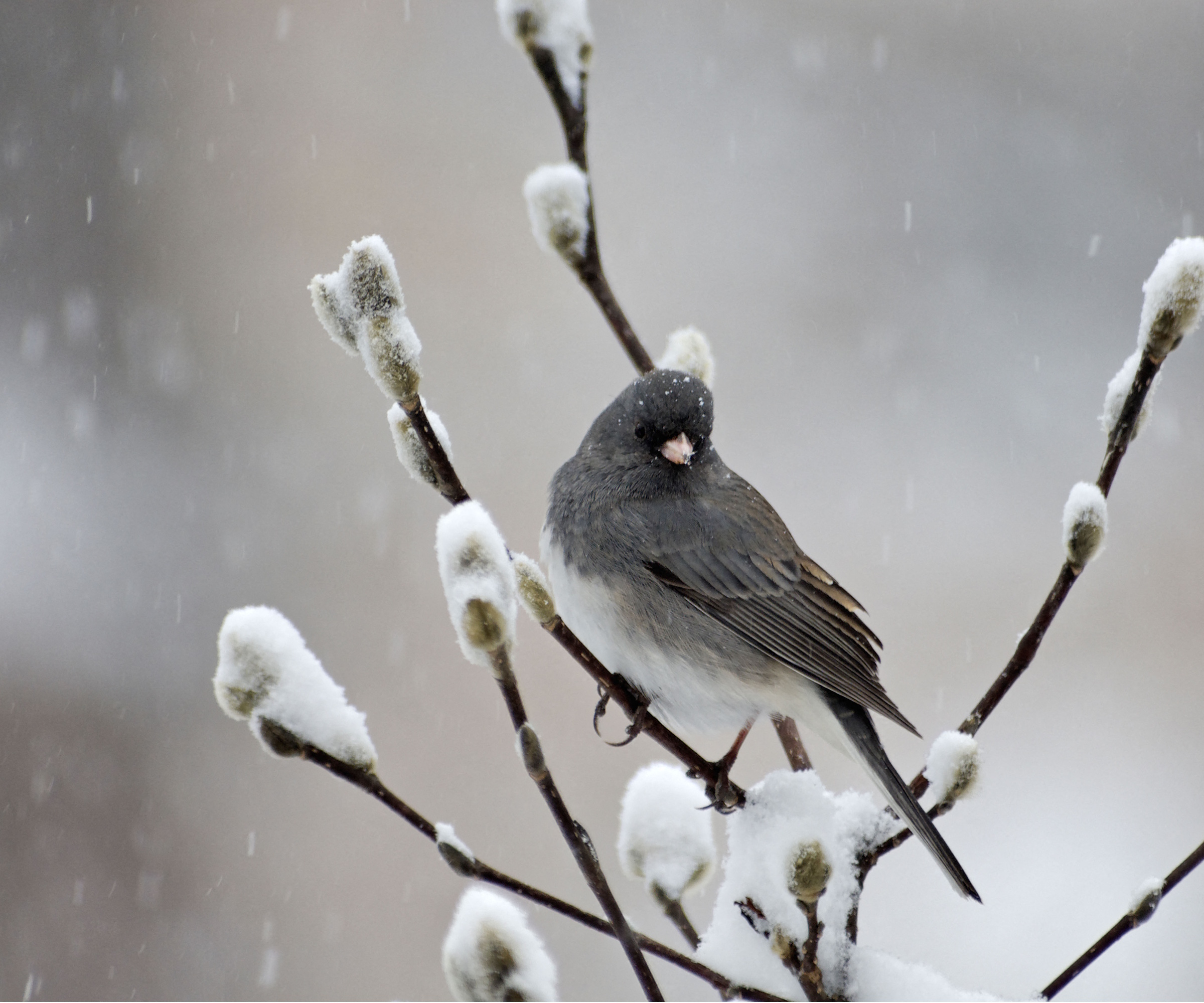
Dark-Eyed Junco is a type of sparrow
(Image credit: Daniel Dempster Photography via Alamy)
January can be a quiet time in the wildlife garden, but look closer and you might spot the charming Dark-Eyed Junco, with its white belly and grey-brown body.
In winter, Dark-eyed Juncos can be found across much of the US, earning them the nickname 'snowbird' for their high visibility in backyards during the colder months.
This comes after their breeding season in the north and Canada, moving south through the US in winter for warmth, foraging in backyards along the way.
It's one of the best months to attract them, simply by helping to feed these birds in winter with tray bird feeders (like this from Amazon). They tend to forage from the ground, so prefer a flatter surface like this, especially when its placed low to the ground.
Black oil sunflower seeds (like these from Walmart) are a great choice of food to put out for for Dark-Eyed Junco.
February: Northern Cardinal
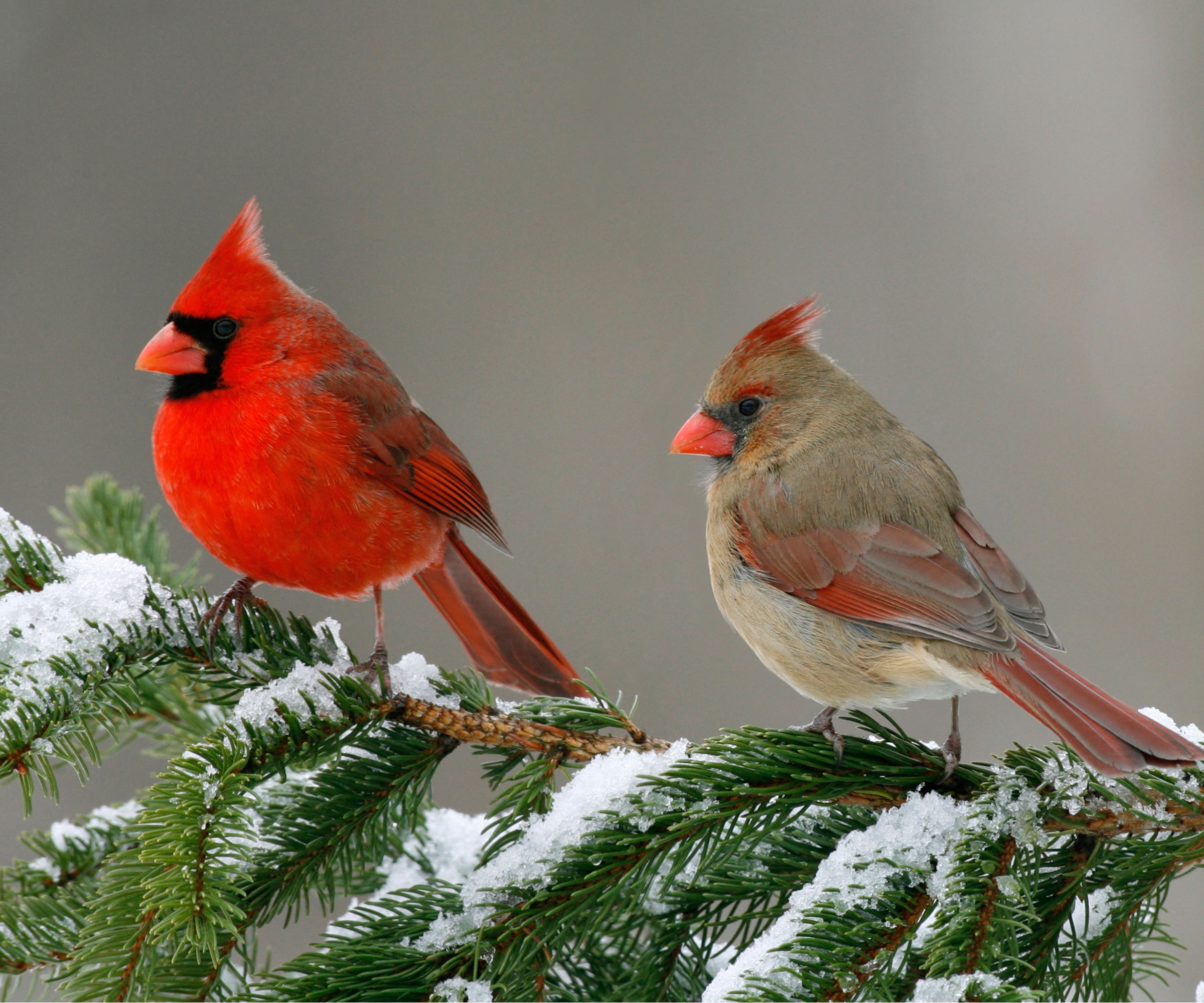
Female Northern Cardinals are primarily brown with red-tinged accents, as pictured on the right
(Image credit: William Leaman via Alamy)
In late winter, dreary days still linger, which is why the vibrant Northern Cardinal is a joy to spot.
With the male's iconic red feathers, there's no missing when this magnificent bird makes an appearance.
You may like
From January to December, There is a Wildflower for Each Month of the Year – Discover the Meaning Behind Yours and How To Grow It
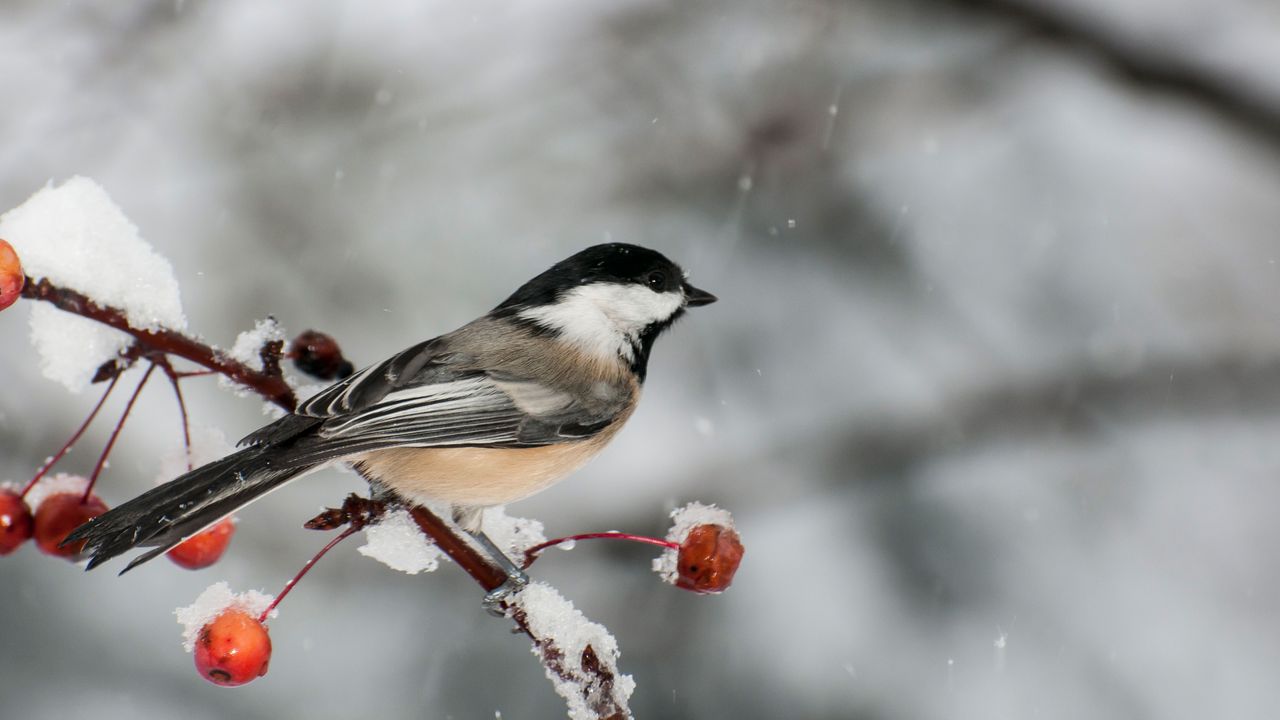 Don’t Buy Another Bird Feeder – 7 Easy Ways to Feed Garden Birds Using What You Already Have
 5 Beautiful Plants That Will Bring Hummingbirds to Your Yard Even in the Coldest Months
They're non-migratory and can be found year-round across the eastern and central US, making them one of the most easily spotted birds in February
You can attract cardinals to your yard by planting lots of native trees and shrubs, like serviceberry (you can find a starter plant at Nature Hills), and providing water sources.
Make sure to stop your bird bath from freezing over in winter (such as with a bird bath heater, available on Amazon), to ensure they can access fresh water during this cold and harsh season.
March: American Robin
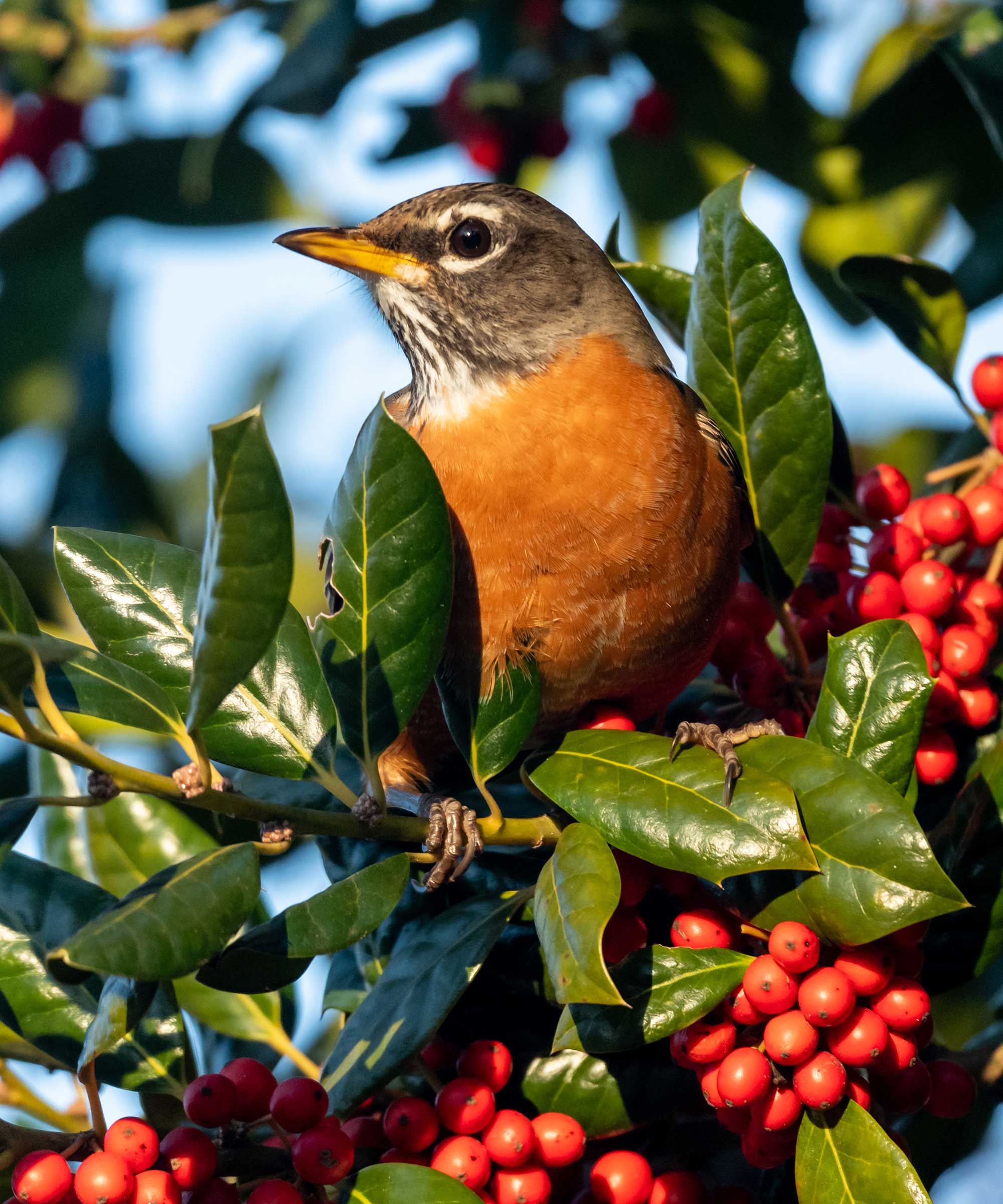
American Robins are highly territorial, often fighting to claim and protect their nesting spots
(Image credit: Teresa Kopec / Moment / Getty Images)
Alongside early blooms like daffodils, American Robins are widely considered one of the first signs of spring. In March, you may start to hear their melodic birdsong.
This is when many start to return to northern climes after overwintering south. Though, southern populations remain year-round.
As partial-migrators, they respond to food availability (earthworms and berries) to decide where to go for the coldest months.
You can actually attract American Robins to your yard year-round by catering to their varied diet.
This includes digging a hole for birds to access earthworms and insects in the spring and summer months, and growing the best native plants to feed birds in winter, often those with berries.
Chokeberry is a good choice for American Robins, thanks to its berries that last through frost and thaw cycles. You can find a chokeberry bush at Nature Hills.
You can also help care for American Robins in winter by providing shelter with dense shrubs and wood piles. Though, you should be aware American Robins don't use birdhouses
April: Eastern Bluebird
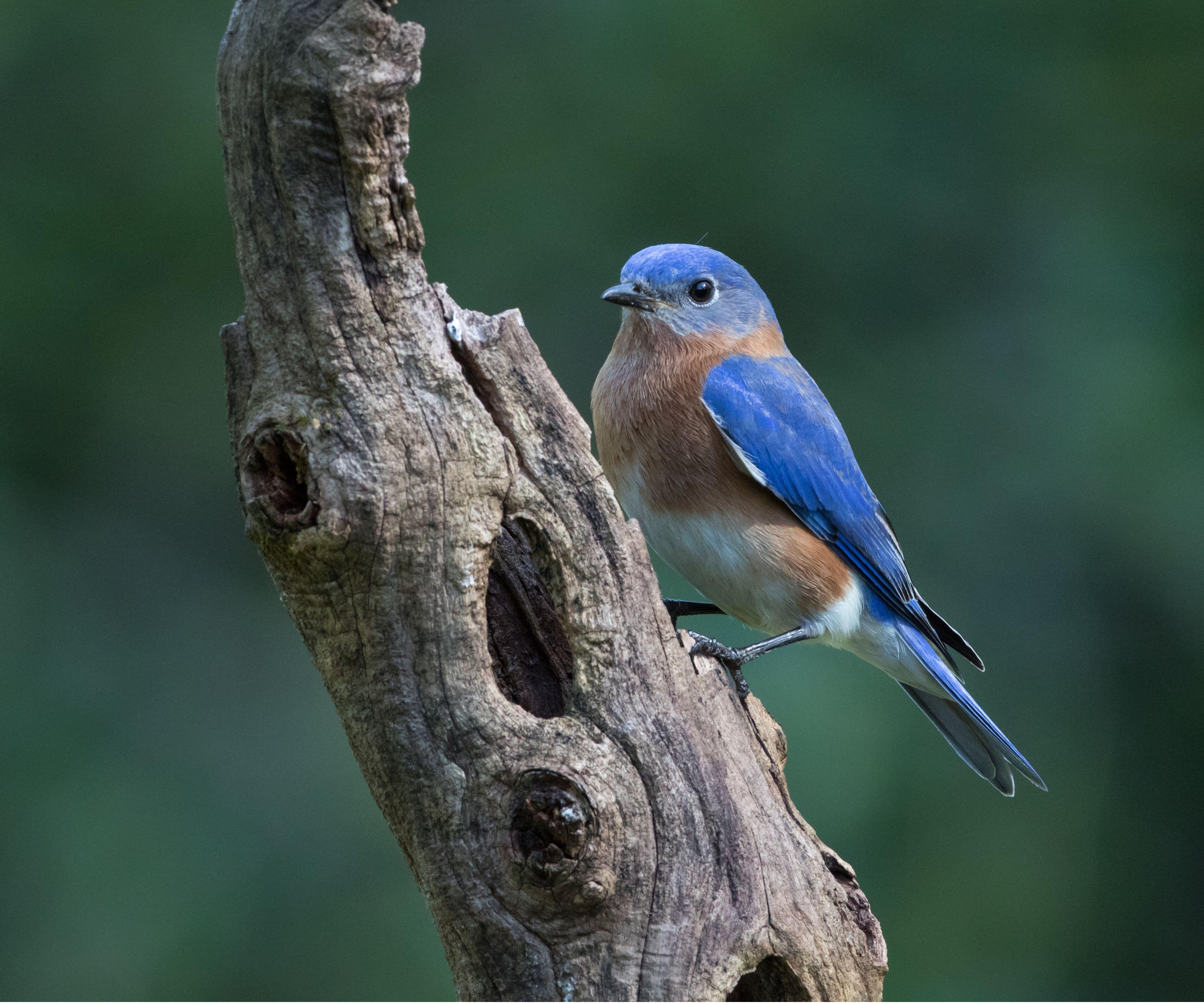
You can often find Eastern Bluebirds in meadows and fields
(Image credit: Barry Freeman via Alamy)
April is a very important month for Eastern Bluebirds, when these charming feathered creatures begin their nest-building and breeding season.
They favor open areas with scattered trees and perches, with their nests being inside tree cavities, usually made up of dried grass and pine needles.
The best way to help these birds during breeding season is by providing safe nesting boxes. Most importantly, they should be sparrow-resistant to stop other birds competing and fighting them.
This nesting box with a copper guard from Amazon is a good choice, where the guard stops predators chewing and enlarging the hole to get inside.
As for food, mealworms (like this bag from Amazon) is a valuable resource for Eastern Bluebirds.
May: Baltimore Oriole
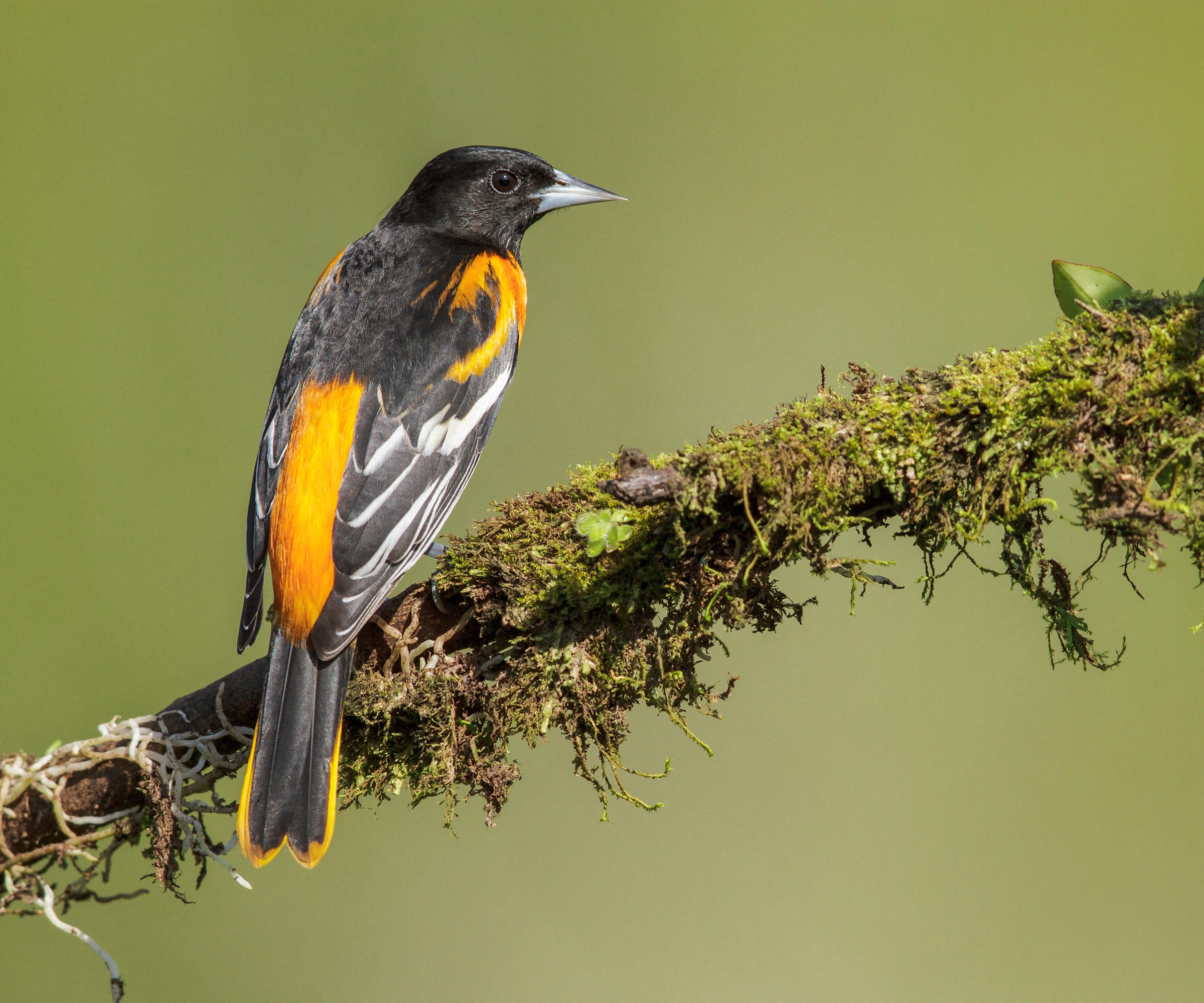
The Baltimore Oriole is named after the 17th-century coat-of-arms of Lord Baltimore, due to its colors
(Image credit: All Canada Photos via Alamy)
When it comes to birth month birds, the best choice for May is Baltimore Oriole.
By this time, these migratory birds have returned and the males have bright orange-yellow colors, ready for nest-building season.
They can be spotted across eastern US in particular during breeding season, where they build nests in tall trees, often at the end of branches to stay safe from predators.
These birds love fruit and nectar, and can be attracted to the yard by putting out sliced oranges and grape jelly (which you can buy from Walmart).
Just like hummingbirds, they may also use nectar bird feeders (like this one from Amazon).
You can also attract orioles to your yard by turning to insecticide-free gardening, as these birds like to forage for caterpillars and other invertebrates.
June: Ruby-Throated Hummingbird
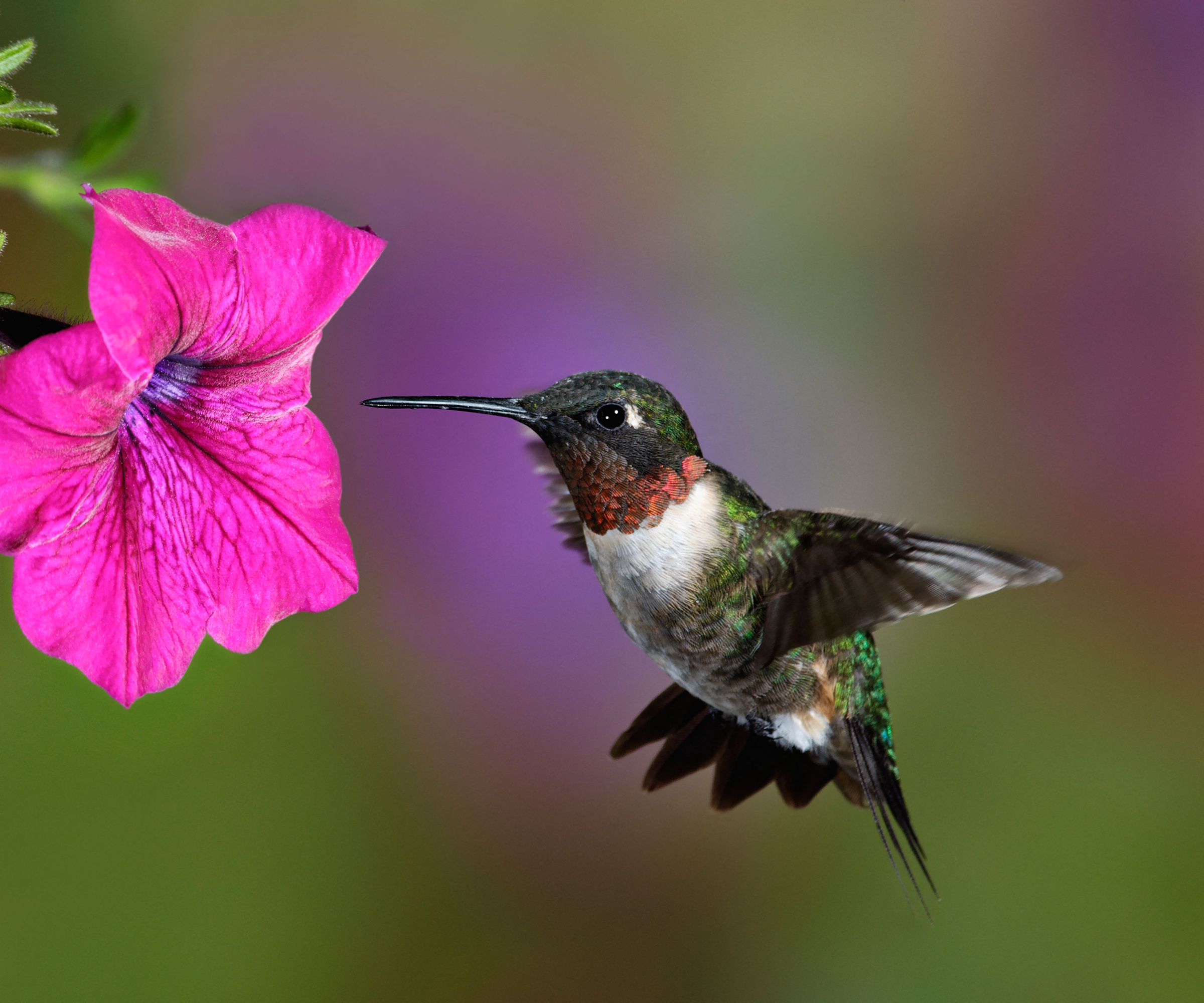
Ruby-Throated Hummingbirds typically only weigh around three grams
(Image credit: Daniel Dempster Photography via Alamy)
Measuring just 2.8 to 3.5 inches in length on average, Ruby-Throated Hummingbirds are one of the most amazing birds to spot in the yard.
Every fall, they embark an incredible hummingbird migration, hundreds to thousands of miles from the eastern US to wintering grounds in Mexico and Central America. Some even fly non-stop over the Gulf of Mexico.
By June, they've returned back to eastern regions and begin breeding season, where they're highly visible in backyards, darting between flowers and feeders.
Hummingbird trumpet plants are particularly valuable at this time, as the tubular flowers make nectar accessible to their slender beaks. You can use these hummingbird trumpet seeds on Amazon to grow one in your yard.
Likewise, there are plenty of native spring flowers to attract hummingbirds that will still be blooming in June.
Besides food sources (including an essential hummingbird feeder, like this one with a camera available at Walmart), you can attract hummingbirds to your yard by using the color red to capture their attention. This includes red flowers but also red garden accents.
Don't forget to clean your hummingbird feeder and top it up with hummingbird nectar (available on Amazon).
July: American Goldfinch
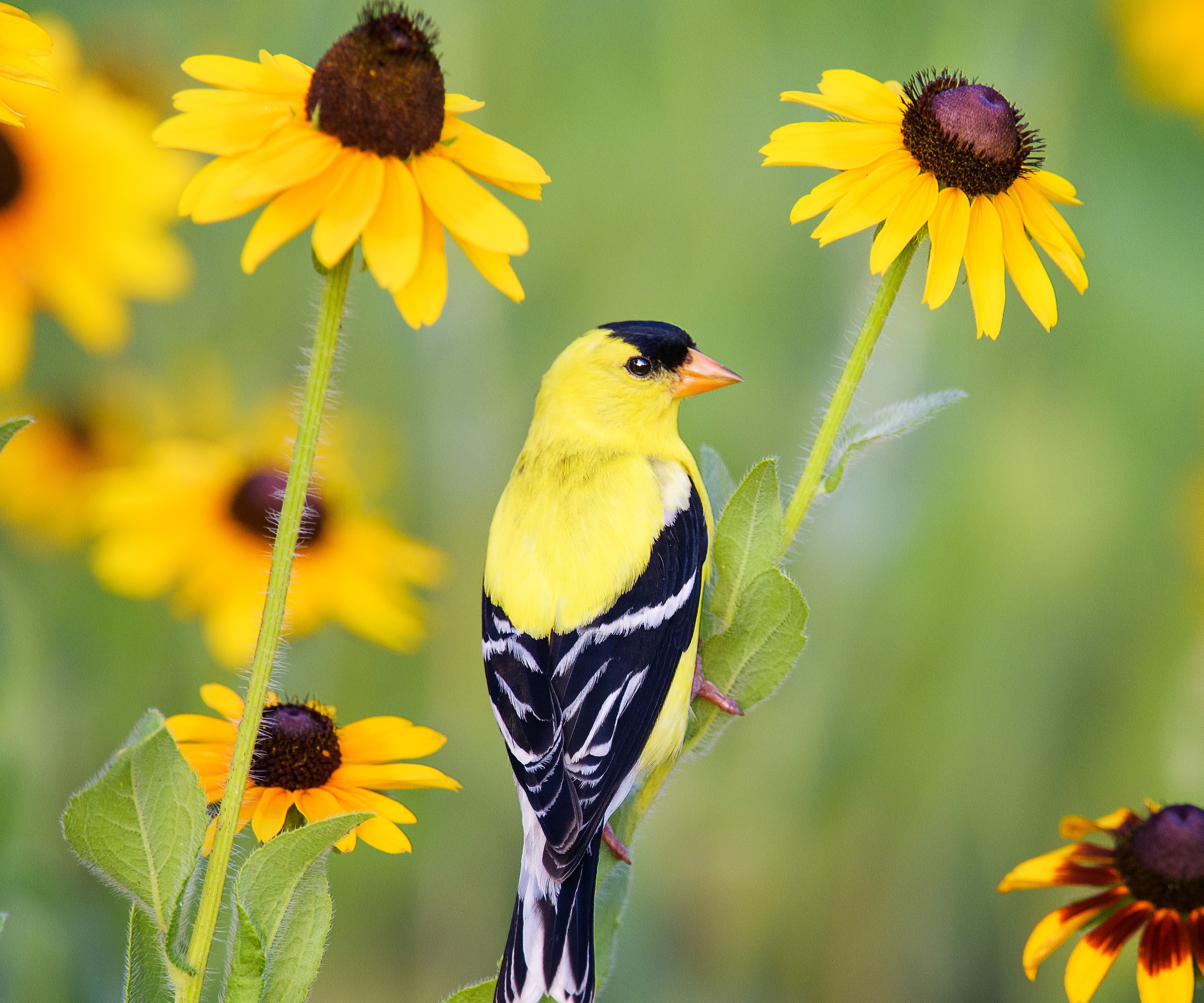
American Goldfinches are the only finches to molt their feathers twice a year
(Image credit: Getty Images/Vicki Jauron, Babylon and Beyond Photography)
American Goldfinches are adored for their bright yellow colors and striped wings and tails. They can be found across North America, where they particularly enjoy shrubby areas and commonly visit backyards.
These birds line up perfectly with July birthdays, as they're late breeders and start to nest at a time where sunflower seeds and thistles are in abundance.
They tend to move around in small flocks, so if you do spot one, they likely have company.
American Goldfinches also have a unique birdsong, that is often described as high-pitched warbling and twittering.
You can encourage a greater American goldfinch presence in your yard by planting sunflower varieties and other seed-producing plants.
A thistle seed feeder (like this from Amazon) is also a great feature to add to your garden for these bright birds, which you can fill with this pack of seeds for finches from Amazon.
August: Barn Swallow
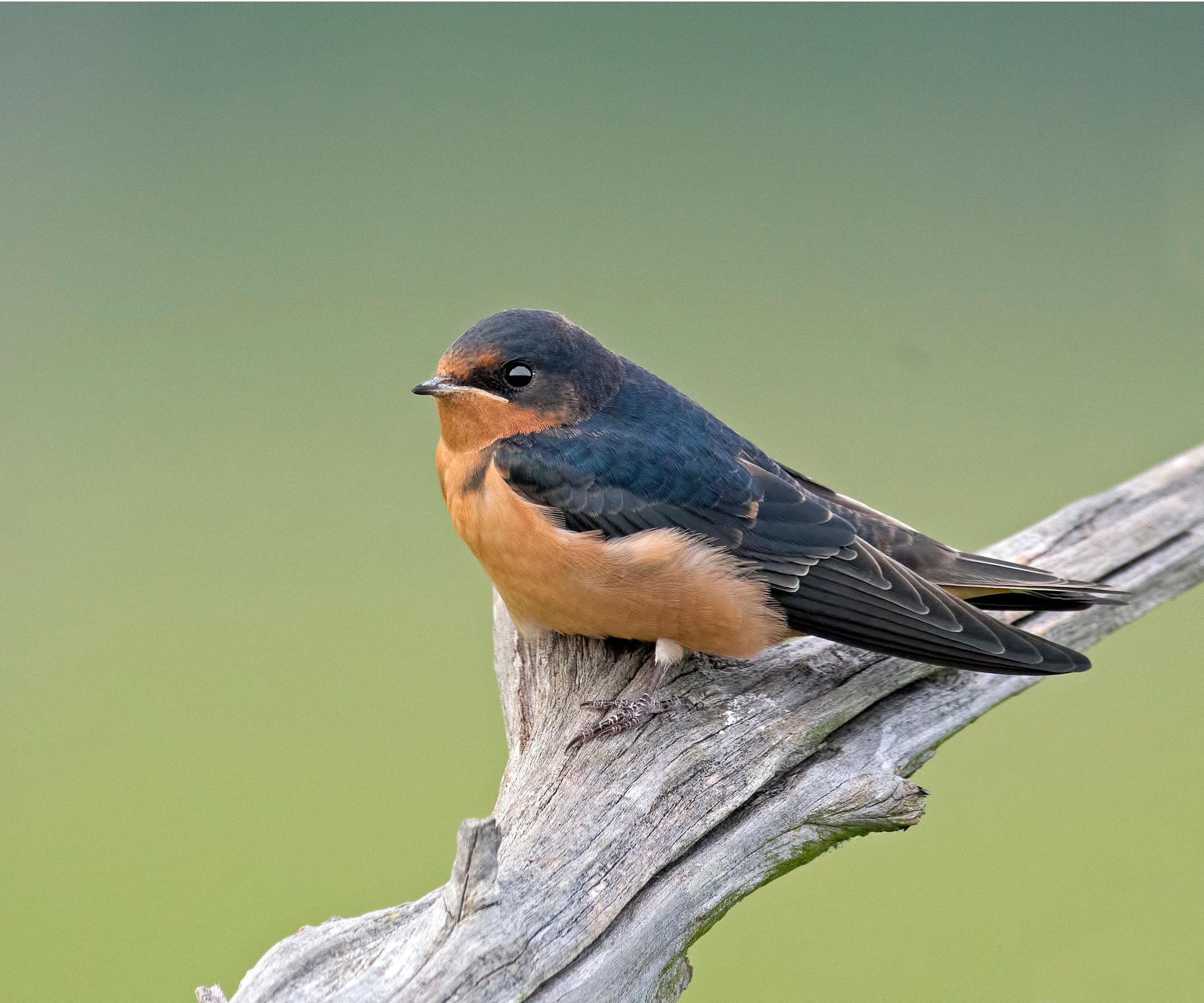
Barn Swallow is considered to be the most widespread swallow species in the world, where it's found on all continents except for Antarctica
(Image credit: Brian Kushner via Alamy)
There's still plenty of Barn Swallow activity in August, as these birds feed intensely and prepare for migration.
They swoop gracefully as aerial insectivores, catching insects. For this reason, open spaces in backyards are great for helping them forage.
You may also spot their unusual cup-shaped nests under building eaves and attached to walls, made of mud, grass, and even feathers.
After summer, they migrate to Central and South America for the winter months, returning again from April.
You can make your yard more appealing to them by providing shelter, including keep barn doors open and even installing swallow nest cups under eaves (like these nesting cups on Amazon).
September: Blue Jay
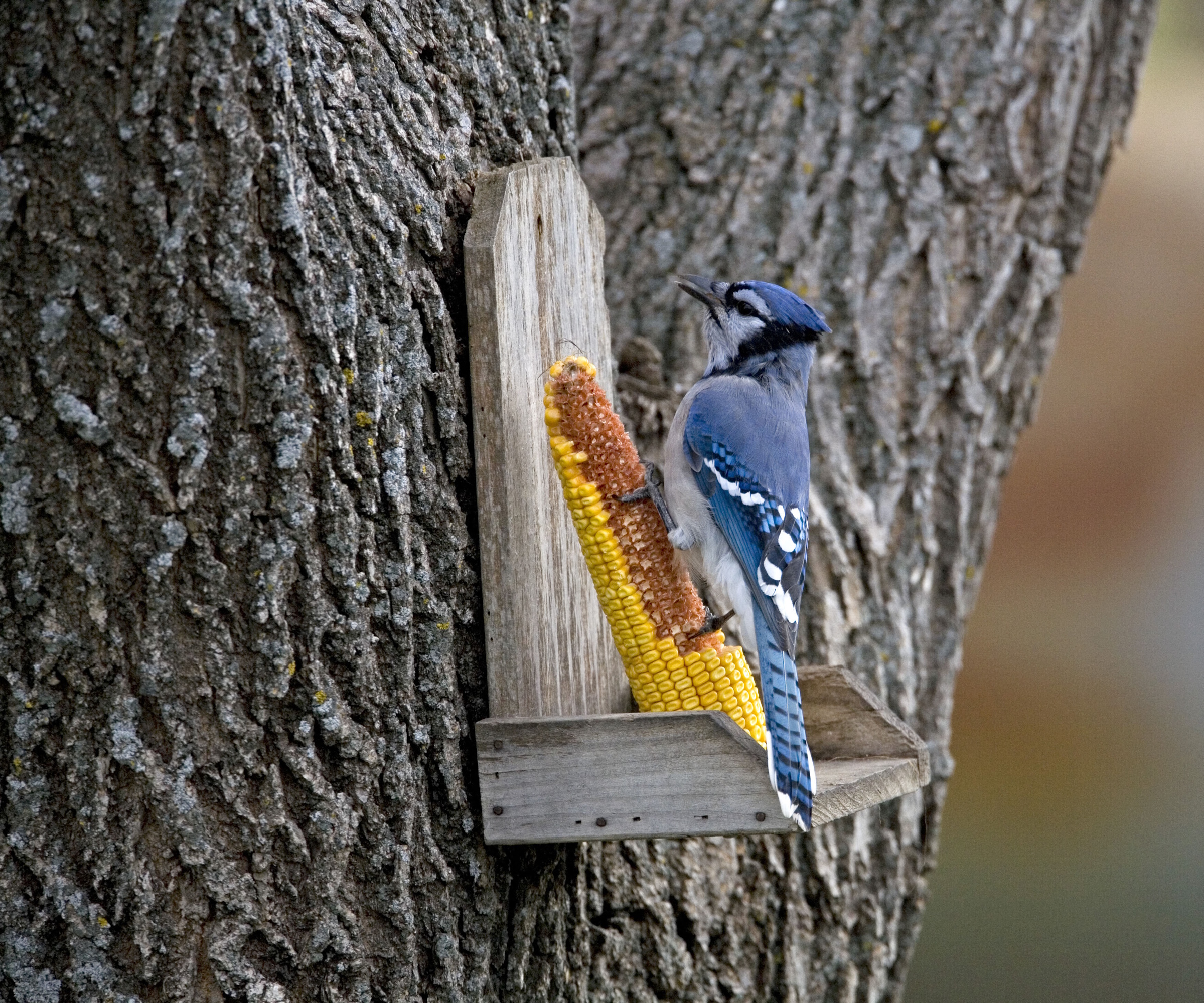
Corn is a great source of nutrition for these beautiful birds
(Image credit: FLPA via Alamy)
In September, Blue Jays are highly active, seeking acorns and nuts to stow away for winter. That's why you're likely to spot them around trees during this month.
Blue Jays are typically resident to eastern and central US, with large populations moving south along the Great Lakes for winter. Yet, some populations choose to stay north.
One of the best ways to help feed them and attract them to your yard is by providing some of their favorite snacks: corn, peanuts, and sunflower seeds.
Like in the image above, you can use a tree feeding mount (like this one from Amazon) to place these foods high up in trees where Blue Jays will find them. They will also stop by bird feeders, appreciating food mixes like this nut and fruit bird mix from Amazon.
If you do have them in your yard, you'll know. They're known to be quite noisy with their jay calls and complex whisper song, sounding like a mix of clicking and whirring.
October: White-Throated Sparrow
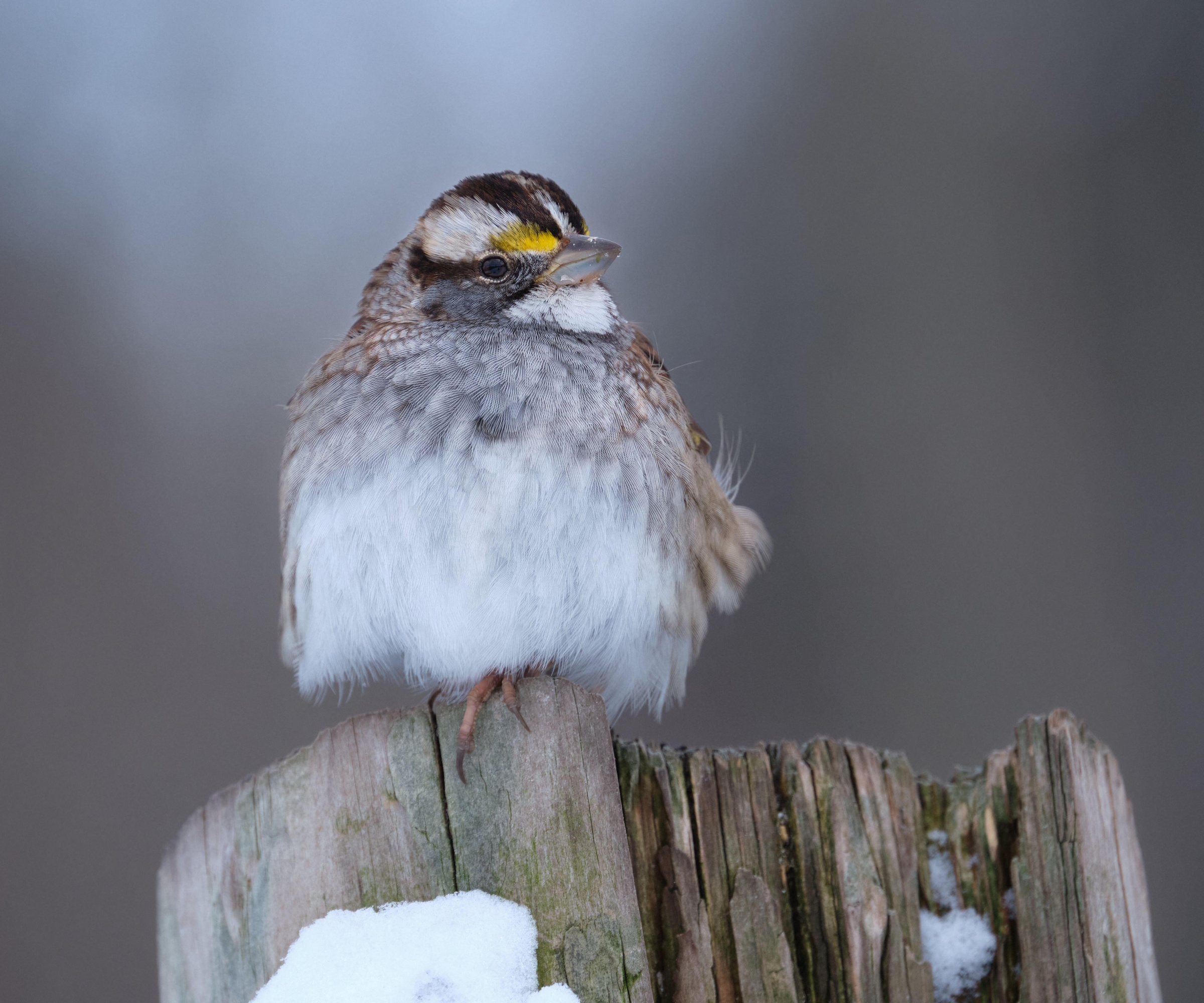
White-Throated Sparrows have two voice boxes, known as a syrinx
(Image credit: meanderingemu via Alamy)
In October, many White-Throated Sparrows are arriving from northern regions for winter. They're one of the first migratory birds to spot southwards as winter nears.
They're identifiable by their plump bodies, distinct yellow lore, and striped head.
As ground foragers, they appreciate food sources being spread on the ground, including cracked corn (available at Walmart) and sunflower seeds. Placing this near bush piles is a bonus, as it offers some shelter and safety.
They're quite shy and cautious, so are best spotted in undisturbed parts of the garden.
November: Downy Woodpecker
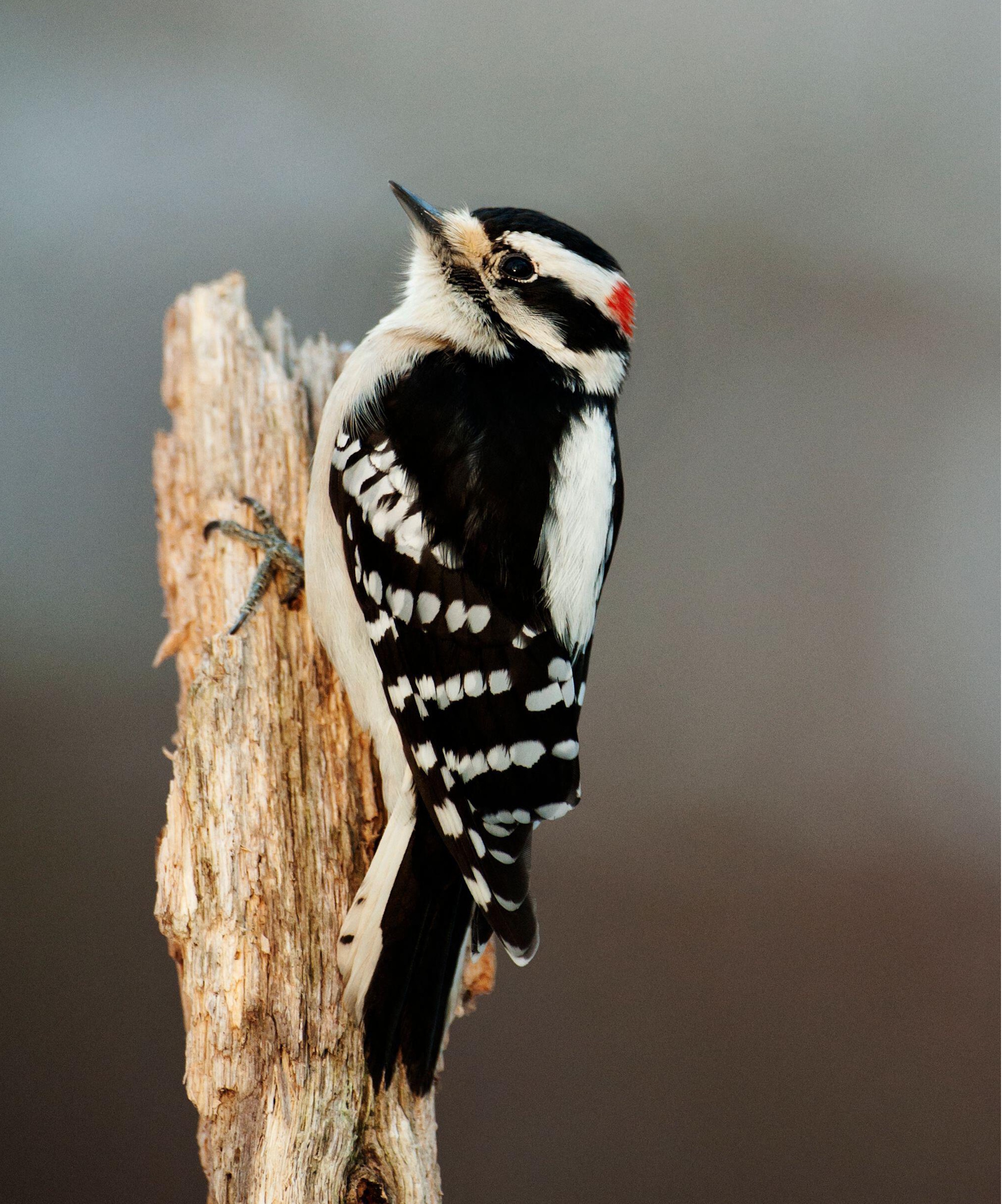
There are 230+ species of woodpeckers worldwide
(Image credit: Johann Schumacher via Alamy)
Downy Woodpeckers can be found across the majority of the US and are one of the more reliable birds to spot in November, especially as trees lose their leaves and their colors of black and white with small red accents is easier to see.
Of course, one tell-tale sign you have a woodpecker in your yard is the sound of them pecking wood, foraging for insects and larvae in tree bark.
As insect populations become less accessible in the colder months, woodpeckers benefit from bird feeders and suet feeders (like this from Walmart which has a perching spot for woodpeckers).
Suet, peanuts, and sunflower seeds are all nutritious food sources for these charming birds and can be essential to caring for woodpeckers in winter.
You can also attract woodpeckers by providing nest boxes designed for small woodpeckers (like this woodpecker house on Amazon), as these birds look for cavities for shelter and nesting. They're best placed 8-12ft high in a tree.
December: White-Breasted Nuthatch
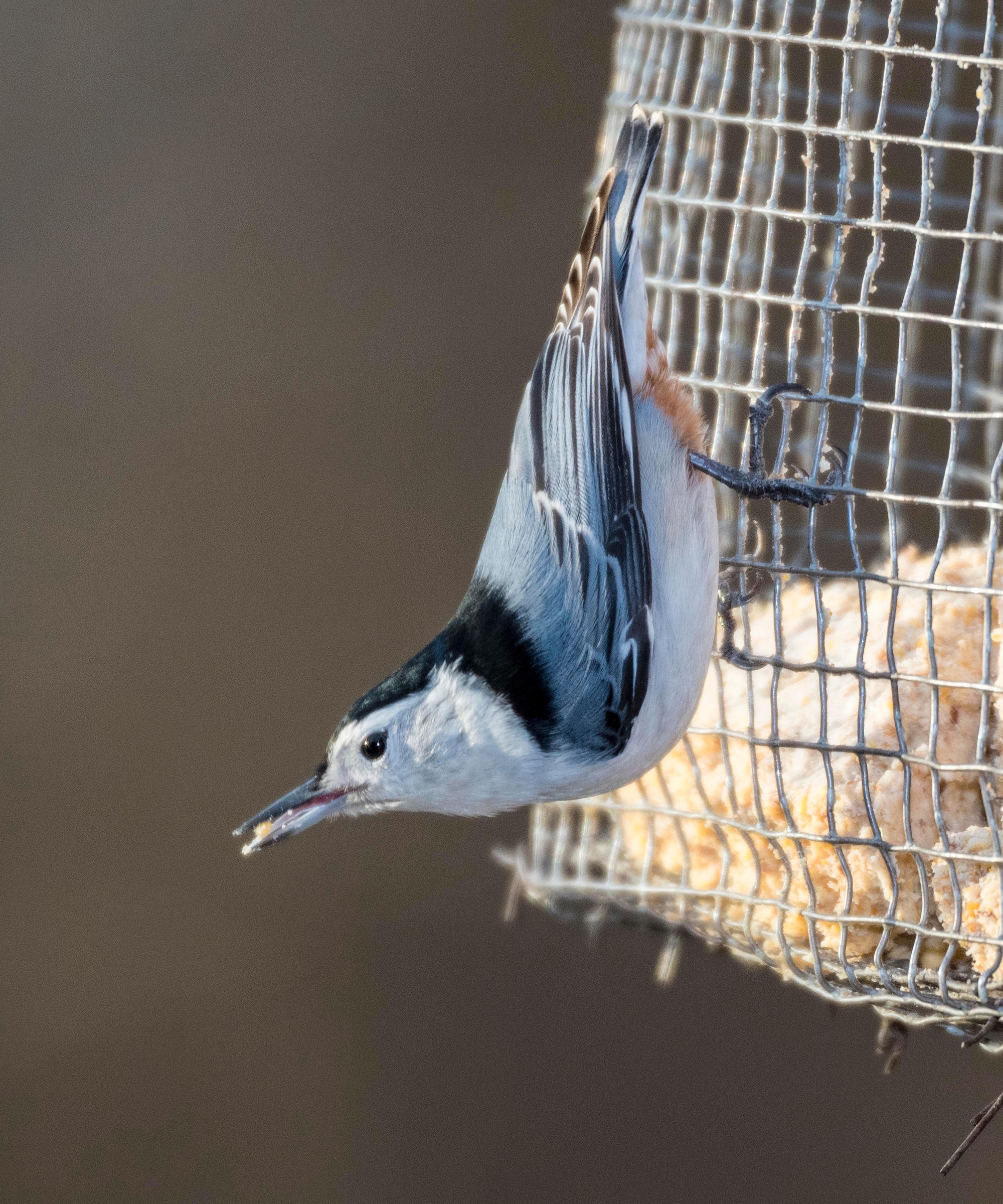
These birds are known for walk headfirst down trees
(Image credit: David Stuckel via Alamy)
You may also know the White-Breasted Nuthatch as the 'upside-down bird' as they unusually move headfirst down trees and branches.
December is a great time to spot them, identifiable by their blue-grey feathers, black heads, and white chests.
They're non-migratory and inhabit regions throughout the majority of North America and southern Canada year-round.
In winter especially, when other natural food sources are scarce, they frequent bird feeders in backyards. In particular, they enjoy sunflower seeds, peanuts, and suet (like this variety pack of suet balls on Amazon).
They often collect seeds and insects to store in tree bark crevices, known as 'caching,' to consume later.
You can help provide them with food by using cling feeders made of mesh (like this from Amazon). These are designed for smaller birds like nuthatches, stopping competition from bigger birds who struggle to feed without a perch.
If you struggle to attract lots of birds to your yard, it might just be that you're missing some essential elements that gardens always filled with birds have. The below accessories can help turn your yard into a safe haven for birds throughout the year:
Comments (0)