
Remember me




Everyone's corner of comfort looks different, whether it's a snug window seat for reading or a breakfast nook for a morning coffee. But what these comforting spaces have in common is that they are designed around pausing, taking a break, and slowing down.
In Sweden, this moment of contemplation is not just a state of mind, but rather a cultural custom. Known as 'Fika', it's an act that focuses on letting your mind rest, savoring the moment, and enjoying the simple things, indulging in a coffee or a sweet treat whilst you do so. I've long admired this tradition and have fantasized about having a room for just these simple comforts – even the idea of a breakfast nook or reading nook to unwind and contemplate sounds enchanting.
You may like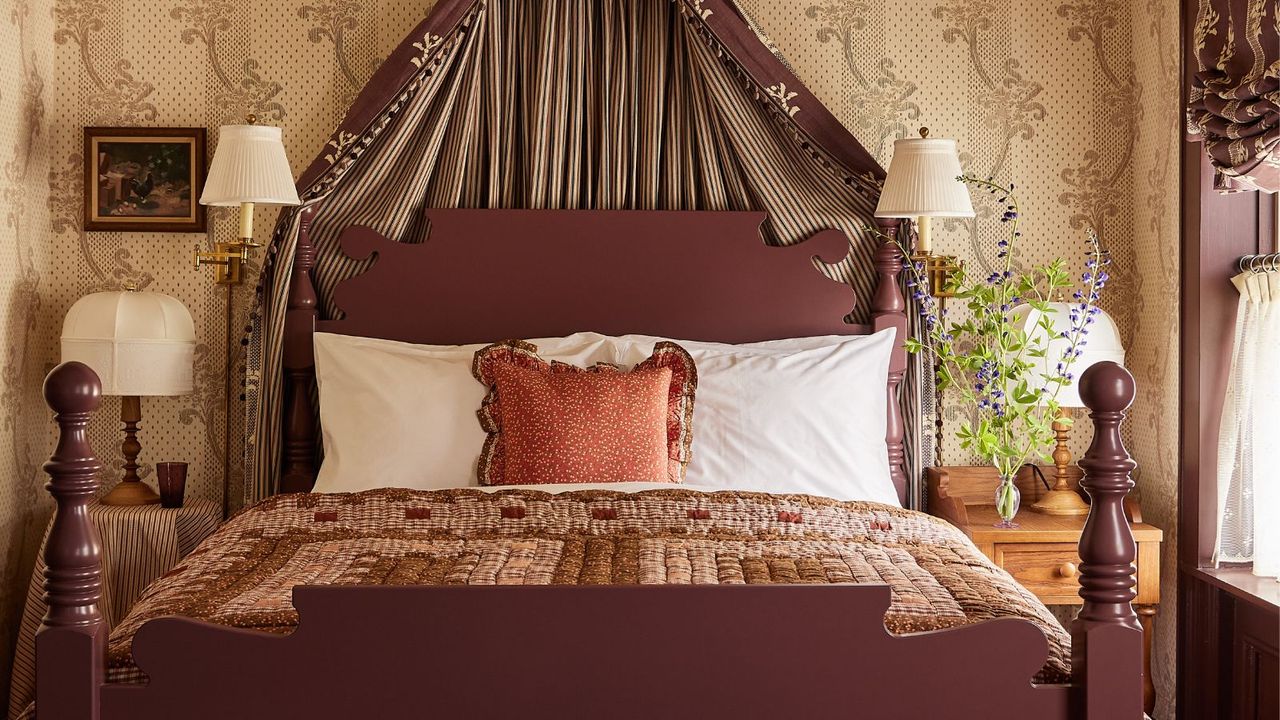 Cozy Nostalgia Is the New Rebellion Against Quiet Luxury – and Designers Are Leaning Into Its Layered Warmth
 4 Interior Designers on the Quick Switches They Make to Their Own Kitchens to Get Them Ready for Hosting
 Cozy Corners Are Your Home's Most Underused Space – Alexa Chung Shows How To Transform Them Into Sumptuous Nooks
1. Make Comfort the Priority With Snug Seating
Cozy Corners Are Your Home's Most Underused Space – Alexa Chung Shows How To Transform Them Into Sumptuous Nooks
1. Make Comfort the Priority With Snug Seating
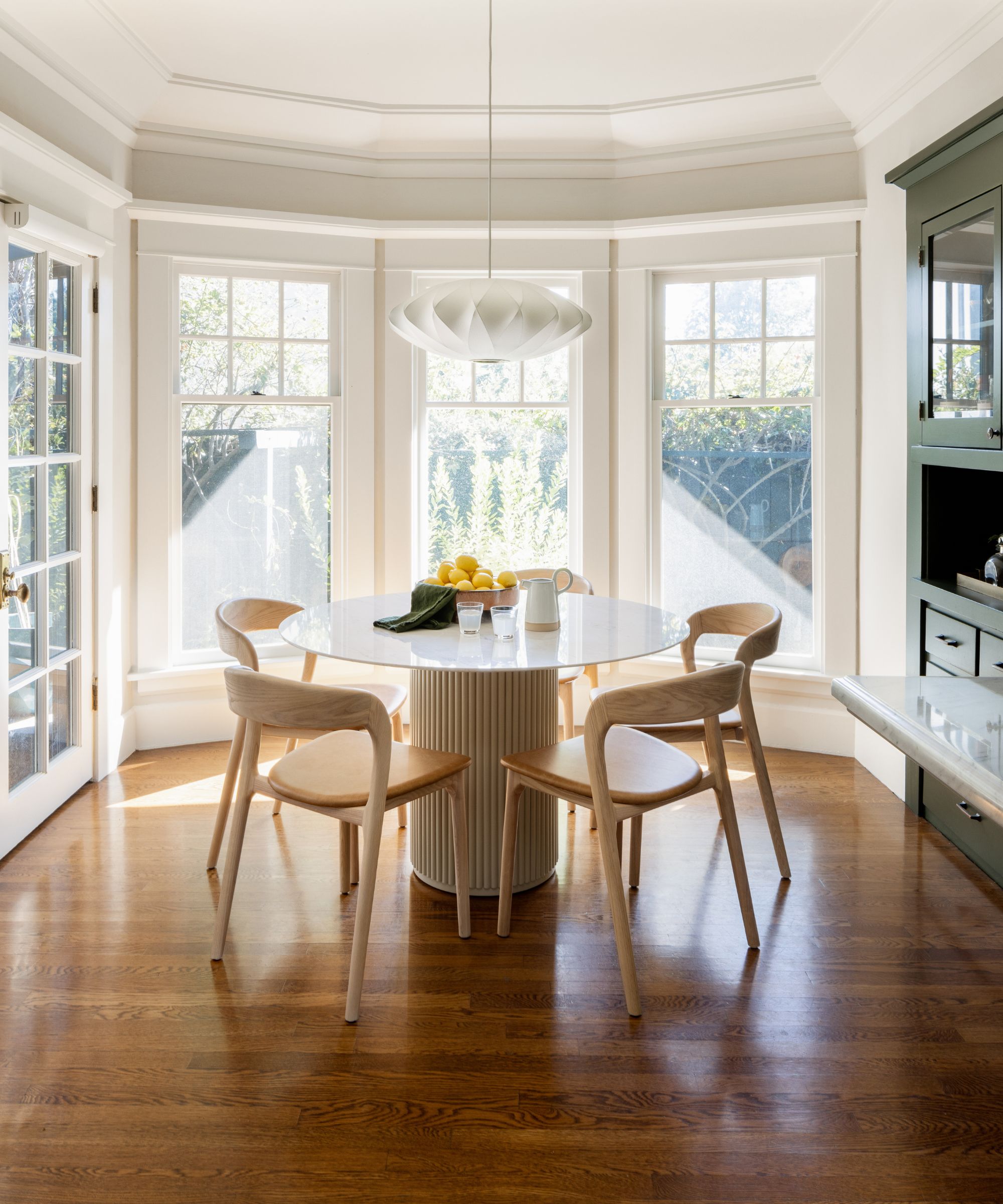
This light-filled breakfast nook is refreshingly serene, perfect for enjoying a coffee or sweet treat with friends.
(Image credit: Shelby Bourne)
Comfort is an important factor in any design, but in a space designed for purely relaxation, it couldn't be more important. From a plush armchair to curl up in to a handful of scoop-back dining chairs to aid conversation, comfortable furniture is paramount when designing a cozy nook.
'Using comfortable furniture that encourages a relaxed feeling is essential,' Kashi explains. 'Carefully balanced seating heights and a well-proportioned side table make it easy to enjoy a moment without discomfort or awkwardness. There is nothing worse than sitting on a chair that is too high for the table; uncomfortable seating quickly distracts from being present and enjoying the moment.'
Joanna Lavén, founder of Stockholm based Studio Lawahl, agrees, explaining, 'Design a nook that feels like an invitation, place it where natural light or a nice view can be enjoyed, then layer a small round table, a built-in sofa if it fits the room, plus a couple of chairs, or a pair of plush lounge chairs angled toward one another.'
2. Layer Soft, Warm Textures For Coziness
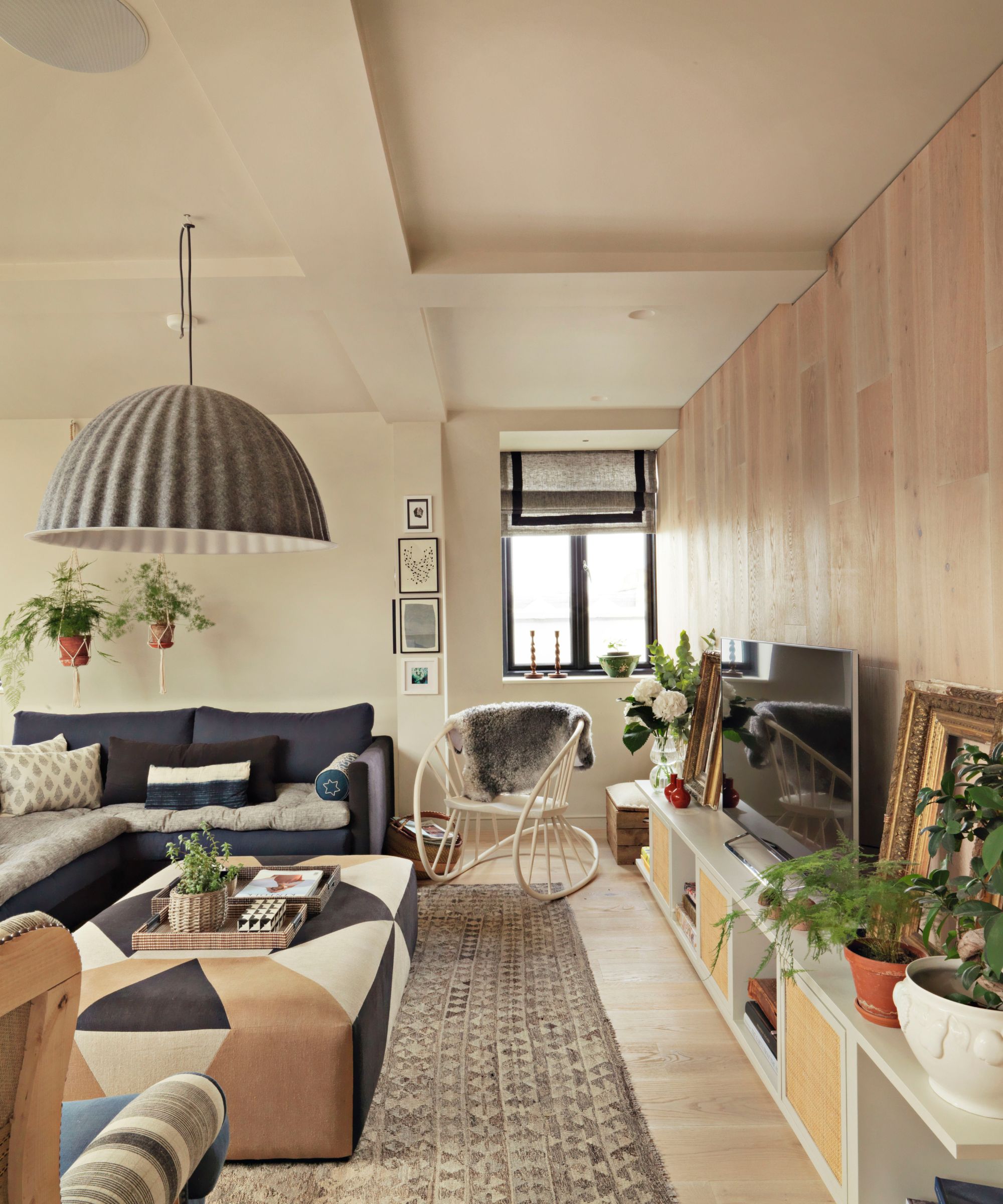
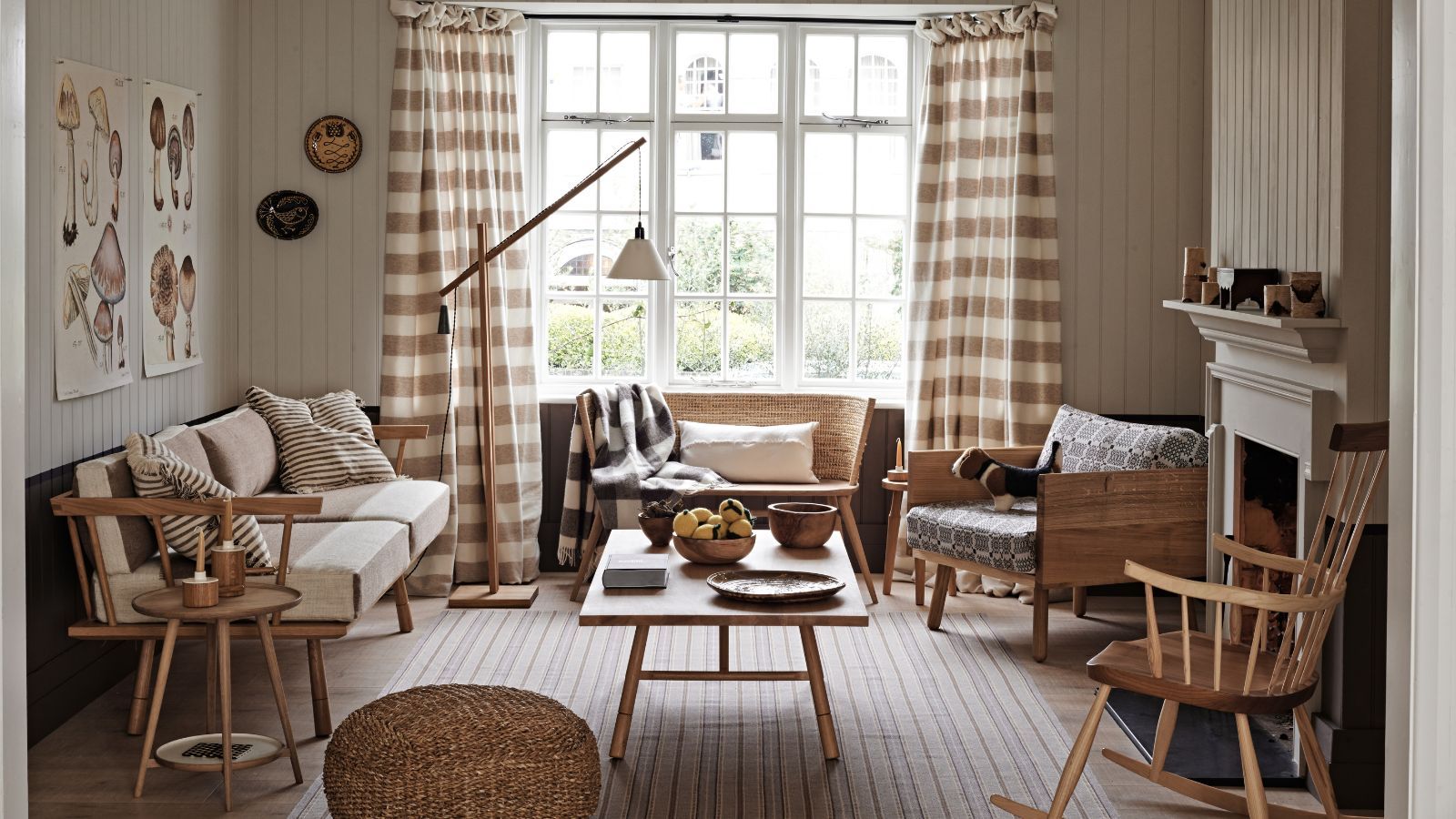
Layered with warm textures and plush shapes, this Scandi-style living room comes to life through its lived-in details.
(Image credit: Future)
'At Studio Lawahl, Fika is both a cultural touchpoint and a design lens: we treat it as a ritual that shapes how spaces should feel and flow,' Joanna explains. 'Knowing Fika’s importance to Swedish life as a slow, social pause built around coffee, conversation, and small treats, we aim to create layouts that invite people to linger and connect.'
'That means warm, layered textiles and tactile materials such as soft wool, warm wood, and ceramics that feel approachable and cozy,' continues Joanna. 'Warm, textured textiles, a cozy rug to define the area, and a mix of surfaces such as wood, glass and ceramic for a tactile and cozy vibe.'
A cashmere throw draped over a window seat brings a layer of soft texture, as does a sheepskin rug hung on the back of a dining chair, enticing you to sit and relax. Kashi agrees, 'Warm colors help create a sense of calm and relaxation, while natural, soft fabrics add both comfort and tactility. Thoughtfully placed warm lighting further enhances the atmosphere, inviting people to pause, unwind, and truly relax.'
3. Create a Designated Coffee Station
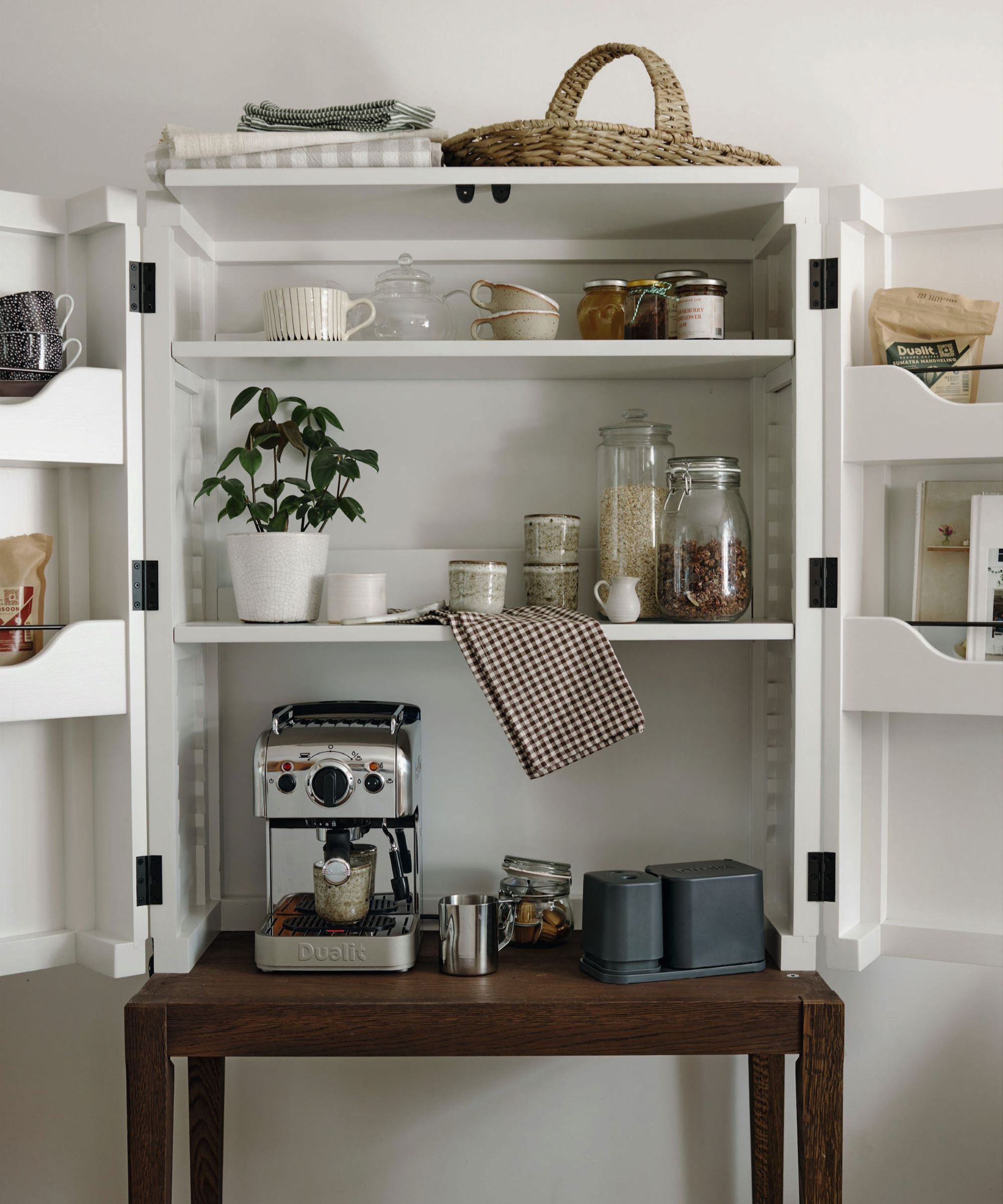
Whether it's a corner of a countertop or a whole cabinet, enjoy a Fika-inspired moment every day by carving out your own coffee-making station.
(Image credit: Dualit)
Fika isn't just about taking a minute to pause; it's about enjoying your favorite hot beverage, too. So adding a coffee station to your cozy nook is a bit of a no-brainer. Joanna explains, 'We often include a coffee cabinet in our kitchen designs that creates an accessible station for serving coffee and Fika.'
You may like
Cozy Nostalgia Is the New Rebellion Against Quiet Luxury – and Designers Are Leaning Into Its Layered Warmth
4 Interior Designers on the Quick Switches They Make to Their Own Kitchens to Get Them Ready for Hosting
Cozy Corners Are Your Home's Most Underused Space – Alexa Chung Shows How To Transform Them Into Sumptuous Nooks
Niki Brantmark, author and founder of My Scandinavian Home, says, 'For me, Fika is about putting down your tools and slowing the pace, making space for a hot drink, something sweet if there is any, and time to talk. Ever since our children were little, I’ve designed our dining area with that feeling in mind. The wooden table isn’t very big, but we love squeezing lots of people around it; it feels relaxed and welcoming rather than formal.'
'Sheepskins are draped over chairs, so you want to linger, and a bench nook is layered with cushions for everyday comfort,' she adds. 'There are always candles ready to be lit, and a teapot or coffee thermos close at hand, so refills are easy. Whether it’s a quiet Fika with just my little family or a friend stopping by for a chat, the space is designed to support those unhurried moments.'
4. Create Ambience With Warm Lighting
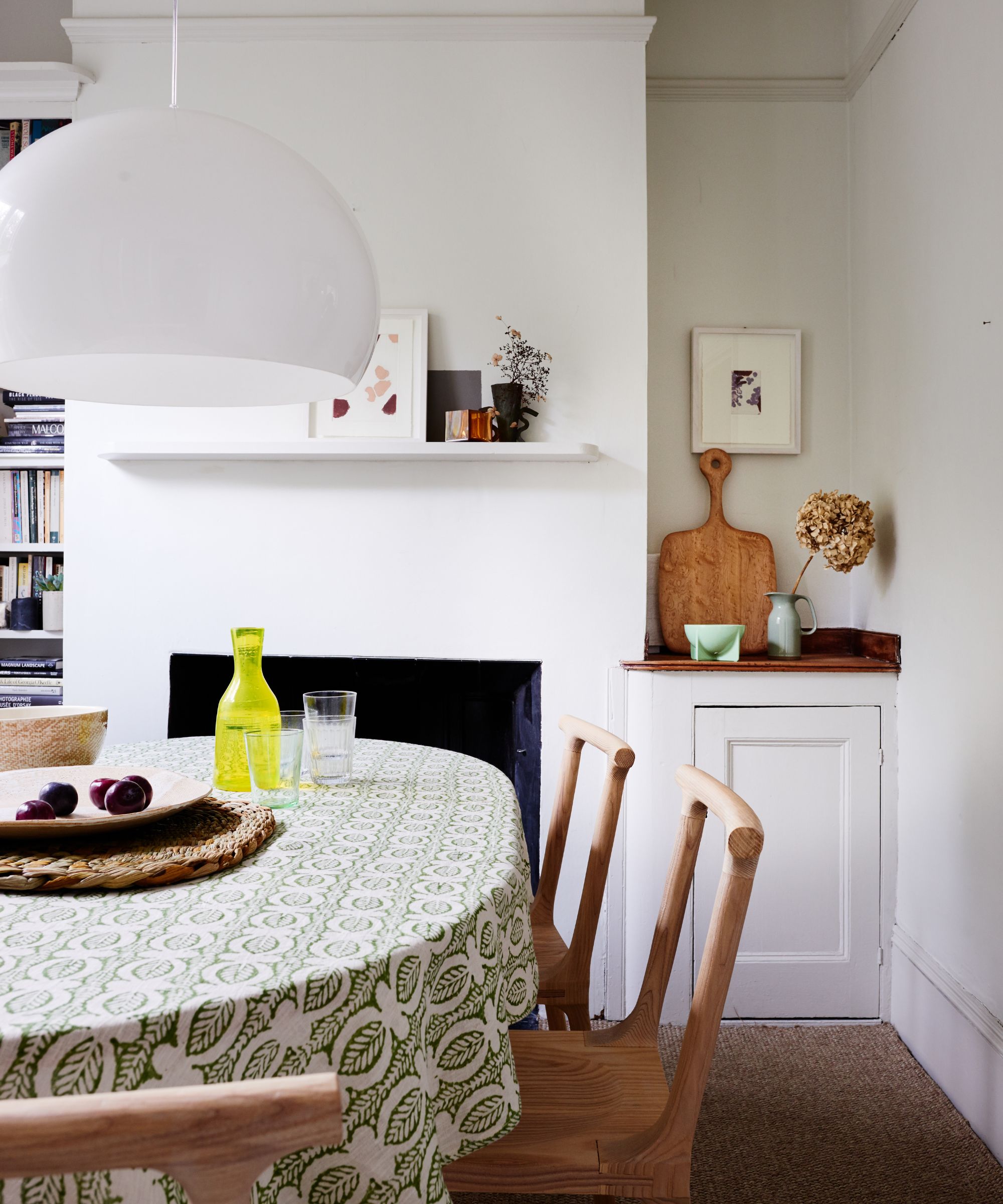
This serene dining room receives ample light during the day, but come evening, a large glass pendant light fills the room with a warm glow.
(Image credit: Future)
A pocket of warmth to enhance your surroundings, a low pendant light above a breakfast table, or a vintage table lamp positioned on a bookshelf will make your nook feel welcoming and snug. Joanna says, 'We add lighting that is soft and layered to evoke homey, unpretentious warmth that makes guests want to stay.'
Joanna adds, 'Include practical touches such as easy-access storage for coasters and napkins, and don’t forget adjustable, warm-toned lighting. Both a pendant lamp or a wall sconce, and candlelight, to set the mood.'
'Add some greenery and a few curated objects like books, a tray, a favorite piece of crockery to make the space feel immediately welcoming. The goal is a spot that looks and feels homey, encourages conversation, and makes Fika effortless and delightful.'
5. Scatter Lived-In Touches
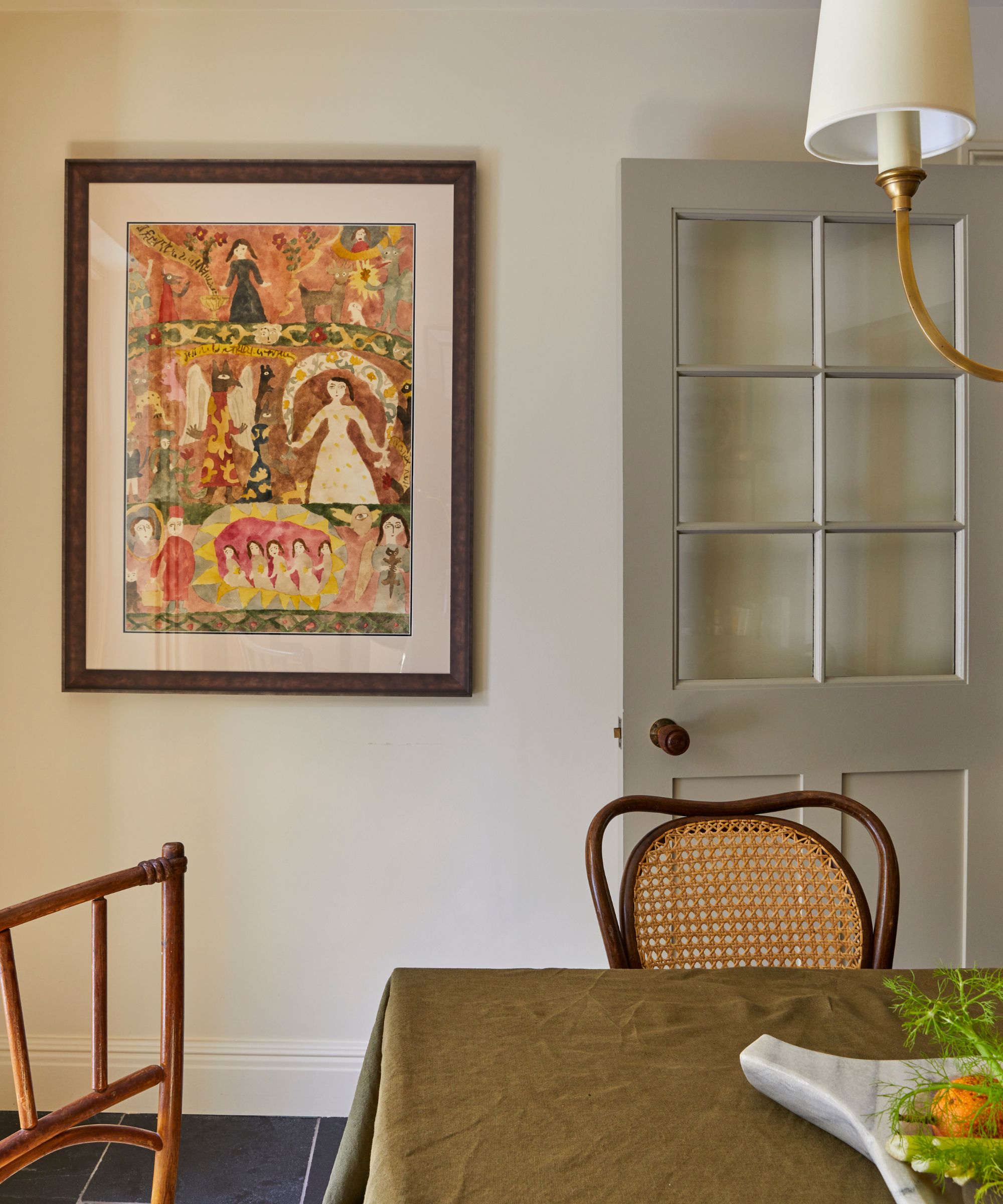
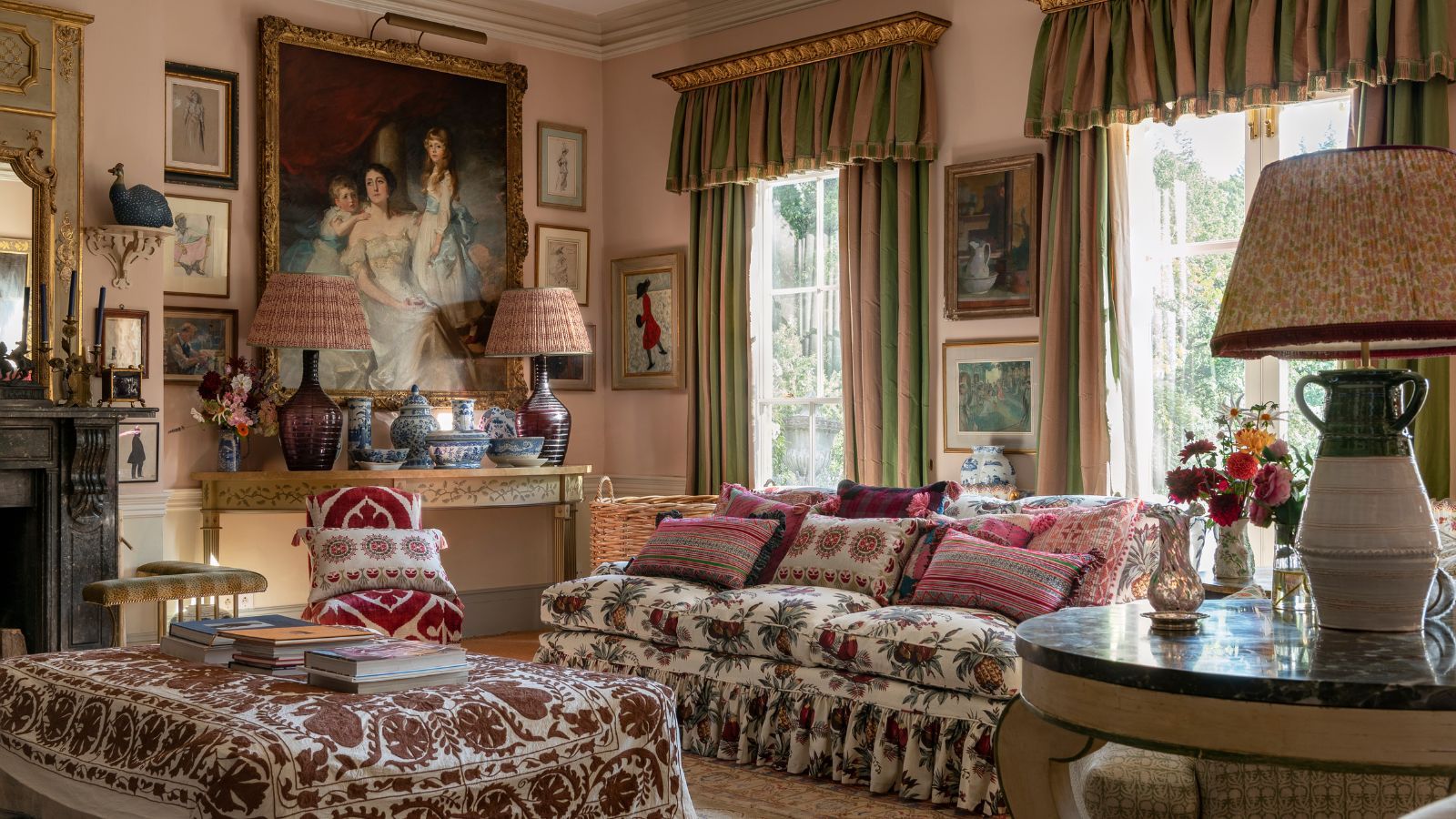
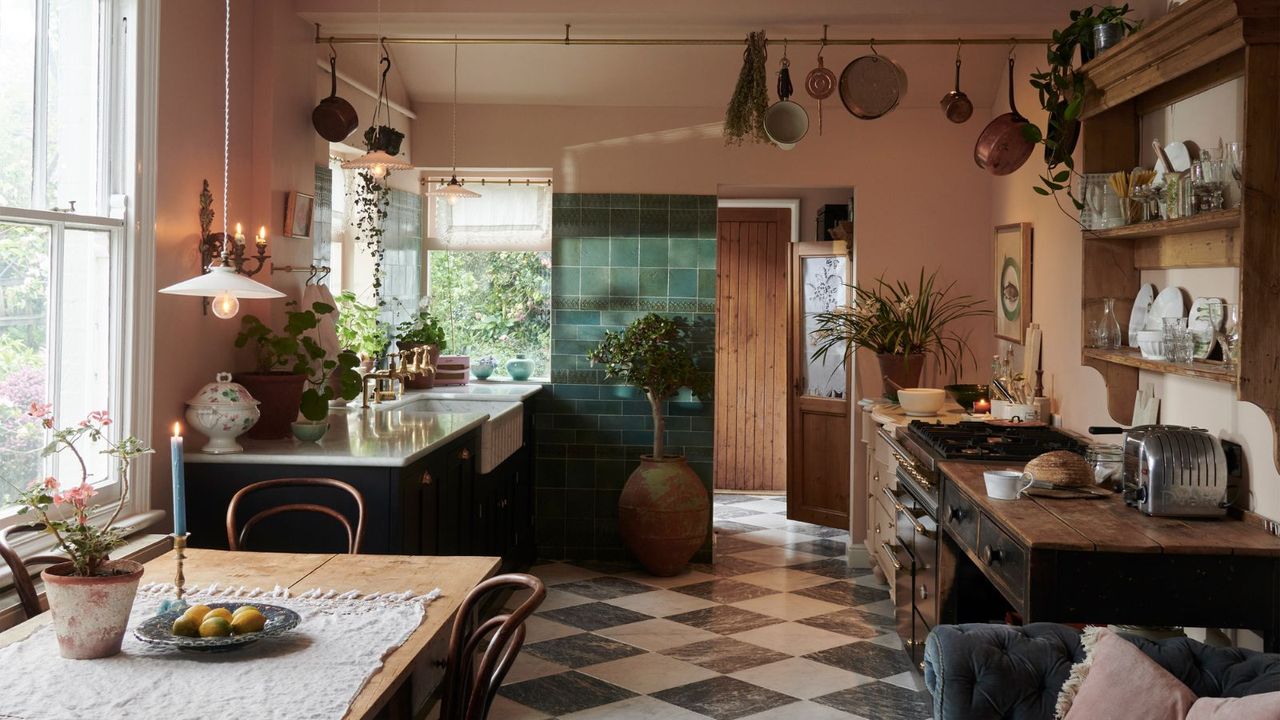
A cozy corner that's perfect for resetting, this charming dining room comes to life through its lived-in details, from the folk art to the antique furniture.
(Image credit: Future)
Bettina Kapare, Swedish interior designer based in the French Alps, says, 'Fika, I believe, is less about the perfect setting and more about granting yourself the time to slow down, something increasingly rare in modern life.'
Using a cozy corner in her favorite local hotel as inspiration, Bettina explains, 'A quiet spot layered with cushions and throws, potted greenery on the sill, interior books and magazines within reach, soft jazz in the background, and candles glowing softly. I would finish the space with a Georg Jensen press pot and a Royal Copenhagen letter mug for a quietly personal touch.'
Charlotte Bergendal, interior designer at Creative Living, adds, 'A cozy Fika nook is not about trends. It’s about a place you want to sit down and stay for a while. It should feel warm and inviting, almost like the feeling of your grandmother's summer kitchen... old coffee cups with beautiful prints, table cloths with hand-embroidered lace, soft green and white cushions and old silver spoons lying on top of mismatched fabric napkins. It’s about the comfortable feeling, and nothing has to match.'
Fika centers around rest and recuperation, allowing you to reset your mind and enjoy the present. It's a tradition we can all learn from, whether you're designing a cozy nook or adding a little more meaning to your day-to-day.
Comments (0)