
Remember me


Pelmets are traditional features associated with classic rooms. In the past, they have often been seen as fussy details reserved for stately homes or grand spaces. However, in 2026, curtain pelmets have had a glow-up, and designers are once again turning to this once-dated feature to add character and charm to rooms of any style and size.
A window treatment idea characterized by a structured, usually upholstered framework fitted across the top of a window, pelmets can turn a window into a feature, adding shape, color, and pattern – as well as hiding curtain rods. They tap into the wider design trend of embracing more playful interior design, marking a move away from minimalist styles toward spaces filled with personality. Often, that means looking back at aesthetics we once viewed as ‘too much.’
You may like Bye-Bye Boring Drapes, The Once-Dated Trend for Luxuriously Dramatic Window Treatments Is Back – and Designers Very Much Approve
 Are Statement Details Replacing Bold Prints? Why Designers Say You Need to Try Fringe, Piping, and Contrast Edges in 2026
 The Vintage Interior Trends Designers Predict Will Define Homes in 2026
Your grandmother’s living room might once have featured a curtain pelmet, but don’t be too quick to write them off – the style is making a characterful comeback in 2026.
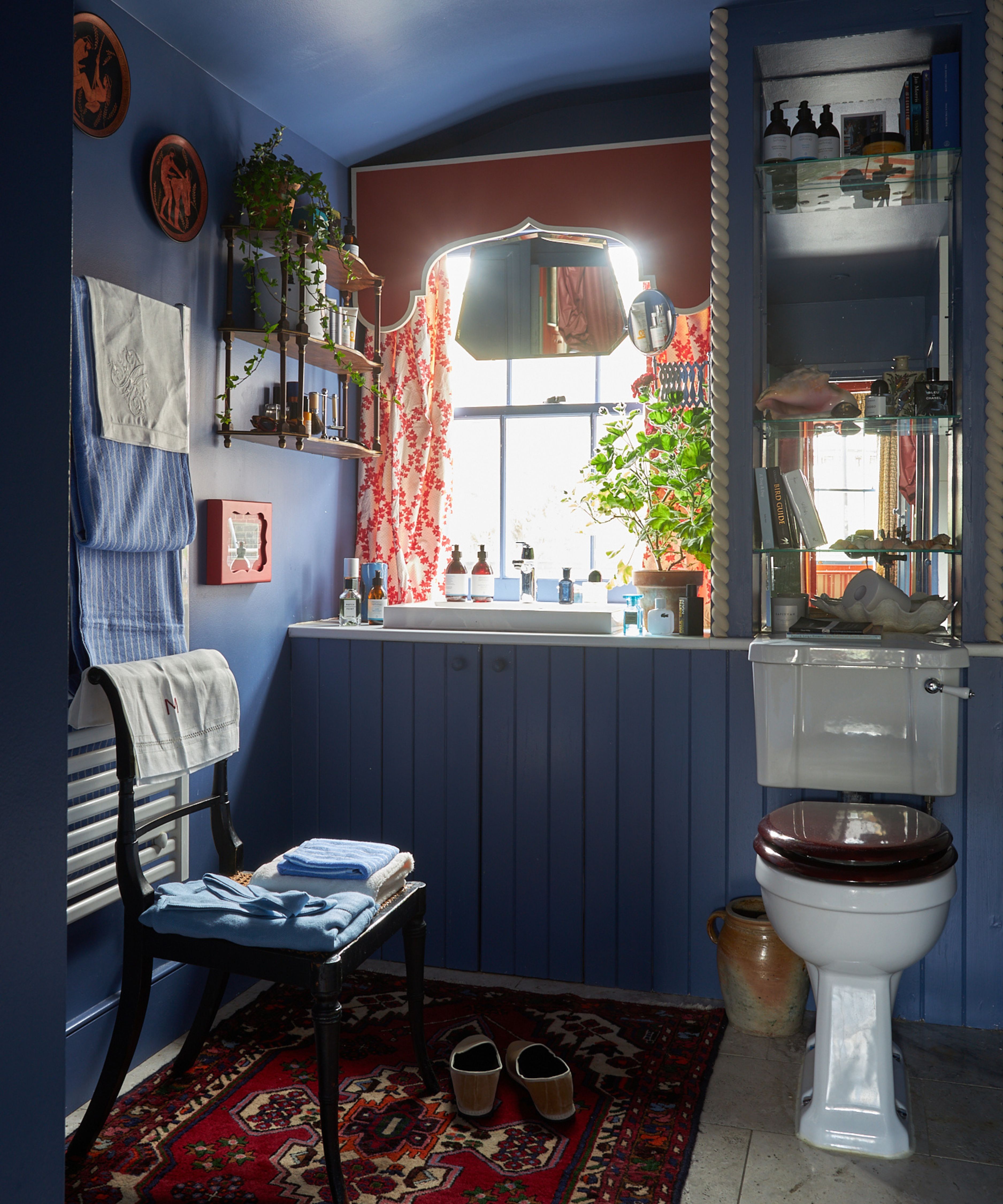
A red pelmet brings contrast and saturation to this little bathroom window, transforming it into a serene alcove.
(Image credit: Farrow & Ball)
Much like the return of bed skirts and slip cover sofas, 2026 is the year for upping the softness in soft furnishings. And curtain pelmet can be versatile too. As interior designer Uns Hobbs, who often uses pelmets in her projects, explains, 'A curved pelmet works beautifully in more ornate or decorative schemes, while a straight-edged design suits simpler, more pared-back interiors. You can also go all out with trims if you want to add extra character. Patterned fabrics, in particular, can sometimes get lost in curtain pleats, whereas a pelmet allows the fabric design to really be seen and appreciated.'
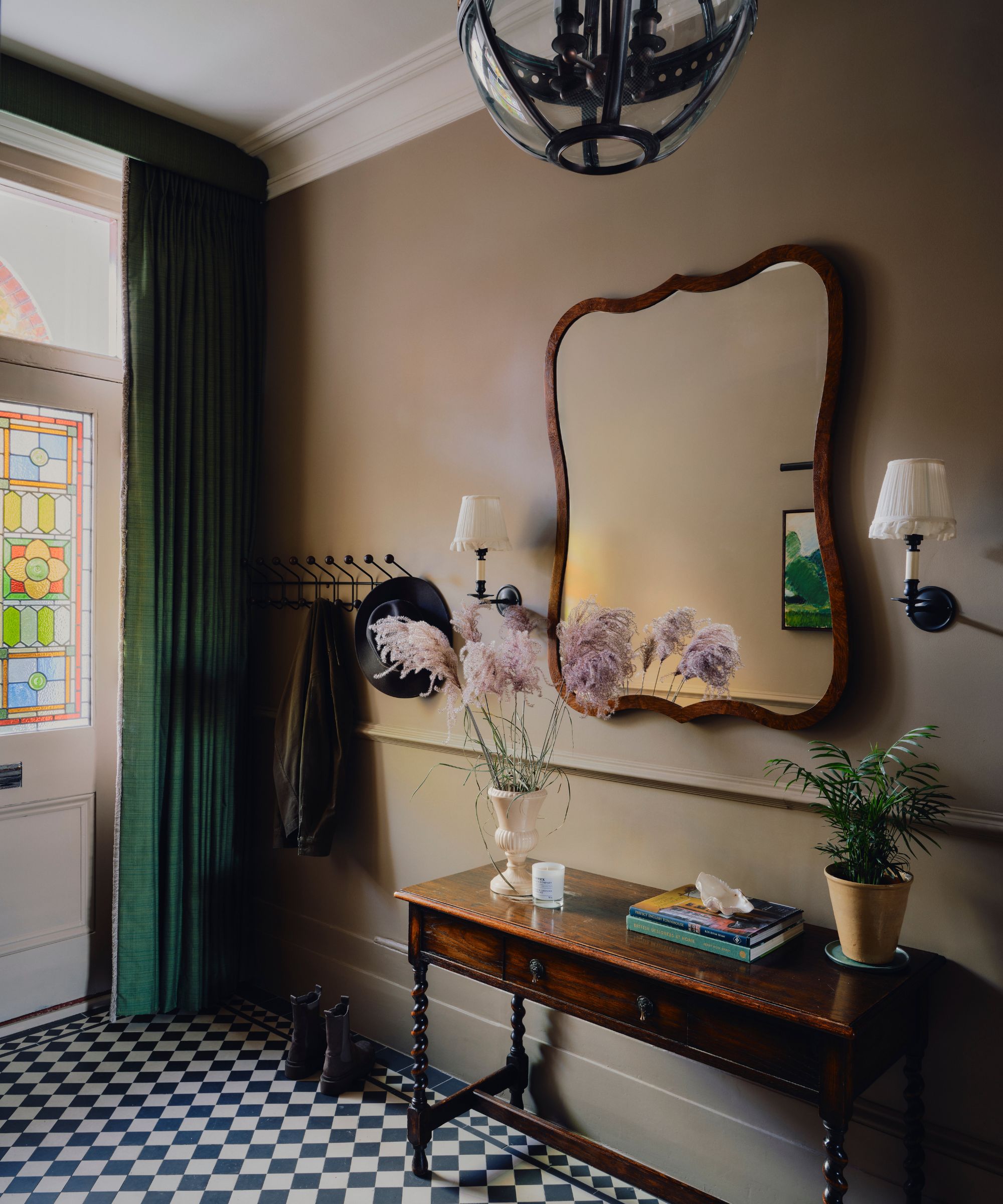
A rich green pelmet curtain transforms the door of this entryway into a luxurious statement that commands attention.
(Image credit: Uns Hobbs)
Uns added a curtain pelmet to the entryway of a recent project, pictured above, it worked both aesthetically and practically too. She explains, 'For this project, we chose to add a pelmet to bring a sense of drama to the entrance. It felt more decadent and luxurious to showcase a greater expanse of the green fabric, rather than relying solely on curtain pleats.'
'There was also a spatial challenge,' she continues. 'A standard curtain pole would have looked awkward against the cornice, and we were short on space. A pelmet became the most natural and elegant solution. We worked closely with our curtain makers, who carefully templated around the cornice so the pelmet could sit flush and feel fully integrated into the architecture.'
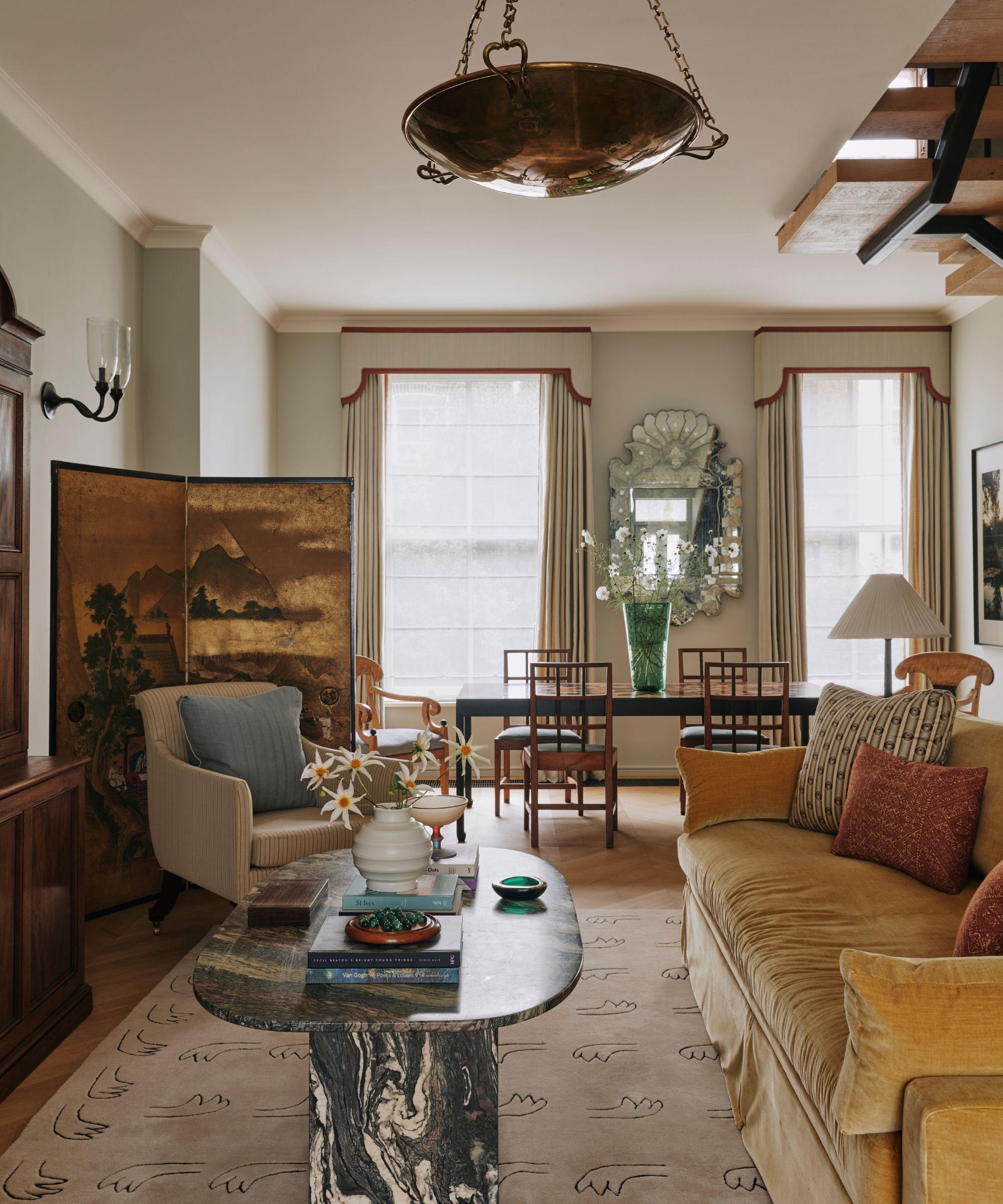
The neutral pelmet curtains delicately frame the tall windows in this living room, adding a soft layer to the space.
(Image credit: Chris Horwood / James Mackie)
While a full, fabric curtain pelmet made from a loud floral jacquard might have been the go-to choice in the 1970s (alongside avocado bathrooms and far too much carpet), they can come in more structured, sleeker forms as seen in this transitional living room, designed by James Mackie.
He explains, 'The room here had very little in the way of architectural detailing, and these box pelmets trimmed at the edges for emphasis answer this issue, creating a focal point on the principal sight line in the room and bringing a sense of definition to the space.'
The pelmets bring subtle softness and whimsy to a room that's layered with rich textures and tones, quietly enhancing the architecture without overwhelming the space.
You may like
Bye-Bye Boring Drapes, The Once-Dated Trend for Luxuriously Dramatic Window Treatments Is Back – and Designers Very Much Approve
Are Statement Details Replacing Bold Prints? Why Designers Say You Need to Try Fringe, Piping, and Contrast Edges in 2026
The Vintage Interior Trends Designers Predict Will Define Homes in 2026
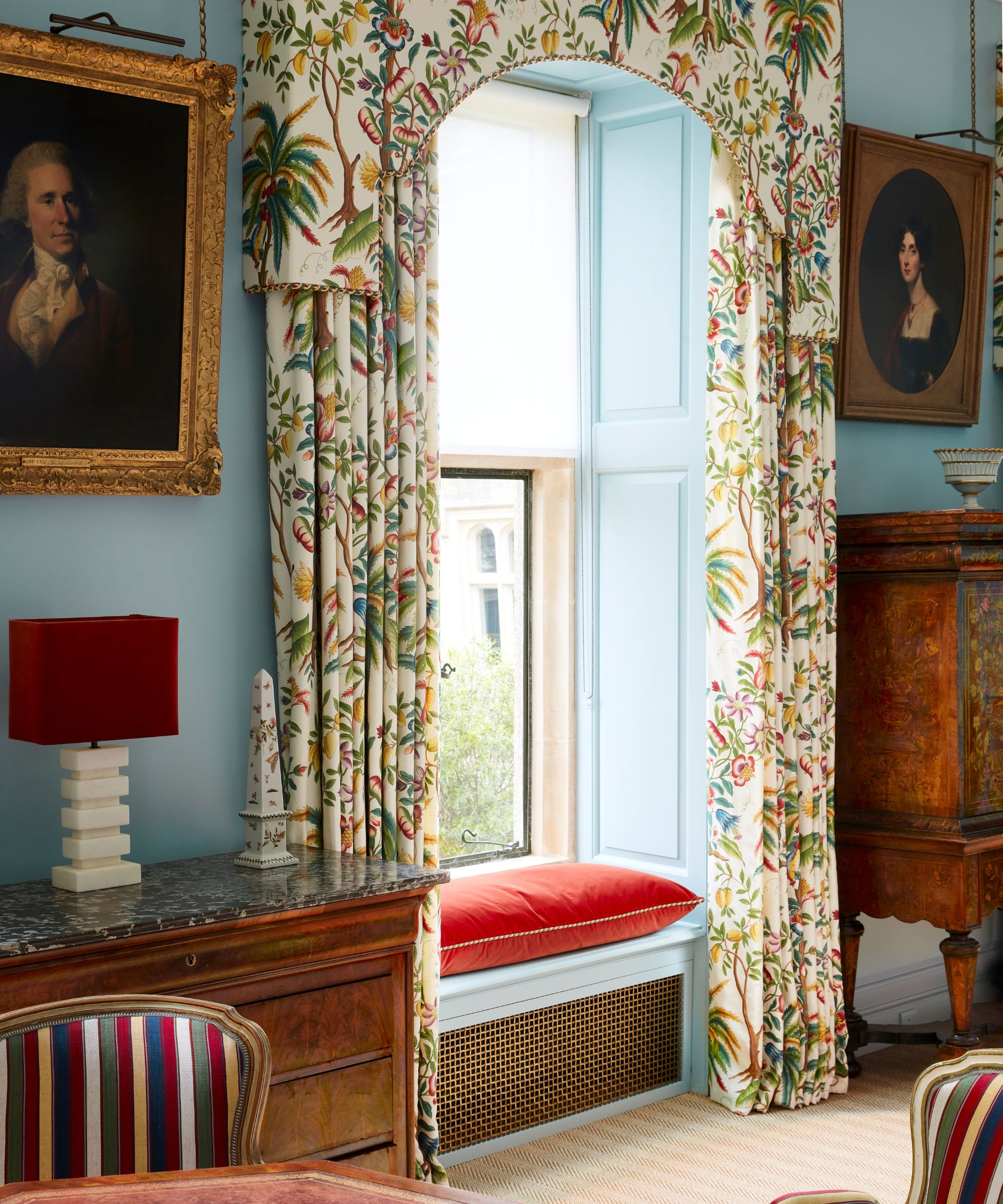
A pelmet curtain made from a striking floral fabric brings whimsy into this traditional drawing room, transforming the window seat into an eye-catching focal point.
(Image credit: Matt Clayton)
Interior designer Elizabeth Stanhope knows a thing or two about breathing life into historic buildings, often using pelmets to add a traditional elegance to her designs. 'They add softness without fuss,' she explains, referring to a past project. 'We wanted warmth and texture, but not overly decorative window treatments. A pelmet lets the curtains fall cleanly while still adding a layer of softness.'
'Supporting the overall design language. The pelmet helps the window feel integrated into the room’s architecture rather than like an afterthought. Especially in more tailored or contemporary schemes, that cohesion matters.'
Sharing her curtain tricks, Elizabeth suggests, 'Mount a pelmet high and wide. Take it closer to the ceiling and extend it beyond the window frame so the curtains can stack back fully. This makes the window feel taller and more generous.' She adds, 'Align with other elements. If you have cornices, ceiling lines, or joinery, line the pelmet up with those so it feels built-in rather than added on. The deeper the pelmet, the more formal it feels. In smaller rooms, a shallower pelmet avoids visual heaviness.'
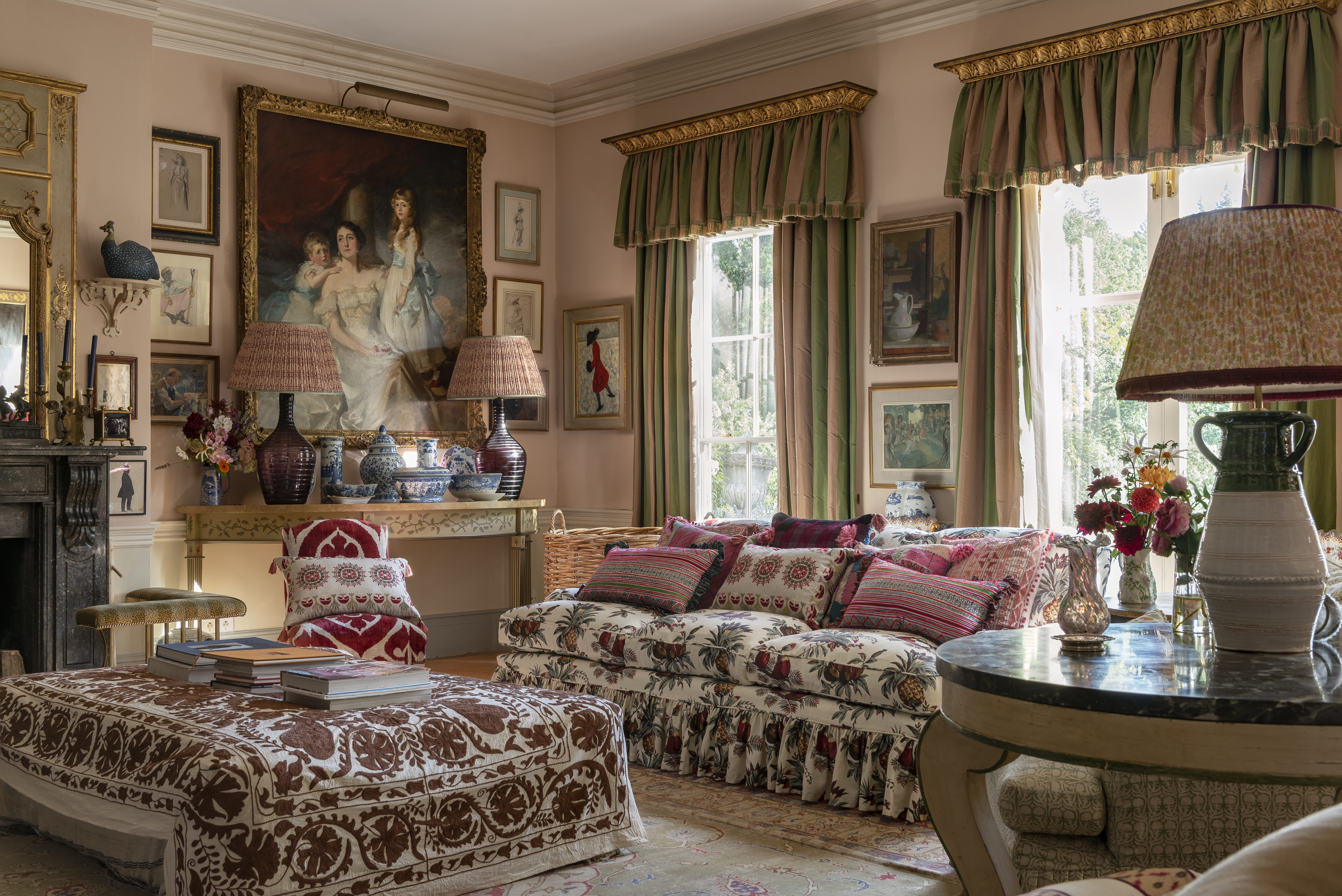
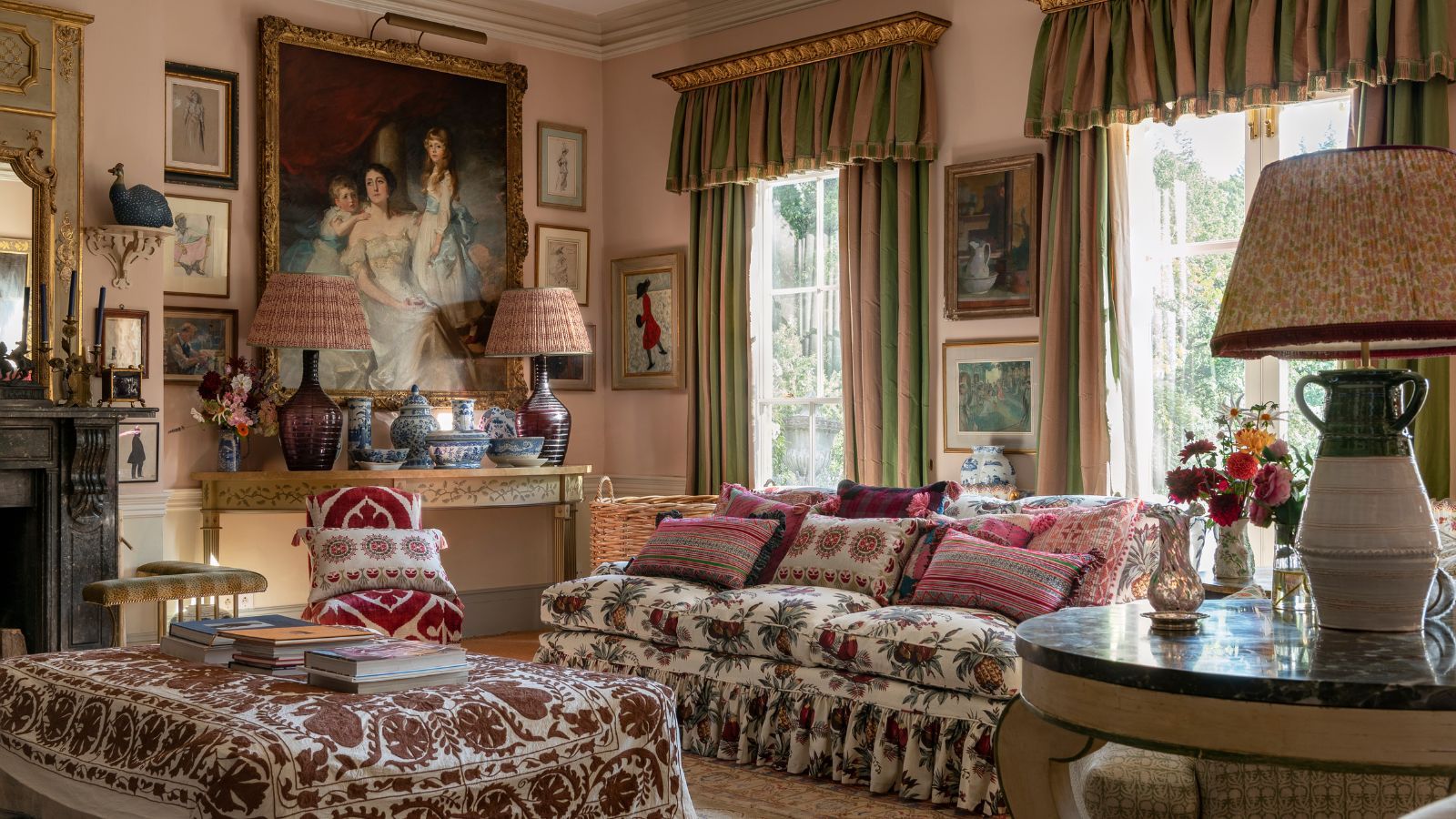
Striking striped pelmet curtains couldn't be more fitting in this traditional living room, adding a sense of whimsical romance to the historic space.
(Image credit: Penny Morrison / Mike Garlick)
A long-established textile designer who's created curtain pelmets for plenty of interior design projects, Penny Morrison opted for traditional living room curtains to create unity in her design. 'In this instance, we wanted to create a balance between the ruffled sofa skirt and the top of the curtains – the windows are quite tall, and because we were using a stripe for the curtains, we didn’t want to elongate the windows too much. The addition of the pelmet ‘finishes’ the room at a nice height, and as it’s in the same fabric as the curtains, it allows both continuity and a cut-off point.'
Penny adds, 'Whilst the bottom of windows, i.e., windowsills, can be dressed or decorated to soften or blur edges between interior and exterior and hide any annoying window workings, or fiddly bits, often with the top of a window, you don’t have that option available to you. This is where a pelmet can add a pretty and decorative ‘divider’ between wall and window, especially if you have some decorative moulding or woodwork to add in.'
Shop Chic Curtain PelmetsWhile you can go bespoke with pelmet designs, one advantage of this once-dated detail making a comeback is that you can now find DIY pelmets and curtains with a built-in pelmet effect at plenty of stores – and at a great price point.
Curtain pelmets will always inject character into a room, whether you opt for a structured box-frame design or something softer and less formal. Penny suggests, ‘There is a wide range of pelmet styles available nowadays – decide whether you want something structured and modern, understated and relaxed, or decorative and flouncy. The type of fabric will also help you decide – plain or patterned – and the use of trim, decorative tapes, tassels, and so on can underpin the overall look you are going for.’
Comments (0)