
Remember me
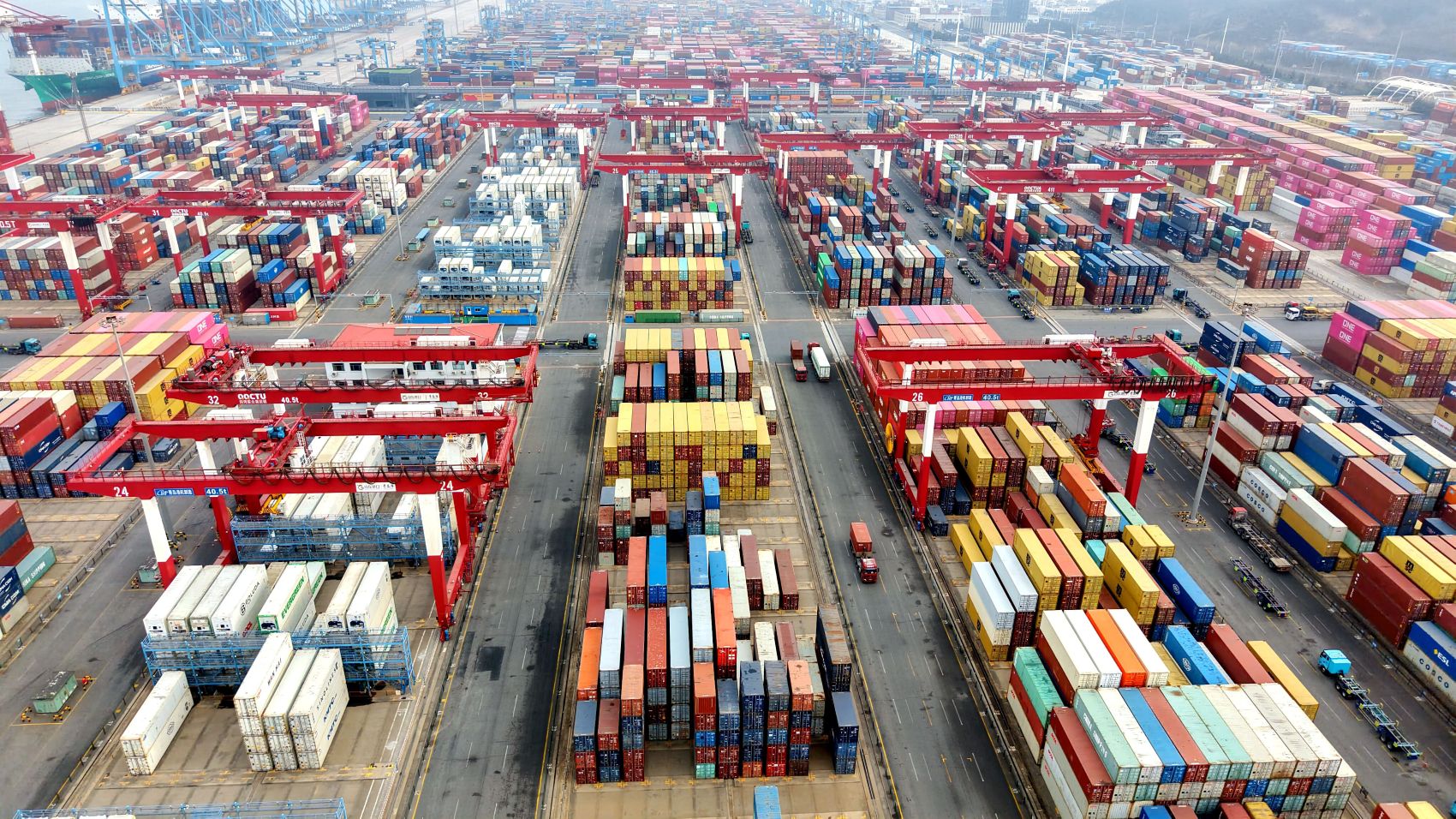
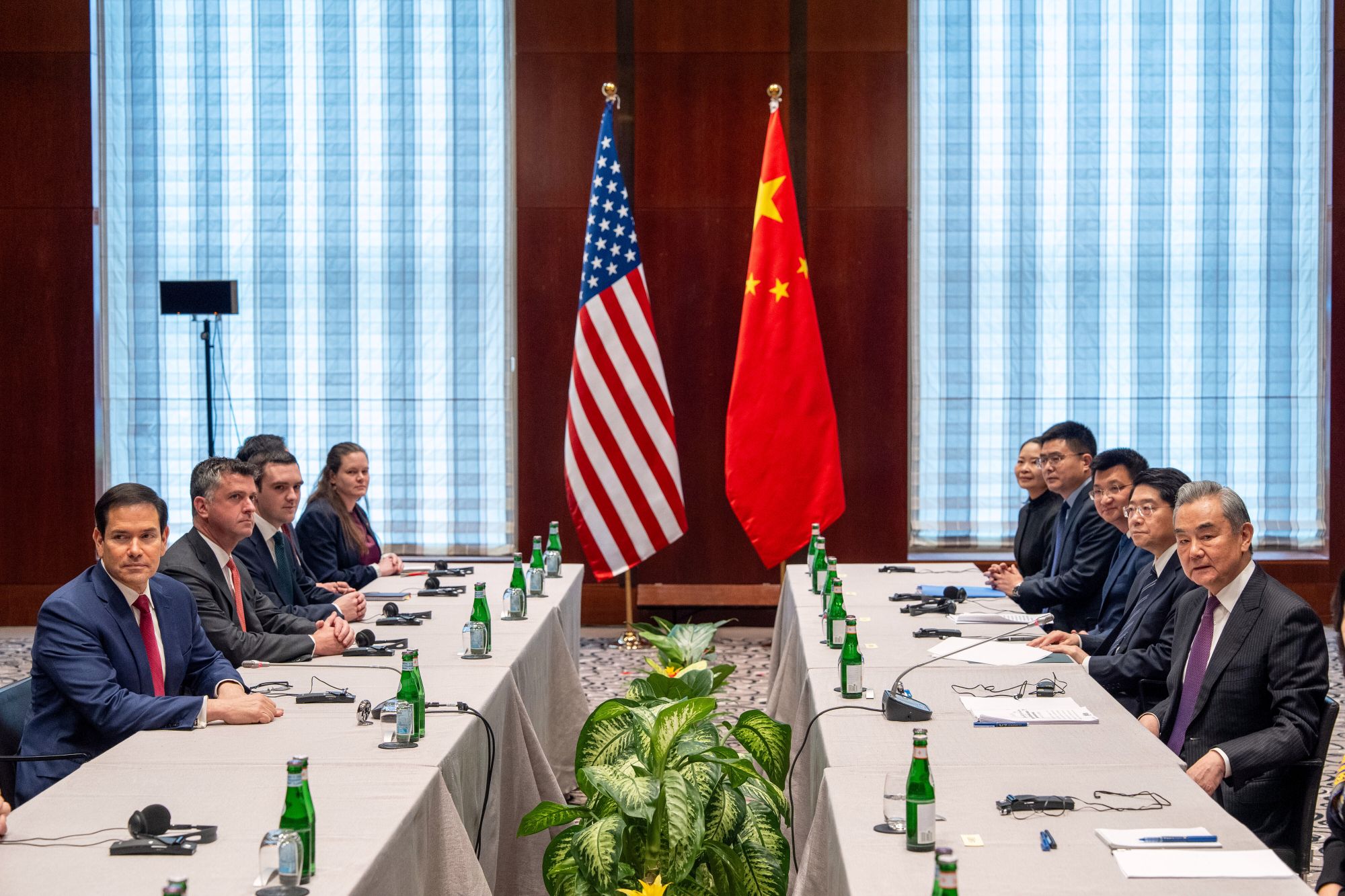

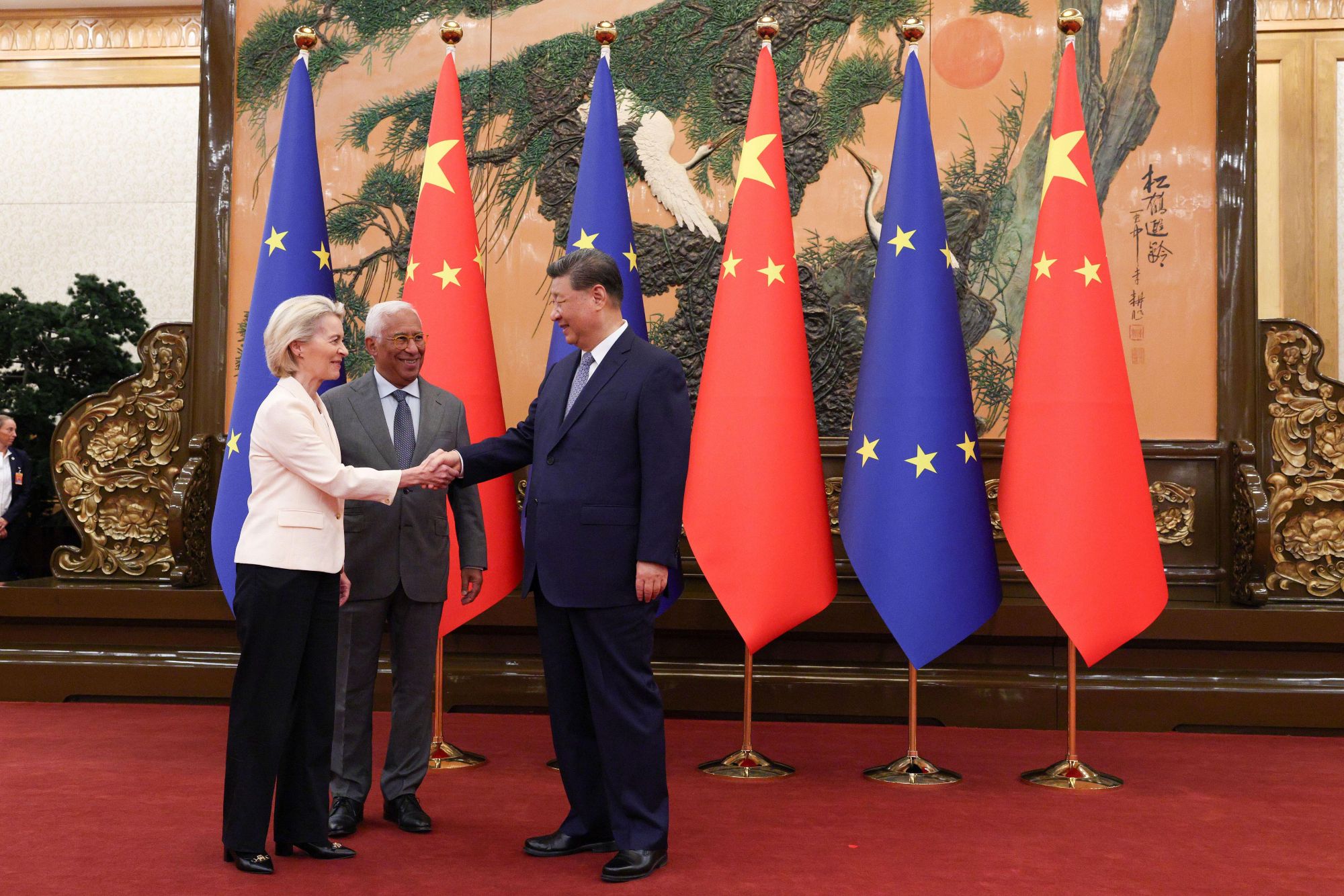

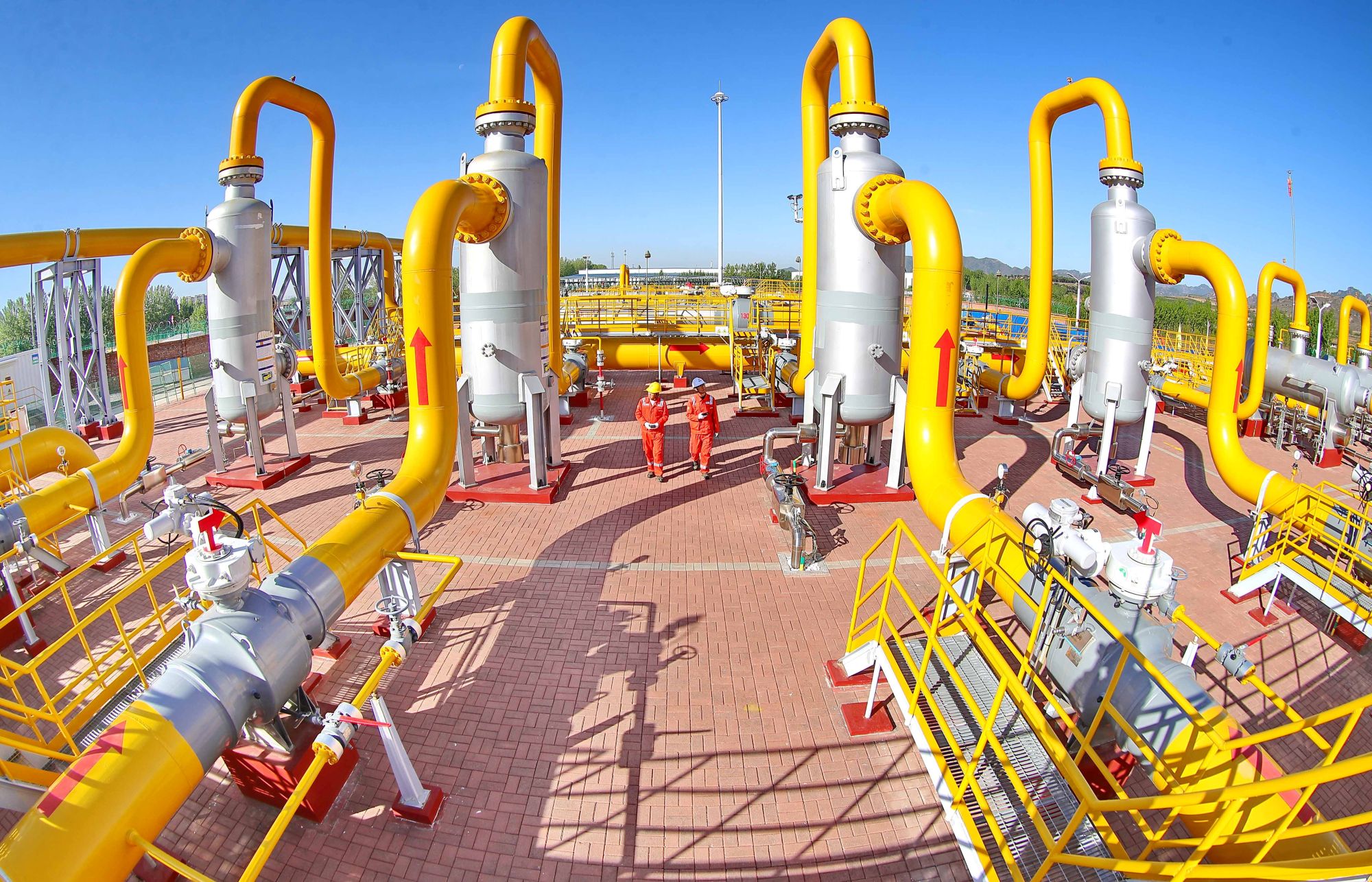
In 2024, the three key fossil fuels – crude oil, hard coal and natural gas (supplied via pipelines and as LNG) – accounted for two-thirds of Russia’s total exports to China, amounting to USD 85 billion. Chinese purchases became a crucial source of funding for Russia’s war machine after most Western markets closed themselves off to its energy resources in late 2022. Since then, China has purchased nearly half of all Russian hydrocarbons sold abroad. India has also emerged as a major buyer, accounting for around one third of Russian oil exports.
Without China’s willingness to increase its imports, Russia would have faced the need to make more substantial production cuts, affecting budget revenues, the financial performance of energy companies and the economy as a whole, as the so-called fuel and energy complex accounts for 20% of Russia’s GDP. Moreover, in 2024, tax revenues from the extraction and export of resources by oil and gas companies reached 11.1 trillion roubles, representing 31% of total federal budget income.
In the context of Russia’s rising spending on its war effort, maintaining a steady stream of export revenue is of vital importance to the Kremlin, particularly as it ensures the inflow of foreign currency. Taxing the energy sector also allows the government to avoid shifting the costs of the war directly onto the population. Fearing public discontent, it is seeking to mitigate the impact felt by Russian citizens.
However, it is important to note that the export of individual hydrocarbons differs in terms of their political and economic significance. Crude oil sales are an indispensable source of federal budget revenues, while gas exports carry substantial political weight since they can be used as a tool to exert pressure on third countries. In contrast, hard coal exports are relevant only from the perspective of that industry and a handful of Russian regions, generating limited profits.
For China, Russia is the largest foreign source of fossil fuels, but Chinese energy imports remain diversified and their role is rapidly diminishing as the country advances its green transition. In 2024, crude oil, natural gas and hard coal imported from Russia accounted for 20%, 23% and 25% of China’s total imports of these resources, respectively. However, when domestic production is taken into account, Russian supplies covered only a small share of China’s overall demand, ranging from just a few to a dozen or so per cent.
Amid growing concerns over potential disruptions to maritime routes due to armed conflict and increasingly frequent shipping interruptions – from the ‘Ever Given’ incident in the Suez Canal to Houthi attacks in the Red Sea – overland routes are gaining prominence as more stable and secure alternatives to maritime transport, which is more vulnerable to hostile actions. However, the Chinese government’s priority is to expand domestic energy sources rather than to increase imports from the relatively reliable Russian direction. This policy reflects Beijing’s simultaneous pursuit of several objectives: enhancing self-sufficiency, accelerating technological development and industrial modernisation, and stimulating economic activity.
The electrification of additional sectors of the economy, including transport, combined with slower GDP growth in recent years, has reduced China’s demand for fossil fuels. Electricity, produced almost entirely from domestic sources such as coal and renewables, already accounts for around 30% of China’s final energy consumption, compared to just over 10% in the early 2000s. This share now exceeds that of both the United States and the European Union. The domestic production of fossil fuels is also steadily increasing, covering over 25% of China’s oil demand, around 60% of its gas needs and more than 90% of its coal consumption.
Continue reading the analysis on the website of the Center for Eastern Studies (OSW) here.
This analysis is part of the China-Russia Dashboard, a collaborative research effort of the Centre for Eastern Studies (OSW), MERICS, and the Swedish National China Centre (NKK) and Stockholm Centre for Eastern European Studies (SCEEUS) at the Swedish Institute of International Affairs (UI). Explore the project here.
Comments (0)