
Remember me





The 21st century is undergoing a new industrial revolution in which the fuel that powered the last one is being gradually replaced by electricity. The process is expected to take several decades but there is little doubt about the direction of travel.
As a result, and also because of the extraordinary technological revolution sparked by artificial intelligence and the associated growth of energy-hungry data centres, demand for electricity is soaring.
This means the UK needs to produce vast amounts of extra electricity or it risks falling behind and becoming an economic backwater. Only last month, we reported that “100 per cent electric” rail operator Lumo had been forced to use diesel trains for its new Stirling-London services because of a shortage of power.

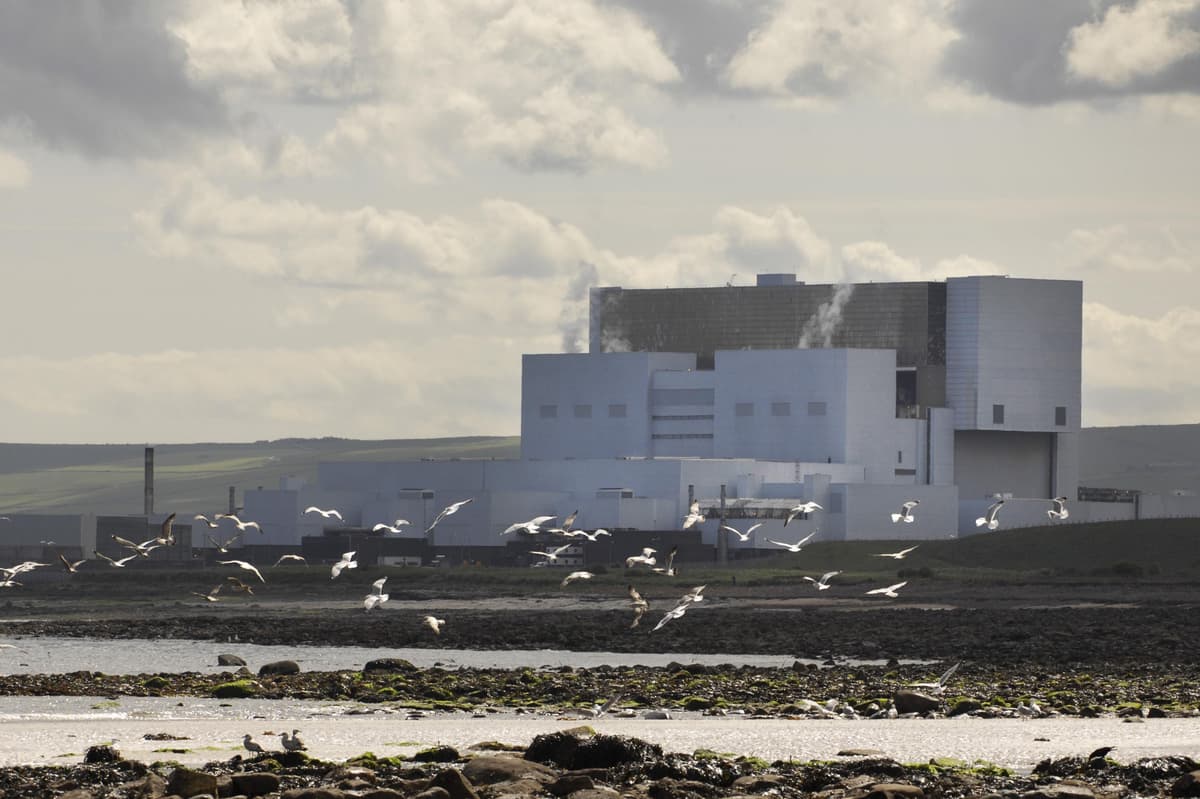
 Torness near Dunbar is Scotland's last remaining nuclear power station (Picture: Danny Lawson) | PA
5,000 lost jobs
In such circumstances, the SNP’s continued opposition to nuclear energy is baffling. Nuclear power plants are not zero carbon but they are low carbon and can help deliver net-zero. They are also a useful source of baseload electricity that can compensate for the intermittency of renewables.
Furthermore, the industry provides well-paid employment to thousands of people. As we report today, according to the Nuclear Industry Association, if Scotland’s civil nuclear industry had grown at the same rate as England’s over the past decade, we would have seen the creation of about 5,000 extra jobs.
Instead, Tom Greatrex, the association’s chief executive, said the SNP had made “a deliberate choice that is accelerating industrial decline and sacrificing thousands of skilled nuclear jobs on the altar of ideology”.
As the SNP clings stubbornly clings to the politics of the past, many environmentalists once opposed to nuclear now recognise it is necessary as part of the energy mix,
The experts at the International Energy Agency certainly do. Last week it published a report detailing the rapid growth of demand for power around the world “as the Age of Electricity gathers pace”. It predicted half the world’s electricity will come from either renewables or nuclear by 2030, with the latter “regaining strategic importance in many advanced economies”.
Scotland is an advanced economy. The question is whether it will remain one.