
Remember me

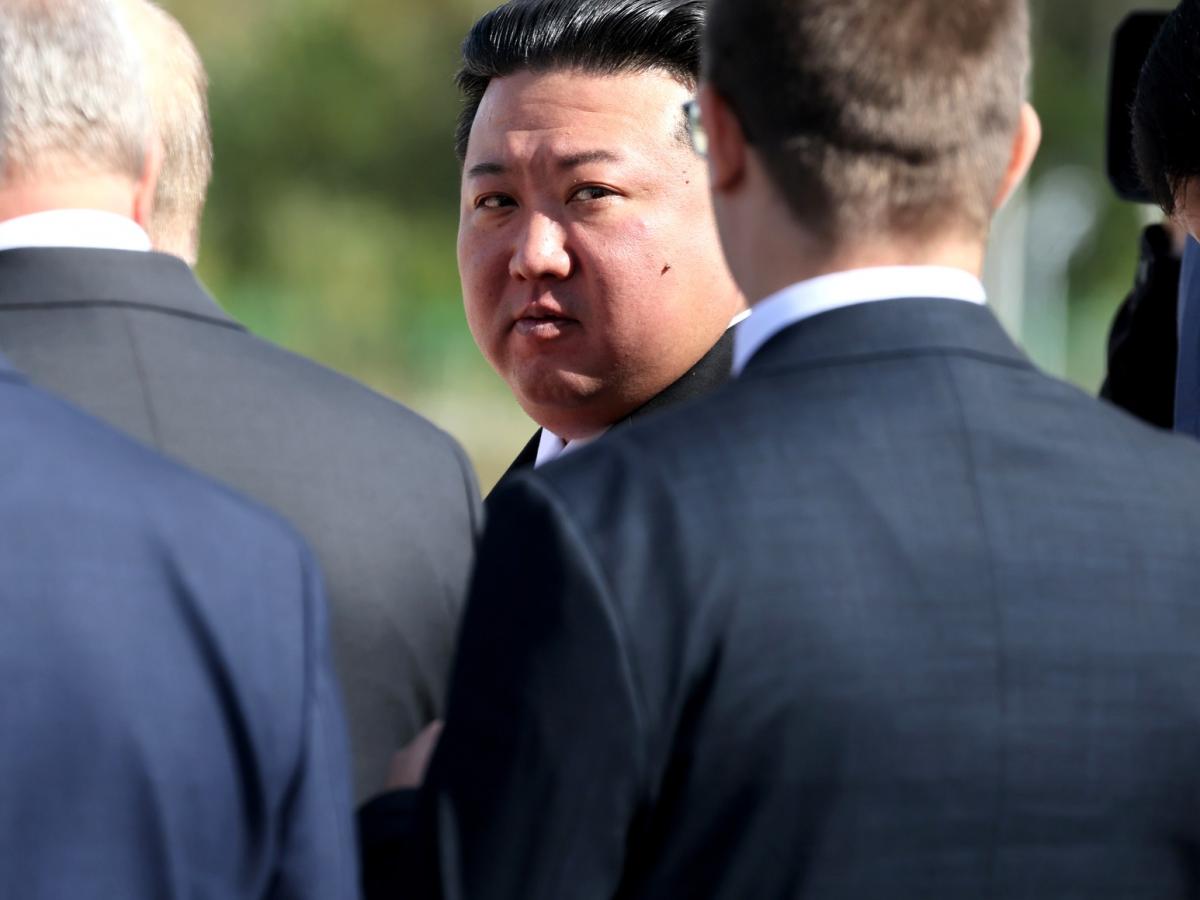





At first glance, Donald Trump's administration appears victorious. Countries comply with US demands in negotiations that undermine their sovereignty, while dissenters face severe sanctions or leadership changes through force. Exceptions exist, such as North Korea, but only temporarily.

Photo: Vadim Savitsky
USA flag
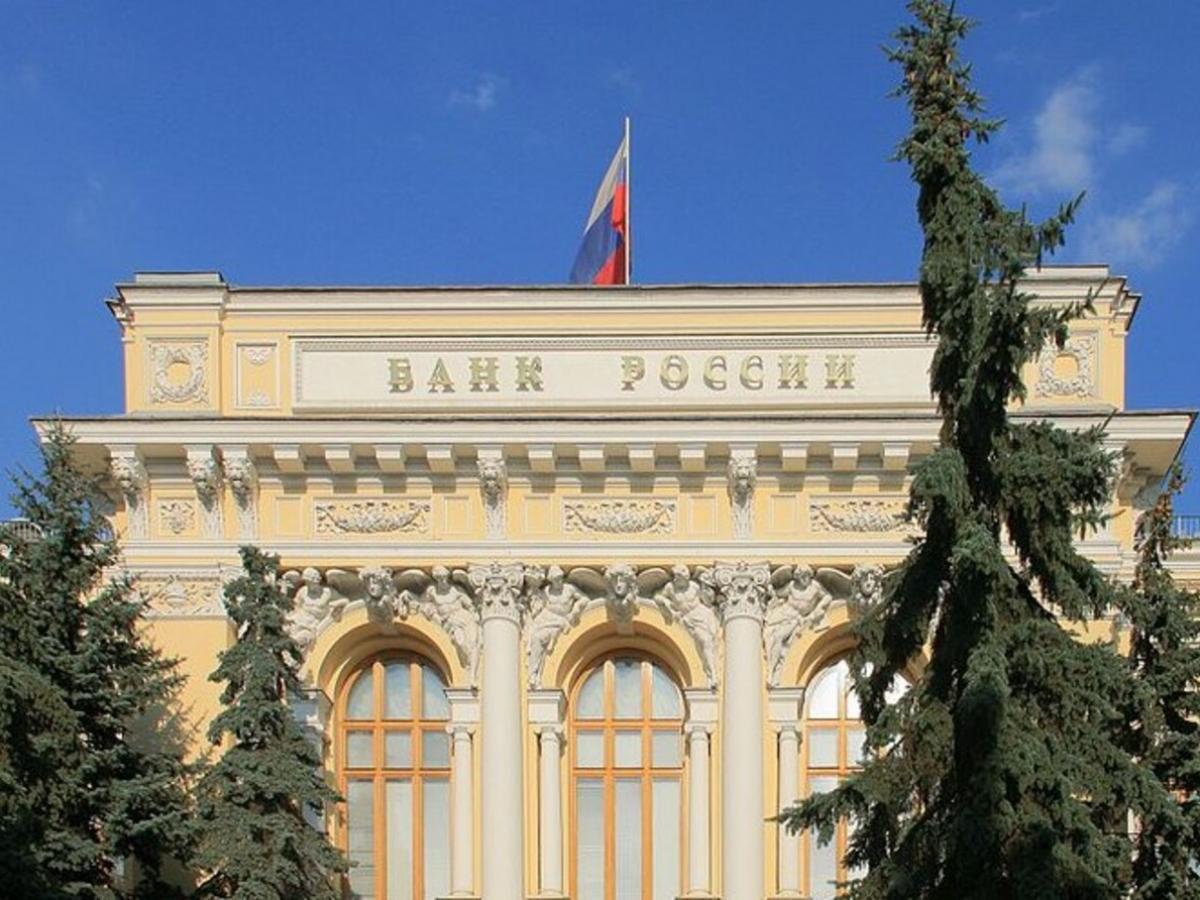
In Ukraine, pressure is applied to both sides to "force peace" by creating unbearable conditions. Aid to Ukraine is cut, elections and referendums are pressured, the US-structured IMF mandates tax increases, and Ukraine's resources are effectively controlled by Washington. Russia, meanwhile, faces sanctions targeting major sectors. By late 2025, blocking sanctions affected key budget contributors such as Rosneft and Lukoil, and Starlink was disconnected to limit Russian Armed Forces communications support. Agreements reached in Anchorage were abandoned.
The ultimate result, if successful, would likely freeze the conflict rather than resolve it. Any perceived military "triumph" for Trump is temporary, symbolic, and does not produce lasting peace. The administration faces domestic criticism for "useless bloodshed" in Ukraine and potential betrayal of national security interests.
Europe and the Risk of US IsolationTrump's conflicts extend beyond active combat zones. Persistent pressure on allies over territorial claims (Greenland, Canada) and tariffs pushes them to seek alternatives with China and India, accelerating BRICS and SCO consolidation. India, long dormant in BRICS, advocates expanding trade in national currencies to reduce dependence on US sanctions. The EU, with its free trade agreement with India, is expected to join this system.
Without Europe as an ally, the US risks becoming just one of many competing players in a multipolar world. Short-term influence may be achieved, but the long-term status of "indispensable nation" erodes as other countries adapt independently of US institutions and rules.
Domestic Vulnerabilities in the USDomestically, Trump's "dominate all” strategy faces the main threat of national disunity amid a declining middle class. Disagreement over elections, news, migration, corruption, and other political divides paralyzes legislation and governance, making national problem-solving impossible. The national debt, exceeding $34 trillion, is seen by many as a silent threat capable of weakening US power without a single shot.
"If you sit long by the river, you may see the corpse of your enemy float by," a Chinese proverb notes, illustrating the strategic patience of thinking nations.The lesson for other nations is clear: publicly praise Trump's achievements, but quietly pursue independent policies.
Comments (0)