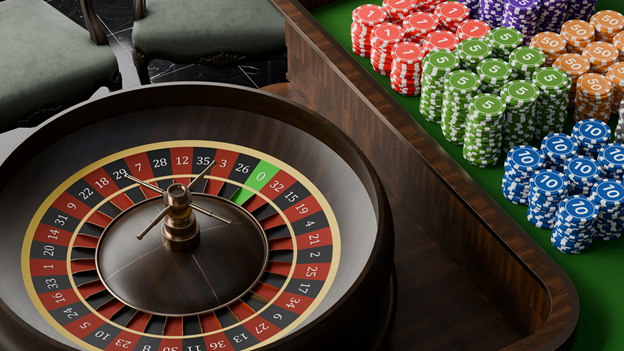
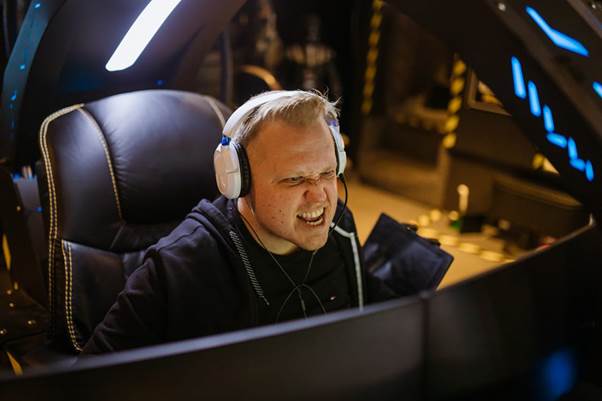
Competitive gamers spend thousands of hours perfecting their craft, studying opponents, tracking game updates, and making split-second calls under pressure. These skills translate surprisingly well beyond tournament play. The same mental models that separate amateurs from pros can reshape how someone approaches casino games, particularly when it comes to understanding RTP rates, bonus mechanics, and bankroll discipline. What looks like pure chance from the outside often benefits from the same structured thinking that drives esports success.
Building Your Game Roster
Esports teams don't throw together random players and hope for the best. Coaches evaluate individual strengths, communication styles, and how different roles complement each other. The same logic applies when selecting which games to play during a casino session.
Think of game providers as your roster picks - some specialize in high-variance titles with massive potential payouts but long dry spells, while others focus on steadier, lower-risk options. Pairing a high-volatility game with a lower-volatility alternative creates balance - similar to how a team might draft aggressive playmakers alongside defensive anchors. Tracking how different providers perform over time gives you data to work with, much like reviewing player statistics before tournament matches.
Finding the Right Version
Not all versions of the same game pay out equally. Providers like NetEnt often release multiple RTP configurations, and casinos choose which version to host. This variability mirrors patch updates in competitive gaming, where small changes can shift entire metas overnight.
How to respond? Browser extensions and tracking tools can identify which vetted CA casino slots run at 96% RTP versus 94% - similar to how esports databases track win rates across patches. Logging this information helps you spot favorable conditions before committing funds, treating casino configurations like meta shifts that smart players exploit while others sleep on the changes.
Professional gamers obsess over patch notes because understanding current optimal builds separates winners from also-rans. The equivalent in casino play involves RTP hunting, which means identifying games and versions currently offering better mathematical edges.
When a popular slot's RTP drops due to casino reconfiguration, that's your signal to switch - just as competitive players abandon nerfed characters. Real-time tracking turns vague hunches into actionable intel. Community forums and extension tools function as your replay analysis, showing which games currently reward players most consistently based on aggregated data.
This approach doesn't guarantee wins, but it does ensure you're playing in favorable conditions when variance allows. Over hundreds or thousands of spins, these percentage point differences compound significantly - much like how slight win rate advantages translate to rank climbing over time.
Making High-Pressure Calls
Tournament-defining moments in esports come down to resource management. Do you burn your ultimate ability now or save it for the next fight? These decisions require calculating expected value against the current position.
Bonus buy features in slots present similar trade-offs. Some games let you purchase direct access to bonus rounds rather than waiting for random triggers. If a bonus buy costs 100x your bet but the feature's RTP is lower than base game spins, you're making a negative-value play despite the immediate gratification. High-volatility features demand bigger session bankrolls to absorb swings - just like aggressive team compositions need early leads to justify their fragility.
Session Discipline and Bankroll Rules
Esports professionals track every match, reviewing performance metrics to identify tilt patterns and optimal play windows. Casino sessions benefit from identical rigor.
Unit betting systems work by allocating 1-5% of the total bankroll per session. A $10,000 bankroll might translate to $100-500 units per game, allowing 20-100 sessions before depletion, even during extended losing streaks. Stop-loss limits prevent emotional spiraling - setting a hard 20% session loss cap means walking away after dropping $2,000, regardless of how close you feel to a turnaround. Win goals work similarly, banking 20-30% gains before variance reverses.
Detailed logging completes the loop. Spreadsheets tracking RTP realized, bonus frequency, and variance patterns reveal whether your approach actually works over time - mirroring VOD analysis in competitive gaming, where footage review separates improving players from stuck ones.
Mental Game Fundamentals
Tilt destroys bankrolls faster than bad math. Esports players train psychological resilience through breathing resets and structured breaks. After three consecutive dead spins, stepping away for five minutes interrupts the dopamine chase that leads to oversized bets.
Physical cues like accelerated clicking or impulsive game switching signal tilt onset. Self-assessment questions help: "Am I reacting to emotion?" If the answer is yes, take a break or switch to lower-volatility options.
The connection between esports and casino play goes beyond surface similarities. Both demand optimal decisions under uncertainty and discipline when outcomes disappoint. Treating slots with the same respect professional gamers bring to tournaments won't eliminate variance, but it replaces random spinning with informed participation. Various gaming articles have explored how competitive mindsets reshape recreational play - for players already thinking like competitors, these parallels offer practical application beyond the tournament stage.