
Remember me









Sports involving animals are unique to the larger sport landscape because they often represent traditional practices within a formalized structure; therefore, their structures may be quite different from one another, but they do rely upon measures that can be quantified, on standard conditions, and on clearly defined regulations and/or governance oversight.
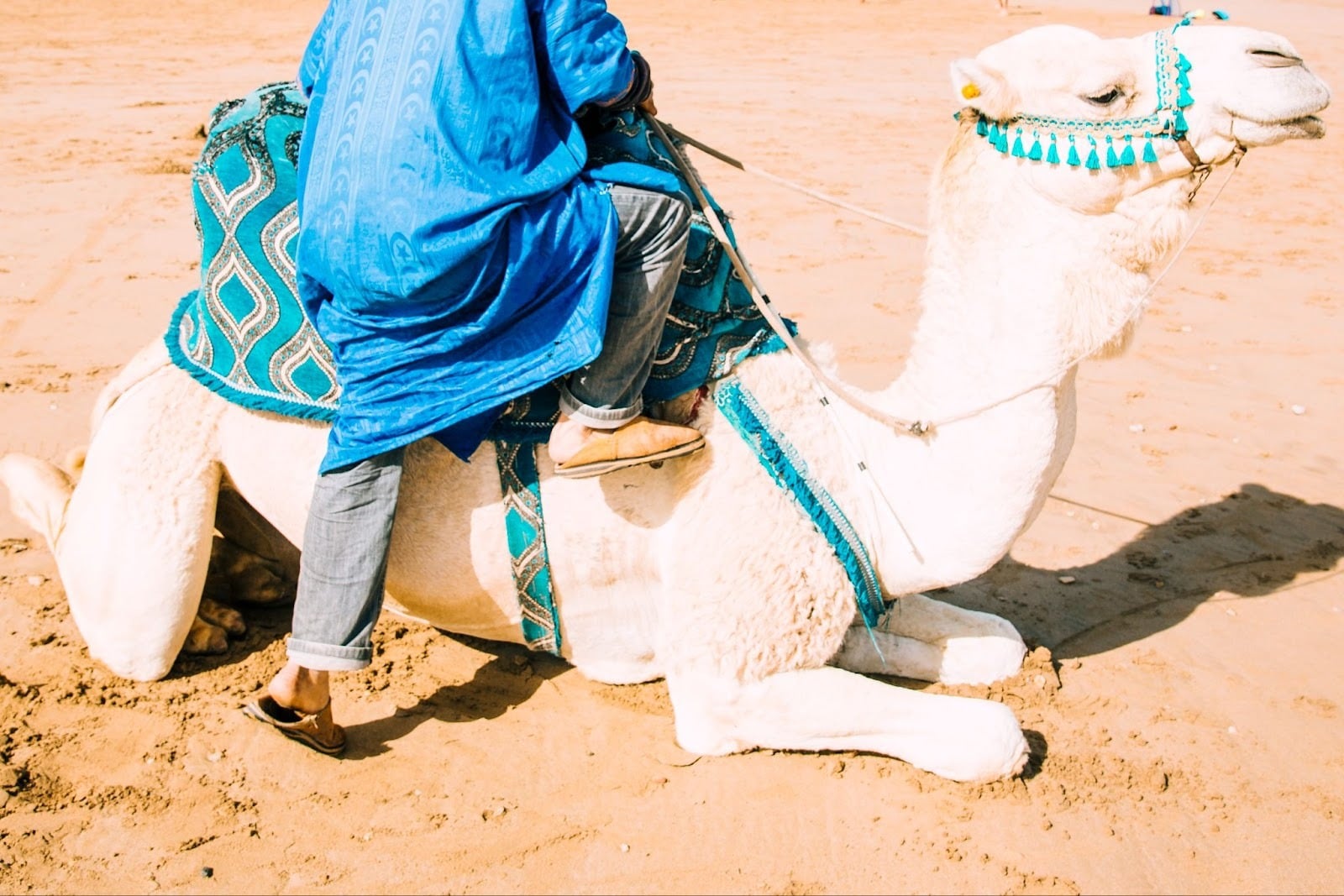
Modernizing Traditional Camel Racing using Technology and Formalized RulesCamel racing combines traditional racing methods and data-driven technology for its operations. That’s how data-driven technologies can use the structured layout of platforms like MelBet (Farsi: سایت شرط بندی) to provide a method of measuring timing grids, live metrics, and pace readings during the race that is consistent with current racing monitoring methods.
In regulated camel racing in Iraq and in other countries in the region, jockeys ride in remotely controlled jockey devices, races take place over fixed distance tracks, and camel weights are monitored with standardized weight limits. In addition, officials monitor the speed of camels in races using GPS modules attached to the saddles of the camels. Veterinary teams also conduct pre-race inspections of camel hydration levels and post-race assessments of camel recovery times to ensure compliance with animal welfare regulations.
Key operational elements Distances raced vary from 4 to 10 kilometres for different age groups. In real-time, race speed data is communicated to judges through encrypted telemetry. All participating camels are verified via a microchip prior to each race to eliminate the possibility of an owner substituting camels.Some racing authorities within the Gulf region have implemented digital timing corridors, which will eliminate human error in capturing split-times and will be in sync with the broadcast feed, allowing for accurate rankings during the high-speed finish.
 Competitive Chicken Runs and Their Structured Movement Rules
Chicken-based race events rely on controlled lanes, timed movement windows, and predictable stimulus patterns. Simple, grid-based designs found in a Chicken Game app (Farsi: ورود به سایت مل بت) parallel the linear movement patterns required to keep birds within regulated corridors.
Event organizers use narrow tracks lined with transparent barriers to limit lateral movement. Birds advance toward fixed markers, with judges recording movement intervals through overhead video. Races terminate when a bird reaches the designated endpoint or when the maximum time limit expires.
Components Commonly Used in Chicken Run Setups Chickens have barriers to keep them from moving backward, which allow chickens to move only one way at all times (one-way flow). Each judge reviews each heat on a frame-by-frame basis to see how many valid forward movements a chicken makes during each race. For the purpose of avoiding bias, the sounds made by the system to track the movement of the chickens must be the same in each heat.Because of their simplicity, chicken run races provide the ability to measure with accuracy the distance a chicken travels, the speed of the chicken, and the reaction time of the chicken. Typically, regulatory committees, as a result of this, request that racing conditions are low stress, and they do not permit the use of force accelerators or abnormal stimuli.
Standards for Pigeon Racing Using Real Time Tracking MethodsIn pigeon racing, there are standard release locations, timed releases, and exact distances between the release location and the finish line for every pigeon. Each pigeon is fitted with an RFID ring to record its flight time when it passes over automated antenna pads along the flight path. In addition to recording the pigeons' flight time, weather data (including wind direction), and altitude readings are used in assessing each pigeon's performance after the race to ensure fairness among clubs.
Many Iraqi racing organizations have developed transparent rules books regarding the minimum rest period, feed cycle, and required health check for each bird prior to competition. In addition, each bird must pass a preflight wing score assessment to verify that the bird's wings are free from injury and capable of producing enough lift to complete the race without any adverse effects on the bird's flight capabilities. The data collected from each flight log is recorded for possible future audit purposes.
Sample table: Comparison of timing technologies TechnologyPrimary FunctionAccuracy LevelCommon UsageRFID RingsAutomatic time captureHighClub-level racesGPS SensorsRoute trackingMedium-HighLong-distance eventsOptical GatesSplit-time detectionVery HighFinish-line validationThese systems prioritize objective verification, reducing disputes during close finishes and enabling clubs to maintain structured archives of competition data.
Goat Pull Competitions and Weight-Standardization FrameworksGoat pull sports require teams of animals to drag a weighted sled over a fixed distance. Rules revolve around weight classes, load increments, and traction surfaces. Competition floors must maintain uniform friction levels to avoid performance variance. Judges monitor the exact point at which forward movement stops, which determines scoring.
Animals compete in pairs, and handlers are restricted to verbal cues without physical contact. Excessive force or disallowed prompts result in immediate disqualification. Health assessment is mandatory, particularly hydration checks, muscle-temperature readings, and hoof condition evaluations.
A short list of core regulatory elements:
Defined load progression per weight classThis structure ensures that results depend on measurable physical output rather than variable environmental factors.
Sheepdog Trials and Precision Herding ScoringSheepdog trials rely on clear task lists: gathering, driving, shedding, penning, and holding positions. Handlers guide dogs through long-distance sequences that must follow approved waypoint patterns. Judges evaluate accuracy, timing, and adherence to the designated route.
Infrared beam systems and aerial monitors have become common in open-field layouts. They record deviations, false starts, and herd scatter events. Penning must occur within a measured enclosure under consistent gate resistance, which prevents unfair advantages during closure.
These competitions require strict confidentiality of the course map until start time. This prevents pre-training on the layout and preserves competitive integrity.
 Horse Tent Pegging and Precision Mechanics
Tent pegging is practiced widely in Iraq and South Asia. Riders must remove ground targets with a lance or sword at high speed. Distances between pegs follow standardized meter-based formatting. Each impact is assessed by examining rupture angle, extraction integrity, and forward motion continuity.
Horses undergo gait verification checks to ensure full fitness. Judges record strikes using multi-angle video systems that categorize hits into full removals, partial lifts, or null contacts. Scoring grids weigh accuracy more heavily than speed, emphasizing technical execution.
Yak Racing in Central Asian Regions and Its Rule AdaptationsYak racing features shorter distances than camel racing due to the animal’s weight and gait characteristics. Tracks rarely exceed 2 kilometers. Saddles must follow rigid weight specifications, and reins are limited to soft materials to prevent facial strain. Climatic factors influence scheduling, as high heat can impair performance and welfare.
Organizers assign staggered start lines to reduce congestion. Photo-finish systems help determine winners during high-velocity sprints across flat terrain. Veterinary teams remain on standby to monitor post-race recovery metrics, including respiratory rate and leg fatigue.
Elephant Polo and Its Declining Competitive FormatElephant polo has largely phased out due to welfare concerns, yet historical rules remain documented. Teams used extended mallets, and elephants followed handlers’ verbal cues. Movement speed was capped to controlled walking. Fields were shorter than standard horse polo pitches.
Regulations required mandatory rest breaks, hydration protocols, and weight restrictions on riding platforms. Oversight committees conducted routine health checks. International associations eventually discontinued tournaments, citing welfare data and risk factors..