The Government is being urged to ensure electric vehicle (EV) charge points, including rapid chargers as well as on-street and residential charging, are clearly signposted.
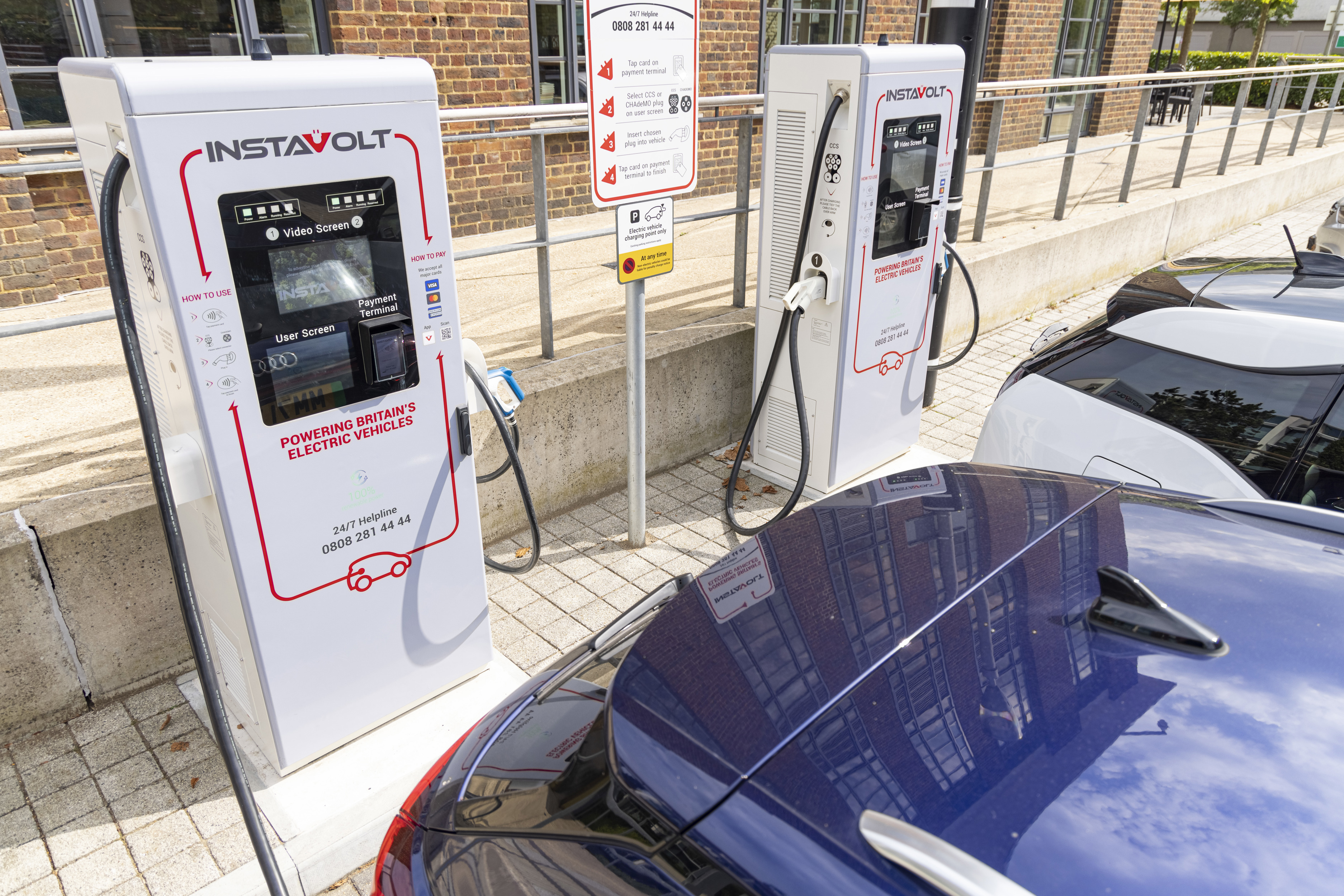
Responding to a survey, from the Office for Zero Emission Vehicles (OZEV), on signage for EV charging sites across multiple road types in England, InstaVolt, Chargy, Electric Vehicles UK and Octopus Electric Vehicles are calling for EV charging to be treated on an equal footing with petrol in national road sign regulations, with clear, consistent signage rolled out across motorways, A-roads and residential streets.
InstaVolt’s 2025 consumer polling found that more than half of drivers actively look for roadside signs to find EV chargers, and nearly nine in 10 say clear physical signage is important to them.
Welcoming OZEV’s call for evidence on EV signage as a “positive step towards fixing one of the most overlooked barriers to EV uptake”, Delvin Lane, CEO of InstaVolt, explained: “Right now, EV charging locations are treated very differently to petrol stations in the rules that govern road signs.
“That means thousands of high-quality public chargers are installed, operating, but not obviously signposted from key routes.
“If we want drivers to feel confident going electric, that has to change.”
It is urging Government, National Highways and local authorities to put EV charging on an equal footing with fuel in the road sign regulations.
It also wants for it to be made simpler for councils to add EV charging to existing direction signs where hubs already exist.
“This is a low-cost, high-impact intervention,” continued Lane. “Better signage increases use of the chargers we already have, and sends a powerful public signal that the UK’s charging network is real, reliable and ready today.”
Fleet News reported at the start of last year how more than half (56%) of some 8,00-plus prospective EV drivers, questioned by the AA, said that steps such as a clearer, universal signage should be used to help chargers stand out, alongside totem pole pricing boards used at fuel forecourts (51%).
The call for better signage comes as new research from the Department for Transport (DfT) suggests that there are now “considerably more” public EV chargers than fuel pumps in the UK.