
Remember me
When the Honda CB750 debuted in 1969, it didn’t just move the goalposts—it quietly rewrote the rules of the game. Four cylinders. An overhead cam. Electric start. A front disc brake. All of it wrapped in a package that was refined and reliable enough to ride daily, and affordable enough to matter. The British manufacturers couldn’t stop it, and its effects were felt for years by Honda’s domestic competitors as well.
Honda launched the CB750 with global ambition. It reached the American market in 1969, almost simultaneously with Japan, and it was the U.S. that truly detonated its success. Riders there embraced its speed, civility and mechanical sophistication, and tens of thousands were shipped overseas in the early years.
Decades later, that export boom has had an interesting side effect. Because so many early CB750s left Japan—and because overseas enthusiasm for restoring and preserving them has remained strong—clean vintage examples surface more readily in the U.S. and Europe than you might expect. In Japan, where the domestic market quickly moved on to newer machinery and older bikes were used up, modified or scrapped, genuinely tidy early CB750s aren’t exactly overflowing the classifieds. All of which helps explain the journey of this particular 1973 CB750.
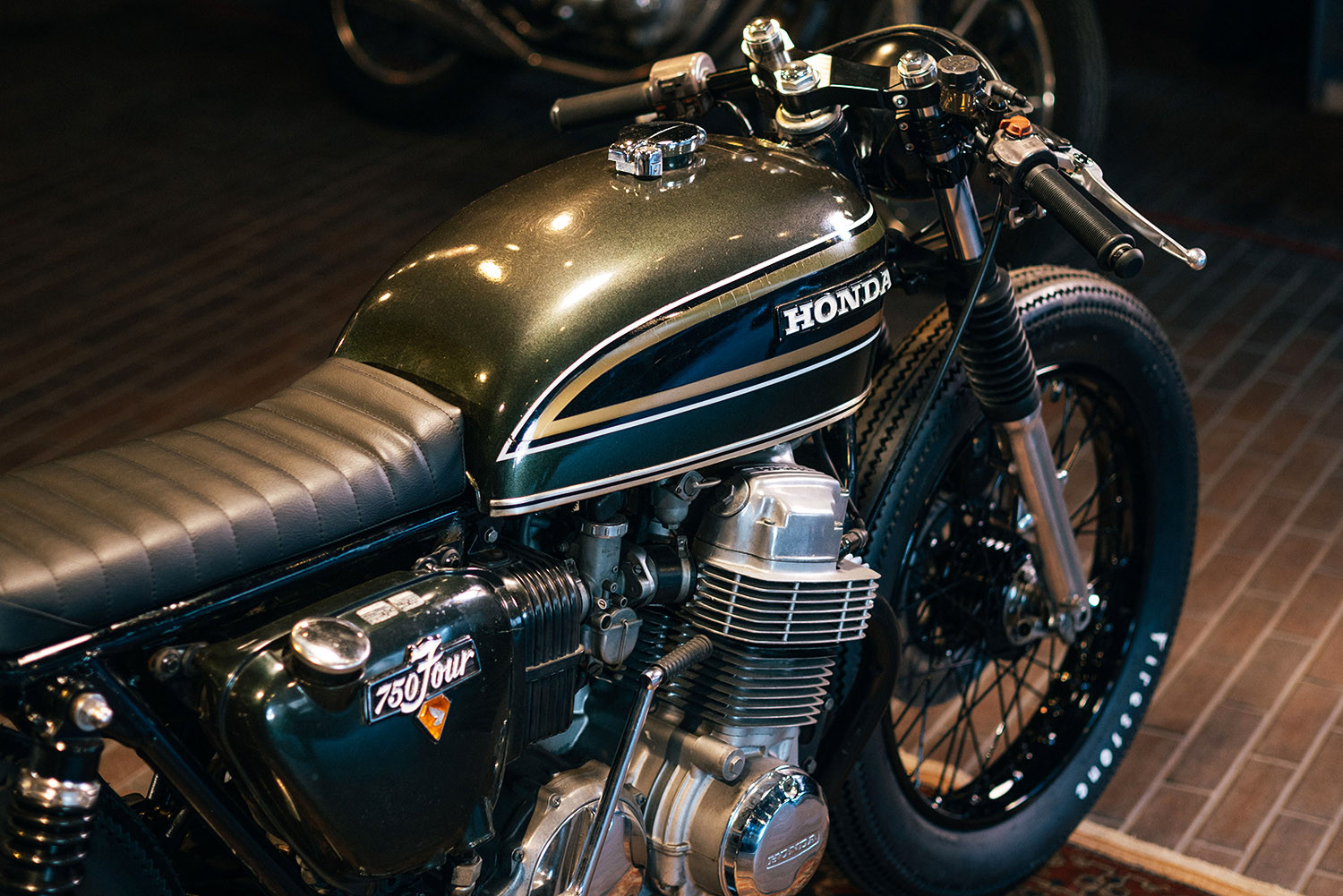
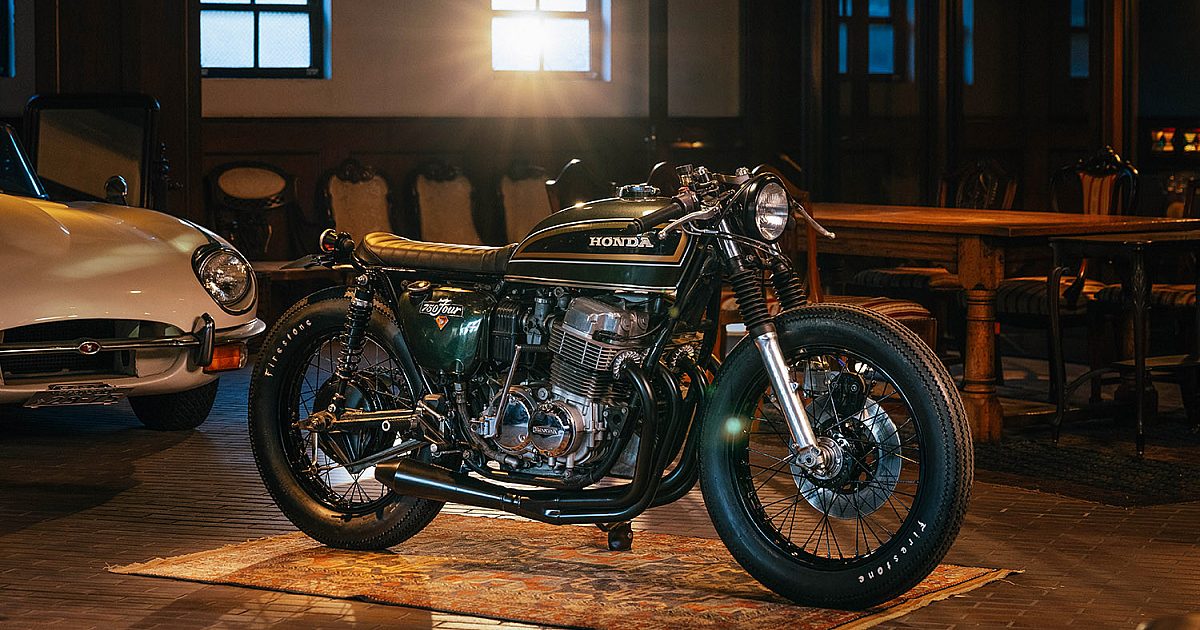
It landed in the hands of Minami Motorcycle’s Kenji Heianzan in Meguro Ward, Tokyo, less than 50 km from where the CB’s engine was assembled more than 50 years ago. The owner of the CB had imported it back to Japan from overseas, and the speedometer reported miles instead of kilometers, the irony of which was not lost on Kenji-san. Shockingly, the bike was in excellent condition, and a test ride revealed that the CB’s major systems had endured the passing decades without skipping a beat.
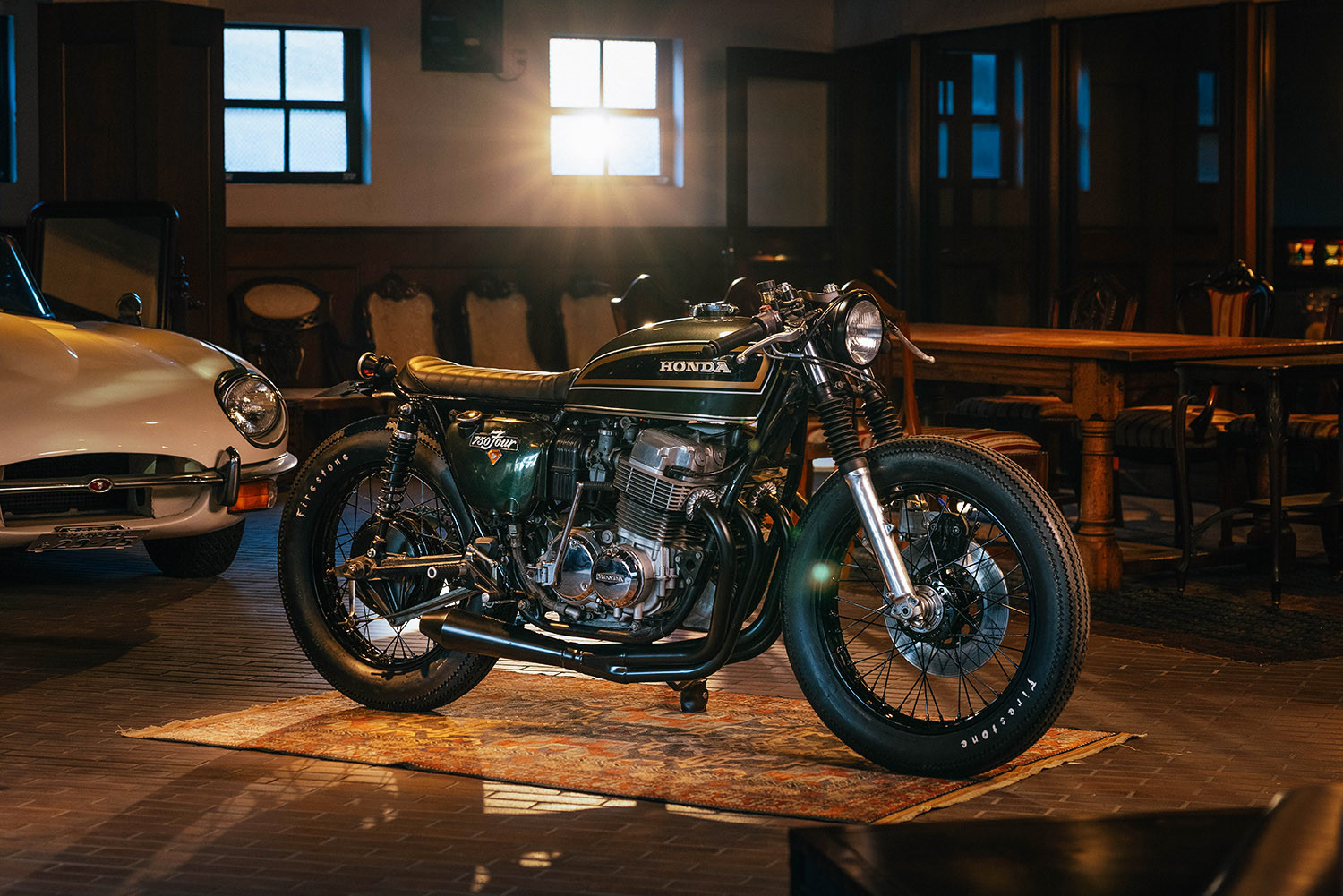
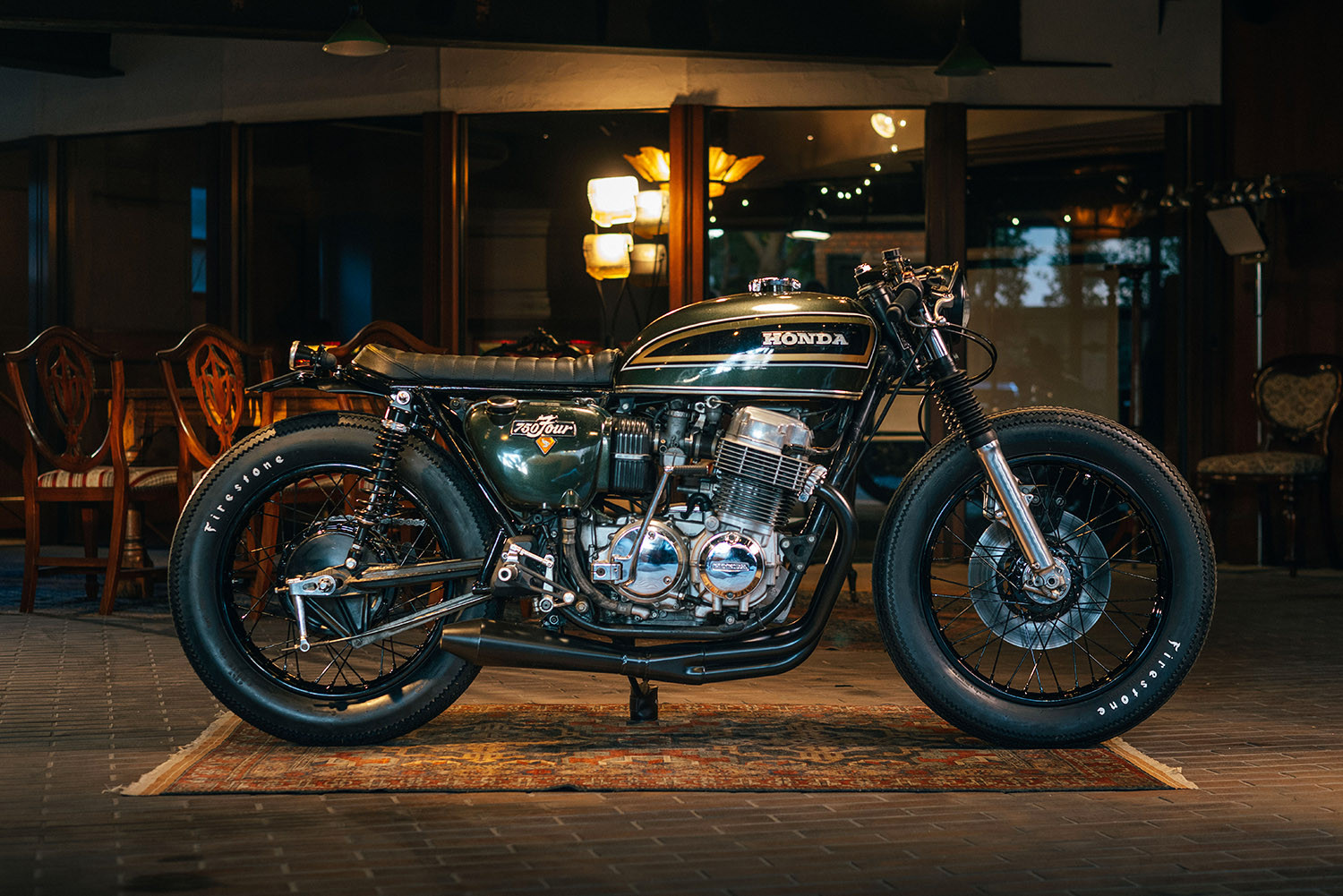
With the customer and the motorcycle in perfect harmony, the brief on this one was simple: restyle and optimize the bike without losing respect for what was original. Both parties were in agreement that the completed bike should still be instantly recognizable as a classic Honda CB750.
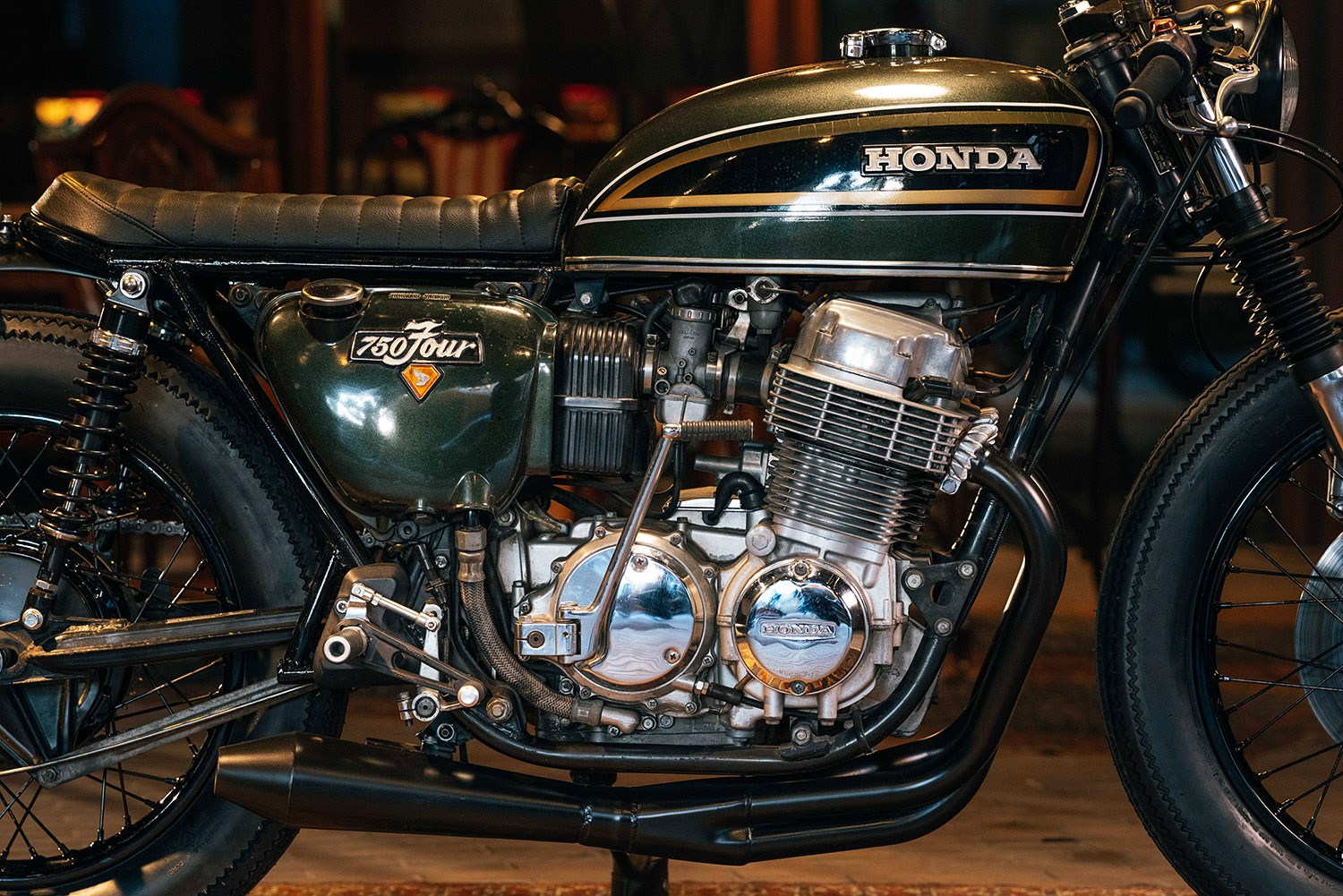
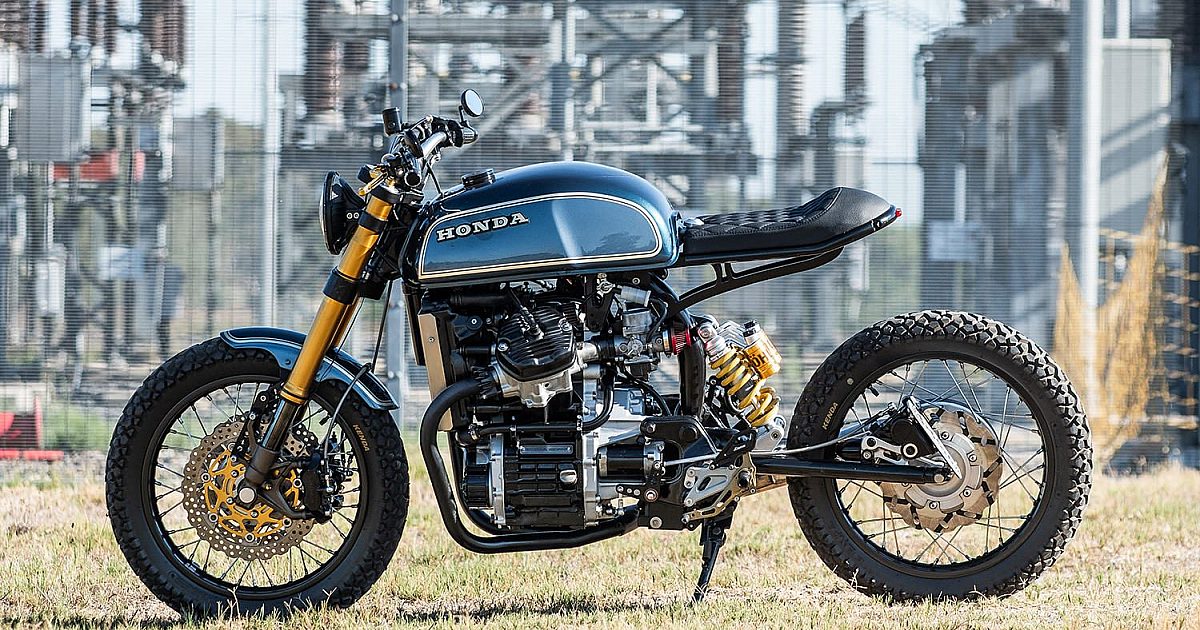
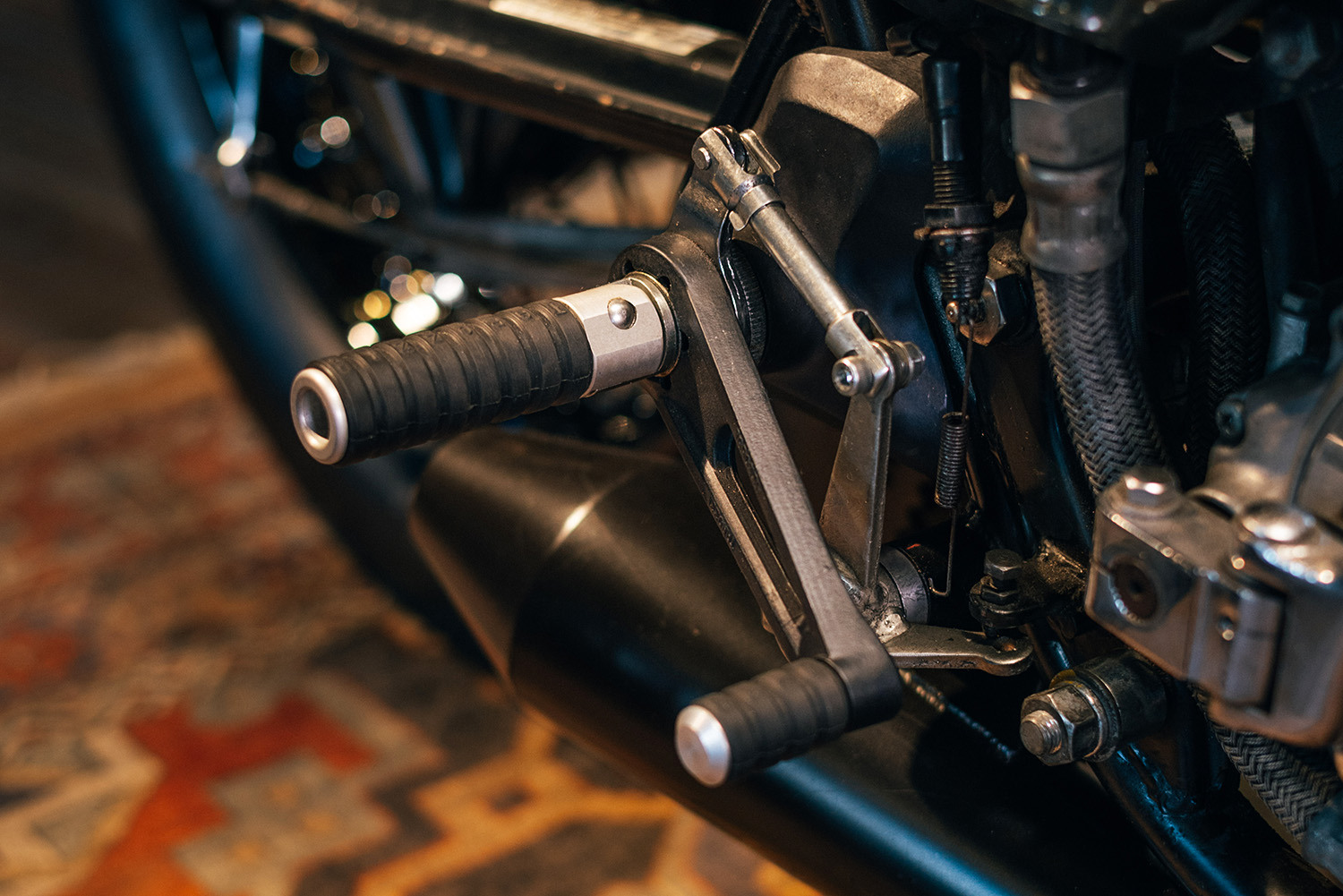
Breaking the bike down to its bare components revealed the need for a few deviations from stock. The back of the CB’s frame has a tall hoop for fender mounting and big lugs where the rear indicators mount, and if you’ve ever tidied up a CB before, you know those parts rarely play well. Kenji removed the superfluous sections and looped the rear frame section in anticipation of a matching saddle and a slim rear fender. Other low-hanging items like the passenger peg mounts were removed as well to make room for the Tarozzi rearsets, but one can’t help but notice a slight resemblance between the new peg mounts and the old passenger mounts.
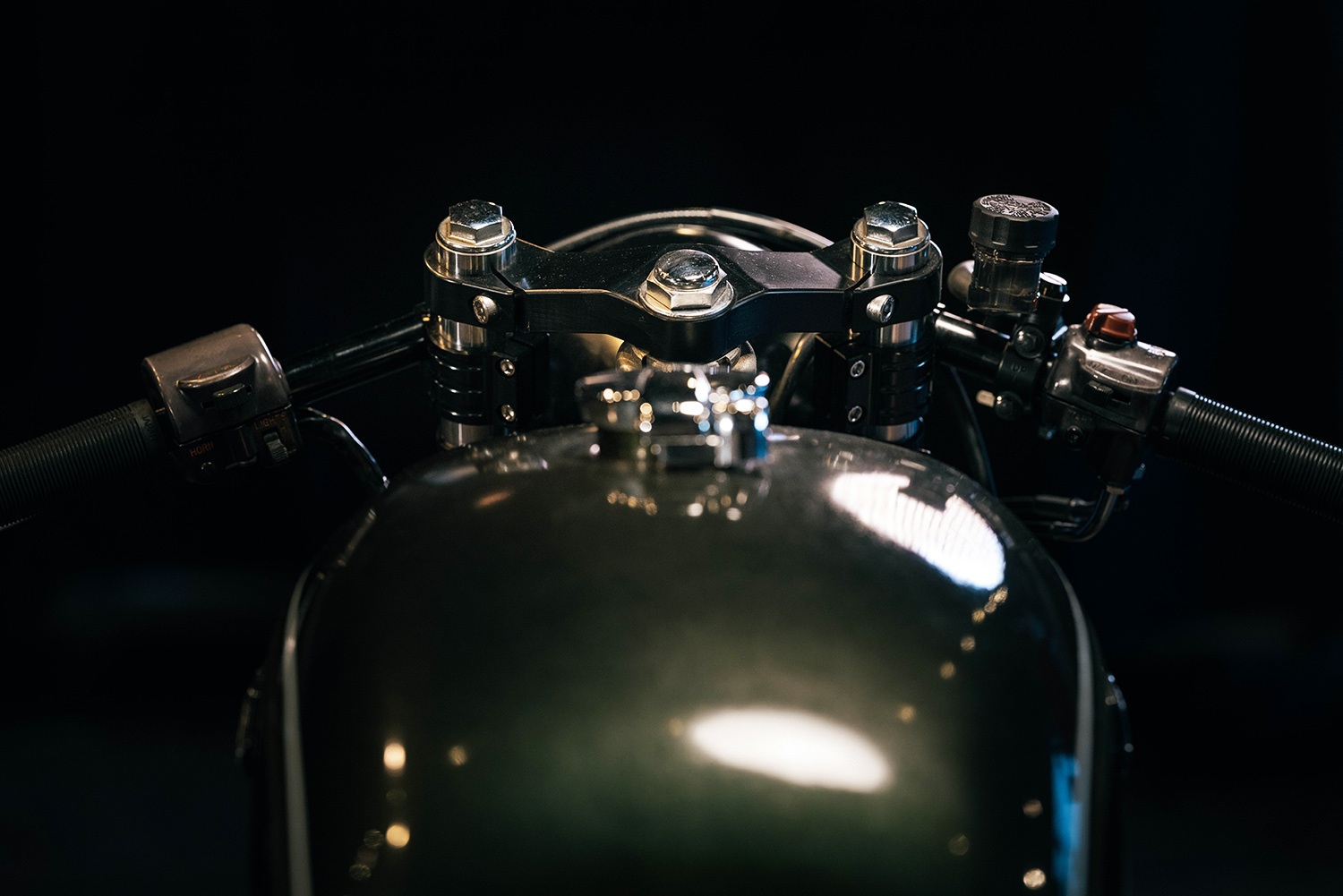
With the rear end coming together, focus shifted to the forks to dial in the stance. Kenji lowered the forks 2 inches to lock in that perfect horizontal line flowing from the bottom of the fuel tank to the saddle. The minimalist top clamp was designed in-house with 3D CAD, with outsourced CNC machine work. Kenji retained the OE Honda handlebar controls with subtle alterations to keep things looking tidy.
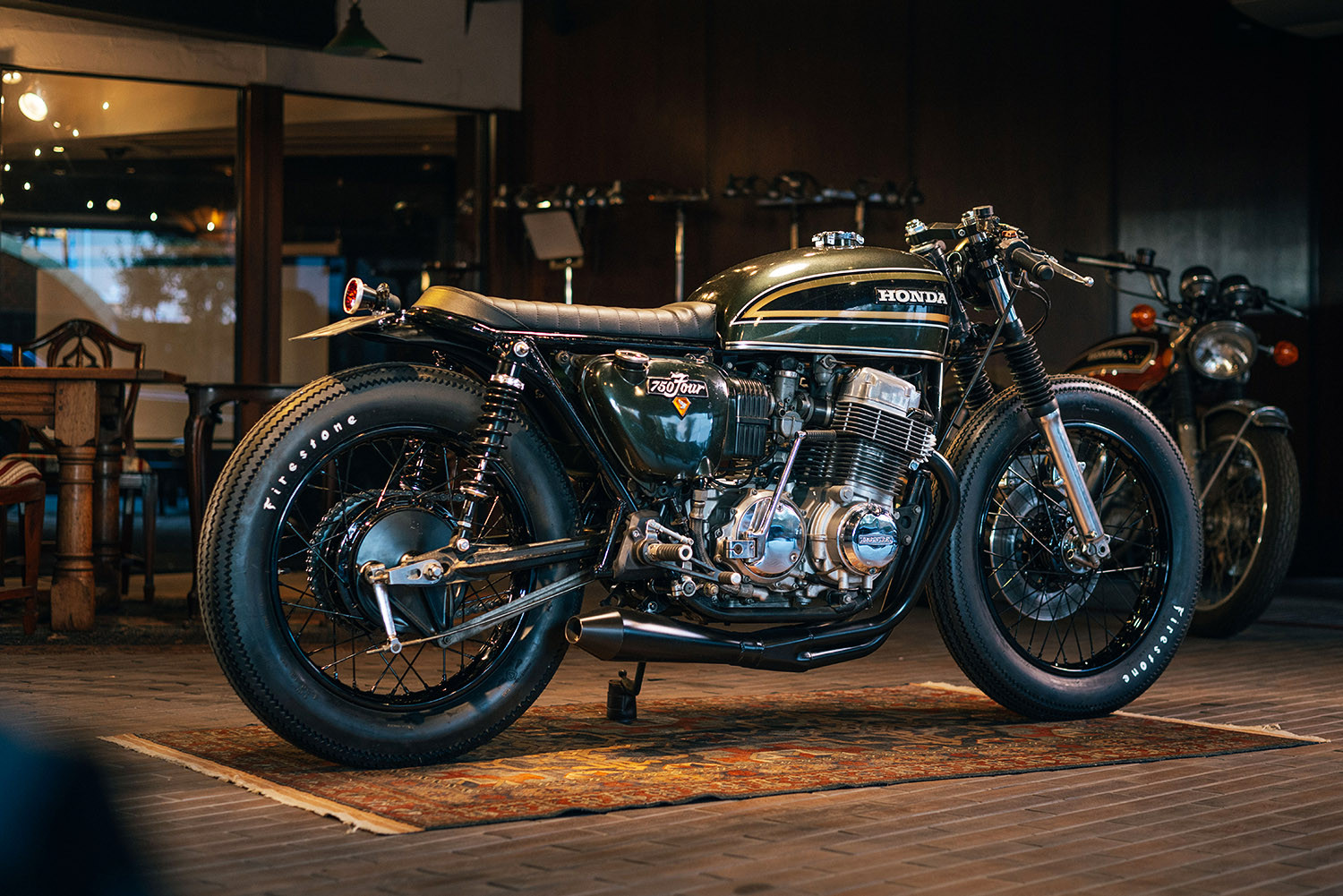
While the 736 cc, SOHC mill proved to be in excellent working order on arrival, minor degreasing and polishing restored the four-cylinder’s charm without rewriting its story entirely. The original 28 mm Kehin round-slide carburetors were retained, along with the OE Honda induction system. For livelier acoustics, a no-name header pipe was mated to a reverse-cone Minami silencer—finished in jet-black. The factory wiring was removed in favor of a bespoke harness powered by a motogadget mo.unit, a modern regulator and a slimmer lithium-ion battery.
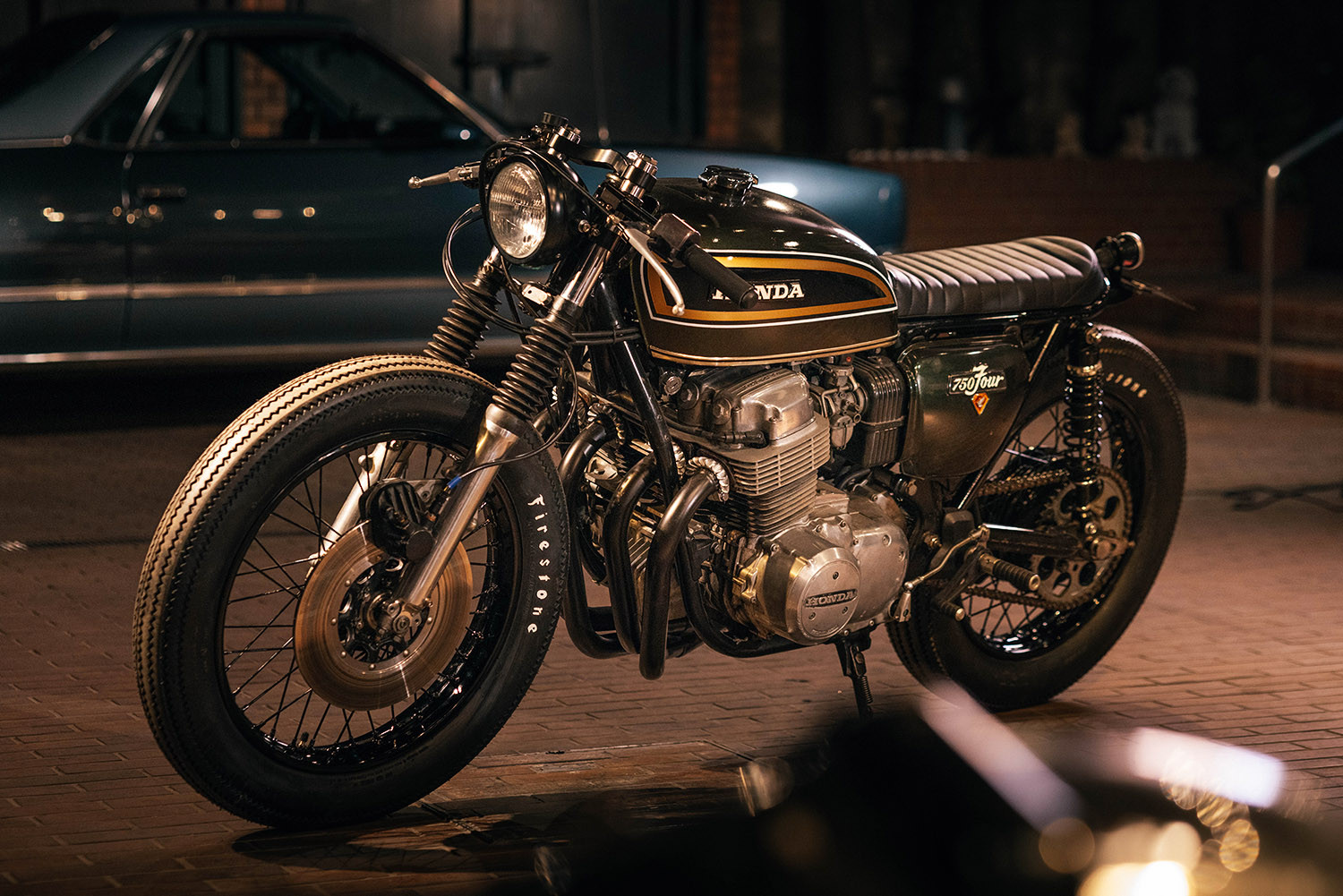
With the heavy lifting finished, it was time to return some of the original finishing touches back to their rightful homes. The OE fuel tank and side covers, finished in Candy Bacchus Olive paintwork, were remounted to the bike. Kenji states that repainting them was never an option, and while there’s slight peeling of the original multi-stage finish here and there, much of the original candy surface still shines like new. Presumably in need of some TLC, the original wheels were refinished in gloss black and shod in Firestone Deluxe Champion rubber.
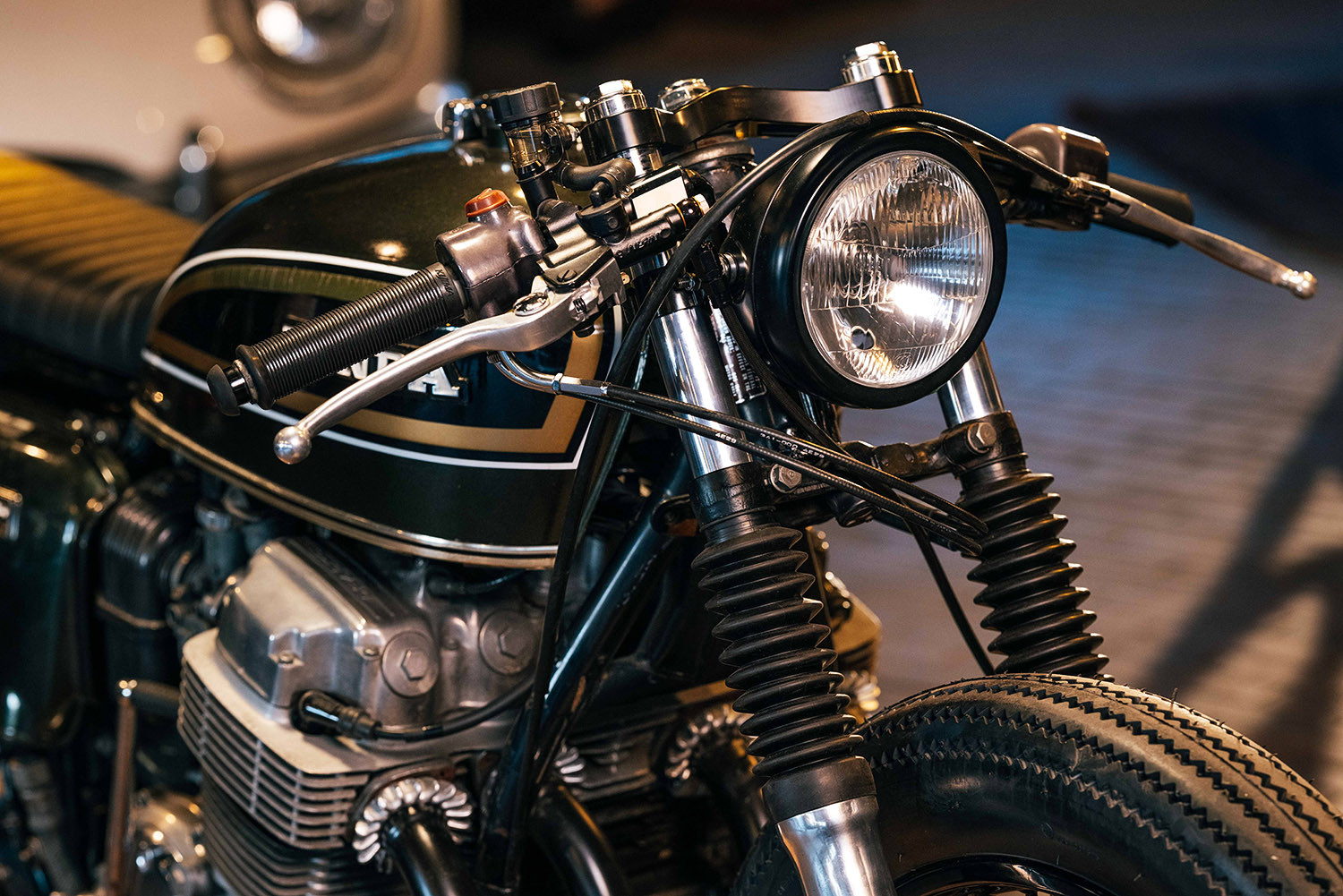
With the bike finish assembled, Kenji and the Minami Motorcycle crew were able to bring new character to this old CB750 without removing it entirely from its era. It reads a lot like period cafe-racer customization of this iconic model, but the ink it's written with is new if you know where to look. Having returned to its place of origin with a fresh new look, we’re certain this ’73 CB won’t be venturing overseas again anytime soon.
Comments (0)