Donald Trump has asserted that the United States’ munitions reserves are at their strongest levels in history, particularly in light of the ongoing military tensions in the Middle East.
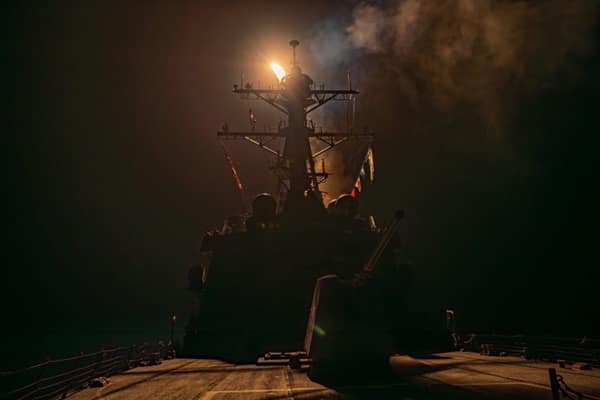
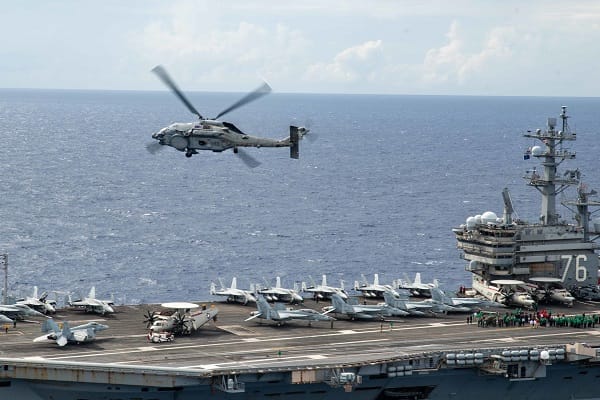
This statement comes as the United States and Israel intensify their joint operations against Iran, operating under a campaign dubbed Operation Epic Fury.
In a recent post on Truth Social, Trump proclaimed that the inventories of medium- and upper-medium-grade munitions have “never been higher or better.”
He confidently suggested that the U.S. military possesses a “virtually unlimited supply” of these types of weapons, which are crucial for modern military engagements. Despite this positive assessment, he acknowledged a significant concern regarding the high-end strategic stockpiles, admitting that they are “not where we want to be.”
He argued that, nonetheless, the existing reserves are sufficient to support extended military operations in the region.
Further, Trump criticised his predecessor, former President Joe Biden, for what he described as steps that have weakened U.S. military readiness. He claimed that Biden’s administration transferred substantial advanced weapon systems overseas, particularly to Ukraine, without ensuring adequate replacements for the U.S. armed forces. This, he contended, has led to a decrease in American military strength compared to previous years. Trump also made pointed remarks regarding Ukrainian President Volodymyr Zelenskyy, employing dismissive language while attempting to justify U.S. defence policies related to the ongoing conflict.
Trump outlined several strategic objectives for U.S. military operations in the region. These goals include the destruction of Iran’s missile production capabilities, the incapacitation of military production facilities, and the prevention of Iran’s development of nuclear weapons. Additionally, he emphasised the need for supporting regime change in Tehran, stating that such measures are necessary for regional stability and the security of U.S. allies.
Reports from various sources indicate that the recent military strikes may have resulted in the death of Iranian Supreme Leader Ali Khamenei, along with several senior military officials. However, these claims have been met with caution due to the lack of independent verification regarding the details surrounding these events.
In retaliation, Iran has responded to the strikes with missile and drone attacks targeting both Israeli and U.S. assets across the Middle East. This escalation has raised significant concerns about the possibility of a larger regional conflict, as military analysts warn that sustained fighting could severely disrupt global energy markets and critical shipping routes, such as the Strait of Hormuz. The Strait is particularly vital for international oil transport, and any disruptions there could have far-reaching implications for global trade and economic stability.







Comments (0)