
Remember me
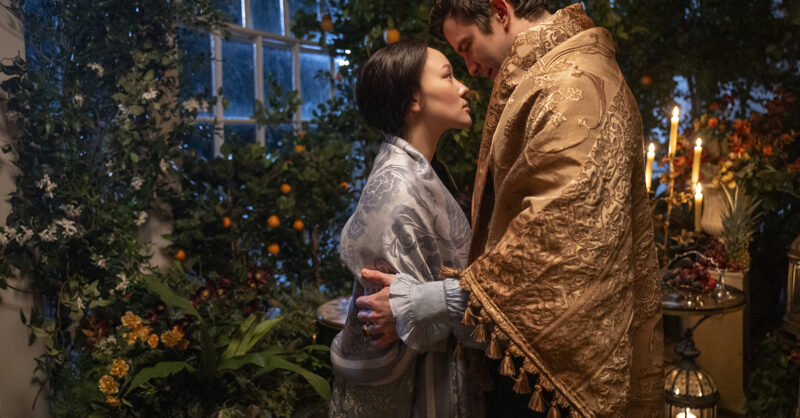



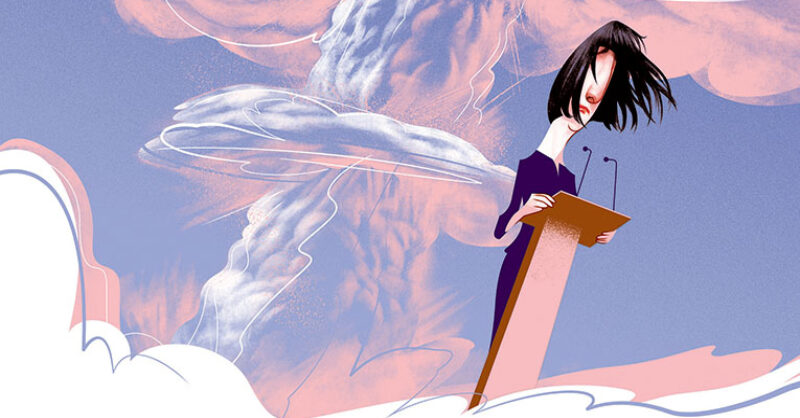


The best part of watching any new season of Bridgerton is talking over it. The worst is paying attention. For the fourth time, a Bridgerton series has landed on our screens, its descent from menial, mildly romantic fan-fiction now complete: an overwrought, over-complicated marshmallow fluffer – sticky, cloying and impossible to get rid of.
And how fun it used to be. The first two seasons were formulaic, yes, but simple, and not trying to be anything they weren’t. A man meets a woman. They hate each other. The very idea of being together sickens them – until, inevitably, disgust gives way to lust. There is a sex scene in a hallway. Lust turns to love. But no! The Queen declares they cannot marry. And yet – omnia vincit amor.
Since season three, however, the show has grown self-conscious – so anxious for approval that it now gestures towards almost every fashionable cause, as though scripted by a writers’ room populated entirely by left-leaning fan-fiction accounts. The scale of topics covered in this latest season is nothing short of staggering. There are sexually ambiguous servants litigating workers’ rights, lovers riven by class politics, middle-aged mothers undergoing an erotic revival, ingénues discovering orgasms, dutiful nods to proto-feminism, ethically dubious, cousinly romances. A stolen shoe clip, a lost necklace, a near-death from a scratch to the rib, an actual death from a headache. Arrests, retirements, babies and marriages.
And in its over-wrought complexity, Bridgerton is also mind-numbingly, irrevocably boring. So intoxicated by its own ideas that it cannot stop spawning new plotlines; bringing back long-forgotten characters, and introducing new ones. The universe expands forevermore, and the viewers care less and less about anything or anyone. Plotlines that are so profoundly laboured are immediately reversed – in one particularly woeful turn, Nicola Coughlan’s Penelope Featherington, a character beyond saving, announces the end of her Lady Whistledown (all the names sound like if Jane Austen had a medium-sized stroke and kept going with Emma anyway) gossip pamphlet, on which the entire narration of the story depends.

Subscribe to the New Statesman today for only £1 a week.
This is the most interesting thing she has ever done, but the moment is quickly undone when she reveals she will be writing a novel, and another character anonymously takes over the pamphlet. Like someone forcing you to trawl through their stinking car-boot sale just to admire their favourite cracked teapot, Bridgerton begs you to care about this multiverse of weirdness. You won’t though.
The show has enabled a genuine mass psychosis, so meticulously engineered to be screenshoted and reshared online that it no longer exists as a standalone offering, but as something broken into a million tiny Gifs. The world it is supposed to narrate no longer exists in complexity, but in simple binaries: impossible love vs possible love, virtuous characters vs villainous ones. There is also something to be said for a show that built its name on avant-garde sex scenes designed for lonely straight women now being nudged aside by the gay-romantic comedy Heated Rivalry. So bored are today’s women by television’s premier offering of straight erotica that they switch channels to watch two male hockey players rutting. Boredom, it seems, acquaints a woman with strange bedfellows.
By refusing to trust viewers to acknowledge that, in 1813, sexism and rigid class hierarchies were commonplace, the show smothers history under thick fondant icing. Racism, it should be noted, does not exist in Bridgerton-land. This might be charming, were these themes not constantly also shoehorned into the plot. It persuades itself – and endeavours to persuade its audience – of a profoundly absurd level of cognitive dissonance, prodding with the impossibility of an “upstairs-downstairs” love affair as if it was a minor inconvenience for its characters. It never concedes that class was a deeply entrenched, immutable reality of early-19th century society, not easily resolved by a wink, a spank and a pseudonym for its unlikely bride.
Why bother at all? Why impose a plotline on feminism or classism if you are only going to diminish its import? Presumably, the idea is to fabricate a cast of characters who simultaneously embody contemporary moral rectitude – the Bridgertons remunerate their servants with a living wage – while exuding a wistful, antiquated charm for misty-eyed audiences, tired of dating apps, longing for their own Anthony Bridgerton to keep them warm at night.
But this old mould is dead. Audiences cannot possibly sustain Bridgerton’s world. It once invited indulgence; now it demands endurance. Even the most patient viewer abandons the screen, thumbs flying over their phone as the Regency’s sticky, over-sweetened multiverse plays out behind them.
[Further reading: Why does Emerald Fennell keep killing women off?]
Content from our partnersRelated

Comments (0)