Una Mullally: How the American chicken wing franchise took Ireland by storm
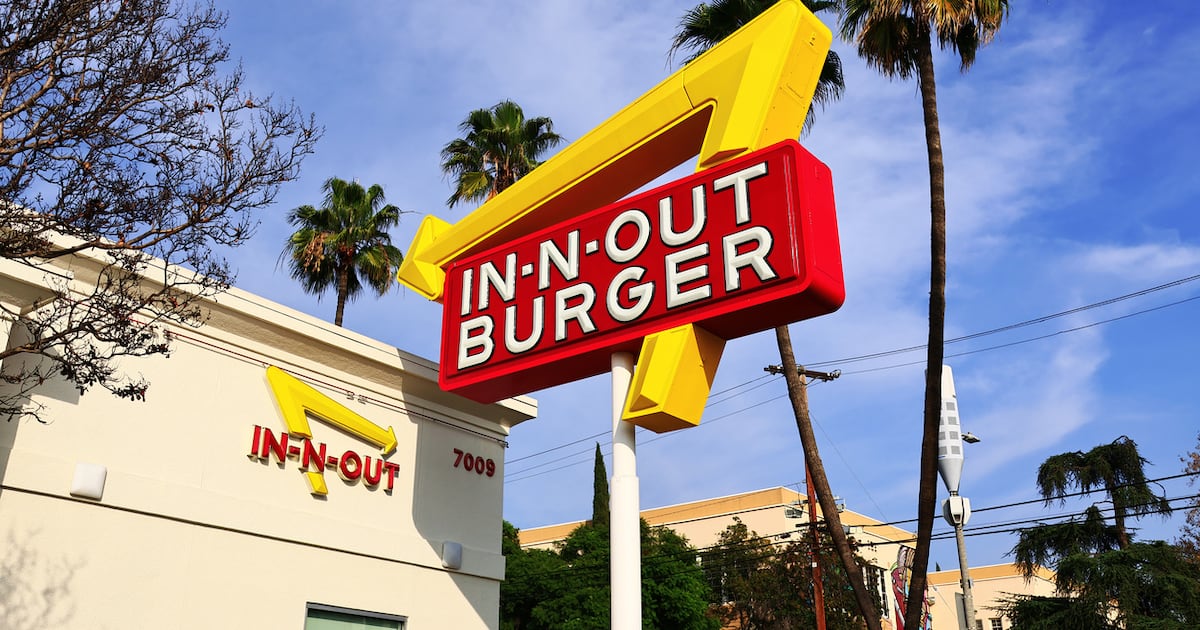
The depth of desire for fast-food in Ireland can be gauged in various ways, but one measurement was surely the length of the hours-long queue in Dublin last week for an In-N-Out burger pop-up. Ireland – Dublin in particular – is experiencing a new wave of American fast-food entrants to a seemingly insatiable market. While In-N-Out is all about beef burgers, the broader trend in new American fast-food in Ireland is mostly about chicken. Multiple American fast-food chicken brands have recently set up shop (although when a US fast-food brand opens in Ireland, it’s generally a UK and Ireland licence). Slims Chicken opened in Dundrum at the end of 2025. Wingstop opened in Liffey Valley last December. Dave’s Hot Chicken will soon take its place in the Central Plaza building on Dame Street beside Krispy Kreme. Another American chicken brand, Popeye’s, is set to open in Blanchardstown and Westmoreland Street. Chick-fil-A signed a licensing partnership with Applegreen in Northern Ireland. The branding of fast-food chicken as “crunchy” or “crispy” over “fried” is smart marketing. Last year, CNN reported that chicken-centred restaurants were performing incredibly strongly in 2024. Last September, the food publication Eater described the trend as “The Great Chickening”. READ MOREKen Early: Ireland’s attempt to reach the World Cup was, in one way, a spectacular successNational Concert Hall embroiled in row over Alan Shatter fundraiser for Israeli charityTrump wants to ‘take the oil’ in Iran‘She wasn’t speeding. There was no swerve’: Why did Bronagh English die on a Tipperary road?What happens in US fast-food, eventually (if not rather rapidly) finds its way to Ireland and the UK. While Ireland does a decent line in smash burgers, which have virtually replaced traditional beef burgers on many menus, there are fewer high-profile Irish chicken fast-food outlets. It appears these American entrants are filling that gap.This is also occurring at a time when beef prices are rising globally. Annual inflation in food products for 2025 in the EU saw beef and veal increase by 10 per cent, whereas poultry increased by 4.4 per cent. In Irish supermarkets, chicken has also become more expensive, however. In advance of last year’s Budget, Conor Pope compared the price of chicken breasts in 2022 (€5) to 2025 (€12.98), while steak had risen from €10.66 a kilo to €19.49 at that time.But more generally, the market for fast-food, as expressed by multiple American brands coming to Ireland, doesn’t appear to be abating. There is something of a low bar when it comes to drumming up excitement at these new openings, and these outlets appear to be meeting it. The market gets what the market wants.You can put this down to the cost of living; how conditioned people are to food delivery; the desire for convenience; lengthy commuting journeys lessening the time and energy people have for cooking at home, as well as people often ordering in because going out feels too expensive and too much hassle. It’s also about the availability of and distance to decent local and affordable restaurants. Few independent restaurants end up in the commercial units of new apartment developments, with new housing estates replicating the homogeny of suburbia rather than the variety of villages and streets. It could also be something of a lipstick effect – the term given to the consumer trend of comfort-buying cheaper luxuries during times of economic stress. Ireland is collectively comfort eating. The cost of living crisis, underpinned by the housing and rental crisis, may deny people the very basics within their lives, but a briefly tasty dopamine rush from junk food can provide the short-term relief of a treat. There is also an affection for American brands, whether people in Ireland – particularly in the current political climate – would like to admit that or not. It’s also much easier to gain a foothold with a brand that has been long-established elsewhere and which people have been watching from afar on screens than it is to set up an entirely new brand. Beyond chicken, there are other American brands new to the Irish market. Wendy’s has opened in Cork. Taco Bell is expanding in service stations.There used to be conversations about taxing unhealthy food (not much use to public health if you can’t provide cheaper and convenient healthy food as a widely available alternative), but now fast-food outlets benefit from a tax cut. Fast-food outlets are huge beneficiaries of the VAT rate cut for food and catering businesses introduced in the last budget. What should have been a VAT rate cut for independent restaurants and cafes – the ones who have been actually struggling because so few have deep pockets – instead became a blanket cut costing €681 million annually because, for some reason, the Government couldn’t figure out a way to leave non-franchise and non-international chain restaurants selling fast-food who didn’t need a cut, out of it. It is estimated McDonald’s franchisees would benefit from a shared tax windfall of close to €20 million. Presumably not unrelated to our love for and the growth of fast-food in Ireland, is the reality that we have the second highest obesity rate in the EU, next to Malta. We also, quite optimistically, have the highest self-reported rate of good health in the EU. We like to talk about the new healthy lifestyle trends in Irish culture – a reduction in alcohol consumption, increased exercise, the boom in sea-swimming and saunas – but much greater, it appears, is our appetite for all things fried and cheap.