
Remember me


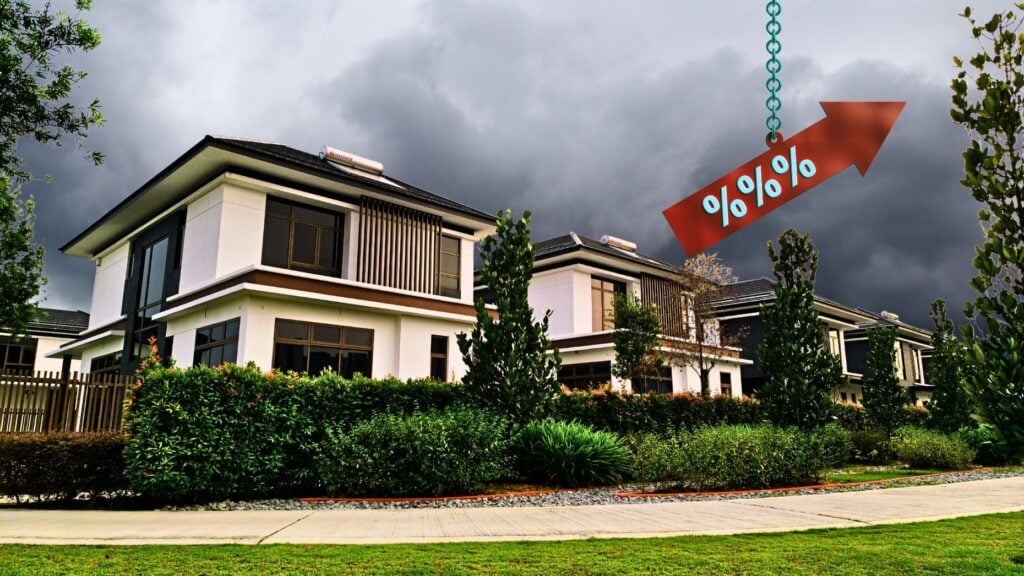







New numbers show that 2025 had “the weakest start to a year for home prices since the early 2010s,” one economist said.
The S&P Cotality Case-Shiller Index continued to slow in January, gaining a mere 0.9 percent annual gain — the weakest start in more than a decade.
TAKE THE INMAN INTEL INDEX SURVEY
January’s National Home Price NSA Index slid 0.2 percentage points from December. Inflation outpaced home price appreciation for the eighth consecutive month, with the consumer price index reaching 2.4 percent. The NSA Index rose 2.2 percent annually during the first two quarters of 2025, but then fell 1.3 percent during the following two quarters. Metro-by-metro annual home price trends continued to diverge, with Eastern and Midwestern markets such as New York (+4.9 percent), Chicago (+4.6 percent), and Cleveland (+3.6 percent) leading growth. Meanwhile, Tampa, a once-blazing market, saw prices continue to drop (-2.5 percent).
Nicholas Godec
“The inflation comparison reinforces the trend,” said Nicholas Godec, CFA, CAIA, CIPM, Head of Fixed Income Tradables & Commodities at S&P Dow Jones Indices, on Tuesday. “In real terms, home values have declined modestly over the past year.”
“Geographic leadership remains narrow,” he added. “Monthly price changes were slightly negative before seasonal adjustment and modestly positive after — consistent with a market that is neither recovering nor correcting sharply. With 30-year mortgage rates still near 6 percent, affordability constraints show no sign of easing. Nominal prices are barely rising; in real terms, they are edging lower.”
Bright MLS Chief Economist Lisa Sturtevant said macroeconomic and geopolitical headwinds will continue to complicate the housing market, as mortgage rates tick up amid the worsening conflict in Iran. However, homebuyers may still find windows of opportunity by asking for concessions that offset the impact of higher rates.

Dr. Lisa Sturtevant
“Today’s report indicates a continuation of the trend of slow appreciation seen at the end of 2025, marking the weakest start to a year for home prices since the early 2010s,” she said. “Affordability continues to be a major constraint on the housing market. Prospective buyers are waiting for both lower rates and slower price growth and are increasingly asking for concessions from sellers, leading to a more balanced negotiating environment between buyers and sellers.”
Sturtevant said the immediate future “remains cloudy,” with continued inventory shortages buoying home prices, despite softening demand. “While there had been promising signs that affordability was improving, higher rates and growing uncertainty are creating headwinds in the market,” she said.
Although homebuyers may be tempted to press pause this spring, Bankrate Financial Analyst Stephen Kates said this is the time for agents to remind consumers that wealth-building is a long game.
“While the current year feels stagnant, the multi-decade trend shows that suburban homeownership remains a powerful tool for building long-term wealth,” he said in an emailed statement. “Homeowners should not be discouraged by a single year of low growth. According to the data from the Federal Housing Finance Agency, national home values have increased by over 300 percent since the first quarter of 1991, when tracking began.”
“Owning a home is a long-term commitment, and short-term fluctuations should be measured but not agonized over,” he added. “Despite the slow pace of growth, the housing market remains a pillar of stability backed by trillions of dollars in government-supported funding. Prospective homebuyers with a stable living situation should still consider ownership a beneficial opportunity as affordability improves over the next few years.”
Comments (0)